


Journal of Computer Applications ›› 2026, Vol. 46 ›› Issue (2): 676-682.DOI: 10.11772/j.issn.1001-9081.2025081022
• Frontier and comprehensive applications • Previous Articles
Zhiqiang FAN, Lixin WANG, Haoran HE, Geyuyan MA, Feng YUE( )
)
Received:2025-09-08
Revised:2025-10-14
Accepted:2025-10-26
Online:2025-11-07
Published:2026-02-10
Contact:
Feng YUE
About author:FAN Zhiqiang, born in 1998, Ph. D. candidate. His research interests include automated quantum measurement and control, error suppression.Supported by:
范智强, 王立新, 何昊冉, 马葛羽岩, 岳峰()
通讯作者:
岳峰
作者简介:范智强(1998—),男,重庆人,博士研究生,主要研究方向:自动化量子测控、误差抑制基金资助:CLC Number:
Zhiqiang FAN, Lixin WANG, Haoran HE, Geyuyan MA, Feng YUE. Efficiency optimization in superconducting quantum measurement and control based on variable trigger mechanism[J]. Journal of Computer Applications, 2026, 46(2): 676-682.
范智强, 王立新, 何昊冉, 马葛羽岩, 岳峰. 基于可变触发机制的超导量子测控效率优化[J]. 《计算机应用》唯一官方网站, 2026, 46(2): 676-682.
Add to citation manager EndNote|Ris|BibTeX
URL: https://www.joca.cn/EN/10.11772/j.issn.1001-9081.2025081022
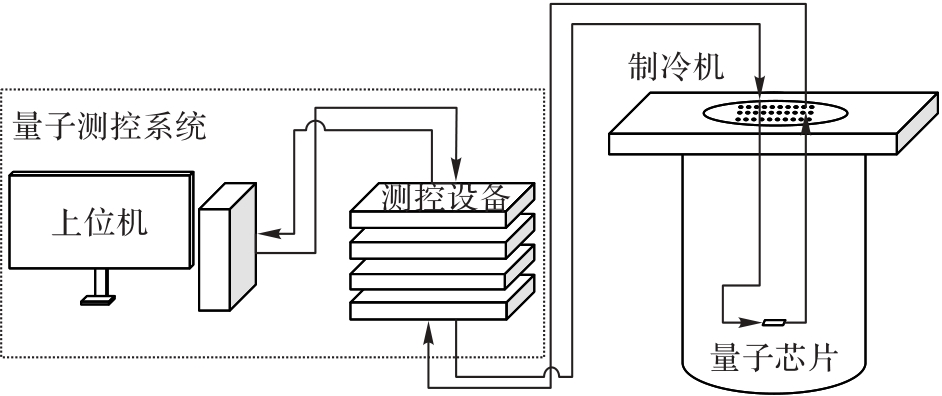
Fig. 1 Structure of superconducting quantum computing system
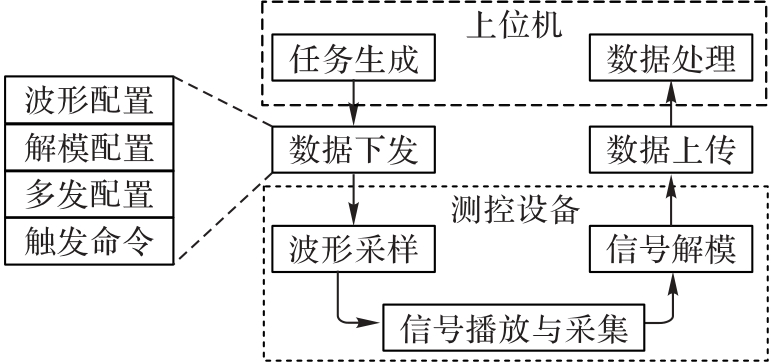
Fig. 2 Execution process of measurement and control experiments
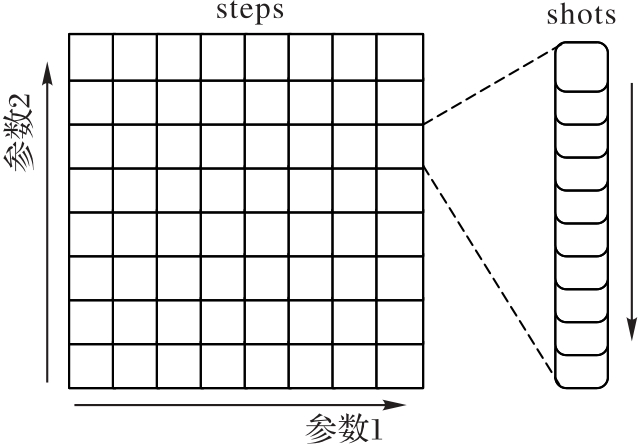
Fig. 3 Detailed structure of measurement and control experimental execution

Fig. 4 Time analysis of measurement and control experiments
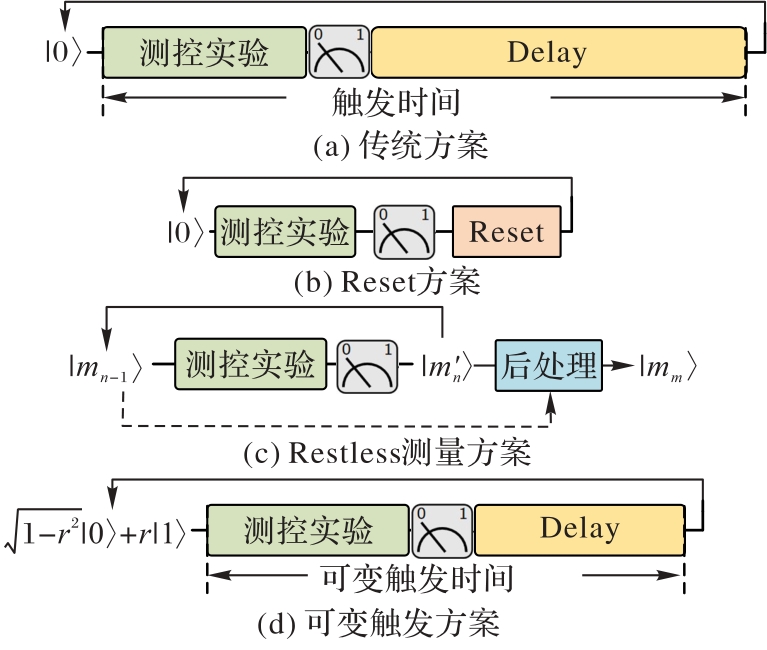
Fig. 5 Comparison of measurement and control schemes
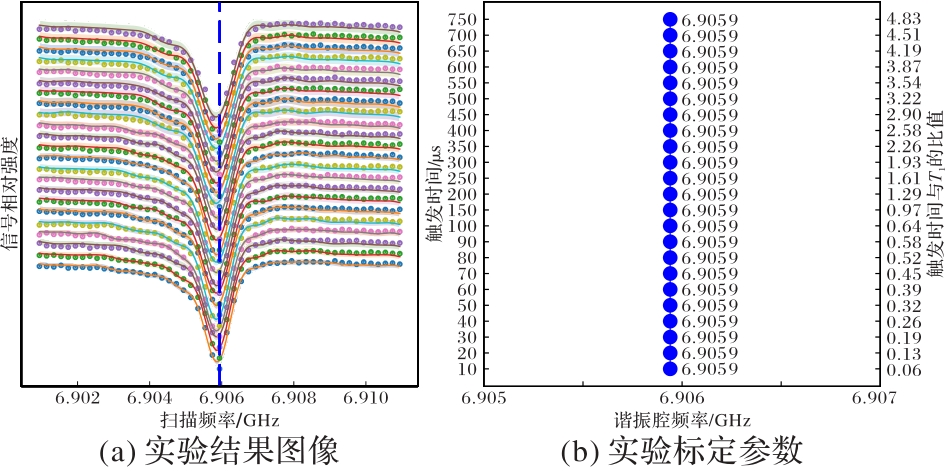
Fig. 6 Variable trigger analysis of resonant cavity frequency sweeping
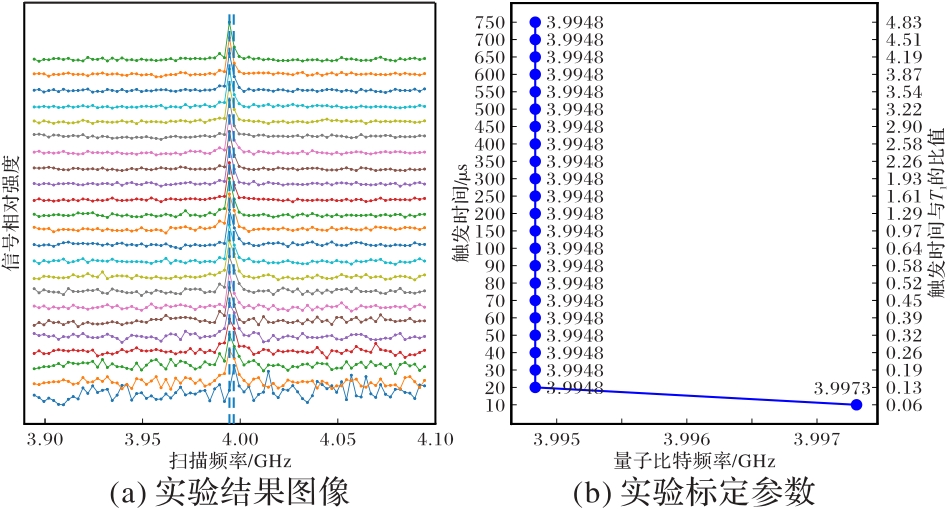
Fig. 7 Variable trigger analysis of Qubit Spectrum
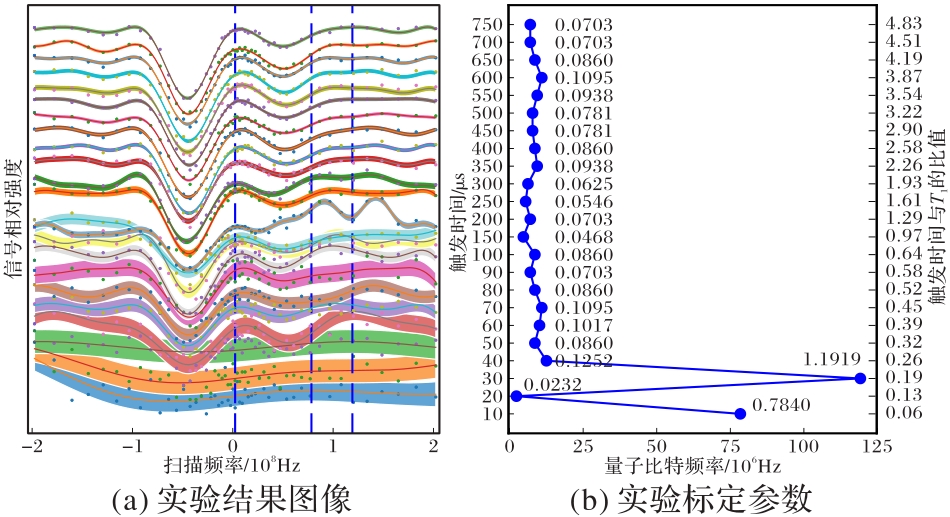
Fig. 8 Variable trigger analysis of X-X Delta
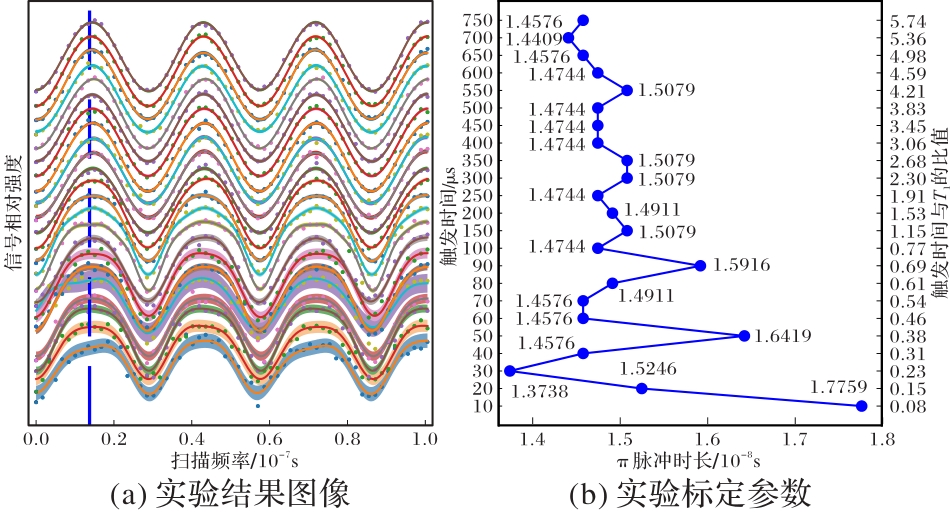
Fig. 9 Variable trigger analysis of Rabi oscillation
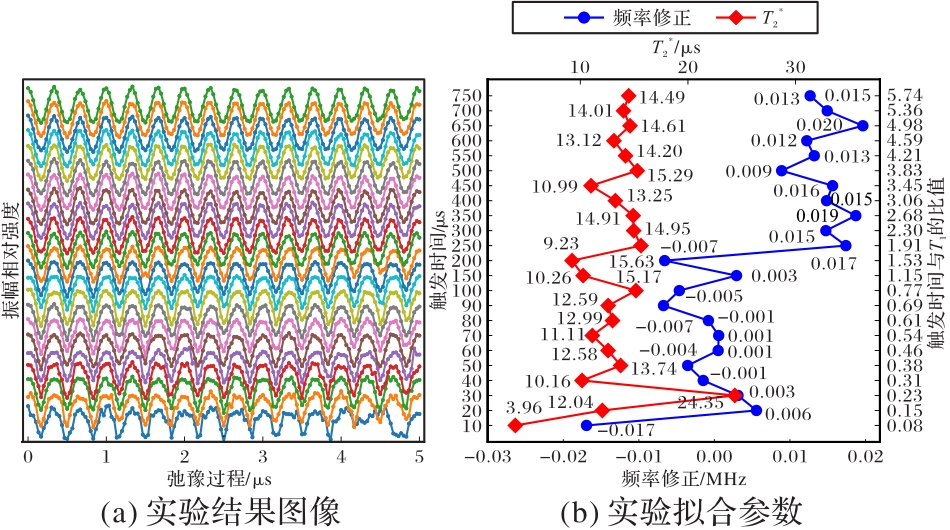
Fig. 10 Variable trigger analysis of Ramsey oscillation

Fig. 11 Variable trigger analysis of RB Single-Qubit
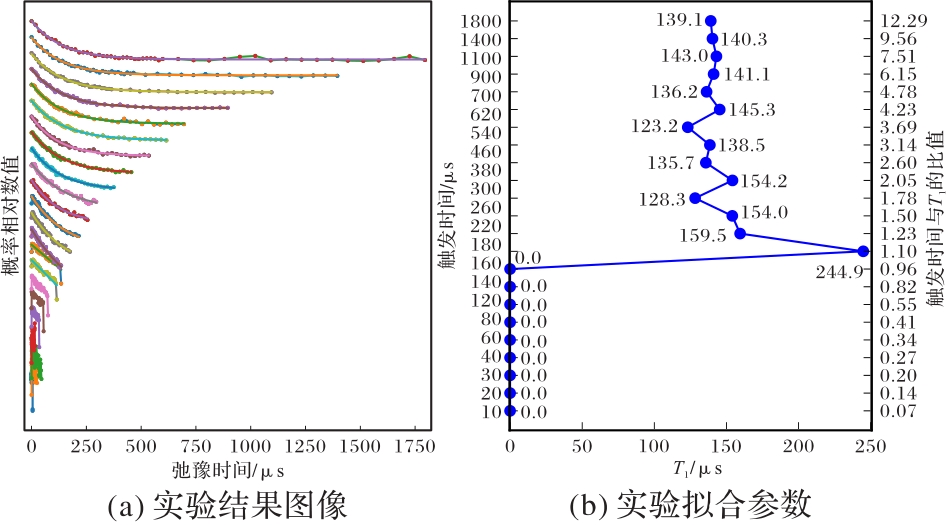
Fig. 12 Variable trigger analysis of T?
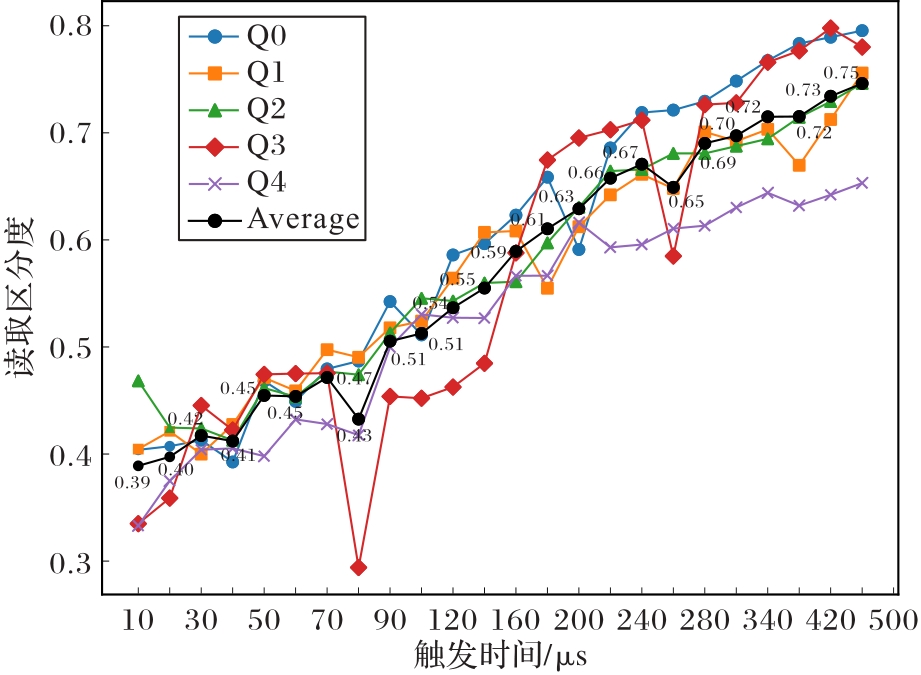
Fig. 13 Variable trigger analysis of Scatter
| 实验 | 触发周期 | 设置依据 |
|---|---|---|
| 谐振腔频率扫描( | 20 μs | 始终峰位清晰、信噪比良好 |
| Qubit Spectrum( | 20 μs | 始终峰位清晰、信噪比良好 |
| X_X Delta( | 0.8倍 T₁ | 触发周期大于0.8倍 T₁时拟合数值稳定 |
| Rabi振荡( | 0.8倍 T₁ | 振荡图案始终清晰,触发周期大于0.8 T₁时拟合数值稳定 |
| Ramsey振荡( | 0.8倍 T₁ | 振荡图案始终清晰,触发周期大于0.8 T₁时拟合数值稳定 |
| RB Single-Qubit( | 0.8倍 T₁ | 衰减图像先波动较大,触发周期大于0.8 T₁时拟合数值稳定 |
| T₁测量( | 1.5倍 T₁ | 触发周期大于1.5倍 T₁时实验效果稳定 |
| Scatter( | 3.0倍 T₁ | 随着触发周期的变化,标定的读取区分度稳定地逐渐增加,触发周期大于3倍 T₁时拟合数值趋于稳定 |
Tab. 1 Design of variable trigger scheme
| 实验 | 触发周期 | 设置依据 |
|---|---|---|
| 谐振腔频率扫描( | 20 μs | 始终峰位清晰、信噪比良好 |
| Qubit Spectrum( | 20 μs | 始终峰位清晰、信噪比良好 |
| X_X Delta( | 0.8倍 T₁ | 触发周期大于0.8倍 T₁时拟合数值稳定 |
| Rabi振荡( | 0.8倍 T₁ | 振荡图案始终清晰,触发周期大于0.8 T₁时拟合数值稳定 |
| Ramsey振荡( | 0.8倍 T₁ | 振荡图案始终清晰,触发周期大于0.8 T₁时拟合数值稳定 |
| RB Single-Qubit( | 0.8倍 T₁ | 衰减图像先波动较大,触发周期大于0.8 T₁时拟合数值稳定 |
| T₁测量( | 1.5倍 T₁ | 触发周期大于1.5倍 T₁时实验效果稳定 |
| Scatter( | 3.0倍 T₁ | 随着触发周期的变化,标定的读取区分度稳定地逐渐增加,触发周期大于3倍 T₁时拟合数值趋于稳定 |
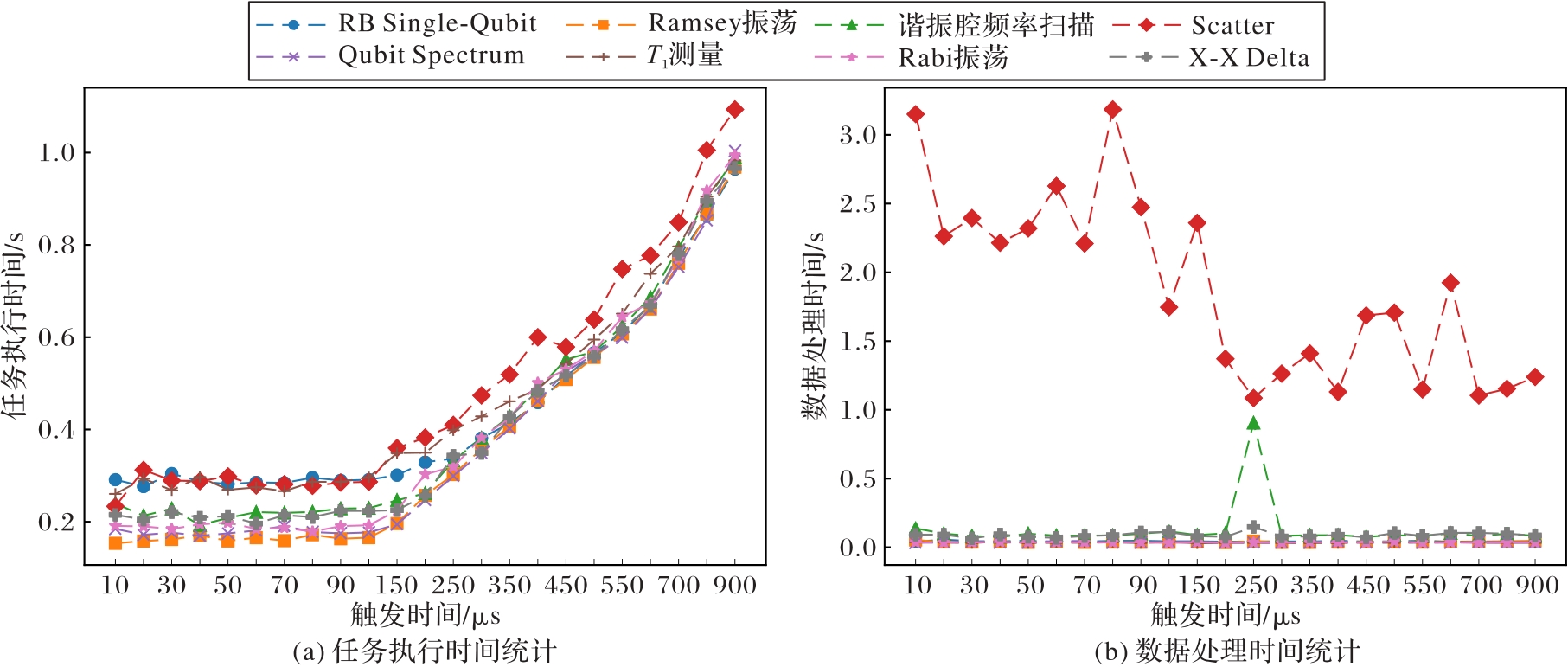
Fig. 14 Variable trigger period analysis
| 序号 | 实验流程 | 实验次数 |
|---|---|---|
| 1 | 谐振腔频率扫描 | 1 |
| 2 | Qubit Spectrum | 1 |
| 3 | Rabi振荡 | 1 |
| 4 | Ramsey振荡 | 1 |
| 5 | X-X Delta | 1 |
| 6 | T₁测量 | 1 |
| 7 | RB Single-Qubit | 1 |
| 8 | Scatter | 1 |
Tab. 2 Quantum measurement and control process
| 序号 | 实验流程 | 实验次数 |
|---|---|---|
| 1 | 谐振腔频率扫描 | 1 |
| 2 | Qubit Spectrum | 1 |
| 3 | Rabi振荡 | 1 |
| 4 | Ramsey振荡 | 1 |
| 5 | X-X Delta | 1 |
| 6 | T₁测量 | 1 |
| 7 | RB Single-Qubit | 1 |
| 8 | Scatter | 1 |
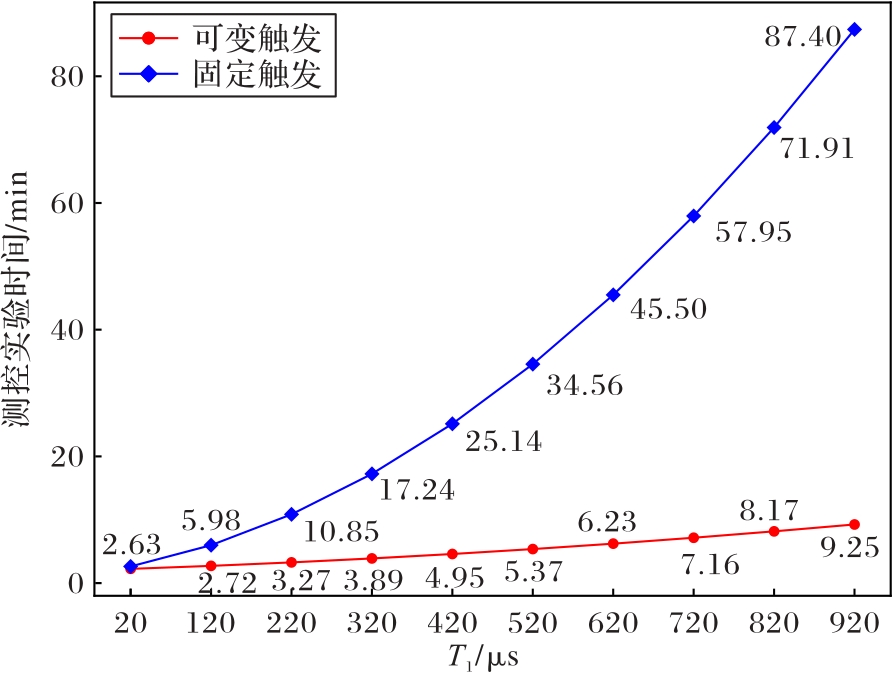
Fig. 15 Measurement and control time varying with T?
| T₁/μs | 吞吐率提升比例 | T₁/μs | 吞吐率提升比例 |
|---|---|---|---|
| 20 | 1.17 | 520 | 6.43 |
| 120 | 2.20 | 620 | 7.31 |
| 220 | 3.32 | 720 | 8.09 |
| 320 | 4.43 | 820 | 8.81 |
| 420 | 5.47 | 920 | 9.45 |
Tab. 3 Throughput rates of variable triggering scheme
| T₁/μs | 吞吐率提升比例 | T₁/μs | 吞吐率提升比例 |
|---|---|---|---|
| 20 | 1.17 | 520 | 6.43 |
| 120 | 2.20 | 620 | 7.31 |
| 220 | 3.32 | 720 | 8.09 |
| 320 | 4.43 | 820 | 8.81 |
| 420 | 5.47 | 920 | 9.45 |
| [1] | ARUTE F, ARYA K, BABBUSH R, et al. Quantum supremacy using a programmable superconducting processor[J]. Nature, 2019, 574(7779): 505-510. |
| [2] | Google Quantum AI and Collaborators. Quantum error correction below the surface code threshold[J]. Nature, 2024, 638(8052): 920-926. |
| [3] | 窦星磊,刘磊,陈岳涛. 面向超导量子计算机的程序映射技术研究[J]. 计算机研究与发展, 2021, 58(9): 1856-1874. |
| DOU X L, LIU L, CHEN Y T. An investigation into quantum program mapping on superconducting quantum computers[J]. Journal of Computer Research and Development, 2021, 58(9): 1856-1874. | |
| [4] | 吴楠,宋方敏, LI Xiang-Dong. 通用量子计算机:理论、组成与实现[J]. 计算机学报, 2016, 39(12): 2429-2445. |
| WU N, SONG F M, LI X-D. Universal quantum computer: theory, organization and implementation[J]. Chinese Journal of Computers, 2016, 39(12): 2429-2445. | |
| [5] | 付祥,郑宇真,苏醒,等. 一种面向含噪中尺度量子技术的量子-经典异构计算系统[J]. 计算机研究与发展, 2021, 58(9): 1875-1896. |
| FU X, ZHENG Y Z, SU X, et al. A heterogeneous quantum-classical computing system targeting noisy intermediate-scale quantum technology[J]. Journal of Computer Research and Development, 2021, 58(9): 1875-1896. | |
| [6] | LENNON D T, MOON H, CAMENZIND L C, et al. Efficiently measuring a quantum device using machine learning[J]. npj Quantum Information, 2019, 5: No.79. |
| [7] | ZHANG J, SUN X, GUO Z, et al. M2CS: a microwave measurement and control system for large-scale superconducting quantum processors[J]. Chinese Physics B, 2024, 33(12): No.120309. |
| [8] | KLIMOV P V, BENGTSSON A, QUINTANA C, et al. Optimizing quantum gates towards the scale of logical qubits[J]. Nature Communications, 2024, 15: No.2442. |
| [9] | TORNOW C, KANAZAWA N, SHANKS W E, et al. Minimum quantum run-time characterization and calibration via restless measurements with dynamic repetition rates[J]. Physical Review Applied, 2022, 17(6): No.064061. |
| [10] | WANG C, LI X, XU H, et al. Towards practical quantum computers: transmon qubit with a lifetime approaching 0.5 milliseconds[J]. npj Quantum Information, 2022, 8: No.3. |
| [11] | SOMOROFF A, FICHEUX Q, MENCIA R A, et al. Millisecond coherence in a superconducting qubit[J]. Physical Review Letters, 2023, 130(26): No.267001. |
| [12] | MAGNARD P, KURPIERS P, ROYER B, et al. Fast and unconditional all-microwave reset of a superconducting qubit[J]. Physical Review Letters, 2018, 121(6): No.060502. |
| [13] | EGGER D J, WERNINGHAUS M, GANZHORN M, et al. Pulsed reset protocol for fixed-frequency superconducting qubits[J]. Physical Review Applied, 2018, 10(4): No.044030. |
| [14] | 宿非凡,杨钊华. 超导量子比特耦合与测控的物理原理[J]. 物理与工程, 2022, 32(4): 210-217, 228. |
| SU F F, YANG Z H. Physical principles of superconducting qubit coupling and measurement-control[J]. Physics and Engineering, 2022, 32(4): 210-217, 228. | |
| [15] | 范智强,王卫龙,岳峰,等. 面向超导量子芯片的自动化测控系统设计与实现[J]. 信息工程大学学报, 2025, 26(1): 51-56. |
| FAN Z Q, WANG W L, YUE F, et al. Design and implementation of an automated measurement and control system for superconducting quantum chips[J]. Journal of Information Engineering University, 2025, 26(1): 51-56. | |
| [16] | KRANTZ P, KJAERGAARD M, YAN F, et al. A quantum engineer’s guide to superconducting qubits[J]. Applied Physics Reviews, 2019, 6(2): No.21318. |
| [17] | McCLURE D T, PAIK H, BISHOP L S, et al. Rapid driven reset of a qubit readout resonator[J]. Physical Review Applied, 2016, 5(1): No.011001. |
| [18] | WERNINGHAUS M, EGGER D J, FILIPP S. High-speed calibration and characterization of superconducting quantum processors without qubit reset[J]. PRX Quantum, 2021, 2(2): No.020324. |
| [19] | ROL M A, BULTINK C C, O’BRIEN T, et al. Restless tuneup of high-fidelity qubit gates[J]. Physical Review Applied, 2016, 7(4): No.041001. |
| [20] | NIELSEN M A, CHUANG I L. Quantum computation and quantum information: 10th anniversary edition[M]. Cambridge: MIT Press, 2010: 84-86. |
| [1] | . Development of SWJTU-CAX: a self-developed integrated platform for design, simulation, and optimization of composite materials and structures [J]. Journal of Computer Applications, 0, (): 0-0. |
| [2] | Shu LI, Guoqing LIU, Siyuan LI, Yaochang QIN. Fast and fully autonomous exploration method for multi-UAV in large-scale complex environments [J]. Journal of Computer Applications, 2025, 45(7): 2317-2324. |
| [3] | Zhi DING, Hong WU, Lihua XIE, Jie SHI. Design and implementation of middle office for product research and development business in tobacco industry based on microservices [J]. Journal of Computer Applications, 0, (): 180-183. |
| [4] | WANG Zhiheng, XU Yanyan. Design and implementation of fingerprint authentication terminal APP in mobile cloud environment based on TrustZone [J]. Journal of Computer Applications, 2020, 40(11): 3255-3260. |
| [5] | GUAN Hao, QIN Xiaolin, RAO Yongsheng, CAO Sheng. Domain model of Web-based dynamic geometry software and its applications [J]. Journal of Computer Applications, 2020, 40(4): 1127-1132. |
| [6] | Bin LIU, Jinrong HE, Yuancheng LI, Hong HAN. Apple price prediction method based on distributed neural network [J]. Journal of Computer Applications, 2020, 40(2): 369-374. |
| [7] | SUN Xiaojuan, SHI Tao, HU Yuxin, TONG Jizhou, LI Bing, SONG Yao. Real-time processing of space science satellite data based on stream computing [J]. Journal of Computer Applications, 2019, 39(6): 1563-1568. |
| [8] | WANG Xuefei, DING Weilong. Short-term traffic prediction method on big data in highway domain [J]. Journal of Computer Applications, 2019, 39(1): 87-92. |
| [9] | XU Yao, LI Zhuoran, MENG Jinlong, ZHAO Lipo, WEN Jianxin, WANG Guiling. Extraction method of marine lane boundary from exploiting trajectory big data [J]. Journal of Computer Applications, 2019, 39(1): 105-112. |
| [10] | DENG Li, YAO Li, JIN Yu. Dynamic resource configuration based on multi-objective optimization in cloud computing [J]. Journal of Computer Applications, 2016, 36(9): 2396-2401. |
| [11] | ZHAO Xia, LIN Tianhua, MA Suxia, QI Linhai. Method for processing power quality data based on selective reloading [J]. Journal of Computer Applications, 2016, 36(5): 1434-1438. |
| [12] | SUN Jiaze, GENG Guohua. Global optimal matching method for 3D fragments based on swarm intelligence [J]. Journal of Computer Applications, 2016, 36(1): 266-270. |
| [13] | LI Yinuo, XIAO Ruliang, NI Youcong, SU Xiaomin, DU Xin, CAI Shengzhen. Indoor positioning algorithm with dynamic environment attenuation based on particle filtering [J]. Journal of Computer Applications, 2015, 35(9): 2465-2469. |
| [14] | ZHANG Xinglong, LI Songli, XIAO Junchao. Service integration-oriented workflow model and implementation method [J]. Journal of Computer Applications, 2015, 35(7): 1993-1998. |
| [15] | WANG Xianming, CHEN Rongwu, CAI Zheyang, WANG Fangchao. Automatic generation of urban rail transit train diagram for express/slow trains operation and CAD realization [J]. Journal of Computer Applications, 2015, 35(4): 1190-1195. |
| Viewed | ||||||
|
Full text |
|
|||||
|
Abstract |
|
|||||
