


Journal of Computer Applications ›› 2026, Vol. 46 ›› Issue (11): 3674-3682.DOI: 10.11772/j.issn.1001-9081.2025091155
• Multimedia computing and computer simulation • Previous Articles
Rongli GAI1, Junkai WANG1, Zumin WANG1, Xiaoming DUAN2( )
Received:2025-09-29
Revised:2025-12-04
Accepted:2025-12-09
Online:2026-03-16
Published:2026-11-10
Contact:
Xiaoming DUAN
About author:GAI Rongli, born in 1980, Ph. D., professor. Her research interests include artificial intelligence, intelligent control, smart healthcare.Supported by:
盖荣丽1, 王俊开1, 汪祖民1, 段晓明2()
通讯作者:
段晓明
作者简介:盖荣丽(1980—),女,辽宁大连人,教授,博士,CCF会员,主要研究方向:人工智能、智能控制、智慧医疗基金资助:CLC Number:
Rongli GAI, Junkai WANG, Zumin WANG, Xiaoming DUAN. Lightweight optic cup and optic disc segmentation method based on multi-scale feature enhancement[J]. Journal of Computer Applications, 2026, 46(11): 3674-3682.
盖荣丽, 王俊开, 汪祖民, 段晓明. 基于多尺度特征增强的轻量化视杯视盘分割方法[J]. 《计算机应用》唯一官方网站, 2026, 46(11): 3674-3682.
Add to citation manager EndNote|Ris|BibTeX
URL: https://www.joca.cn/EN/10.11772/j.issn.1001-9081.2025091155
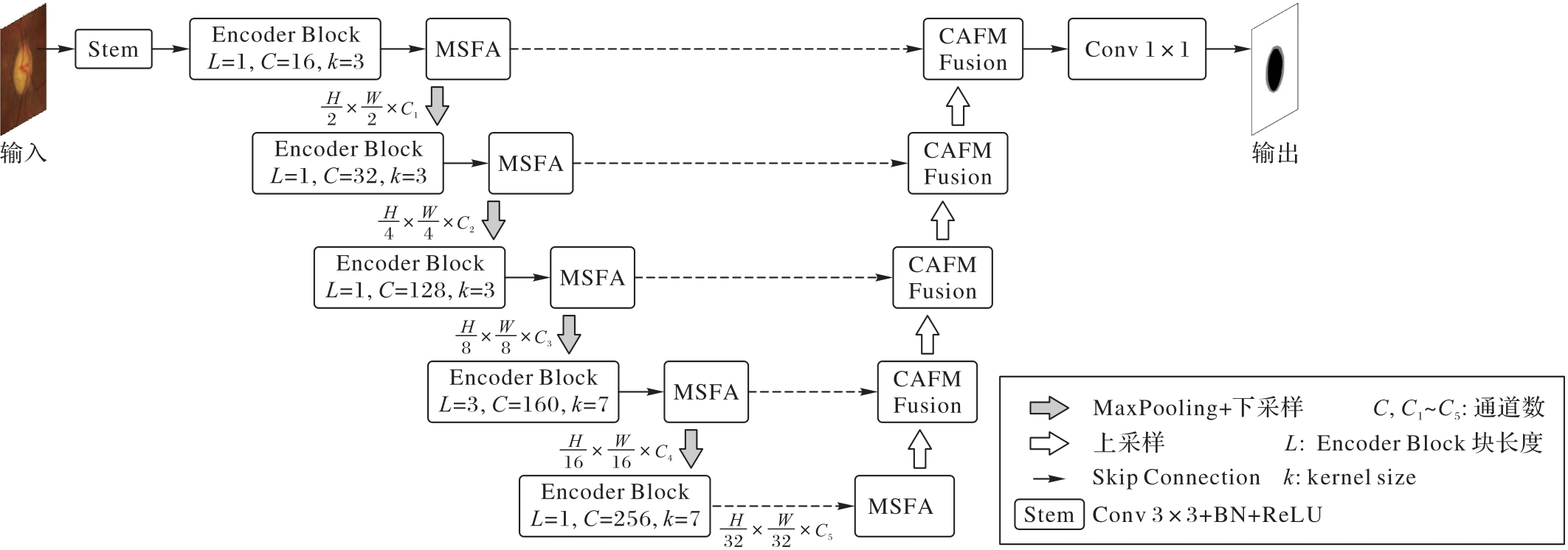
Fig. 1 Architecture of LMF-Net
| 阶段 | 模块说明(输入尺寸256×256) | 输出张量形状(C,H,W) |
|---|---|---|
| 1 | Input | (3, 256, 256) |
| 2 | Stem + Encoder1 + MSFA | (16, 256, 256) |
| 3 | Encoder2 + MSFA(↓×2) | (32, 128, 128) |
| 4 | Encoder3 + MSFA(↓×4) | (128, 64, 64) |
| 5 | Encoder4 + MSFA(↓×8) | (160, 32, 32) |
| 6 | Encoder5 + MSFA(↓×16) | (256, 16, 16) |
| 7 | Decoder1 (Up5+CAFM Fusion) | (160, 32, 32) |
| 8 | Decoder2 (Up4+CAFM Fusion) | (128, 64, 64) |
| 9 | Decoder3 (Up3+CAFM Fusion) | (32, 128, 128) |
| 10 | Decoder4 (Up2+CAFM Fusion) | (16, 256, 256) |
| 11 | Output | (3, 256, 256) |
Tab. 1 Overview of LMF-Net input and output dimensions
| 阶段 | 模块说明(输入尺寸256×256) | 输出张量形状(C,H,W) |
|---|---|---|
| 1 | Input | (3, 256, 256) |
| 2 | Stem + Encoder1 + MSFA | (16, 256, 256) |
| 3 | Encoder2 + MSFA(↓×2) | (32, 128, 128) |
| 4 | Encoder3 + MSFA(↓×4) | (128, 64, 64) |
| 5 | Encoder4 + MSFA(↓×8) | (160, 32, 32) |
| 6 | Encoder5 + MSFA(↓×16) | (256, 16, 16) |
| 7 | Decoder1 (Up5+CAFM Fusion) | (160, 32, 32) |
| 8 | Decoder2 (Up4+CAFM Fusion) | (128, 64, 64) |
| 9 | Decoder3 (Up3+CAFM Fusion) | (32, 128, 128) |
| 10 | Decoder4 (Up2+CAFM Fusion) | (16, 256, 256) |
| 11 | Output | (3, 256, 256) |
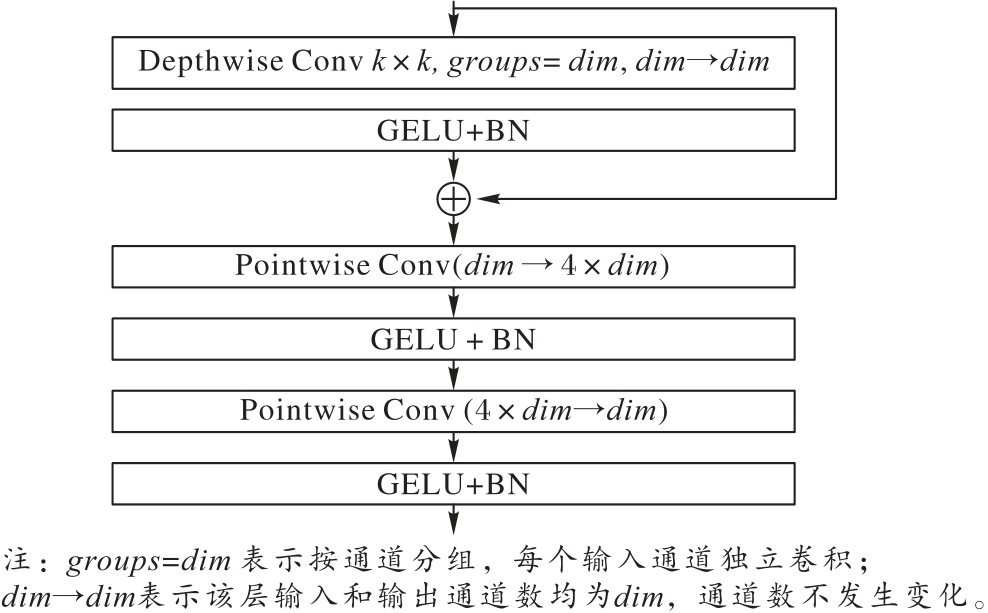
Fig. 2 CMUNeXt Block structure
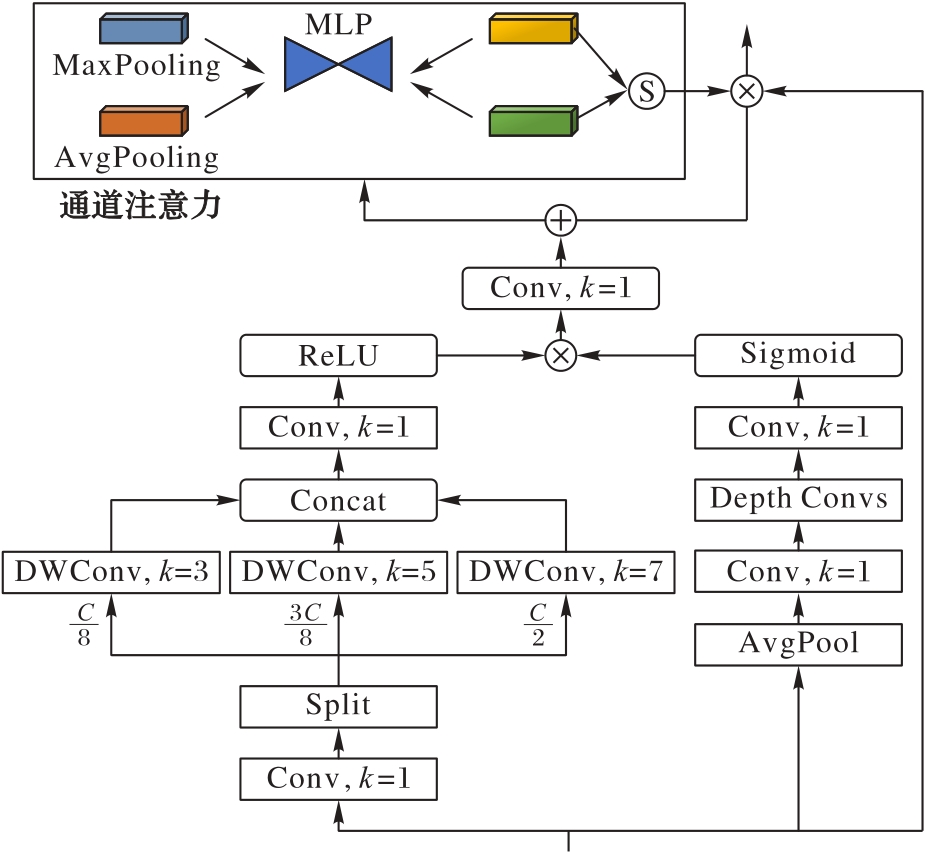
Fig. 3 Structure of MSFA

Fig.4 Structure of CAFM Fusion
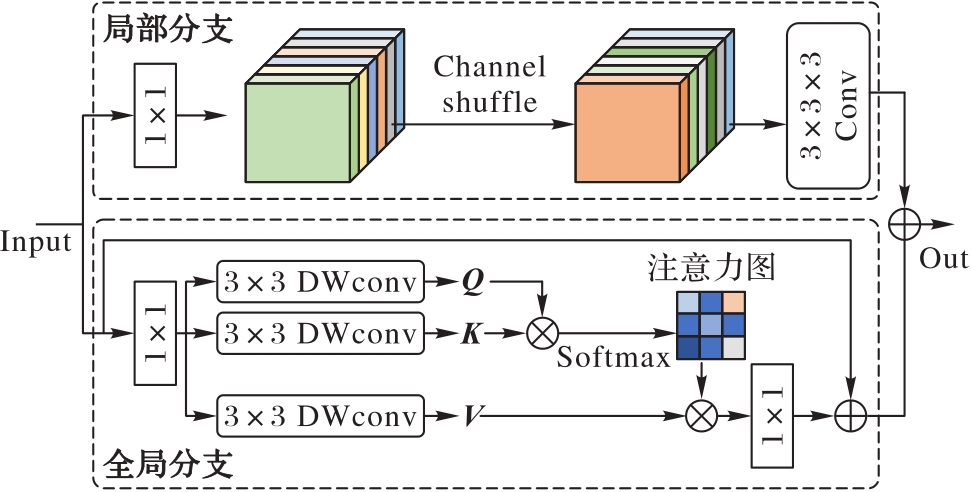
Fig. 5 Structure of CAFM
| 数据集 | 分辨率 | 样本数 | ||||
|---|---|---|---|---|---|---|
正常 眼 | 青光 眼 | 总数 | 训练 集 | 测试集 | ||
| REFUGE | 2 056×2 124 | 360 | 40 | 400 | 320 | 80 |
| DRISHITI-GS | 2 896×1 944 | 31 | 70 | 101 | 50 | 51 |
| RIM-ONE-r3 | 2 144×1 424 | 85 | 74 | 159 | 99 | 60 |
Tab. 2 Details of experimental datasets
| 数据集 | 分辨率 | 样本数 | ||||
|---|---|---|---|---|---|---|
正常 眼 | 青光 眼 | 总数 | 训练 集 | 测试集 | ||
| REFUGE | 2 056×2 124 | 360 | 40 | 400 | 320 | 80 |
| DRISHITI-GS | 2 896×1 944 | 31 | 70 | 101 | 50 | 51 |
| RIM-ONE-r3 | 2 144×1 424 | 85 | 74 | 159 | 99 | 60 |
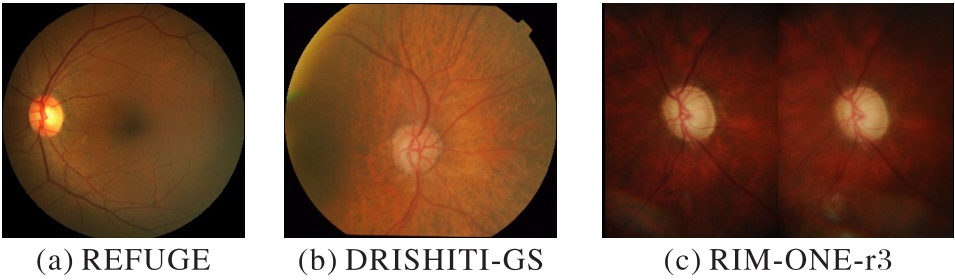
Fig. 6 Examples of experimental datasets
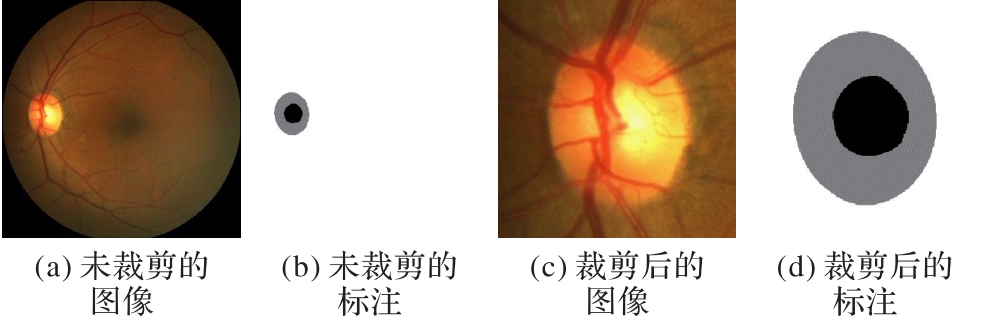
Fig. 7 Schematic diagram of cropping ROI
| k-fold | REFUGE | DRISHITI-GS | RIM-ONE-r3 | |||||||||||||||
|---|---|---|---|---|---|---|---|---|---|---|---|---|---|---|---|---|---|---|
| 视杯 | 视盘 | 视杯 | 视盘 | 视杯 | 视盘 | |||||||||||||
| Dice/% | IoU/% | ACC/% | Dice/% | IoU/% | ACC/% | Dice/% | IoU/% | ACC/% | Dice/% | IoU/% | ACC/% | Dice/% | IoU/% | ACC/% | Dice/% | IoU/% | ACC/% | |
| 平均 | 89.69 | 81.42 | 98.58 | 96.73 | 93.47 | 98.05 | 86.87 | 77.03 | 94.21 | 96.31 | 92.92 | 96.72 | 82.12 | 69.89 | 97.63 | 95.54 | 91.29 | 97.82 |
| 0 | 90.2 | 82.21 | 98.69 | 96.57 | 93.37 | 98.02 | 88.49 | 79.38 | 95.02 | 96.62 | 93.56 | 97.06 | 83.19 | 71.32 | 97.65 | 94.94 | 90.38 | 97.58 |
| 1 | 90.86 | 83.37 | 98.77 | 97.32 | 93.79 | 98.12 | 81.01 | 68.34 | 91.14 | 95.49 | 91.38 | 96.00 | 83.69 | 72.28 | 97.93 | 96.87 | 92.97 | 98.32 |
| 2 | 87.62 | 78.10 | 98.18 | 96.62 | 93.48 | 98.04 | 88.34 | 79.22 | 95.01 | 96.64 | 93.51 | 97.02 | 81.79 | 69.27 | 97.57 | 96.07 | 92.45 | 98.11 |
| 3 | 90.04 | 81.98 | 98.66 | 96.53 | 93.30 | 98.03 | 85.97 | 75.52 | 93.92 | 95.88 | 92.10 | 96.24 | 80.37 | 67.49 | 97.47 | 94.59 | 89.76 | 97.43 |
| 4 | 89.72 | 81.44 | 98.62 | 96.59 | 93.41 | 98.02 | 90.52 | 82.71 | 95.96 | 96.91 | 94.01 | 97.30 | 81.57 | 69.07 | 97.51 | 95.22 | 90.90 | 97.68 |
Tab. 3 Five-fold cross-validation results
| k-fold | REFUGE | DRISHITI-GS | RIM-ONE-r3 | |||||||||||||||
|---|---|---|---|---|---|---|---|---|---|---|---|---|---|---|---|---|---|---|
| 视杯 | 视盘 | 视杯 | 视盘 | 视杯 | 视盘 | |||||||||||||
| Dice/% | IoU/% | ACC/% | Dice/% | IoU/% | ACC/% | Dice/% | IoU/% | ACC/% | Dice/% | IoU/% | ACC/% | Dice/% | IoU/% | ACC/% | Dice/% | IoU/% | ACC/% | |
| 平均 | 89.69 | 81.42 | 98.58 | 96.73 | 93.47 | 98.05 | 86.87 | 77.03 | 94.21 | 96.31 | 92.92 | 96.72 | 82.12 | 69.89 | 97.63 | 95.54 | 91.29 | 97.82 |
| 0 | 90.2 | 82.21 | 98.69 | 96.57 | 93.37 | 98.02 | 88.49 | 79.38 | 95.02 | 96.62 | 93.56 | 97.06 | 83.19 | 71.32 | 97.65 | 94.94 | 90.38 | 97.58 |
| 1 | 90.86 | 83.37 | 98.77 | 97.32 | 93.79 | 98.12 | 81.01 | 68.34 | 91.14 | 95.49 | 91.38 | 96.00 | 83.69 | 72.28 | 97.93 | 96.87 | 92.97 | 98.32 |
| 2 | 87.62 | 78.10 | 98.18 | 96.62 | 93.48 | 98.04 | 88.34 | 79.22 | 95.01 | 96.64 | 93.51 | 97.02 | 81.79 | 69.27 | 97.57 | 96.07 | 92.45 | 98.11 |
| 3 | 90.04 | 81.98 | 98.66 | 96.53 | 93.30 | 98.03 | 85.97 | 75.52 | 93.92 | 95.88 | 92.10 | 96.24 | 80.37 | 67.49 | 97.47 | 94.59 | 89.76 | 97.43 |
| 4 | 89.72 | 81.44 | 98.62 | 96.59 | 93.41 | 98.02 | 90.52 | 82.71 | 95.96 | 96.91 | 94.01 | 97.30 | 81.57 | 69.07 | 97.51 | 95.22 | 90.90 | 97.68 |
| 模型 | REFUGE | DRISHITI-GS | RIM-ONE-r3 | |||||||||||||||
|---|---|---|---|---|---|---|---|---|---|---|---|---|---|---|---|---|---|---|
| 视杯 | 视盘 | 视杯 | 视盘 | 视杯 | 视盘 | |||||||||||||
| Dice | IoU | ACC | Dice | IoU | ACC | Dice | IoU | ACC | Dice | IoU | ACC | Dice | IoU | ACC | Dice | IoU | ACC | |
| U-Net | 81.52 | 68.87 | 97.83 | 95.57 | 91.52 | 97.46 | 84.21 | 73.00 | 93.66 | 95.58 | 91.53 | 96.51 | 76.53 | 62.53 | 96.79 | 90.38 | 82.53 | 95.59 |
| U-Net+ | 95.86 | 92.04 | 97.65 | 85.32 | 74.69 | 94.26 | 95.94 | 93.07 | 96.23 | 95.12 | 90.69 | 97.67 | ||||||
| UNeXt | 87.01 | 77.02 | 98.14 | 98.14 | 96.05 | 92.40 | 97.72 | 72.89 | 57.51 | 96.52 | 94.82 | 90.17 | 97.54 | |||||
| Att-Unet | 83.28 | 71.40 | 97.40 | 95.67 | 91.70 | 97.52 | 82.97 | 70.94 | 92.81 | 95.68 | 91.73 | 96.08 | 74.51 | 60.54 | 96.76 | 90.67 | 83.05 | 95.70 |
| TransUnet | 86.81 | 76.74 | 98.05 | 95.86 | 92.06 | 97.66 | 85.99 | 75.62 | 93.69 | 97.23 | 76.64 | 62.18 | 96.89 | |||||
| LMF-Net | 90.86 | 83.37 | 98.77 | 97.32 | 93.79 | 98.12 | 90.52 | 82.71 | 97.19 | 94.21 | 83.69 | 72.28 | 97.93 | 96.87 | 92.97 | 98.32 | ||
Tab. 4 Performance comparison on 3 experimental datasets among different models
| 模型 | REFUGE | DRISHITI-GS | RIM-ONE-r3 | |||||||||||||||
|---|---|---|---|---|---|---|---|---|---|---|---|---|---|---|---|---|---|---|
| 视杯 | 视盘 | 视杯 | 视盘 | 视杯 | 视盘 | |||||||||||||
| Dice | IoU | ACC | Dice | IoU | ACC | Dice | IoU | ACC | Dice | IoU | ACC | Dice | IoU | ACC | Dice | IoU | ACC | |
| U-Net | 81.52 | 68.87 | 97.83 | 95.57 | 91.52 | 97.46 | 84.21 | 73.00 | 93.66 | 95.58 | 91.53 | 96.51 | 76.53 | 62.53 | 96.79 | 90.38 | 82.53 | 95.59 |
| U-Net+ | 95.86 | 92.04 | 97.65 | 85.32 | 74.69 | 94.26 | 95.94 | 93.07 | 96.23 | 95.12 | 90.69 | 97.67 | ||||||
| UNeXt | 87.01 | 77.02 | 98.14 | 98.14 | 96.05 | 92.40 | 97.72 | 72.89 | 57.51 | 96.52 | 94.82 | 90.17 | 97.54 | |||||
| Att-Unet | 83.28 | 71.40 | 97.40 | 95.67 | 91.70 | 97.52 | 82.97 | 70.94 | 92.81 | 95.68 | 91.73 | 96.08 | 74.51 | 60.54 | 96.76 | 90.67 | 83.05 | 95.70 |
| TransUnet | 86.81 | 76.74 | 98.05 | 95.86 | 92.06 | 97.66 | 85.99 | 75.62 | 93.69 | 97.23 | 76.64 | 62.18 | 96.89 | |||||
| LMF-Net | 90.86 | 83.37 | 98.77 | 97.32 | 93.79 | 98.12 | 90.52 | 82.71 | 97.19 | 94.21 | 83.69 | 72.28 | 97.93 | 96.87 | 92.97 | 98.32 | ||
| 模型 | 参数量/106 | 计算量/ GFLOPs | 模型 | 参数量/106 | 计算量/ GFLOPs |
|---|---|---|---|---|---|
| U-Net | 34.53 | 65.53 | Att-Unet | 34.88 | 66.64 |
| U-Net+ | 26.91 | 37.64 | TransUnet | 105.32 | 32.25 |
| UNeXt | 1.47 | 0.58 | LMF-Net | 2.59 | 6.11 |
Tab. 5 Comparison of model parameters and computational complexity among different models
| 模型 | 参数量/106 | 计算量/ GFLOPs | 模型 | 参数量/106 | 计算量/ GFLOPs |
|---|---|---|---|---|---|
| U-Net | 34.53 | 65.53 | Att-Unet | 34.88 | 66.64 |
| U-Net+ | 26.91 | 37.64 | TransUnet | 105.32 | 32.25 |
| UNeXt | 1.47 | 0.58 | LMF-Net | 2.59 | 6.11 |
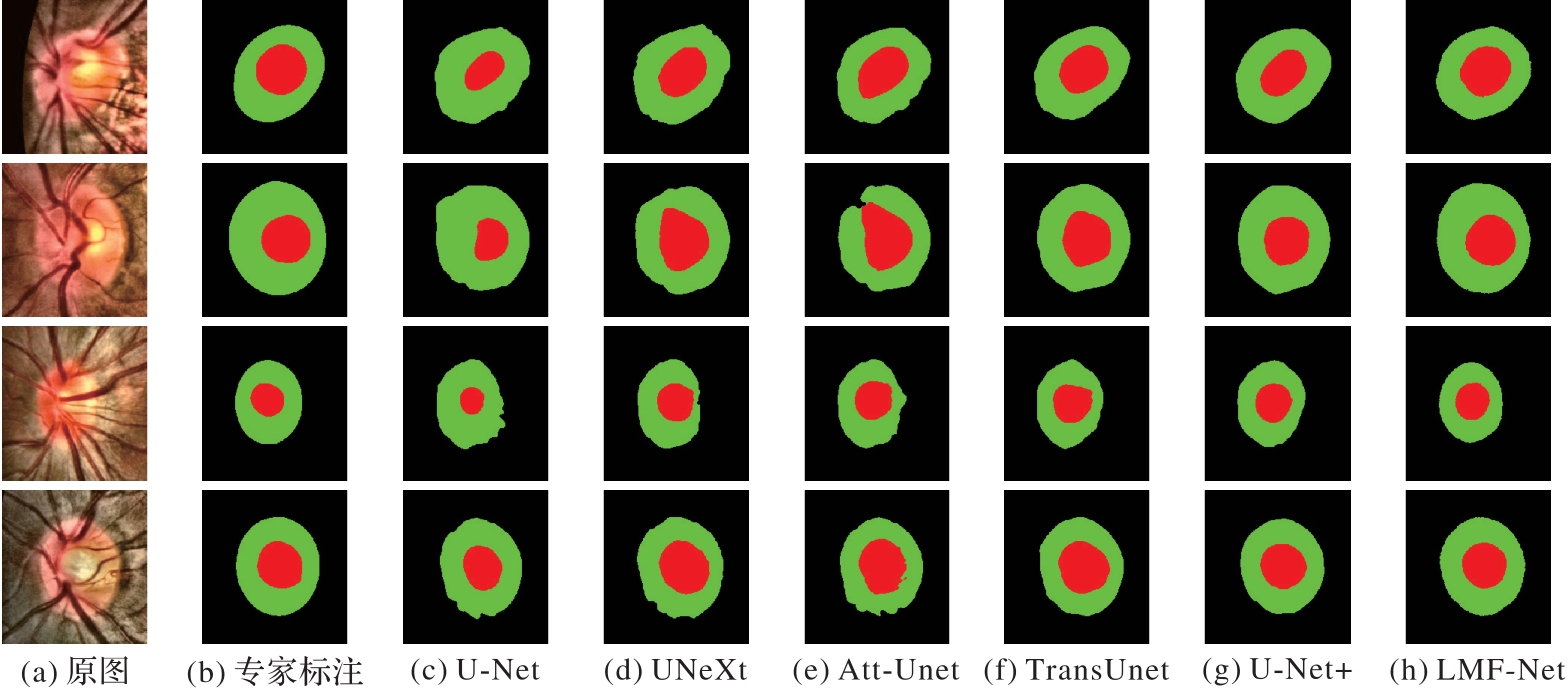
Fig. 8 Visualization comparison results of REFUGE dataset
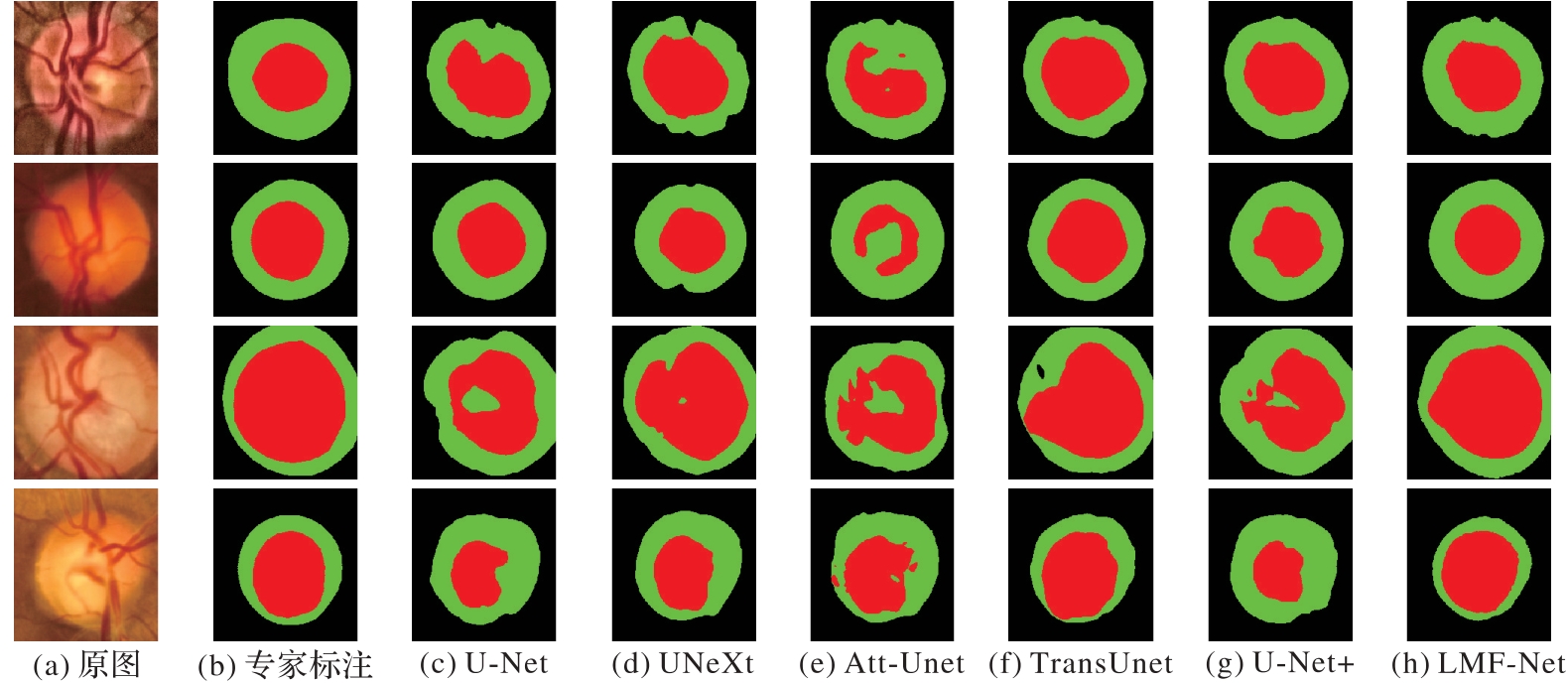
Fig. 9 Visualization comparison results of DRISHITI-GS dataset
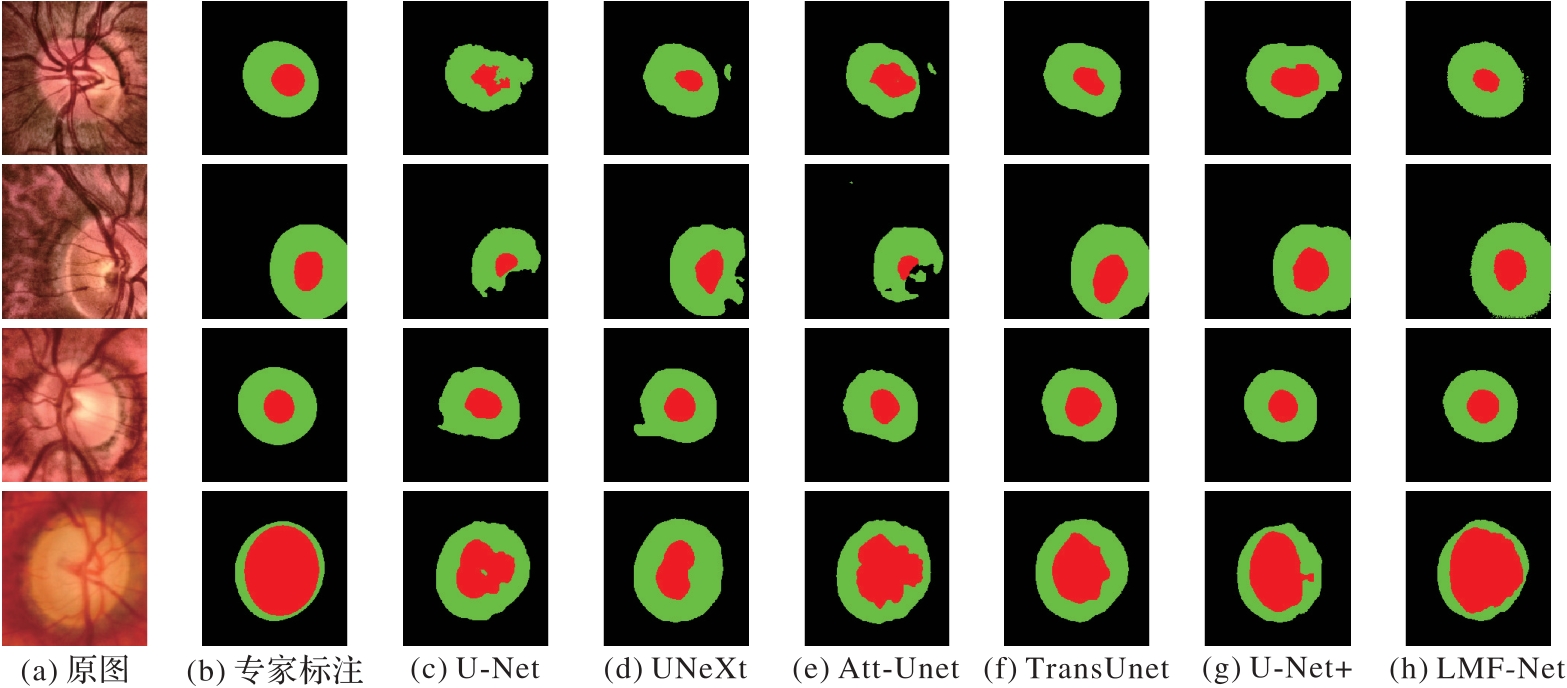
Fig. 10 Visualization comparison results of RIM-ONE-r3 dataset
| 模型 | 视杯 | 视盘 | ||||
|---|---|---|---|---|---|---|
| Dice | IoU | ACC | Dice | IoU | ACC | |
| Baseline | 86.91 | 76.96 | 97.91 | 94.90 | 90.32 | 97.89 |
| Baseline+MSFA | 87.88 | 78.59 | 98.32 | 95.56 | 91.51 | 98.02 |
| Baseline+CAFM Fusion | 88.09 | 78.81 | 98.51 | 96.00 | 92.32 | 98.07 |
| LMF-Net | 90.86 | 83.37 | 98.77 | 97.32 | 93.79 | 98.12 |
Tab. 6 Ablation experimental results on REFUGE dataset
| 模型 | 视杯 | 视盘 | ||||
|---|---|---|---|---|---|---|
| Dice | IoU | ACC | Dice | IoU | ACC | |
| Baseline | 86.91 | 76.96 | 97.91 | 94.90 | 90.32 | 97.89 |
| Baseline+MSFA | 87.88 | 78.59 | 98.32 | 95.56 | 91.51 | 98.02 |
| Baseline+CAFM Fusion | 88.09 | 78.81 | 98.51 | 96.00 | 92.32 | 98.07 |
| LMF-Net | 90.86 | 83.37 | 98.77 | 97.32 | 93.79 | 98.12 |
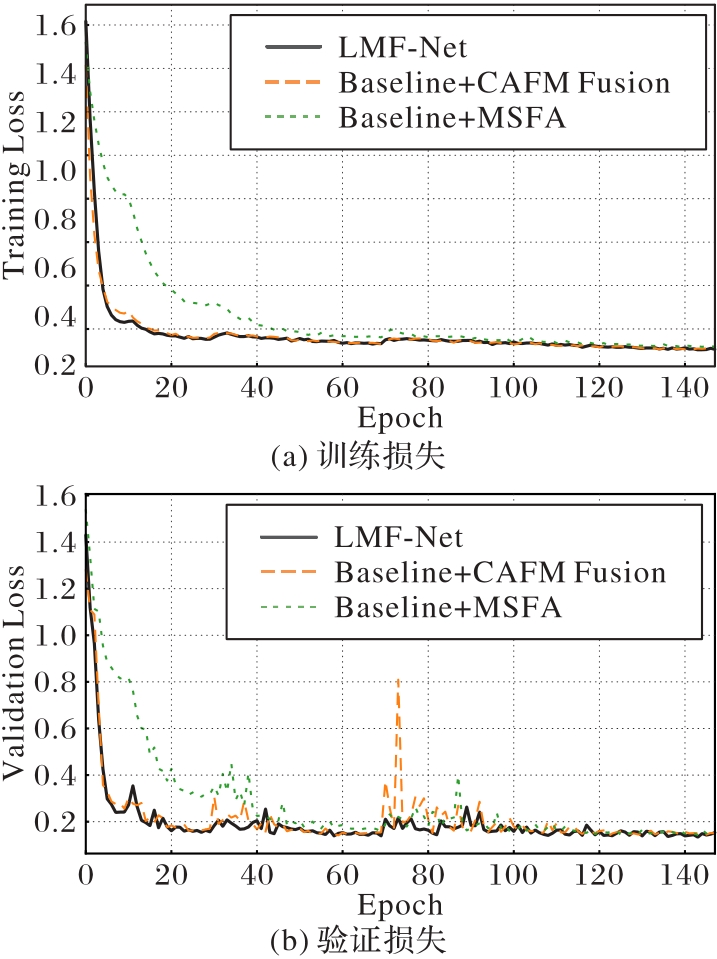
Fig. 11 Training loss and validation loss curves
| [1] | Haider A, Arsalan M, Lee M B, et al. Artificial intelligence-based computer-aided diagnosis of glaucoma using retinal fundus images[J]. Expert Systems with Applications, 2022, 207: No.117968. |
| [2] | World Health Organization. World report on vision[R/OL]. [2025-08-08]. . |
| [3] | Ma X, Cao G, Chen Y. A review of optic disc and optic cup segmentation based on fundus images[J]. IET Image Processing, 2024, 18(10): 2521-2539. |
| [4] | Doan D, Ho P T T, Nguyen T T, et al. Implementation of complete glaucoma diagnostic system using machine learning and retinal fundus image processing[C]// ACOMPA 2022. Piscataway: IEEE, 2022: 66-71. |
| [5] | Jiang Y, Duan L, Cheng J, et al. JointRCNN: a region-based convolutional neural network for optic disc and cup segmentation[J]. IEEE Transactions on Biomedical Engineering, 2020, 67(2): 335-343. |
| [6] | Wagganavar P B, Shreenivasa A, Adappa K, et al. Optic nerve head and retinal nerve fiber layer changes by spectral domain optical coherence tomography in glaucoma suspects at tertiary care hospital[J]. Journal of Medical and Scientific Research, 2024, 12(3): 218-222. |
| [7] | Zhu P, He S, Shi D, et al. Association of optic disc parameters and glaucoma incidence based on automated segmentation, evidence from the UK Biobank[PP/OL]. medRxiv (2023-11-07) [2025-08-08]. . |
| [8] | Stein J D, Khawaja A P, Weizer J S. Glaucoma in adults — screening, diagnosis, and management: a review[J]. JAMA, 2021, 325(2): 164-174. |
| [9] | Roychowdhury S, Koozekanani D D, Kuchinka S N, et al. Optic disc boundary and vessel origin segmentation of fundus images[J]. IEEE Journal of Biomedical and Health Informatics, 2016, 20(6): 1562-1574. |
| [10] | Joshi G D, Sivaswamy J, Krishnadas S R. Optic disk and cup segmentation from monocular color retinal images for glaucoma assessment[J]. IEEE Transactions on Medical Imaging, 2011, 30(6): 1192-1205. |
| [11] | Soorya M, Issac A, Dutta M K. An automated and robust image processing algorithm for glaucoma diagnosis from fundus images using novel blood vessel tracking and bend point detection[J]. International Journal of Medical Informatics, 2018, 110: 52-70. |
| [12] | Thakur N, Juneja M. Optic disc and optic cup segmentation from retinal images using hybrid approach[J]. Expert Systems with Applications, 2019, 127: 308-322. |
| [13] | Zheng Y, Stambolian D, O’Brien J, et al. Optic disc and cup segmentation from color fundus photograph using graph cut with priors[C]// MICCAI 2013, LNCS 8150. Berlin: Springer, 2013: 75-82. |
| [14] | Li T, Bo W, Hu C, et al. Applications of deep learning in fundus images: a review[J]. Medical Image Analysis, 2021, 69: No.101971. |
| [15] | Ronneberger O, Fischer P, Brox T. U-Net: convolutional networks for biomedical image segmentation[C]// MICCAI 2015, LNCS 9351. Cham: Springer, 2015: 234-241. |
| [16] | Al-Bander B, Williams B, Al-Nuaimy W, et al. Dense fully convolutional segmentation of the optic disc and cup in colour fundus for glaucoma diagnosis[J]. Symmetry, 2018, 10(4): No.87. |
| [17] | Gu Z, Cheng J, Fu H, et al. CE-Net: context encoder network for 2D medical image segmentation[J]. IEEE Transactions on Medical Imaging, 2019, 38(10): 2281-2292. |
| [18] | Fu H, Cheng J, Xu Y, et al. Joint optic disc and cup segmentation based on multi-label deep network and polar transformation[J]. IEEE Transactions on Medical Imaging, 2018, 37(7): 1597-1605. |
| [19] | Sevastopolsky A, Drapak S, Kiselev K, et al. Stack-U-Net: refinement network for image segmentation on the example of optic disc and cup[PP/OL]. V2. arXiv (2018-11-21) [2025-08-10]. . |
| [20] | Hasan M K, Alam M A, Elahi M T E, et al. DRNet: segmentation and localization of optic disc and Fovea from diabetic retinopathy image[J]. Artificial Intelligence in Medicine, 2021, 111: No.102001. |
| [21] | Zheng X, He Y, Yuan H, et al. DHA-Net: an encoder-decoder network fusing multi-scale features for optic disc segmentation[C]// I2MTC 2023. Piscataway: IEEE, 2023: 1-6. |
| [22] | Zhou W, Peng Y, Ji J, et al. RMSDSC-Net: a robust multiscale feature extraction with depthwise separable convolution network for optic disc and cup segmentation[J]. International Journal of Intelligent Systems, 2022, 37(12): 11482-11505. |
| [23] | Meas C, Guo W, Miah M H. Multi-scale attention U-Net for optic disc and optic cup segmentation in retinal fundus images[C]// InCACCT 2024. Piscataway: IEEE, 2024: 760-765. |
| [24] | Yan S, Pan X, Wang Y. MRSNet: joint consistent optic disc and cup segmentation based on large kernel residual convolutional attention and self-attention[J]. Digital Signal Processing, 2024, 145: No.104308. |
| [25] | Zedan M J M, Raihanah Abdani S, Lee J, et al. RMHA-Net: robust optic disc and optic cup segmentation based on residual multiscale feature extraction with hybrid attention networks[J]. IEEE Access, 2025, 13: 7715-7735. |
| [26] | Trigka M, Dritsas E. A comprehensive survey of deep learning approaches in image processing[J]. Sensors, 2025, 25(2): No.531. |
| [27] | Tang F, Ding J, Quan Q, et al. CMUNEXT: an efficient medical image segmentation network based on large kernel and skip fusion[C]// ISBI 2024. Piscataway: IEEE, 2024: 1-5. |
| [28] | Trockman A, Kolter J Z. Patches are all you need?[PP/OL]. arXiv (2022-01-24) [2025-08-08]. . |
| [29] | Zhou H, Luo F, Zhuang H, et al. Attention multihop graph and multiscale convolutional fusion network for hyperspectral image classification[J]. IEEE Transactions on Geoscience and Remote Sensing, 2023, 61: No.5508614. |
| [30] | Orlando J I, Fu H, Barbosa Breda J, et al. REFUGE Challenge: a unified framework for evaluating automated methods for glaucoma assessment from fundus photographs[J]. Medical Image Analysis, 2020, 59: No.101570. |
| [31] | Zhang Z, Yin F S, Liu J, et al. ORIGA-light: an online retinal fundus image database for glaucoma analysis and research[C]// EMBC 2010. Piscataway: IEEE, 2010: 3065-3068. |
| [32] | Fumero Batista F J, Diaz-Aleman T, Sigut J, et al. RIM-ONE DL: a unified retinal image database for assessing glaucoma using deep learning[J]. Image Analysis and Stereology, 2020, 39(3): 161-167. |
| [1] | Lixia XIE, Chaoyue CAO, Hongyu YANG. ADS-B attack detection method based on improved DeepLabV3+ [J]. Journal of Computer Applications, 2026, 46(9): 2867-2876. |
| [2] | Jiangyan CHEN, Yandan WANG, Yihu LIU, Yinglong MA. Collaborative query optimization-based framework for long-tailed object detection [J]. Journal of Computer Applications, 2026, 46(9): 2769-2775. |
| [3] | Yufeng OU, Chia-Hung WANG. Small-object defect detection method for printed circuit boards based on dual-branch feature extraction [J]. Journal of Computer Applications, 2026, 46(9): 2977-2986. |
| [4] | Changqing JI, Ziying ZHANG, Zumin WANG. Continuous non-invasive blood pressure prediction method based on multi-scale Transformer with enhanced graph neural network [J]. Journal of Computer Applications, 2026, 46(9): 3043-3053. |
| [5] | Yimin ZHOU, Wenhui FU, Jie LUO, Juan WANG. End‑to‑end robust video watermarking against screen‑recapturing attacks based on spatio-temporal feature enhancement network [J]. Journal of Computer Applications, 2026, 46(9): 2889-2897. |
| [6] | Wei CUI, Ping ZHANG, Zhuoling XIAO, Zhuohang CHEN. Incremental semantic mapping system based on visual SLAM [J]. Journal of Computer Applications, 2026, 46(9): 2800-2808. |
| [7] | Yifan WANG, Hu HAN, Dong LI, Yating FAN, Lin LI. Heterogeneous enhancement and multi-source knowledge fusion for aspect-based sentiment analysis [J]. Journal of Computer Applications, 2026, 46(9): 2752-2760. |
| [8] | Shang LIU, Zhaosen TANG, Hongyue LIU, Linfang DONG, Jin ZHOU. Multimodal sentiment analysis model for missing modalities under shared semantic conditions [J]. Journal of Computer Applications, 2026, 46(9): 2761-2768. |
| [9] | Jielong BAI, Chenyun FANG, Zhiwei QIAO. Sparse CT artifact suppresion Transformer network based on multi-scale attention adaptive fusion [J]. Journal of Computer Applications, 2026, 46(8): 2660-2667. |
| [10] | Guanghui LI, Licheng QU. Dynamic dilated convolution and hierarchical local-global attention model based on improved Lite-Mono architecture [J]. Journal of Computer Applications, 2026, 46(8): 2567-2576. |
| [11] | Yuanhang HUANG, Na RONG. Model-free photovoltaic hosting capacity assessment method using attention mechanism and deep reinforcement learning [J]. Journal of Computer Applications, 2026, 46(8): 2708-2715. |
| [12] | Lin HUANG, Yingshun LI, Weiyan TONG, Shuyuan ZHANG, Zihan WANG. Remote sensing image object detection algorithm based on improved real-time detection Transformer [J]. Journal of Computer Applications, 2026, 46(8): 2652-2659. |
| [13] | Xiaojin GUO, Xuyang SUI, Kenan ZHOU. Channel estimation of STAR-RIS-assisted hybrid-field communication system based on deep learning [J]. Journal of Computer Applications, 2026, 46(8): 2548-2554. |
| [14] | Xinliang LIU, Yushi XU, Dubai LI, Yanzhao REN. Survey of knowledge graph-based question answering methods [J]. Journal of Computer Applications, 2026, 46(8): 2394-2410. |
| [15] | Wei LIU, Weigang LI, Zhiqiang TIAN. Representation learning method of hierarchical rotation-invariant geometric structure for point cloud classification and segmentation [J]. Journal of Computer Applications, 2026, 46(8): 2594-2602. |
| Viewed | ||||||
|
Full text |
|
|||||
|
Abstract |
|
|||||
