


Journal of Computer Applications ›› 2026, Vol. 46 ›› Issue (5): 1684-1691.DOI: 10.11772/j.issn.1001-9081.2025050593
• Frontier and comprehensive applications • Previous Articles
Miaomiao YUAN1, Yihong CHU2, Guanjun YIN2, Chunhua DENG1,2( )
)
Received:2025-05-29
Revised:2025-07-25
Accepted:2025-08-26
Online:2025-08-28
Published:2026-05-10
Contact:
Chunhua DENG
About author:YUAN Miaomiao, born in 1999, M. S. candidate. Her research interests include computer vision, machine learning.Supported by:
袁淼淼1, 褚毅宏2, 尹冠军2, 邓春华1,2()
通讯作者:
邓春华
作者简介:袁淼淼(1999—),女,湖北荆州人,硕士研究生,主要研究方向:计算机视觉、机器学习基金资助:CLC Number:
Miaomiao YUAN, Yihong CHU, Guanjun YIN, Chunhua DENG. High-precision recognition method for imperfect grain images based on TransNeXt[J]. Journal of Computer Applications, 2026, 46(5): 1684-1691.
袁淼淼, 褚毅宏, 尹冠军, 邓春华. 基于TransNeXt的粮食不完善粒图像高精度识别方法[J]. 《计算机应用》唯一官方网站, 2026, 46(5): 1684-1691.
Add to citation manager EndNote|Ris|BibTeX
URL: https://www.joca.cn/EN/10.11772/j.issn.1001-9081.2025050593
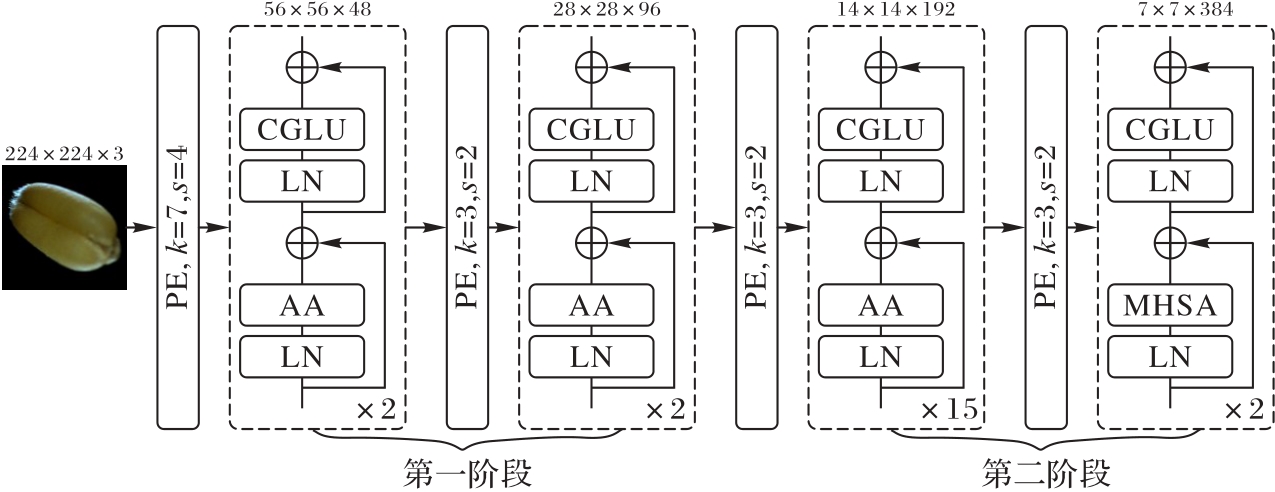
Fig. 1 Structure of TransNeXt
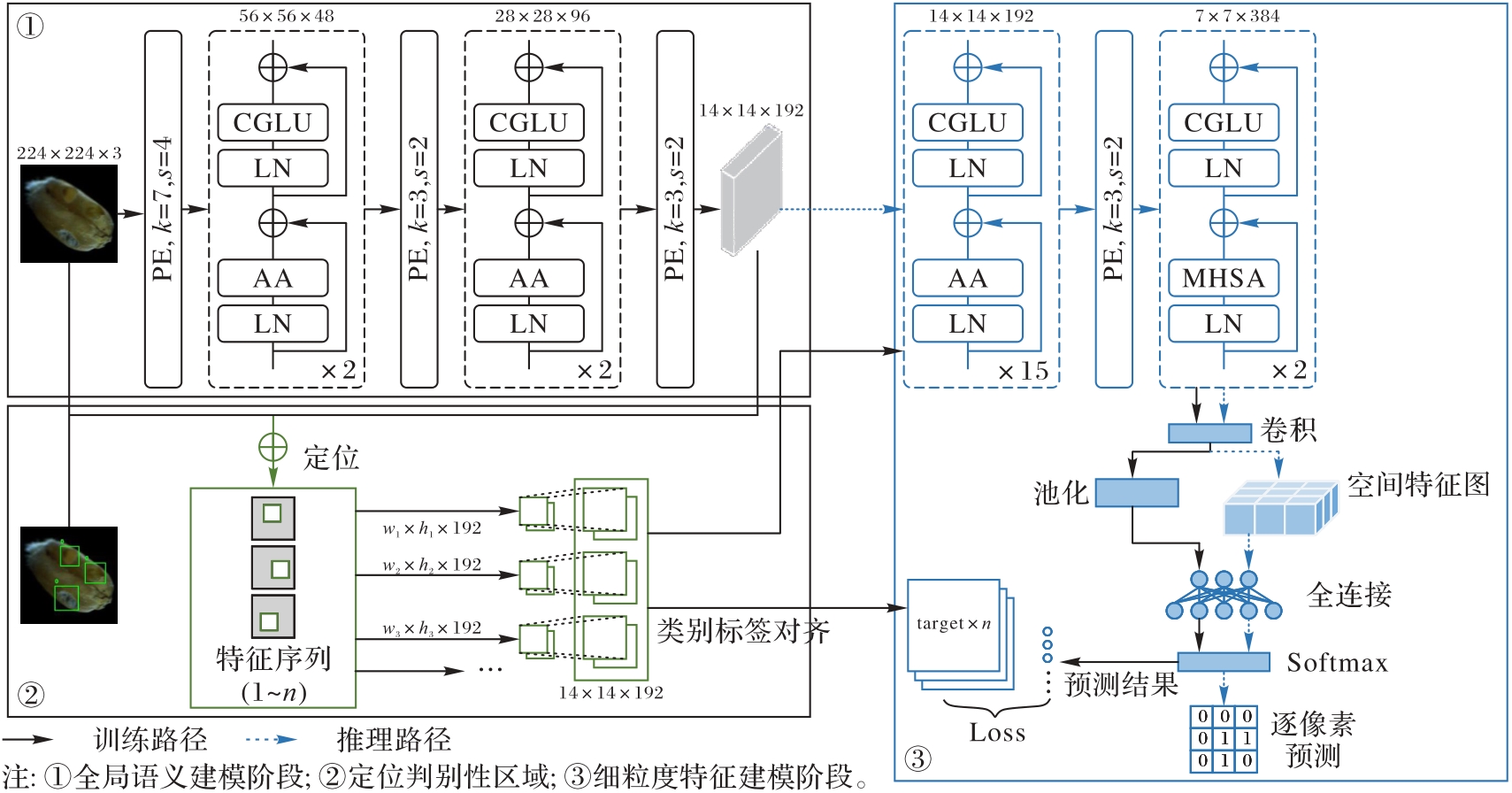
Fig. 2 Structure of proposed two-stage modeling framework
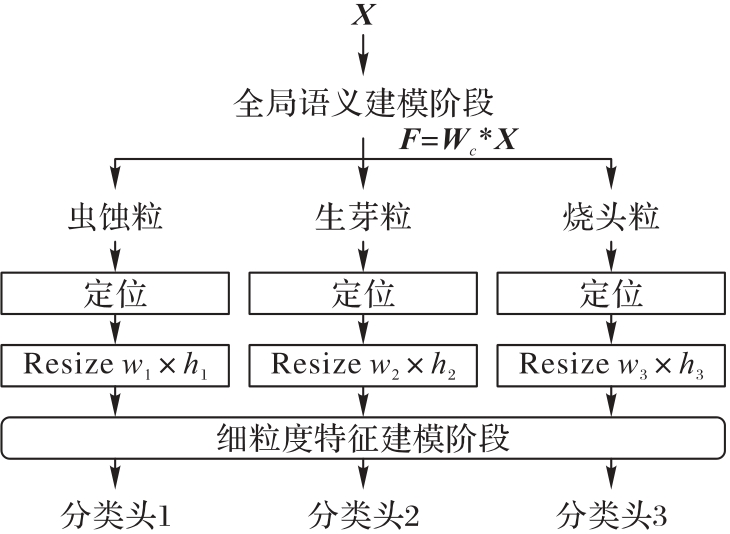
Fig. 3 Structure of multi-branch extension
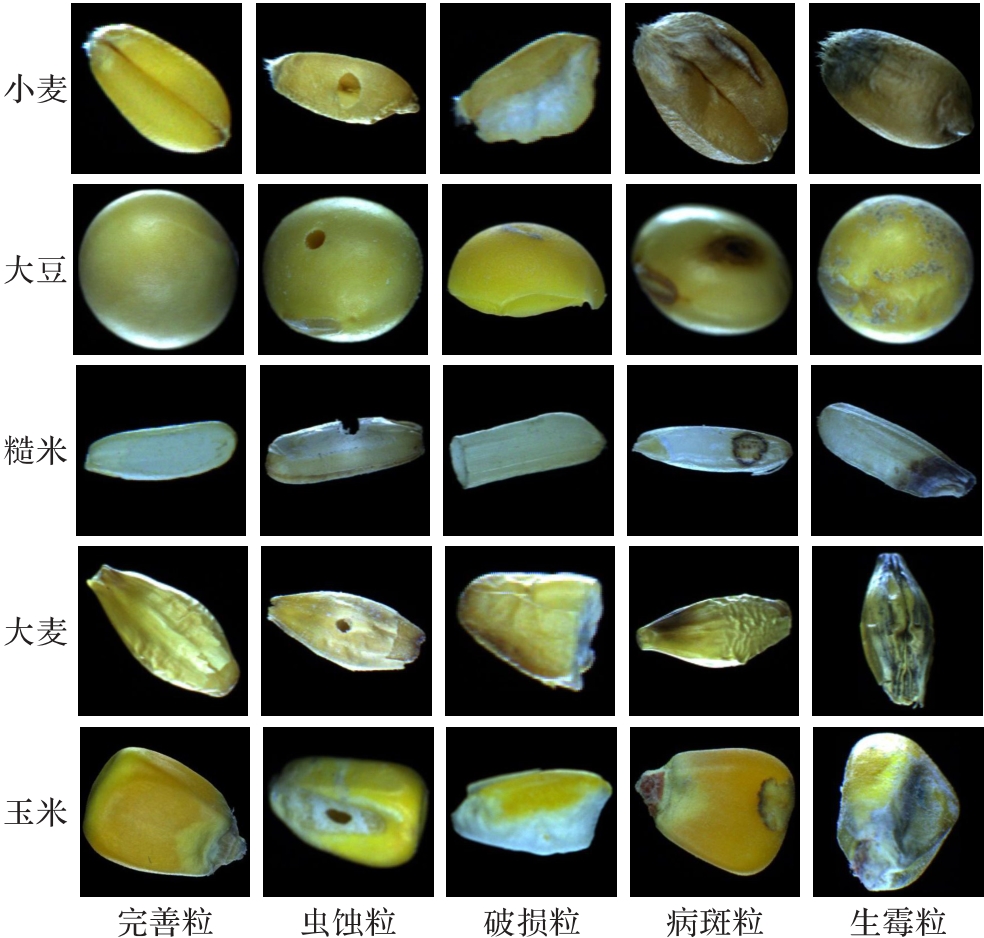
Fig. 4 Representative image samples of selected grain types and imperfect grain categories with clearly distinguishable features
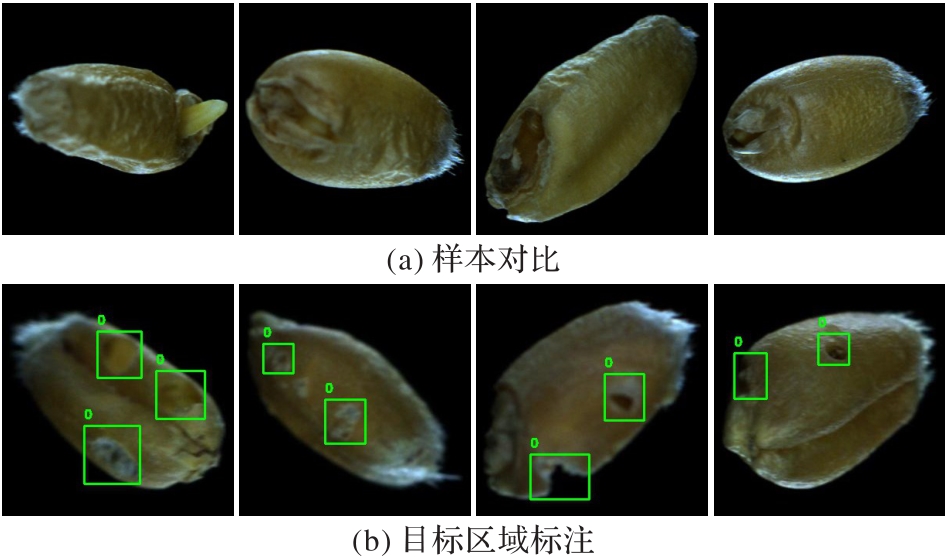
Fig. 5 Comparison between easy-to-distinguish and difficult-to-distinguish samples with annotated target regions
| 方法 | 准确率 | 精确率 | 召回率 | F1分数 |
|---|---|---|---|---|
| ResNet-50[ | 99.03 | 99.06 | 99.03 | 99.04 |
| EfficientNet-B3[ | 99.23 | 99.24 | 99.23 | 99.23 |
| RegNetX-3.2GF[ | 99.27 | 99.28 | 99.27 | 99.27 |
| ConvNeXt-T[ | 99.45 | 99.46 | 99.45 | 99.45 |
| DeiT-S[ | 99.21 | 99.23 | 99.21 | 99.22 |
| Swin-T[ | 99.41 | 99.43 | 99.41 | 99.42 |
| FasterViT-0[ | 99.26 | 99.27 | 99.26 | 99.26 |
| TransNeXt-Micro[ | 99.48 | 99.48 | 99.48 | 99.48 |
| 本文方法 | 99.62 | 99.61 | 99.62 | 99.61 |
Tab. 1 Performance comparison of proposed method and mainstream methods on test set
| 方法 | 准确率 | 精确率 | 召回率 | F1分数 |
|---|---|---|---|---|
| ResNet-50[ | 99.03 | 99.06 | 99.03 | 99.04 |
| EfficientNet-B3[ | 99.23 | 99.24 | 99.23 | 99.23 |
| RegNetX-3.2GF[ | 99.27 | 99.28 | 99.27 | 99.27 |
| ConvNeXt-T[ | 99.45 | 99.46 | 99.45 | 99.45 |
| DeiT-S[ | 99.21 | 99.23 | 99.21 | 99.22 |
| Swin-T[ | 99.41 | 99.43 | 99.41 | 99.42 |
| FasterViT-0[ | 99.26 | 99.27 | 99.26 | 99.26 |
| TransNeXt-Micro[ | 99.48 | 99.48 | 99.48 | 99.48 |
| 本文方法 | 99.62 | 99.61 | 99.62 | 99.61 |
| 粮食品种 | 虫蚀粒 | 生芽粒 | 烧头粒 | |||||||||
|---|---|---|---|---|---|---|---|---|---|---|---|---|
| Baseline | 本文方法 | Baseline | 本文方法 | Baseline | 本文方法 | |||||||
| 精确率 | 召回率 | 精确率 | 召回率 | 精确率 | 召回率 | 精确率 | 召回率 | 精确率 | 召回率 | 精确率 | 召回率 | |
| 小麦 | 98.47 | 98.79 | 98.25 | 99.84 | 98.58 | 98.57 | 99.73 | 99.75 | 98.71 | 98.65 | 98.71 | 99.83 |
| 高粱 | 98.85 | 98.85 | 99.05 | 99.43 | 99.90 | 99.61 | 99.90 | 99.71 | — | — | — | — |
| 糙米 | 86.67 | 81.25 | 93.33 | 87.50 | 98.80 | 96.93 | 98.58 | 98.87 | — | — | — | — |
| 大麦 | 99.58 | 99.66 | 99.98 | 99.98 | 91.53 | 95.05 | 94.80 | 97.25 | — | — | — | — |
| 玉米 | 94.81 | 92.70 | 97.97 | 93.97 | — | — | — | — | — | — | — | — |
| 大米 | 95.24 | 86.96 | 95.45 | 91.30 | — | — | — | — | — | — | — | — |
| 大豆 | 98.05 | 99.21 | 99.80 | 99.61 | — | — | — | — | — | — | — | — |
Tab. 2 Ablation experimental results on local guidance mechanism
| 粮食品种 | 虫蚀粒 | 生芽粒 | 烧头粒 | |||||||||
|---|---|---|---|---|---|---|---|---|---|---|---|---|
| Baseline | 本文方法 | Baseline | 本文方法 | Baseline | 本文方法 | |||||||
| 精确率 | 召回率 | 精确率 | 召回率 | 精确率 | 召回率 | 精确率 | 召回率 | 精确率 | 召回率 | 精确率 | 召回率 | |
| 小麦 | 98.47 | 98.79 | 98.25 | 99.84 | 98.58 | 98.57 | 99.73 | 99.75 | 98.71 | 98.65 | 98.71 | 99.83 |
| 高粱 | 98.85 | 98.85 | 99.05 | 99.43 | 99.90 | 99.61 | 99.90 | 99.71 | — | — | — | — |
| 糙米 | 86.67 | 81.25 | 93.33 | 87.50 | 98.80 | 96.93 | 98.58 | 98.87 | — | — | — | — |
| 大麦 | 99.58 | 99.66 | 99.98 | 99.98 | 91.53 | 95.05 | 94.80 | 97.25 | — | — | — | — |
| 玉米 | 94.81 | 92.70 | 97.97 | 93.97 | — | — | — | — | — | — | — | — |
| 大米 | 95.24 | 86.96 | 95.45 | 91.30 | — | — | — | — | — | — | — | — |
| 大豆 | 98.05 | 99.21 | 99.80 | 99.61 | — | — | — | — | — | — | — | — |
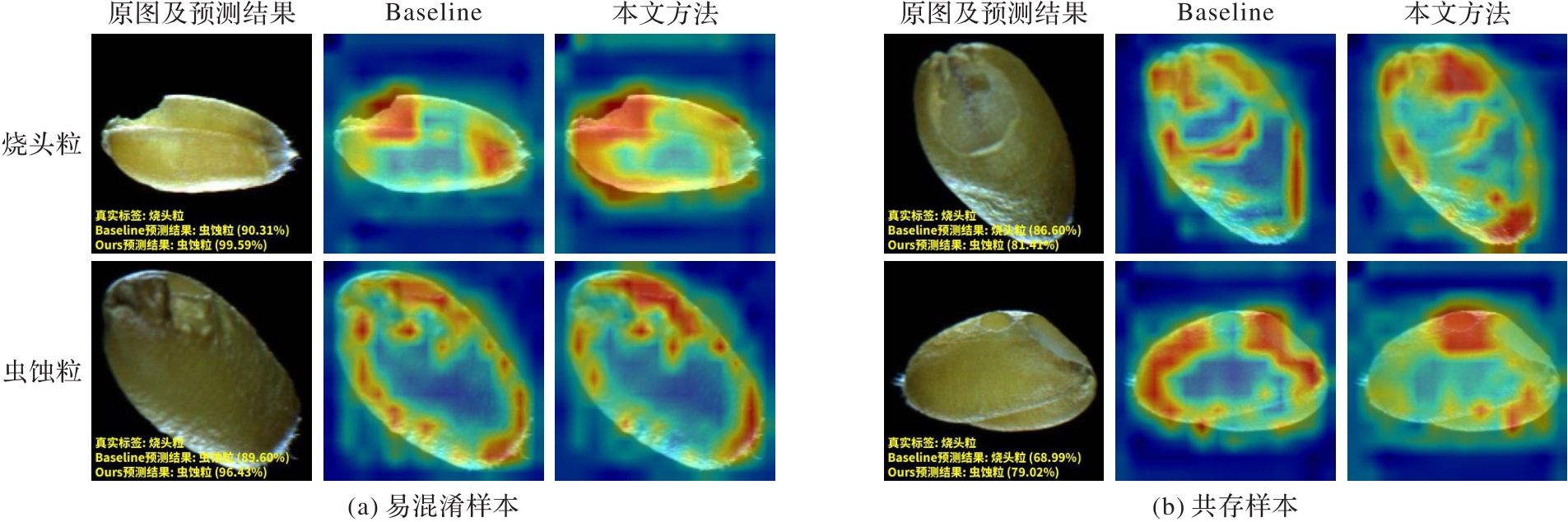
Fig. 6 Prediction results and Grad-CAM visualizations for easily confused samples (scorched vs. insect-damaged grains) and coexisting samples
| [1] | SHAO Y, GAO C, XUAN G, et al. Determination of damaged wheat kernels with hyperspectral imaging analysis[J]. International Journal of Agricultural and Biological Engineering, 2020, 13(5): 194-198. |
| [2] | HAN K, ZHANG N, XIE H, et al. An improved strategy of wheat kernel recognition based on deep learning[J]. DYNA, 2023, 98(1): 91-97. |
| [3] | 陈卫东,范冰冰,王莹,等.基于机器视觉的谷物品种识别研究进展[J].河南工业大学学报(自然科学版),2024,45(1):133-142. |
| CHEN W D, FAN B B, WANG Y, et al. Research progress of cereal variety identification based on machine vision[J]. Journal of Henan University of Technology (Natural Science Edition), 2024, 45(1): 133-142. | |
| [4] | 王昊,祝玉华,李智慧,等. 机器视觉在农作物种子检测中的研究进展[J]. 计算机工程与应用, 2023, 59(22): 69-83. |
| WANG H, ZHU Y H, LI Z H, et al. Research progress of machine vision in crop seed inspection[J]. Computer Engineering and Applications, 2023, 59(22): 69-83. | |
| [5] | LU J, TAN L, JIANG H. Review on Convolutional Neural Network (CNN) applied to plant leaf disease classification[J]. Agriculture, 2021, 11(8): No.707. |
| [6] | STRUDEL R, GARCIA R, LAPTEV I, et al. Segmenter: Transformer for semantic segmentation[C]// Proceedings of the 2021 IEEE/CVF International Conference on Computer Vision. Piscataway: IEEE, 2021: 7242-7252. |
| [7] | DOSOVITSKIY A, BEYER L, KOLESNIKOV A, et al. An image is worth 16x16 words: Transformers for image recognition at scale[EB/OL]. [2025-01-05].. |
| [8] | SHI D. TransNeXt: Robust foveal visual perception for vision transformers[C]// Proceedings of the 2024 IEEE/CVF Conference on Computer Vision and Pattern Recognition. Piscataway: IEEE, 2024: 17773-17783. |
| [9] | ZHU Y, WANG H, LI Z, et al. Detection of corn unsound kernels based on GAN sample enhancement and improved lightweight network[J]. Journal of Food Process Engineering, 2024, 47(1): No.e14499. |
| [10] | FU J, ZHENG H, MEI T. Look closer to see better: recurrent attention convolutional neural network for fine-grained image recognition[C]// Proceedings of the 2017 IEEE Conference on Computer Vision and Pattern Recognition. Piscataway: IEEE, 2017: 4476-4484. |
| [11] | KHAN A, VIBHUTE A D, MALI S, et al. A systematic review on hyperspectral imaging technology with a machine and deep learning methodology for agricultural applications[J]. Ecological Informatics, 2022, 69: No.101678. |
| [12] | 罗建豪,吴建鑫.基于深度卷积特征的细粒度图像分类研究综述[J].自动化学报,2017,43(8):1306-1318. |
| LUO J H, WU J X. A survey on fine-grained image categorization using deep convolutional features[J]. Acta Automatica Sinica, 2017, 43(8): 1306-1318. | |
| [13] | ZENG W, LI M. Crop leaf disease recognition based on self-attention convolutional neural network[J]. Computers and Electronics in Agriculture, 2020, 172: No.105341. |
| [14] | HU K, ZHANG H, LYU B, et al. Rapid detection of imperfect wheat grains based on deep learning technique[C]// Proceedings of the 2023 International Conference on Image Processing, Computer Vision and Machine Learning. Piscataway: IEEE, 2023: 821-828. |
| [15] | ZHOU Q, HUANG Z, ZHENG S, et al. A wheat spike detection method based on Transformer[J]. Frontiers in Plant Science, 2022, 13: No.1023924. |
| [16] | 贺杰安,吴晓红,何小海,等.结合图像增强和卷积神经网络的小麦不完善粒识别[J].计算机应用,2021,41(3):911-916. |
| HE J A, WU X H, HE X H, et al. Imperfect wheat kernel recognition combined with image enhancement and conventional neural network[J]. Journal of Computer Applications, 2021, 41(3): 911-916. | |
| [17] | WOO S, PARK J, LEE J Y, et al. CBAM: convolutional block attention module[C]// Proceedings of the 2018 European Conference on Computer Vision, LNCS 11211. Cham: Springer, 2018: 3-19. |
| [18] | ZHANG W, MA H, LI X, et al. Imperfect wheat grain recognition combined with an attention mechanism and residual network[J]. Applied Sciences, 2021, 11(11): No.5139. |
| [19] | FU X, MA Q, YANG F, et al. Crop pest image recognition based on the improved ViT method[J]. Information Processing in Agriculture, 2024, 11(2): 249-259. |
| [20] | CHEN J, LUO T, WU J, et al. A Vision Transformer network SeedViT for classification of maize seeds[J]. Journal of Food Process Engineering, 2022, 45(5): No.e13998. |
| [21] | LIU Z, LIN Y, CAO Y, et al. Swin Transformer: hierarchical vision Transformer using shifted windows[C]// Proceedings of the 2021 IEEE/CVF International Conference on Computer Vision. Piscataway: IEEE, 2021: 9992-10002. |
| [22] | BI C, HU N, ZOU Y, et al. Development of deep learning methodology for maize seed variety recognition based on improved Swin Transformer[J]. Agronomy, 2022, 12(8): No.1843. |
| [23] | ÇOLAK M, ÖZKAN Ö, ALMAN N P, et al. Classifying sunn pest damaged and healthy wheat grains across different species with YOLOV8 and Vision Transformers[J]. Journal of Advanced Research in Natural and Applied Sciences, 2024, 10(4): 771-785. |
| [24] | KIM Y H, PARK K R. MTS-CNN: multi-task semantic segmentation-convolutional neural network for detecting crops and weeds[J]. Computers and Electronics in Agriculture, 2022, 199: No.107146. |
| [25] | SELVARAJU R R, COGSWELL M, DAS A, et al. Grad-CAM: visual explanations from deep networks via gradient-based localization[J]. International Journal of Computer Vision, 2020, 128(2): 336-359. |
| [26] | ZHAO Y, LI J, CHEN X, et al. Part-guided relational Transformers for fine-grained visual recognition[J]. IEEE Transactions on Image Processing, 2021, 30: 9470-9481. |
| [27] | FAN L, DING Y, FAN D, et al. GrainSpace: a large-scale dataset for fine-grained and domain-adaptive recognition of cereal grains[C]// Proceedings of the 2022 IEEE/CVF Conference on Computer Vision and Pattern Recognition. Piscataway: IEEE, 2022: 21084-21093. |
| [28] | FAN L, DING Y, FAN D, et al. Identifying the defective: detecting damaged grains for cereal appearance inspection[C]// Proceedings of the 26th European Conference on Artificial Intelligence/ 12th Conference on Prestigious Applications of Intelligent Systems. Amsterdam: IOS Press, 2023: 660-667. |
| [29] | HE K, ZHANG X, REN S, et al. Deep residual learning for image recognition[C]// Proceedings of the 2016 IEEE Conference on Computer Vision and Pattern Recognition. Piscataway: IEEE, 2016: 770-778. |
| [30] | TAN M, LE Q V. EfficientNet: rethinking model scaling for convolutional neural networks[C]// Proceedings of the 36th International Conference on Machine Learning. New York: JMLR.org, 2019: 6105-6114. |
| [31] | RADOSAVOVIC I, KOSARAJU R P, GIRSHICK R, et al. Designing network design spaces[C]// Proceedings of the 2020 IEEE/CVF Conference on Computer Vision and Pattern Recognition. Piscataway: IEEE, 2020: 10425-10433. |
| [32] | LIU Z, MAO H, WU C Y, et al. A ConvNet for the 2020s[C]// Proceedings of the 2022 IEEE/CVF Conference on Computer Vision and Pattern Recognition. Piscataway: IEEE, 2022: 11966-11976. |
| [33] | TOUVRON H, CORD M, DOUZE M, et al. Training data-efficient image Transformers & distillation through attention[C]// Proceedings of the 38th International Conference on Machine Learning. New York: JMLR.org, 2021: 10347-10357. |
| [34] | HATAMIZADEH A, HEINRICH G, YIN H, et al. FasterViT: fast Vision Transformers with Hierarchical attention[EB/OL]. [2025-02-25]. . |
| [1] | Shengwei XU, Jianbo WANG, Jijie HAN, Yijie BAI. Face forgery detection method based on tri-branch feature extraction [J]. Journal of Computer Applications, 2026, 46(4): 1292-1299. |
| [2] | Ailing QI, Xuanlin WANG. Fine-grained image recognition based on mid-level subtle feature extraction and multi-scale feature fusion [J]. Journal of Computer Applications, 2023, 43(8): 2556-2563. |
| [3] | Zhixiong ZHENG, Jianhua LIU, Shuihua SUN, Ge XU, Honghui LIN. Aspect-based sentiment analysis model fused with multi-window local information [J]. Journal of Computer Applications, 2023, 43(6): 1796-1802. |
| [4] | Taiming FU, Yan CHEN, Taoshen LI. Hard-negative sample mining for metric learning based on linear assignment [J]. Journal of Computer Applications, 2020, 40(2): 352-357. |
| Viewed | ||||||
|
Full text |
|
|||||
|
Abstract |
|
|||||
