


Journal of Computer Applications ›› 2026, Vol. 46 ›› Issue (7): 2373-2382.DOI: 10.11772/j.issn.1001-9081.2025070865
• Frontier and comprehensive applications • Previous Articles
Jing LIU1,2, Shaoze ZHAO2, Xingang LIU3, Haozhe NIU3, Haipeng JI1,4( )
)
Received:2025-08-01
Revised:2025-09-11
Accepted:2025-09-11
Online:2025-11-05
Published:2026-07-10
Contact:
Haipeng JI
About author:LIU Jing, born in 1979, Ph. D., research fellow. Her research interests include industrial artificial intelligence.Supported by:
刘晶1,2, 赵邵泽2, 刘鑫刚3, 牛浩哲3, 季海鹏1,4()
通讯作者:
季海鹏
作者简介:刘晶(1979—),女,内蒙古包头人,研究员,博士,CCF杰出会员,主要研究方向:工业人工智能基金资助:CLC Number:
Jing LIU, Shaoze ZHAO, Xingang LIU, Haozhe NIU, Haipeng JI. Cross-condition microstructure data generation method for titanium alloys based on improved CGAN[J]. Journal of Computer Applications, 2026, 46(7): 2373-2382.
刘晶, 赵邵泽, 刘鑫刚, 牛浩哲, 季海鹏. 跨工况下基于改进CGAN的钛合金显微组织数据生成方法[J]. 《计算机应用》唯一官方网站, 2026, 46(7): 2373-2382.
Add to citation manager EndNote|Ris|BibTeX
URL: https://www.joca.cn/EN/10.11772/j.issn.1001-9081.2025070865
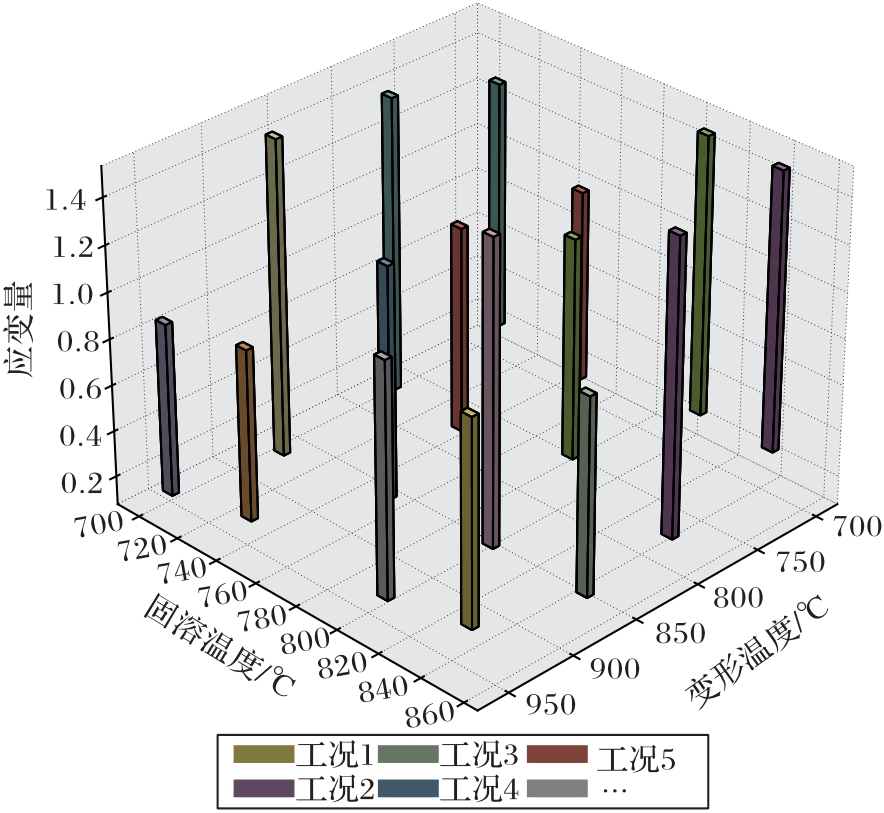
Fig. 1 Schematic distribution of operating condition data in microstructure research
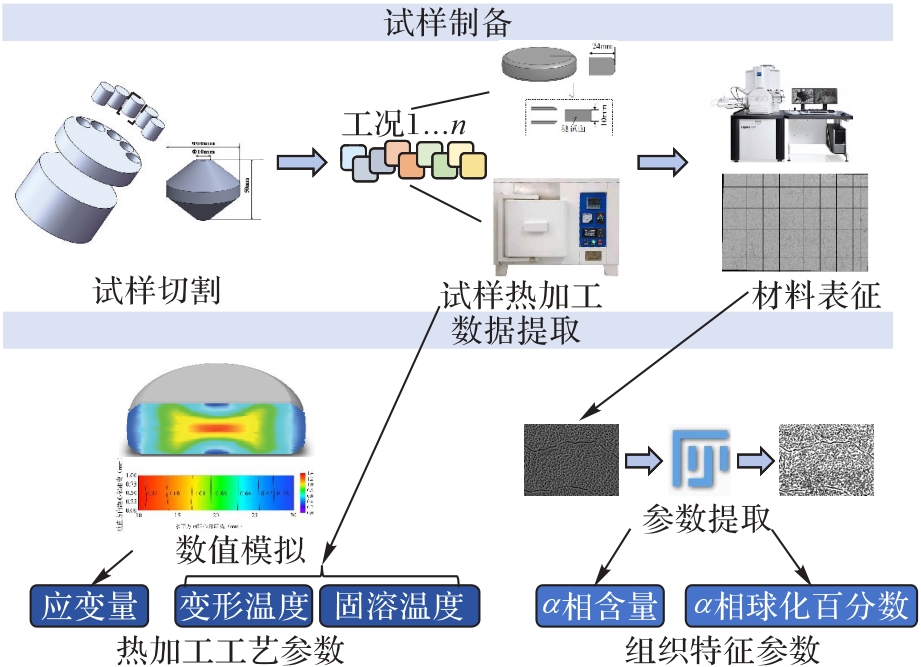
Fig. 2 Process of obtaining microstructure data of titanium alloys
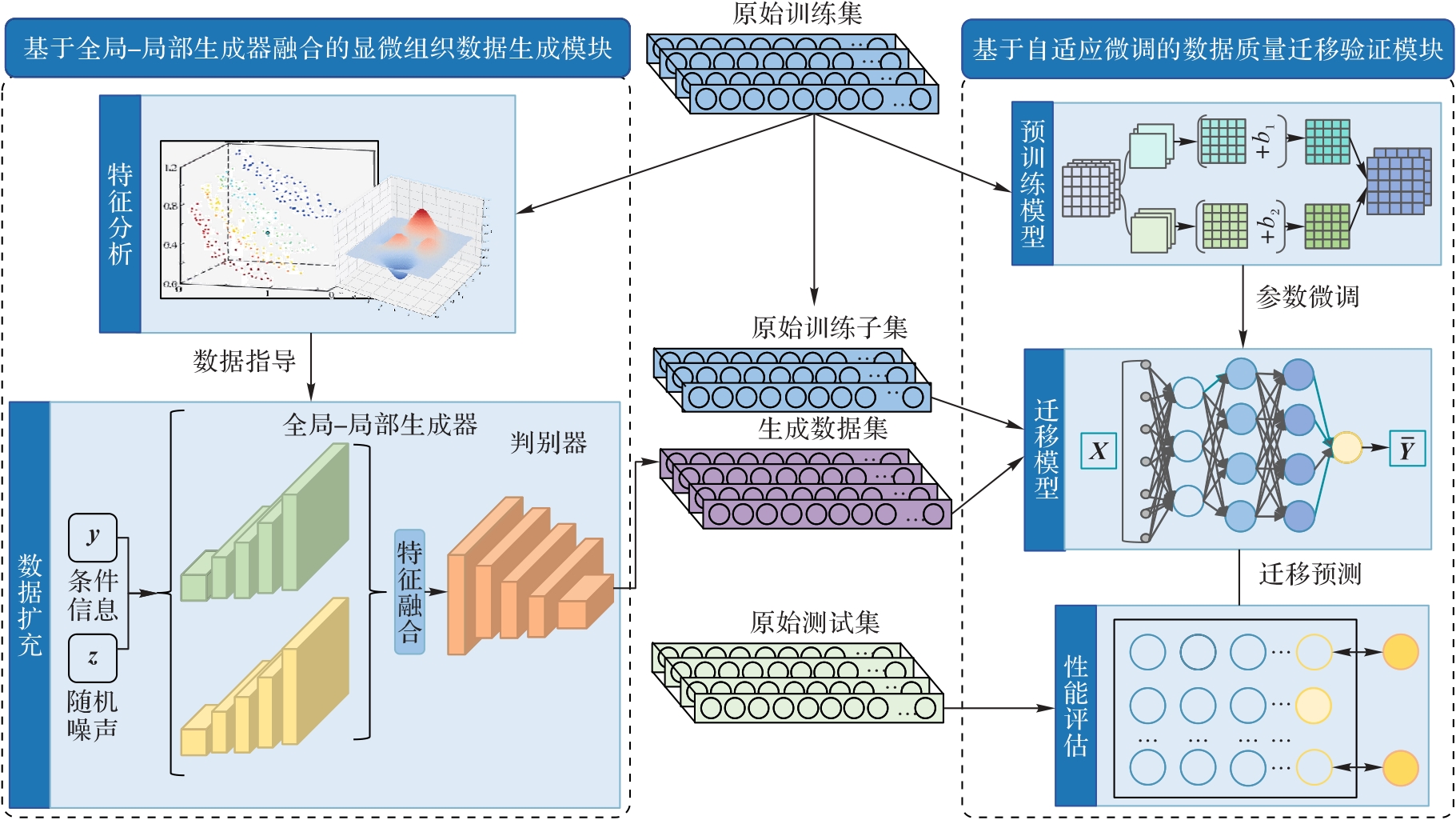
Fig. 3 Framework of cross-condition microstructure data generation method for titanium alloys based on improved CGAN
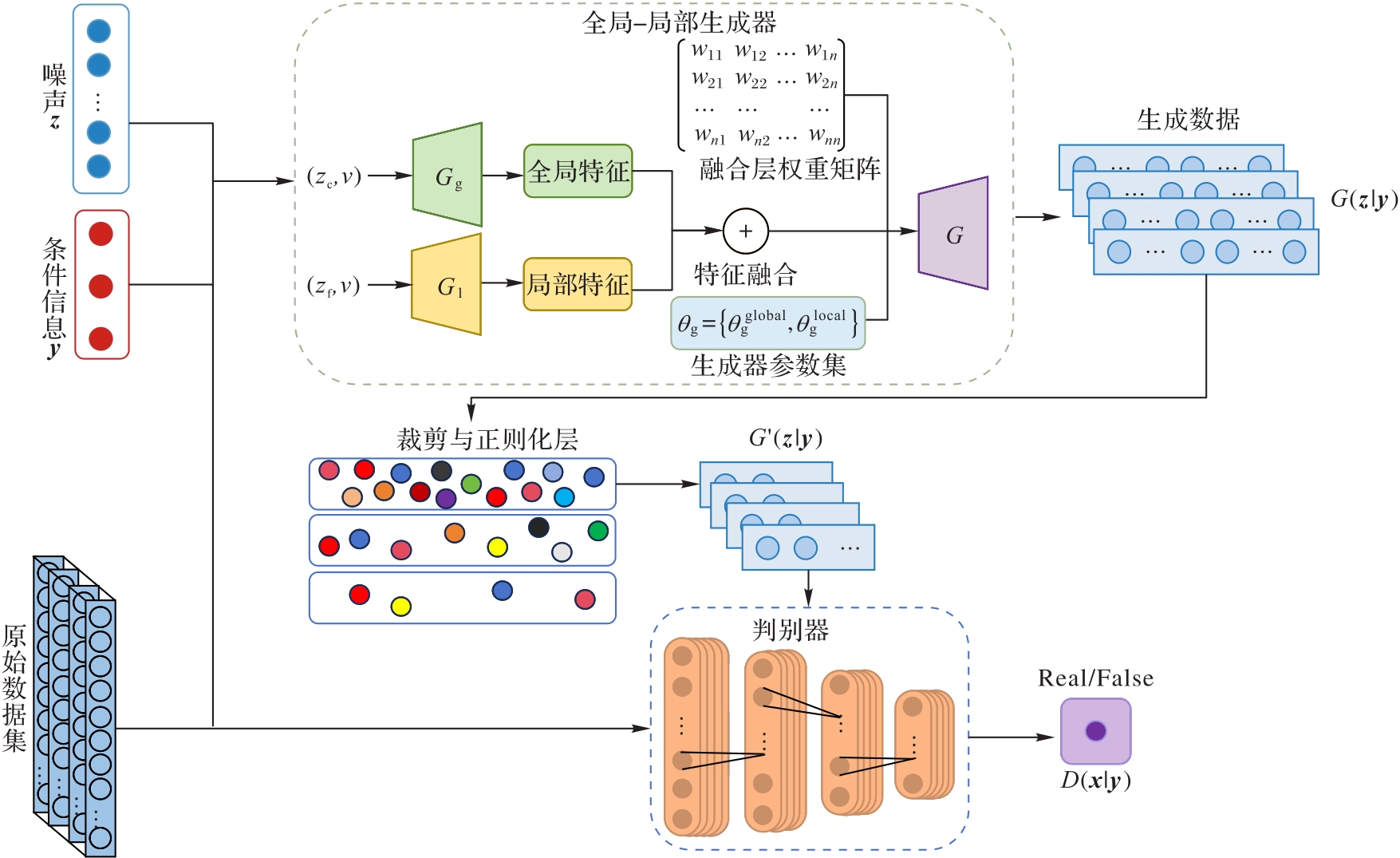
Fig. 4 Framework of microstructure data generation module based on fusion of global-local generators
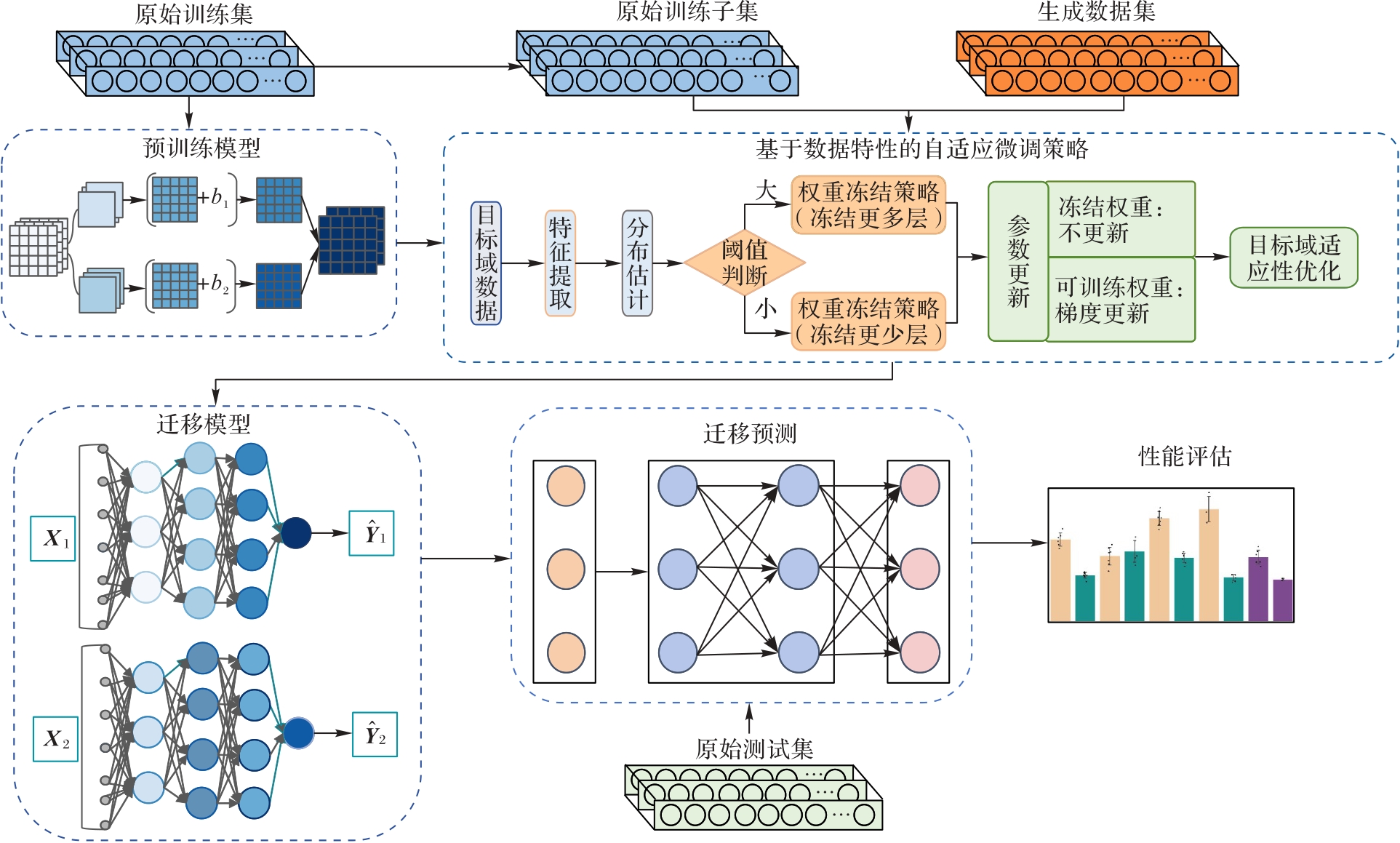
Fig. 5 Framework of data quality transfer validation module based on adaptive fine-tuning
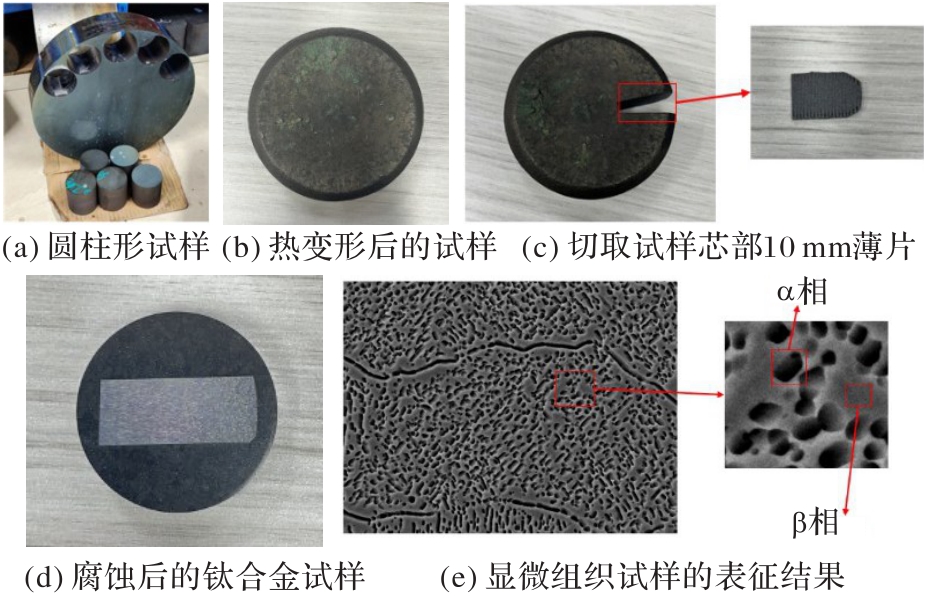
Fig. 6 Process of titanium alloy sample preparation and characterization
| 工况 | 序号 | 热加工工艺参数 | 组织特征参数 | |||
|---|---|---|---|---|---|---|
| 变形温度/℃ | 固溶温度/℃ | 应变量 | α相含量 | α相球化百分数/% | ||
| 工况1 | 1 | 740 | 720 | 1.339 351 | 18.896 | 69.301 821 559 42 |
| 2 | 740 | 720 | 1.339 681 | 17.892 | 65.372 701 509 26 | |
| | | | | | | |
| 5 720 | 740 | 720 | 1.199 721 | 14.394 | 67.022 838 499 18 | |
| 工况2 | 1 | 740 | 760 | 1.339 351 | 17.822 | 74.035 868 392 66 |
| 2 | 740 | 760 | 1.339 681 | 20.686 | 65.269 634 875 49 | |
| | | | | | | |
| 5 720 | 740 | 760 | 0.314 628 | 32.702 | 33.887 524 656 82 | |
| | | | | | | |
| 工况10 | 1 | 860 | 840 | 1.366 787 | 23.230 | 30.240 915 746 04 |
| 2 | 860 | 840 | 1.367 015 | 17.116 | 18.870 452 437 39 | |
| | | | | | | |
| 5 720 | 860 | 840 | 0.311 993 | 14.190 | 39.629 453 681 71 | |
Tab. 1 Partial microstructure sample data of TC18 titanium alloy
| 工况 | 序号 | 热加工工艺参数 | 组织特征参数 | |||
|---|---|---|---|---|---|---|
| 变形温度/℃ | 固溶温度/℃ | 应变量 | α相含量 | α相球化百分数/% | ||
| 工况1 | 1 | 740 | 720 | 1.339 351 | 18.896 | 69.301 821 559 42 |
| 2 | 740 | 720 | 1.339 681 | 17.892 | 65.372 701 509 26 | |
| | | | | | | |
| 5 720 | 740 | 720 | 1.199 721 | 14.394 | 67.022 838 499 18 | |
| 工况2 | 1 | 740 | 760 | 1.339 351 | 17.822 | 74.035 868 392 66 |
| 2 | 740 | 760 | 1.339 681 | 20.686 | 65.269 634 875 49 | |
| | | | | | | |
| 5 720 | 740 | 760 | 0.314 628 | 32.702 | 33.887 524 656 82 | |
| | | | | | | |
| 工况10 | 1 | 860 | 840 | 1.366 787 | 23.230 | 30.240 915 746 04 |
| 2 | 860 | 840 | 1.367 015 | 17.116 | 18.870 452 437 39 | |
| | | | | | | |
| 5 720 | 860 | 840 | 0.311 993 | 14.190 | 39.629 453 681 71 | |
| 工况 | 序号 | 热加工工艺参数 | 组织特征参数 | |||
|---|---|---|---|---|---|---|
| 变形温度/℃ | 固溶温度/℃ | 应变量 | α相含量 | α相球化百分数/% | ||
| 新工况1 | 1 | 740 | 740 | 1.235 390 | 11.396 | 86.071 229 862 371 |
| 2 | 740 | 740 | 1.238 930 | 17.892 | 88.781 906 790 139 | |
| | | | | | | |
| 202 | 740 | 740 | 0.554 115 | 28.121 | 60.520 853 963 581 | |
| 新工况2 | 1 | 740 | 750 | 1.216 206 | 12.429 | 86.524 323 471 475 |
| 2 | 740 | 750 | 1.213 575 | 12.266 | 84.136 386 453 952 | |
| | | | | | | |
| 212 | 740 | 750 | 0.571 749 | 30.123 | 61.345 440 159 697 | |
| | | | | | | |
| 新工况18 | 1 | 800 | 820 | 1.305 826 | 11.317 | 83.149 986 330 210 |
| 2 | 800 | 820 | 1.263 338 | 12.602 | 84.862 242 157 222 | |
| | | | | | | |
| 129 | 800 | 820 | 0.662 023 | 31.119 | 54.204 760 636 530 | |
Tab. 2 Partially generated microstructure data of TC18 titanium alloy
| 工况 | 序号 | 热加工工艺参数 | 组织特征参数 | |||
|---|---|---|---|---|---|---|
| 变形温度/℃ | 固溶温度/℃ | 应变量 | α相含量 | α相球化百分数/% | ||
| 新工况1 | 1 | 740 | 740 | 1.235 390 | 11.396 | 86.071 229 862 371 |
| 2 | 740 | 740 | 1.238 930 | 17.892 | 88.781 906 790 139 | |
| | | | | | | |
| 202 | 740 | 740 | 0.554 115 | 28.121 | 60.520 853 963 581 | |
| 新工况2 | 1 | 740 | 750 | 1.216 206 | 12.429 | 86.524 323 471 475 |
| 2 | 740 | 750 | 1.213 575 | 12.266 | 84.136 386 453 952 | |
| | | | | | | |
| 212 | 740 | 750 | 0.571 749 | 30.123 | 61.345 440 159 697 | |
| | | | | | | |
| 新工况18 | 1 | 800 | 820 | 1.305 826 | 11.317 | 83.149 986 330 210 |
| 2 | 800 | 820 | 1.263 338 | 12.602 | 84.862 242 157 222 | |
| | | | | | | |
| 129 | 800 | 820 | 0.662 023 | 31.119 | 54.204 760 636 530 | |
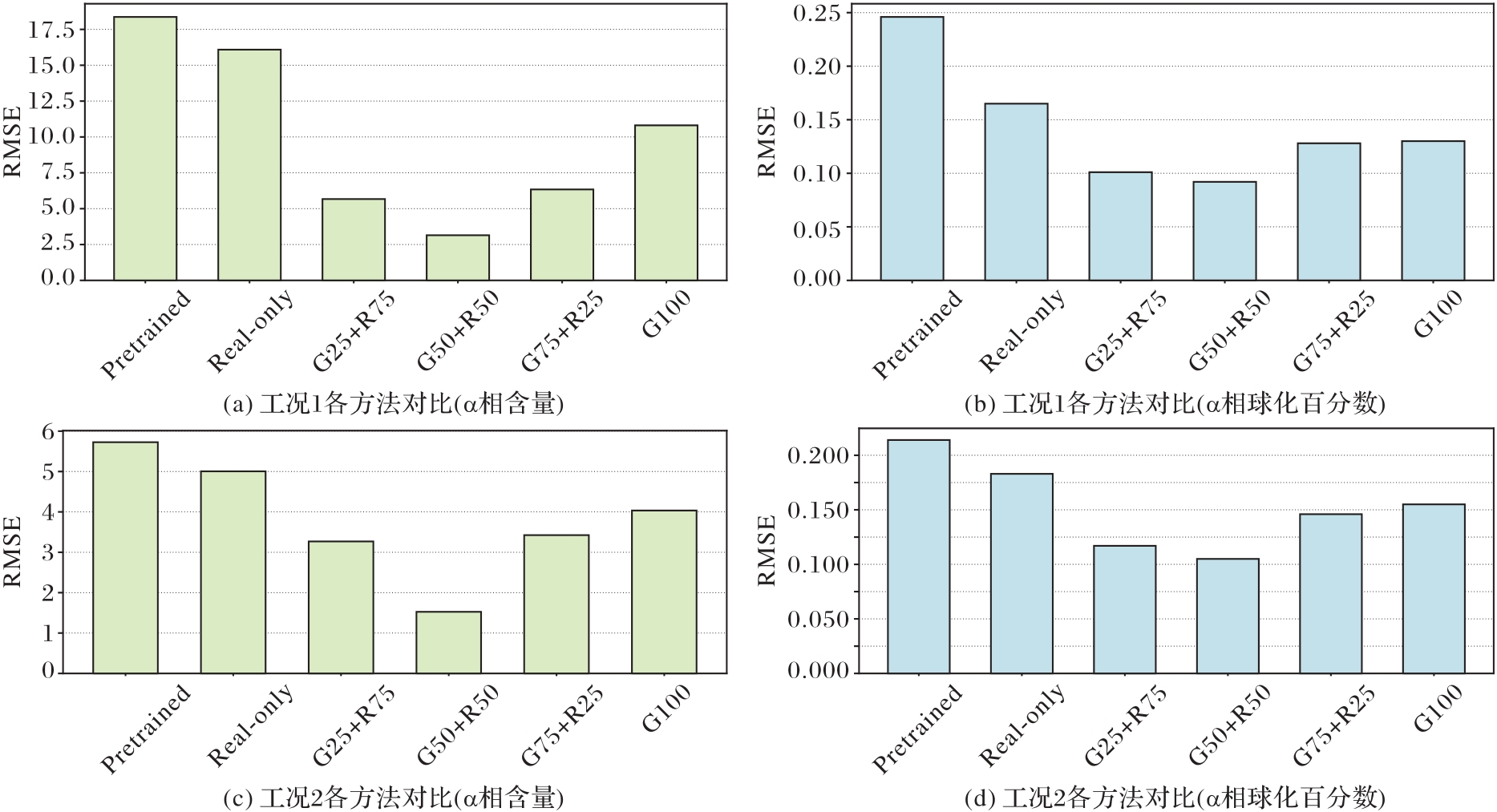
Fig. 7 Comparison of prediction accuracy for generated samples
| 方法 | 工况1 | 工况2 | ||||||
|---|---|---|---|---|---|---|---|---|
| α相含量 | α相球化百分数 | α相含量 | α相球化百分数 | |||||
| RMSE | RMSE | RMSE | RMSE | |||||
| Pretrained | 18.368 | 17.869 | 0.246 | 0.223 | 5.726 | 5.394 | 0.214 | 0.189 |
| Real-only | 16.085 | 14.772 | 0.165 | 0.135 | 5.005 | 4.631 | 0.183 | 0.153 |
| G25+R75 | 5.670 | 4.647 | 0.101 | 0.078 | 3.268 | 2.619 | 0.117 | 0.092 |
| G50+R50 | 3.147 | 2.353 | 0.092 | 0.071 | 1.526 | 1.265 | 0.105 | 0.081 |
| G75+R25 | 6.340 | 5.781 | 0.128 | 0.106 | 3.425 | 3.109 | 0.146 | 0.119 |
| G100 | 10.809 | 10.399 | 0.130 | 0.107 | 4.034 | 3.576 | 0.155 | 0.128 |
Tab. 3 Validation results of confidence scores for generated samples
| 方法 | 工况1 | 工况2 | ||||||
|---|---|---|---|---|---|---|---|---|
| α相含量 | α相球化百分数 | α相含量 | α相球化百分数 | |||||
| RMSE | RMSE | RMSE | RMSE | |||||
| Pretrained | 18.368 | 17.869 | 0.246 | 0.223 | 5.726 | 5.394 | 0.214 | 0.189 |
| Real-only | 16.085 | 14.772 | 0.165 | 0.135 | 5.005 | 4.631 | 0.183 | 0.153 |
| G25+R75 | 5.670 | 4.647 | 0.101 | 0.078 | 3.268 | 2.619 | 0.117 | 0.092 |
| G50+R50 | 3.147 | 2.353 | 0.092 | 0.071 | 1.526 | 1.265 | 0.105 | 0.081 |
| G75+R25 | 6.340 | 5.781 | 0.128 | 0.106 | 3.425 | 3.109 | 0.146 | 0.119 |
| G100 | 10.809 | 10.399 | 0.130 | 0.107 | 4.034 | 3.576 | 0.155 | 0.128 |
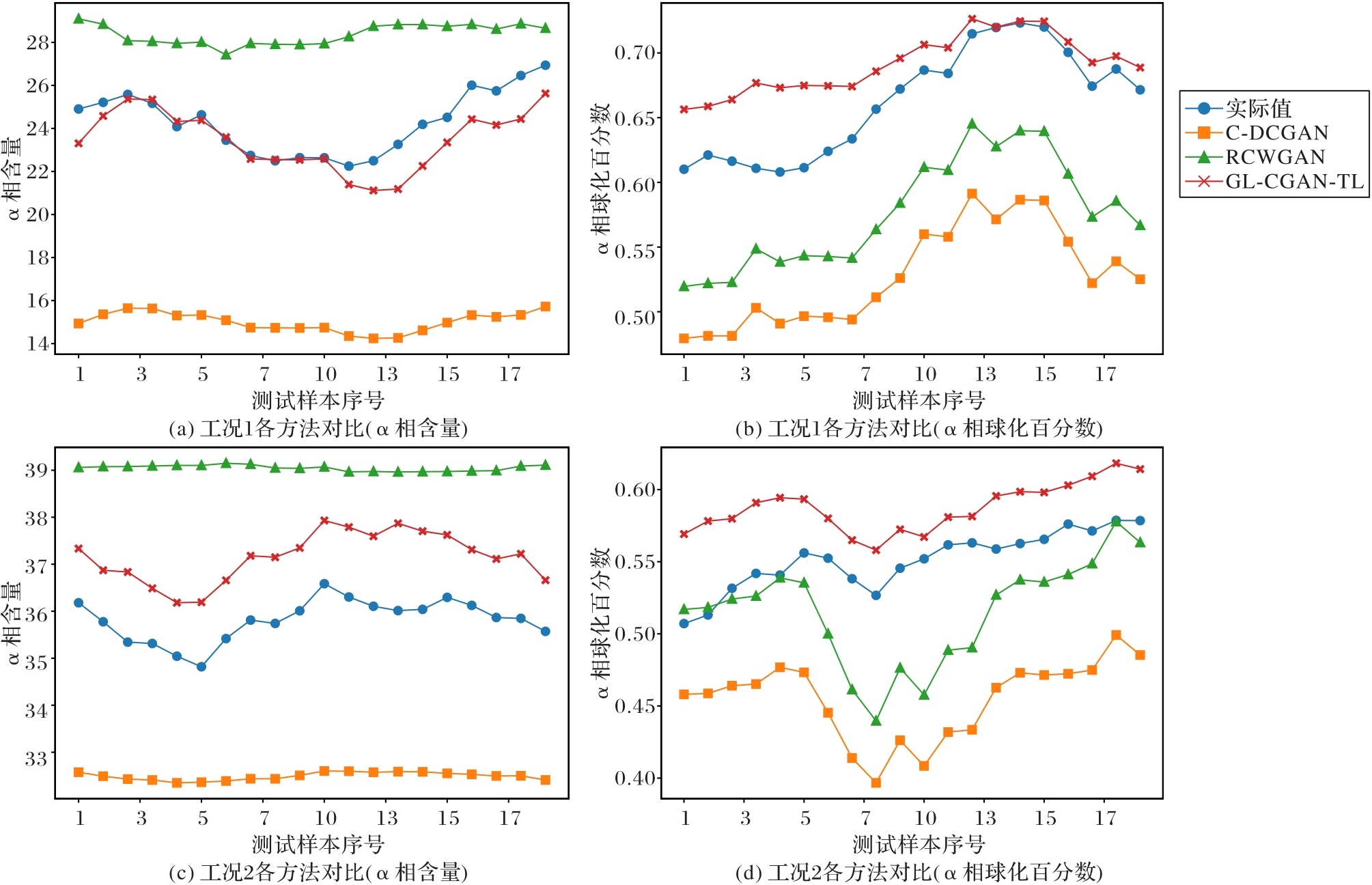
Fig. 8 Comparison of alpha phase content and alpha phase spheroidization percentage prediction results of various experimental methods under two operating conditions
| 方法 | 工况1 | 工况2 | ||||||
|---|---|---|---|---|---|---|---|---|
| α相含量 | α相球化百分数 | α相含量 | α相球化百分数 | |||||
| RMSE | RMSE | RMSE | RMSE | |||||
| C-DCGAN | 10.728 | 10.232 | 0.167 | 0.142 | 4.227 | 3.799 | 0.177 | 0.145 |
| RCWGAN | 6.174 | 5.529 | 0.127 | 0.106 | 3.442 | 2.980 | 0.158 | 0.132 |
| GL-CGAN-TL | 3.147 | 2.353 | 0.092 | 0.071 | 1.526 | 1.265 | 0.105 | 0.081 |
Tab. 4 Comparison of prediction results among C-DCGAN, RCWGAN, and GL-CGAN-TL
| 方法 | 工况1 | 工况2 | ||||||
|---|---|---|---|---|---|---|---|---|
| α相含量 | α相球化百分数 | α相含量 | α相球化百分数 | |||||
| RMSE | RMSE | RMSE | RMSE | |||||
| C-DCGAN | 10.728 | 10.232 | 0.167 | 0.142 | 4.227 | 3.799 | 0.177 | 0.145 |
| RCWGAN | 6.174 | 5.529 | 0.127 | 0.106 | 3.442 | 2.980 | 0.158 | 0.132 |
| GL-CGAN-TL | 3.147 | 2.353 | 0.092 | 0.071 | 1.526 | 1.265 | 0.105 | 0.081 |
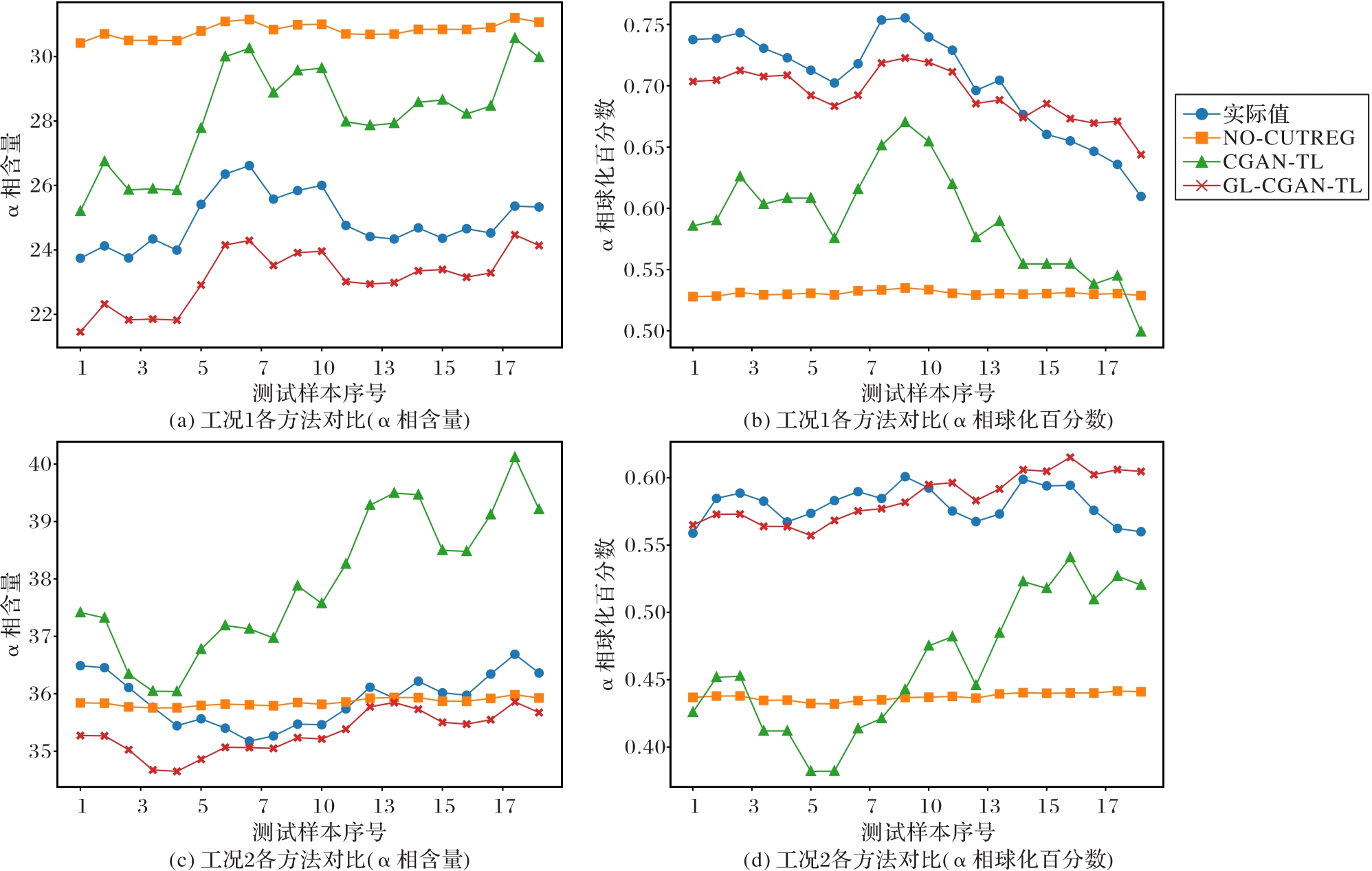
Fig. 9 Comparison of alpha phase content and alpha phase spheroidization percentage ablation results of various experimental methods under 2 operating conditions
| 方法 | 工况1 | 工况2 | ||||||
|---|---|---|---|---|---|---|---|---|
| α相含量 | α相球化百分数 | α相含量 | α相球化百分数 | |||||
| RMSE | RMSE | RMSE | RMSE | |||||
| No-CUTREG | 6.620 | 5.784 | 0.189 | 0.164 | 1.984 | 1.540 | 0.165 | 0.146 |
| CGAN-TL | 6.679 | 5.058 | 0.173 | 0.143 | 3.449 | 2.863 | 0.190 | 0.158 |
| GL-CGAN-TL | 3.147 | 2.353 | 0.092 | 0.071 | 1.526 | 1.265 | 0.105 | 0.081 |
Tab. 5 Comparison of prediction results among No-CUTREG, CGAN-TL and GL-CGAN-TL
| 方法 | 工况1 | 工况2 | ||||||
|---|---|---|---|---|---|---|---|---|
| α相含量 | α相球化百分数 | α相含量 | α相球化百分数 | |||||
| RMSE | RMSE | RMSE | RMSE | |||||
| No-CUTREG | 6.620 | 5.784 | 0.189 | 0.164 | 1.984 | 1.540 | 0.165 | 0.146 |
| CGAN-TL | 6.679 | 5.058 | 0.173 | 0.143 | 3.449 | 2.863 | 0.190 | 0.158 |
| GL-CGAN-TL | 3.147 | 2.353 | 0.092 | 0.071 | 1.526 | 1.265 | 0.105 | 0.081 |
| [1] | 刘晶,董志红,张喆语,等.基于联邦增量学习的工业物联网数据共享方法[J].计算机应用, 2022, 42(4): 1235-1243. |
| Liu Jing, Dong Zhihong, Zhang Zheyu, et al. Data sharing method of industrial internet of things based on federal incremental learning [J]. Journal of Computer Applications, 2022, 42(4): 1235-1243. | |
| [2] | Shi P, Qi Q, Qin Y, et al. Highly interacting machining feature recognition via small sample learning [J]. Robotics and Computer-Integrated Manufacturing, 2022, 73: No.102260. |
| [3] | Cook A, Karakuş O. LLM-Commentator: novel fine-tuning strategies of large language models for automatic commentary generation using football event data [J]. Knowledge-Based Systems, 2024, 300: No.112219. |
| [4] | Wu F, Courty N, Jin S, et al. Improving molecular representation learning with metric learning-enhanced optimal transport [J]. Patterns, 2023, 4(4): No.100714. |
| [5] | Ran H, Li W, Li L, et al. Learning optimal inter-class margin adaptively for few-shot class-incremental learning via neural collapse-based meta-learning [J]. Information Processing and Management, 2024, 61(3): No.103664. |
| [6] | Tian C, Gao H, Wang P, et al. An enhanced GAN for image generation [J]. Computers, Materials and Continua, 2024, 80(1): 105-118. |
| [7] | Liu Y, Lee J, Park M, et al. Learning to propagate labels: transductive propagation network for few-shot learning [PP/OL]. V5. arXiv (2019-02-08) [2025-04-10]. . |
| [8] | Gayathri R, Sangeetha S K B, Mathivanan S K, et al. Enhancing heart disease prediction with reinforcement learning and data augmentation [J]. Systems and Soft Computing, 2024, 6: No.200129. |
| [9] | Zhang R, Che T, Ghahramani Z, et al. MetaGAN: an adversarial approach to few-shot learning [C]// NeurIPS 2018. Red Hook: Curran Associates Inc., 2018: 2371-2380. |
| [10] | Kabir H M D, Mondal S K, Alam S B, et al. Transfer learning with spinally shared layers [J]. Applied Soft Computing, 2024, 163: No.111908. |
| [11] | Molina-Cabanillas M A, Jiménez-Navarro M J, Arjona R, et al. DIAFAN-TL: an instance weighting-based transfer learning algorithm with application to phenology forecasting [J]. Knowledge-Based Systems, 2022, 254: No.109644. |
| [12] | Yoo J, Zwartjes P. Attenuation of seismic migration smile artifacts with deep learning [J]. Artificial Intelligence in Geosciences, 2022, 3: 123-131. |
| [13] | Himeur Y, Al-Maadeed S, Kheddar H, et al. Video surveillance using deep transfer learning and deep domain adaptation: towards better generalization [J]. Engineering Applications of Artificial Intelligence, 2023, 119: No.105698. |
| [14] | Castillo-García G, Morán-Fernández L, Bolón-Canedo V. Feature selection for domain adaptation using complexity measures and swarm intelligence [J]. Neurocomputing, 2023, 548: No.126422. |
| [15] | Zhang L, Gao X. Transfer adaptation learning: a decade survey [J]. IEEE Transactions on Neural Networks and Learning Systems, 2024, 35(1): 23-44. |
| [16] | Ma X, Xu P, Wang Z, et al. Domain adaptation with BERT-based domain classification and data selection [C]// DeepLoRes NLP 2019. Stroudsburg: ACL, 2019: 76-83. |
| [17] | Liang J, Hu D, Feng J. Domain adaptation with auxiliary target domain-oriented classifier [C]// CVPR 2021. Piscataway: IEEE, 2021: 16627-16637. |
| [18] | Qiao Z, Luo X, Xiao M, et al. Semi-supervised domain adaptation in graph transfer learning [C]// IJCAI 2023. California: ijcai.org, 2023: 2279-2287. |
| [19] | Tan Y, Zhang Q, Shi L, et al. A novel short-term wind power scenario generation method combining multiple algorithms for data-missing wind farm considering spatial-temporal correlativity [J]. International Journal of Electrical Power and Energy Systems, 2024, 162: No.110227. |
| [20] | Yilmaz B, Korn R. Synthetic demand data generation for individual electricity consumers: Generative Adversarial Networks (GANs) [J]. Energy and AI, 2022, 9: No.100161. |
| [1] | Xiangyi WU, Hailiang YE, Feilong CAO. Point cloud completion method based on smooth-sharpen graph convolution [J]. Journal of Computer Applications, 2026, 46(7): 2267-2276. |
| [2] | Xiuli DU, Xing GAO, Xiaoyu ZHANG, Chengsheng PAN, Qijie ZOU. Video snapshot compressive imaging reconstruction method based on dense spatio-temporal deformable attention [J]. Journal of Computer Applications, 2026, 46(7): 2288-2296. |
| [3] | Miaogen LING, Rui JING, Wei FANG. Survey of research on applications of explainable deep learning in tropical cyclone forecasting [J]. Journal of Computer Applications, 2026, 46(7): 2318-2326. |
| [4] | Yi DU, Mingjin XU, Jiayi KONG, Liyao WANG, Chen ZHAO. Low-rank adaptive parameter-efficient fine-tuning algorithm based on YOLOv11 [J]. Journal of Computer Applications, 2026, 46(6): 1738-1745. |
| [5] | Zhenkai XIONG, Mengjun XU, Yinyin SUN, Xin WANG. Maritime ship detection algorithm under complex weather environments based on enhanced YOLOv8 [J]. Journal of Computer Applications, 2026, 46(6): 1998-2006. |
| [6] | Lili HE, Meng CAO, Lei ZHANG, Hongjun PAN, Yi LIU, Chengxin SUN. Sign language generation model based on Kolmogorov-Arnold network and diffusion Transformer [J]. Journal of Computer Applications, 2026, 46(6): 1801-1810. |
| [7] | Xing SHENG, Sunxian WENG, Kuosong CHEN, Zhongping WANG, Ruifeng REN, Yong LIU. Deep learning-based patent value evaluation for power grid enterprises [J]. Journal of Computer Applications, 2026, 46(5): 1468-1474. |
| [8] | Xinyao LIU, Jun LIANG, Jiahao LONG, Renliang YAN. Fine-grained Chinese herbal medicine image classification based on feature fusion and channel information compensation [J]. Journal of Computer Applications, 2026, 46(5): 1677-1683. |
| [9] | Huijie GUO, Tianfeng DOU, Zhenlin ZHANG, Kaiyuan QI, Dong WU, Zhijian QU, Zhao LI, Chongguang REN. Time-interdependency-aware dynamic Bayesian network for traffic prediction [J]. Journal of Computer Applications, 2026, 46(5): 1507-1517. |
| [10] | Haoxuan CHEN, Peichang YE, Lei LIU, Chengming LIU, Wenhua HU. Survey of automated code edit suggestion [J]. Journal of Computer Applications, 2026, 46(4): 1227-1237. |
| [11] | Songsen YU, Huang HE, Guopeng XUE, Hengtuo CUI. Quantitation and grading method for ceramic tile chromatic aberration based on improved fractal encoding network [J]. Journal of Computer Applications, 2026, 46(3): 959-968. |
| [12] | Jian ZHANG, Jianbo YU, Jian TANG. Municipal solid waste incineration state recognition method based on multilayer preprocessing [J]. Journal of Computer Applications, 2026, 46(3): 940-949. |
| [13] | Yongwei JIANG, Xiaoqing CHEN, Linjie FU. Elastic medical image registration model with high-frequency preservation based on spectrum decomposition [J]. Journal of Computer Applications, 2026, 46(3): 924-932. |
| [14] | Min CHEN, Xiaolin QIN, Shaohan LI, Hao YANG, Taohong LI. Review of deep learning applications in severe convective weather prediction [J]. Journal of Computer Applications, 2026, 46(3): 980-992. |
| [15] | Kejian CUI, Zhiming WANG, Zhaowen QIU. Method for retinal vessel segmentation and coronary artery disease prediction using optical coherence tomography angiography [J]. Journal of Computer Applications, 2026, 46(2): 640-651. |
| Viewed | ||||||
|
Full text |
|
|||||
|
Abstract |
|
|||||
