


Journal of Computer Applications ›› 2026, Vol. 46 ›› Issue (6): 1756-1766.DOI: 10.11772/j.issn.1001-9081.2025060744
• Artificial intelligence • Previous Articles Next Articles
Yu CHEN1, Shuaikang QI1( ), Liwei XU2(), Haotian ZHU1
Received:2025-07-08
Revised:2025-09-10
Accepted:2025-09-18
Online:2025-10-16
Published:2026-06-10
Contact:
Shuaikang QI, Liwei XU
About author:CHEN Yu, born in 1975, Ph. D., associate professor. His research interests include machine learning, natural language processing, computational biology, image processing.Supported by:
陈宇1, 戚帅康1(), 许莉薇2(), 朱浩天1
通讯作者:
戚帅康,许莉薇
作者简介:陈宇(1975—),男,黑龙江哈尔滨人,副教授,博士,CCF会员,主要研究方向:机器学习、自然语言处理、计算生物学、图像处理基金资助:CLC Number:
Yu CHEN, Shuaikang QI, Liwei XU, Haotian ZHU. Social bot detection framework fusing multi-scale wavelet enhancement and self-supervised learning[J]. Journal of Computer Applications, 2026, 46(6): 1756-1766.
陈宇, 戚帅康, 许莉薇, 朱浩天. 融合多尺度小波增强与自监督学习的社交机器人检测框架[J]. 《计算机应用》唯一官方网站, 2026, 46(6): 1756-1766.
Add to citation manager EndNote|Ris|BibTeX
URL: https://www.joca.cn/EN/10.11772/j.issn.1001-9081.2025060744
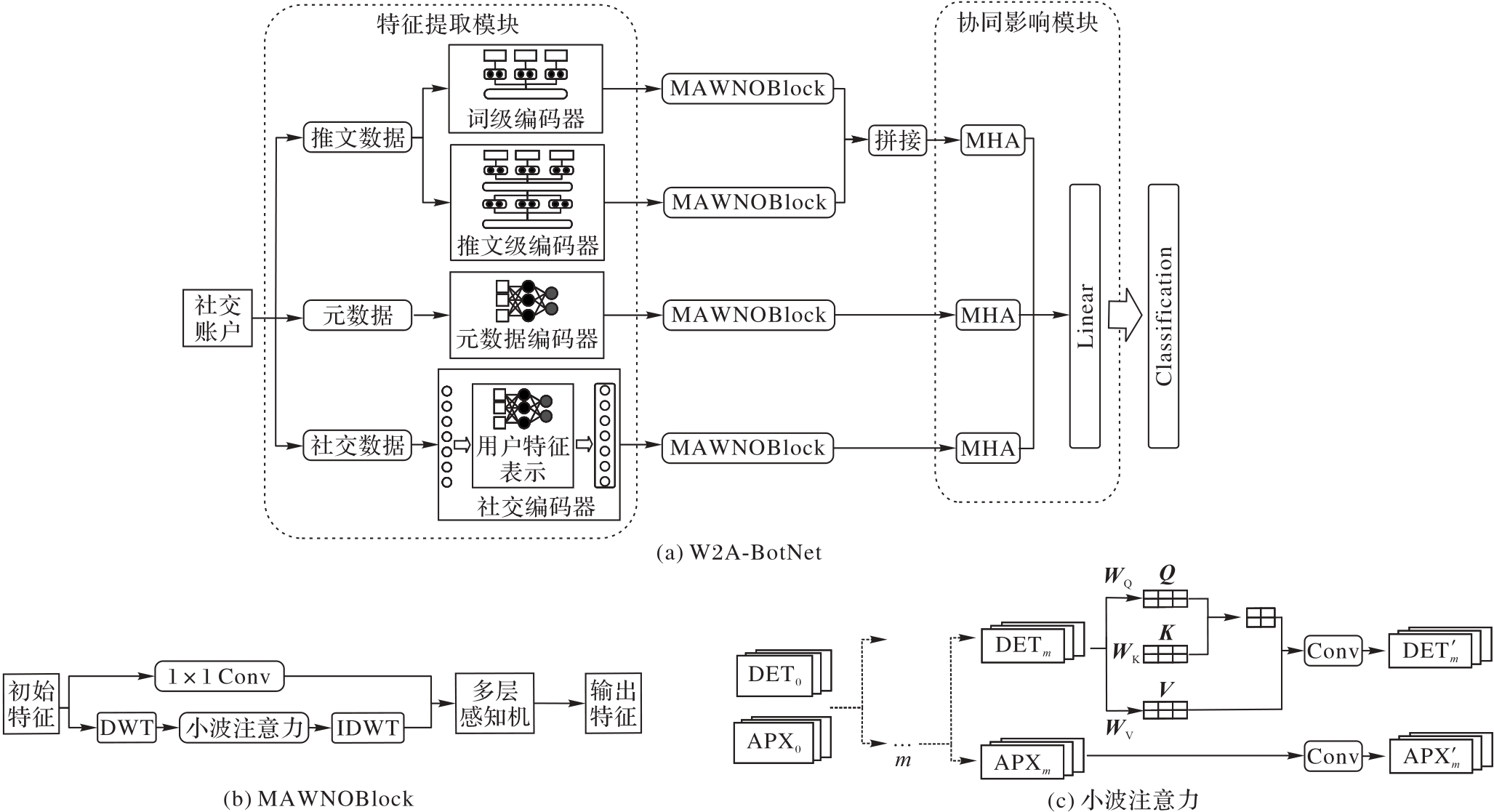
Fig. 1 Social bot detection framework fusing multi-scale wavelet enhancement and self-supervised learning
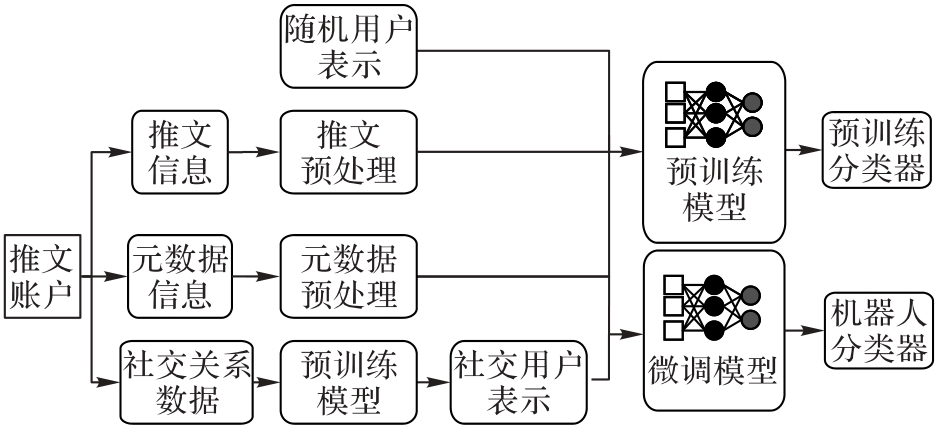
Fig. 2 Self-supervised training framework
| 数据集 | 用户总数 | 机器人用户数 | 人类用户数 |
|---|---|---|---|
| Cresci-15[ | 5 301 | 3 351 | 1 950 |
| Cresci-17[ | 9 813 | 7 049 | 2 764 |
| TwiBot-20[ | 11 826 | 6 589 | 5 237 |
Tab. 1 Dataset description
| 数据集 | 用户总数 | 机器人用户数 | 人类用户数 |
|---|---|---|---|
| Cresci-15[ | 5 301 | 3 351 | 1 950 |
| Cresci-17[ | 9 813 | 7 049 | 2 764 |
| TwiBot-20[ | 11 826 | 6 589 | 5 237 |
| 方法 | 框架 | 描述 |
|---|---|---|
基于特征工程的 传统机器学习方法 | SVM[ | 最早应用于僵尸检测的分类器之一,利用用户属性和行为统计数据构建线性或非线性决策边界 |
| RF[ | 一种结合多个决策树的集合模型,能够处理离散和连续混合特征,用于社交数据中的异常检测 | |
| 端到端传统深度学习方法 | Cresci等[ | 将用户行为序列编码成字符串,并通过识别最长公共子串检测机器人,从而有效捕捉账户组内的 行为相似性 |
| SATAR[ | 通过监督微调整合语义内容、用户属性和社交关系,捕捉全面的行为模式,用于僵尸检测 | |
| RoBERTa[ | 利用预训练的RoBERTa语言模型对推文文本进行编码,然后利用分类头进行僵尸识别 | |
图分析深度学习和 社区发现方法 | SGBot[ | 将文本和属性特征与图卷积网络相结合,为用户互动建模,强调社会结构在行为表征中的贡献 |
| BotRGCN[ | 采用关系图卷积网络(R-GCN)将各种类型的社会关系建模为多关系图,用于节点级表示学习 | |
| RGT[ | 构建异构信息网络(HINs),并采用多头关注和语义聚合的关系图转换器捕捉复杂的关系动态 | |
| 基于LLM的方法 | Feng等[ | 提出了一种专家混合框架,利用LLMs通过上下文学习和指令调整处理元数据、文本内容和 社会结构,并通过多数投票进行最终预测汇总 |
| 本文方法 | W2A-BotNet | 一个包含多模态数据表示学习、基于小波的频域增强、协作特征融合和自监督预训练机制的统一 检测框架 |
Tab. 2 Details of different methods
| 方法 | 框架 | 描述 |
|---|---|---|
基于特征工程的 传统机器学习方法 | SVM[ | 最早应用于僵尸检测的分类器之一,利用用户属性和行为统计数据构建线性或非线性决策边界 |
| RF[ | 一种结合多个决策树的集合模型,能够处理离散和连续混合特征,用于社交数据中的异常检测 | |
| 端到端传统深度学习方法 | Cresci等[ | 将用户行为序列编码成字符串,并通过识别最长公共子串检测机器人,从而有效捕捉账户组内的 行为相似性 |
| SATAR[ | 通过监督微调整合语义内容、用户属性和社交关系,捕捉全面的行为模式,用于僵尸检测 | |
| RoBERTa[ | 利用预训练的RoBERTa语言模型对推文文本进行编码,然后利用分类头进行僵尸识别 | |
图分析深度学习和 社区发现方法 | SGBot[ | 将文本和属性特征与图卷积网络相结合,为用户互动建模,强调社会结构在行为表征中的贡献 |
| BotRGCN[ | 采用关系图卷积网络(R-GCN)将各种类型的社会关系建模为多关系图,用于节点级表示学习 | |
| RGT[ | 构建异构信息网络(HINs),并采用多头关注和语义聚合的关系图转换器捕捉复杂的关系动态 | |
| 基于LLM的方法 | Feng等[ | 提出了一种专家混合框架,利用LLMs通过上下文学习和指令调整处理元数据、文本内容和 社会结构,并通过多数投票进行最终预测汇总 |
| 本文方法 | W2A-BotNet | 一个包含多模态数据表示学习、基于小波的频域增强、协作特征融合和自监督预训练机制的统一 检测框架 |
| 检测方法 | Cresci-15 | Cresci-17 | TwiBot-20 | ||||||
|---|---|---|---|---|---|---|---|---|---|
| ACC | F1-score | MCC | ACC | F1-score | MCC | ACC | F1-score | MCC | |
| SVM[ | 0.631 8 | 0.884 3 | 0.802 4 | 0.803 1 | 0.792 8 | 0.733 2 | 0.462 3 | 0.593 1 | 0.523 4 |
| RF[ | 0.631 0 | 0.774 3 | 0.534 2 | 0.758 4 | 0.862 6 | 0.643 1 | 0.534 1 | 0.538 1 | 0.441 2 |
| Cresci等[ | 0.835 3 | 0.884 3 | 0.802 4 | 0.803 1 | 0.792 8 | 0.733 2 | 0.477 6 | 0.136 9 | 0.054 5 |
| SATAR[ | 0.938 3 | 0.953 3 | 0.870 2 | 0.856 4 | 0.858 0 | 0.114 7 | 0.803 1 | ||
| RoBERTa[ | 0.949 5 | 0.927 6 | 0.892 4 | 0.835 3 | 0.659 0 | 0.550 4 | 0.750 6 | 0.736 4 | 0.501 0 |
| SGBot[ | 0.760 7 | 0.767 2 | 0.610 6 | 0.917 0 | 0.822 0 | 0.814 9 | 0.641 7 | ||
| BotRGCN[ | 0.953 3 | 0.963 9 | 0.803 1 | 0.792 8 | 0.733 2 | 0.813 2 | 0.810 4 | 0.623 1 | |
| RGT[ | 0.942 6 | 0.951 1 | 0.880 2 | 0.923 0 | 0.935 0 | 0.815 2 | 0.810 6 | 0.828 0 | 0.618 0 |
| Feng等[ | 0.874 2 | 0.910 0 | 0.831 0 | 0.823 3 | 0.654 3 | ||||
| W2A‑BotNet | 0.990 5 | 0.990 4 | 0.979 8 | 0.991 7 | 0.966 3 | 0.953 8 | 0.854 5 | 0.883 1 | 0.708 2 |
Tab. 3 Performance comparison of social bot detection methods
| 检测方法 | Cresci-15 | Cresci-17 | TwiBot-20 | ||||||
|---|---|---|---|---|---|---|---|---|---|
| ACC | F1-score | MCC | ACC | F1-score | MCC | ACC | F1-score | MCC | |
| SVM[ | 0.631 8 | 0.884 3 | 0.802 4 | 0.803 1 | 0.792 8 | 0.733 2 | 0.462 3 | 0.593 1 | 0.523 4 |
| RF[ | 0.631 0 | 0.774 3 | 0.534 2 | 0.758 4 | 0.862 6 | 0.643 1 | 0.534 1 | 0.538 1 | 0.441 2 |
| Cresci等[ | 0.835 3 | 0.884 3 | 0.802 4 | 0.803 1 | 0.792 8 | 0.733 2 | 0.477 6 | 0.136 9 | 0.054 5 |
| SATAR[ | 0.938 3 | 0.953 3 | 0.870 2 | 0.856 4 | 0.858 0 | 0.114 7 | 0.803 1 | ||
| RoBERTa[ | 0.949 5 | 0.927 6 | 0.892 4 | 0.835 3 | 0.659 0 | 0.550 4 | 0.750 6 | 0.736 4 | 0.501 0 |
| SGBot[ | 0.760 7 | 0.767 2 | 0.610 6 | 0.917 0 | 0.822 0 | 0.814 9 | 0.641 7 | ||
| BotRGCN[ | 0.953 3 | 0.963 9 | 0.803 1 | 0.792 8 | 0.733 2 | 0.813 2 | 0.810 4 | 0.623 1 | |
| RGT[ | 0.942 6 | 0.951 1 | 0.880 2 | 0.923 0 | 0.935 0 | 0.815 2 | 0.810 6 | 0.828 0 | 0.618 0 |
| Feng等[ | 0.874 2 | 0.910 0 | 0.831 0 | 0.823 3 | 0.654 3 | ||||
| W2A‑BotNet | 0.990 5 | 0.990 4 | 0.979 8 | 0.991 7 | 0.966 3 | 0.953 8 | 0.854 5 | 0.883 1 | 0.708 2 |
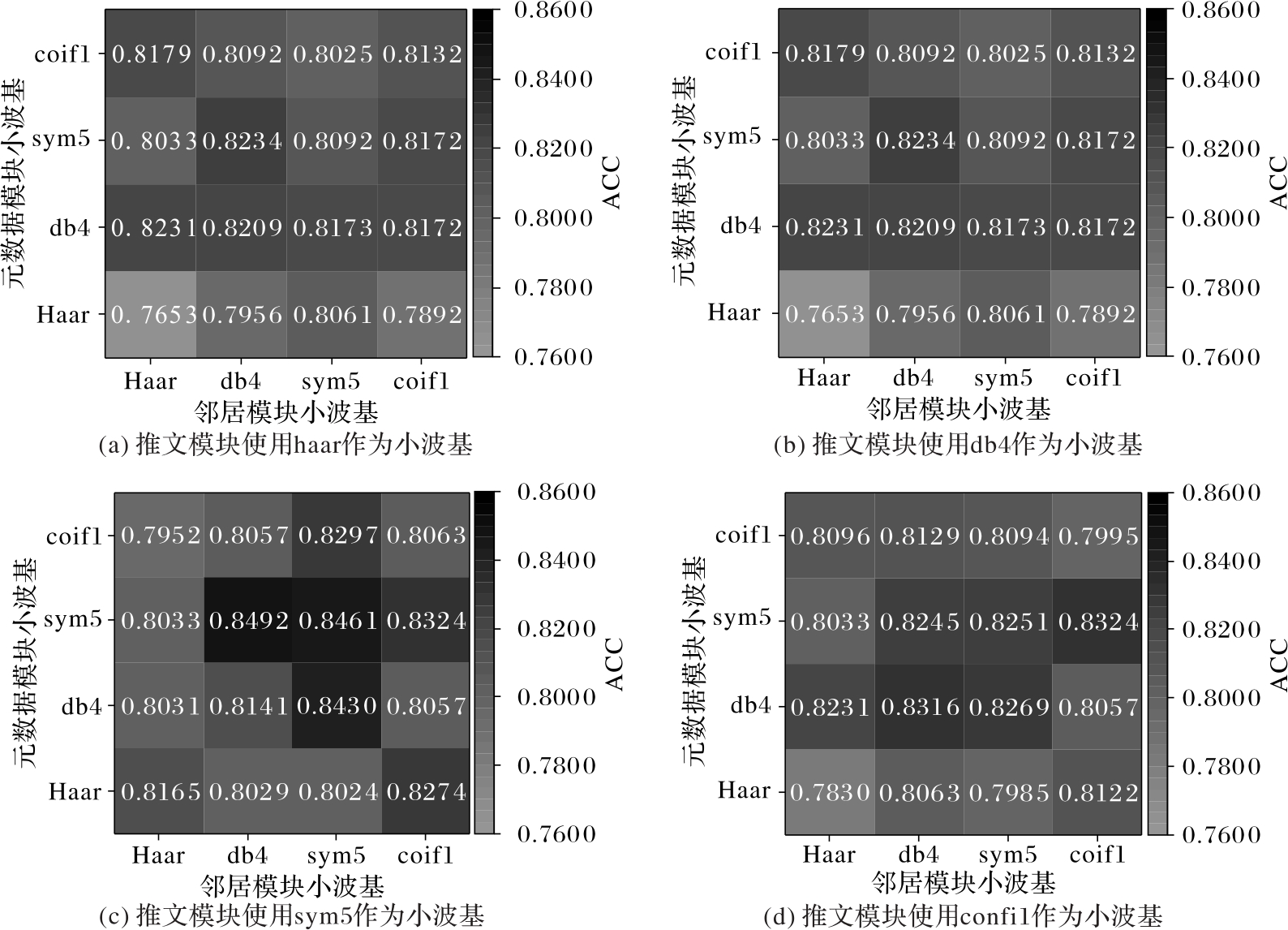
Fig. 3 Sensitivity experimental results of wavelet basis functions
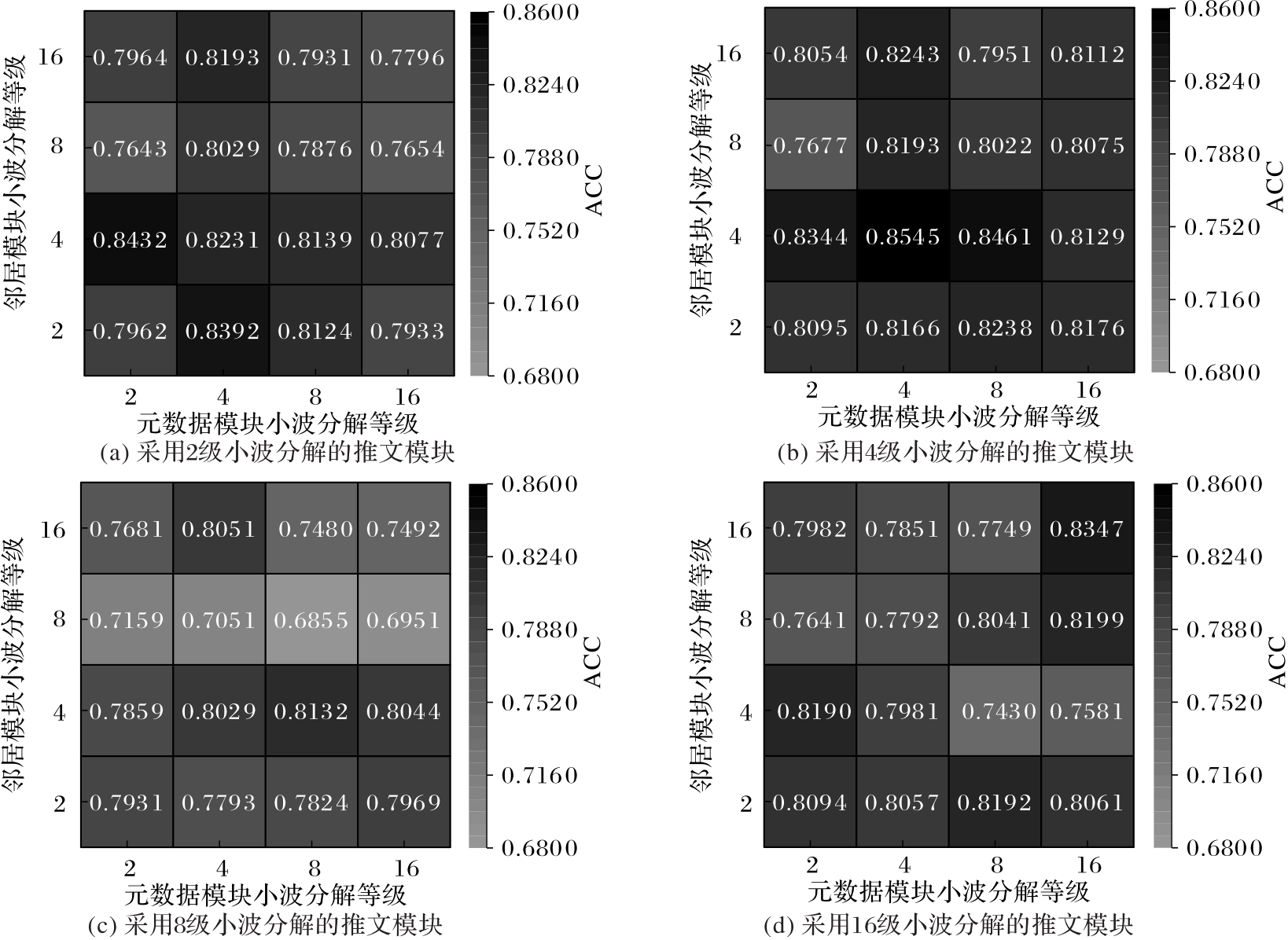
Fig. 4 Sensitivity experimental results of wavelet decomposition layers
| 消融特征 | ACC | F1-score | MCC |
|---|---|---|---|
| Neighbor | 0.779 4 | 0.851 0 | 0.542 5 |
| Property | 0.832 9 | 0.853 3 | 0.678 2 |
| Tweet | 0.802 4 | 0.838 9 | 0.635 7 |
Tab. 4 Feature ablation experimental results
| 消融特征 | ACC | F1-score | MCC |
|---|---|---|---|
| Neighbor | 0.779 4 | 0.851 0 | 0.542 5 |
| Property | 0.832 9 | 0.853 3 | 0.678 2 |
| Tweet | 0.802 4 | 0.838 9 | 0.635 7 |
| 消融模块 | ACC | F1-score | MCC |
|---|---|---|---|
| -SS | 0.659 6 | 0.736 2 | 0.317 2 |
| -A | 0.829 6 | 0.852 8 | 0.653 9 |
| -W | 0.803 0 | 0.842 9 | 0.614 6 |
| -C | 0.838 5 | 0.862 5 | 0.673 4 |
| -SS & -W | 0.645 5 | 0.697 0 | 0.306 5 |
| -SS & -C | 0.649 9 | 0.713 3 | 0.295 4 |
| -SS & -A | 0.603 2 | 0.702 4 | 0.301 9 |
| -W & -C | 0.764 2 | 0.809 1 | 0.602 9 |
| -W & -A | 0.759 2 | 0.799 2 | 0.601 4 |
| -C & -A | 0.805 5 | 0.843 2 | 0.609 1 |
Tab. 5 Module ablation experimental results
| 消融模块 | ACC | F1-score | MCC |
|---|---|---|---|
| -SS | 0.659 6 | 0.736 2 | 0.317 2 |
| -A | 0.829 6 | 0.852 8 | 0.653 9 |
| -W | 0.803 0 | 0.842 9 | 0.614 6 |
| -C | 0.838 5 | 0.862 5 | 0.673 4 |
| -SS & -W | 0.645 5 | 0.697 0 | 0.306 5 |
| -SS & -C | 0.649 9 | 0.713 3 | 0.295 4 |
| -SS & -A | 0.603 2 | 0.702 4 | 0.301 9 |
| -W & -C | 0.764 2 | 0.809 1 | 0.602 9 |
| -W & -A | 0.759 2 | 0.799 2 | 0.601 4 |
| -C & -A | 0.805 5 | 0.843 2 | 0.609 1 |
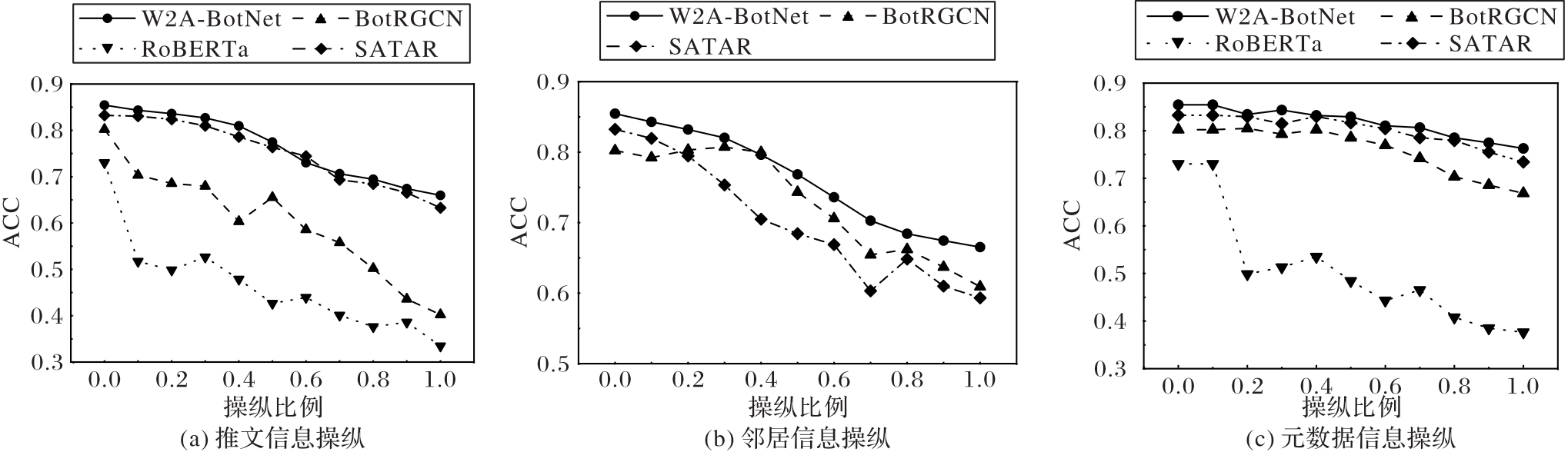
Fig. 5 Feature manipulation experimental results
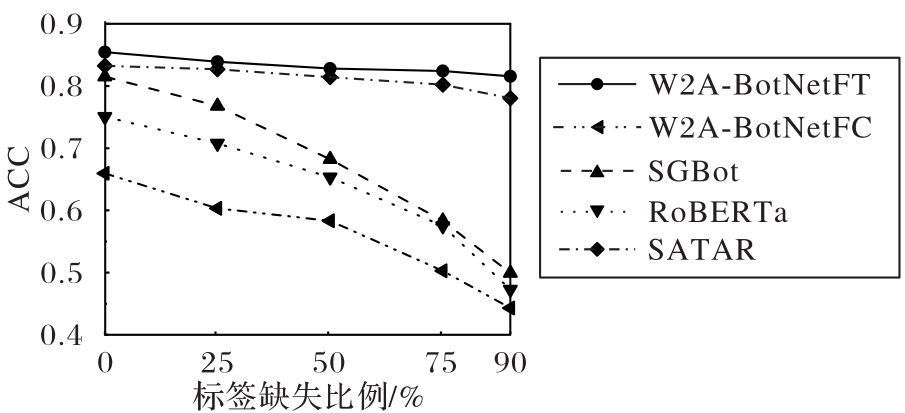
Fig. 6 Sensitivity experimental results of labels
| [1] | CRESCI S. A decade of social bot detection[J]. Communications of the ACM, 2020, 63(10): 72-83. |
| [2] | 杨舟. 社交网络机器人检测综述[J]. 网络安全技术与应用. 2022(3): 135-136. |
| YANG Z. Overview of social network bot detection[J]. Network Security Technology and Application, 2022(3): 135-136. | |
| [3] | 周钰颖,闵勇,江婷君,等. 社交媒体机器人的研究现状、挑战与展望[J]. 小型微型计算机系统, 2022, 43(10): 2113-2121. |
| ZHOU Y Y, MIN Y, JIANG T J, et al. Research status, challenges, and prospects of social media bots[J]. Journal of Chinese Computer Systems, 2022, 43(10): 2113-2121. | |
| [4] | FERRARA E, VAROL O, DAVIS C, et al. The rise of social bots[J]. Communications of the ACM, 2016, 59(7): 96-104. |
| [5] | BRONIATOWSKI D A, JAMISON A M, QI S, et al. Weaponized health communication: Twitter bots and Russian trolls amplify the vaccine debate[J]. American Journal of Public Health, 2018, 108(10): 1378-1384. |
| [6] | KOGAN S, MOSKOWITZ T J, NIESSNER M. Social media and financial news manipulation [J]. Review of Finance, 2023, 27(4): 1229-1268. |
| [7] | SHAO C, CIAMPAGLIA G L, VAROL O, et al. The spread of fake news by social bots[EB/OL]. [2025-04-23].. |
| [8] | YANG K C, VAROL O, HUI P M, et al. Scalable and generalizable social bot detection through data selection[C]// Proceedings of the 34th AAAI Conference on Artificial Intelligence. Palo Alto: AAAI Press, 2020: 1096-1103. |
| [9] | FERRARA E. Social bot detection in the age of ChatGPT: challenges and opportunities[J]. First Monday, 2023, 28(6): No.13185. |
| [10] | DAVIS C A, VAROL O, FERRARA E, et al. BotOrNot: a system to evaluate social bots[C]// Proceedings of the 25th International Conference Companion on World Wide Web. Republic and Canton of Geneva: International World Wide Web Conferences Steering Committee, 2016: 273-274. |
| [11] | CRESCI S, PETROCCHI M, SPOGNARDI A, et al. From reaction to proaction: unexplored ways to the detection of evolving spambots[C]// Companion Proceedings of the Web Conference 2018. Republic and Canton of Geneva: International World Wide Web Conferences Steering Committee, 2018: 1469-1470. |
| [12] | REN L, HU R, LI D, et al. Dynamic graph neural network-based fraud detectors against collaborative fraudsters[J]. Knowledge-Based Systems, 2023, 278: No.110888. |
| [13] | FAZIL M, SAH A K, ABULAISH M. DeepSBD: a deep neural network model with attention mechanism for SocialBot detection[J]. IEEE Transactions on Information Forensics and Security, 2021, 16: 4211-4223. |
| [14] | ZHANG D S. Wavelet transform[M]// Fundamentals of image data mining: analysis, features, classification and retrieval, TCS. Cham: Springer, 2021: 45-54. |
| [15] | CORDONNIER J B, LOUKAS A, JAGGI M. Multi-head attention: collaborate instead of concatenate[EB/OL]. [2025-04-23].. |
| [16] | CHU Z, GIANVECCHIO S, WANG H, et al. Who is tweeting on Twitter: human, bot, or cyborg?[C]// Proceedings of the 26th Annual Computer Security Applications Conference. New York: ACM, 2010: 21-30. |
| [17] | LEE K, CAVERLEE J, WEBB S. The social honeypot project: protecting online communities from spammers[C]// Proceedings of the 19th International Conference on World Wide Web. New York: ACM, 2010: 1139-1140. |
| [18] | RATKIEWICZ J, CONOVER M, MEISS M, et al. Truthy: mapping the spread of astroturf in microblog streams[C]// Proceedings of the 20th International Conference Companion on World Wide Web. New York: ACM, 2011: 249-252. |
| [19] | BENEVENUTO F, MAGNO G, RODRIGUES T, et al. Detecting spammers on Twitter [EB/OL]. [2025-04-23].. |
| [20] | CHANG H C H, FERRARA E. Comparative analysis of social bots and humans during the COVID-19 pandemic[J]. Journal of Computational Social Science, 2022, 5(2): 1409-1425. |
| [21] | SUBRAHMANIAN V S, AZARIA A, DURST S, et al. The DARPA Twitter bot challenge[J]. Computer, 2016, 49(6): 38-46. |
| [22] | ARIN E, KUTLU M. Deep learning based social bot detection on Twitter[J]. IEEE Transactions on Information Forensics and Security. 2023, 18: 1763-1772. |
| [23] | ELLAKY Z, BENABBOU F, OUAHABI S. Systematic literature review of social media bots detection systems [J]. Journal of King Saud University — Computer and Information Sciences, 2023, 35(5): No.101551. |
| [24] | CAI C, LI L, ZENG D. Detecting social bots by jointly modeling deep behavior and content information[C]// Proceedings of the 2017 ACM Conference on Information and Knowledge Management. New York: ACM, 2017: 1995-1998. |
| [25] | WANDA P, JIE H J. DeepProfile: finding fake profile in online social network using dynamic CNN[J]. Journal of Information Security and Applications, 2020, 52: No.102465. |
| [26] | PING H, QIN S. A social bots detection model based on deep learning algorithm[C]// Proceedings of the IEEE 18th International Conference on Communication Technology. Piscataway: IEEE, 2018: 1435-1439. |
| [27] | HAJLI N, SAEED U, TAJVIDI M, et al. Social bots and the spread of disinformation in social media: the challenges of artificial intelligence[J]. British Journal of Management, 2022, 33(3): 1238-1253. |
| [28] | WANG S, CAO J, YU P S. Deep learning for spatio-temporal data mining: a survey[J]. IEEE Transactions on Knowledge and Data Engineering, 2022, 34(8): 3681-3700. |
| [29] | DEVLIN J, CHANG M W, LEE K, et al. BERT: pre-training of deep bidirectional Transformers for language understanding[C]// Proceedings of the 2019 Conference of the North American Chapter of the Association for Computational Linguistics: Human Language Technologies, Volume 1 (Long and Short Papers). Stroudsburg: ACL, 2019: 4171-4186. |
| [30] | RADFORD A, NARASIMHAN K, SALIMANS T, et al. Improving language understanding by generative pre-training [EB/OL]. [2025-04-23].. |
| [31] | LEI Z, WAN H, ZHANG W, et al. BIC: Twitter bot detection with text-graph interaction and semantic consistency[C]// Proceedings of the 61st Annual Meeting of the Association for Computational Linguistics (Volume 1: Long Papers). Stroudsburg: ACL, 2023: 10326-10340. |
| [32] | FENG S, TAN Z, WAN H, et al. TwiBot-22: towards graph-based Twitter bot detection[C]// Proceedings of the 36th International Conference on Neural Information Processing Systems. Red Hook: Curran Associates Inc., 2022: 35254-35269. |
| [33] | PENG H, ZHANG J Y, HUANG X, et al. Unsupervised social bot detection via structural information theory[J]. ACM Transactions on Information Systems. 2024, 42(6): No.148. |
| [34] | ZHAO J, LIU X D, YAN Q B, et al. Multi-attributed heterogeneous graph convolutional network for bot detection[J]. Information Sciences, 2020, 537: 380-393. |
| [35] | LIU F, YANG C, LI Z, et al. Accou2vec: a social bot detection model based on community walk[J]. IEEE Transactions on Dependable and Secure Computing, 2026, 23(2): 1751-1766. |
| [36] | HENDRYCKS D, MAZEIKA M, KADAVATH S, et al. Using self-supervised learning can improve model robustness and uncertainty[C]// Proceedings of the 33rd International Conference on Neural Information Processing Systems. Red Hook: Curran Associates Inc., 2019: 15663-15674. |
| [37] | SIRIWARDHANA S, KALUARACHCHI T, BILLINGHURST M, et al. Multimodal emotion recognition with Transformer-based self supervised feature fusion[J]. IEEE Access, 2020, 8: 176274-176285. |
| [38] | IDHAMMAD M, AFDEL K, BELOUCH M. Semi-supervised machine learning approach for DDoS detection[J]. Applied Intelligence, 2018, 48(10): 3193-3208. |
| [39] | ECKARDT J N, BORNHÄUSER M, WENDT K, et al. Semi-supervised learning in cancer diagnostics[J]. Frontiers in Oncology, 2022, 12: No.960984. |
| [40] | KARISANI P, KARISANI N. Semi-supervised text classification via self-pretraining[C]// Proceedings of the 14th ACM International Conference on Web Search and Data Mining. New York: ACM, 2021: 40-48. |
| [41] | SONG Z, YANG X, XU Z, et al. Graph-based semi-supervised learning: a comprehensive review[J]. IEEE Transactions on Neural Networks and Learning Systems, 2023, 34(11): 8174-8194. |
| [42] | ZANG H, WAN X. A semi-supervised approach for low-resourced text generation[EB/OL]. [2025-04-23].. |
| [43] | MENG Y, SHEN J, ZHANG C, et al. Weakly-supervised neural text classification[C]// Proceedings of the 27th ACM International Conference on Information and Knowledge Management. New York: ACM, 2018: 983-992. |
| [44] | LIU Y, JIN M, PAN S, et al. Graph self-supervised learning: a survey[J]. IEEE Transactions on Knowledge and Data Engineering, 2023, 35(6): 5879-5900. |
| [45] | BOND-TAYLOR S, LEACH A, LONG Y, et al. Deep generative modelling: a comparative review of VAEs, GANs, normalizing flows, energy-based and autoregressive models[J]. IEEE Transactions on Pattern Analysis and Machine Intelligence, 2022, 44(11): 7327-7347. |
| [46] | LI C, ZHU J, ZHANG B. Max-margin deep generative models for (semi-)supervised learning[J]. IEEE Transactions on Pattern Analysis and Machine Intelligence, 2018, 40(11): 2762-2775. |
| [47] | CAPROLU M, SADIGHIAN A, DI PIETRO R. Characterizing the 2022 Russo-Ukrainian conflict through the lenses of aspect-based sentiment analysis: dataset, methodology, and key findings[C]// Proceedings of the 32nd International Conference on Computer Communications and Networks. Piscataway: IEEE, 2023: 1-10. |
| [48] | GOLDBERG Y, LEVY O. word2vec Explained: deriving Mikolovet al.’s negative-sampling word-embedding method[EB/OL]. [2025-04-23].. |
| [49] | RODRÍGUEZ P, BAUTISTA M A, GONZÀLEZ J, et al. Beyond one-hot encoding: lower dimensional target embedding[J]. Image and Vision Computing, 2018, 75: 21-31. |
| [50] | BARABÁSI A L, ALBERT R. Emergence of scaling in random networks[J]. Science, 1999, 286(5439): 509-512. |
| [51] | CRESCI S, DI PIETRO R, PETROCCHI M, et al. The paradigm-shift of social spambots: evidence, theories, and tools for the arms race[C]// Proceedings of the 26th International Conference on World Wide Web Companion. Republic and Canton of Geneva: International World Wide Web Conferences Steering Committee, 2017: 963-972. |
| [52] | MARWICK A E, BOYD D. I tweet honestly, I tweet passionately: Twitter users, context collapse, and the imagined audience[J]. New Media and Society, 2011, 13(1): 114-133. |
| [53] | CRESCI S, DI PIETRO R, PETROCCHI M, et al. Fame for sale: efficient detection of fake Twitter followers[J]. Decision Support Systems, 2015, 80: 56-71. |
| [54] | FENG S, WAN H, WANG N, et al. TwiBot-20: a comprehensive Twitter bot detection benchmark[C]// Proceedings of the 30th ACM International Conference on Information and Knowledge Management. New York: ACM, 2021: 4485-4494. |
| [55] | CORTES C, VAPNIK V. Support-vector networks[J]. Machine Learning, 1995, 20(3): 273-297. |
| [56] | BREIMAN L. Random forests[J]. Machine Learning, 2001, 45(1): 5-32. |
| [57] | CRESCI S, DI PIETRO R, PETROCCHI M, et al. DNA-inspired online behavioral modeling and its application to spambot detection[J]. IEEE Intelligent Systems, 2016, 31(5): 58-64. |
| [58] | FENG S, WAN H, WANG N, et al. SATAR: a self-supervised approach to Twitter account representation learning and its application in bot detection[C]// Proceedings of the 30th ACM International Conference on Information and Knowledge Management. New York: ACM, 2021: 3808-3817. |
| [59] | LIU Y, OTT M, GOYAL N, et al. RoBERTa: a robustly optimized BERT pretraining approach[EB/OL]. [2025-04-23].. |
| [60] | FENG S, WAN H, WANG N, et al. BotRGCN: Twitter bot detection with relational graph convolutional networks[C]// Proceedings of the 2021 IEEE/ACM International Conference on Advances in Social Networks Analysis and Mining. New York: ACM, 2021: 236-239. |
| [61] | FENG S, TAN Z, LI R, et al. Heterogeneity-aware Twitter bot detection with relational graph transformers[C]// Proceedings of the 36th AAAI Conference on Artificial Intelligence. Palo Alto: AAAI Press, 2022: 3977-3985. |
| [62] | FENG S, WAN H, WANG N, et al. What does the bot say? opportunities and risks of large language models in social media bot detection[C]// Proceedings of the 62nd Annual Meeting of the Association for Computational Linguistics (Volume 1: Long Papers). Stroudsburg: ACL, 2024: 3580-3601. |
| [1] | Hang QI, Tingting DONG, Yongqiang NAI, Xian MO. Contrastive collaborative filtering method based on graph diffusion generation and adaptive sampling [J]. Journal of Computer Applications, 2026, 46(6): 1818-1828. |
| [2] | Min LU, Hui ZHOU. Airport gate assignment algorithm based on node prediction in conflict graph of assigned activities [J]. Journal of Computer Applications, 2026, 46(6): 1913-1921. |
| [3] | Haoran YUAN, Huan LIU, Pengfei JIAO, Zhidong ZHAO, Xianfei ZHANG, Zunliang LIU. Masked autoencoder enhanced dynamic heterogeneous graph representation learning model [J]. Journal of Computer Applications, 2026, 46(6): 1728-1737. |
| [4] | Bingqing LI, Binhao HUANG, Yubei TANG, Baili ZHANG. Quality of service prediction model for data sparsity and cold start problems [J]. Journal of Computer Applications, 2026, 46(6): 1829-1835. |
| [5] | Fengwei CHENG, Bingqi ZHANG, Guohua XU, Wenjian WANG. Competitive loss-driven generative imbalanced node classification [J]. Journal of Computer Applications, 2026, 46(5): 1475-1481. |
| [6] | Chi ZHANG, Xianjing MENG, Changhao DOU, Qian WANG, Leilei GENG, Xiaoming XI. MD-FVR: cascaded finger vein recognition network based on multi-domain feature fusion [J]. Journal of Computer Applications, 2026, 46(5): 1658-1666. |
| [7] | Xiaobo QI, Jing ZHANG, Ying SHI, Hui QI, Hangyuan DU. Multiple active learning method based on concept drift detection [J]. Journal of Computer Applications, 2026, 46(5): 1388-1396. |
| [8] | Kun FU, Haoyu WEI, Weijing LIU, Xing DANG, Zezheng LIU, Jianwei LI. Graph neural network framework for topology semantic dual-domain collaboration [J]. Journal of Computer Applications, 2026, 46(5): 1378-1387. |
| [9] | Zhige HE, Chang LIU, Junrui WU, Haoran LUO, Shuisong HU, Wenyong WANG. Review of DDoS attack defense technology [J]. Journal of Computer Applications, 2026, 46(4): 1139-1157. |
| [10] | Xumeng DOU, Bin XIE, Zhaohui ZHANG, Zhengang ZHAO, Hanyu DUAN, Aolei GUO. Drug-target interaction prediction based on structure-network collaborative features and grid-attention enhanced Kolmogorov-Arnold network [J]. Journal of Computer Applications, 2026, 46(4): 1344-1353. |
| [11] | Shengwei XU, Jianbo WANG, Jijie HAN, Yijie BAI. Face forgery detection method based on tri-branch feature extraction [J]. Journal of Computer Applications, 2026, 46(4): 1292-1299. |
| [12] | Rilong WANG, Zhenping LI, Xiaosong LI, Qiang GAO, Ya HE, Yong ZHONG, Yingxiao ZHAO. Multi-Agent collaborative knowledge reasoning framework [J]. Journal of Computer Applications, 2026, 46(3): 708-714. |
| [13] | Yongwei JIANG, Xiaoqing CHEN, Linjie FU. Elastic medical image registration model with high-frequency preservation based on spectrum decomposition [J]. Journal of Computer Applications, 2026, 46(3): 924-932. |
| [14] | Enkang XI, Jing FAN, Yadong JIN, Hua DONG, Hao YU, Yihang SUN. Review of threats faced by federated learning in privacy and security field [J]. Journal of Computer Applications, 2026, 46(3): 798-808. |
| [15] | Huihui CHEN, Hongtao SUN, Boliang GUAN, Zhongqing HENG. Chinese character image retrieval algorithm in ancient books based on NetVLAD feature encoding [J]. Journal of Computer Applications, 2026, 46(3): 750-757. |
| Viewed | ||||||
|
Full text |
|
|||||
|
Abstract |
|
|||||
