


Journal of Computer Applications ›› 2026, Vol. 46 ›› Issue (8): 2541-2547.DOI: 10.11772/j.issn.1001-9081.2025070854
• Advanced computing • Previous Articles Next Articles
Boran TIAN1, Jiantao ZHOU1,2,3,4( ), Daming ZHAO5
Received:2025-07-29
Revised:2025-09-22
Accepted:2025-09-22
Online:2025-11-05
Published:2026-08-10
Contact:
Jiantao ZHOU
About author:TIAN Boran, born in 2000, M. S. candidate. Her research interests include energy efficiency and resource scheduling in cloud computing, resource scheduling.Supported by:
田博然1, 周建涛1,2,3,4(), 赵大明5
通讯作者:
周建涛
作者简介:田博然(2000—),女,河北廊坊人,硕士研究生,主要研究方向:云计算节能资源调度基金资助:CLC Number:
Boran TIAN, Jiantao ZHOU, Daming ZHAO. Two-stage energy consumption feature selection method based on tree-based models[J]. Journal of Computer Applications, 2026, 46(8): 2541-2547.
田博然, 周建涛, 赵大明. 基于树基模型的双阶段能耗特征选择方法[J]. 《计算机应用》唯一官方网站, 2026, 46(8): 2541-2547.
Add to citation manager EndNote|Ris|BibTeX
URL: https://www.joca.cn/EN/10.11772/j.issn.1001-9081.2025070854
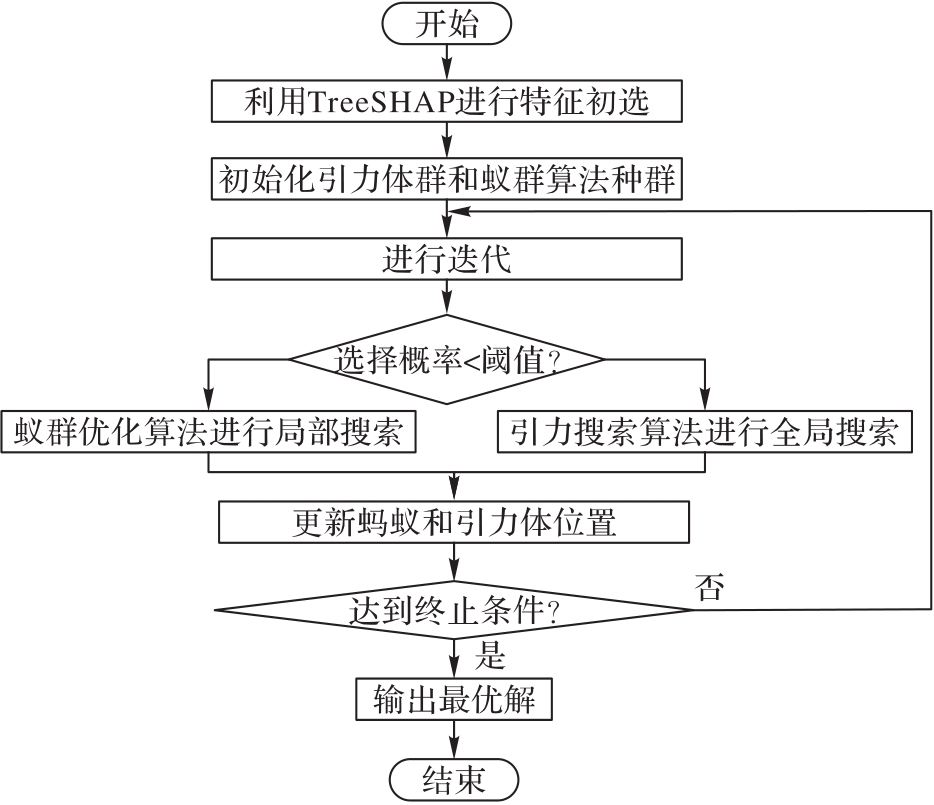
Fig. 1 Design flow of SHAP-ACOGSA
| 特征选择方法 | 子集大小 | 特征选择方法 | 子集大小 |
|---|---|---|---|
| ACO | 8 | Lasso | 12 |
| GSA | 7 | Pearson | 8 |
| GA | 6 | Spearman | 7 |
| PSO | 7 | SHAP-ACOGSA | 5 |
Tab. 1 Feature subset sizes generated by different feature selection methods
| 特征选择方法 | 子集大小 | 特征选择方法 | 子集大小 |
|---|---|---|---|
| ACO | 8 | Lasso | 12 |
| GSA | 7 | Pearson | 8 |
| GA | 6 | Spearman | 7 |
| PSO | 7 | SHAP-ACOGSA | 5 |
| 特征名称 | 物理意义 |
|---|---|
| CPU_Load | CPU负载 |
| Ambient_Temperature | 环境温度 |
| Network_RX | 网络接收速率 |
| Ram_Load | Ram负载 |
| CPU1_Temperature | CPU1温度 |
Tab. 2 Feature subsets obtained by SHAP-ACOGSA
| 特征名称 | 物理意义 |
|---|---|
| CPU_Load | CPU负载 |
| Ambient_Temperature | 环境温度 |
| Network_RX | 网络接收速率 |
| Ram_Load | Ram负载 |
| CPU1_Temperature | CPU1温度 |
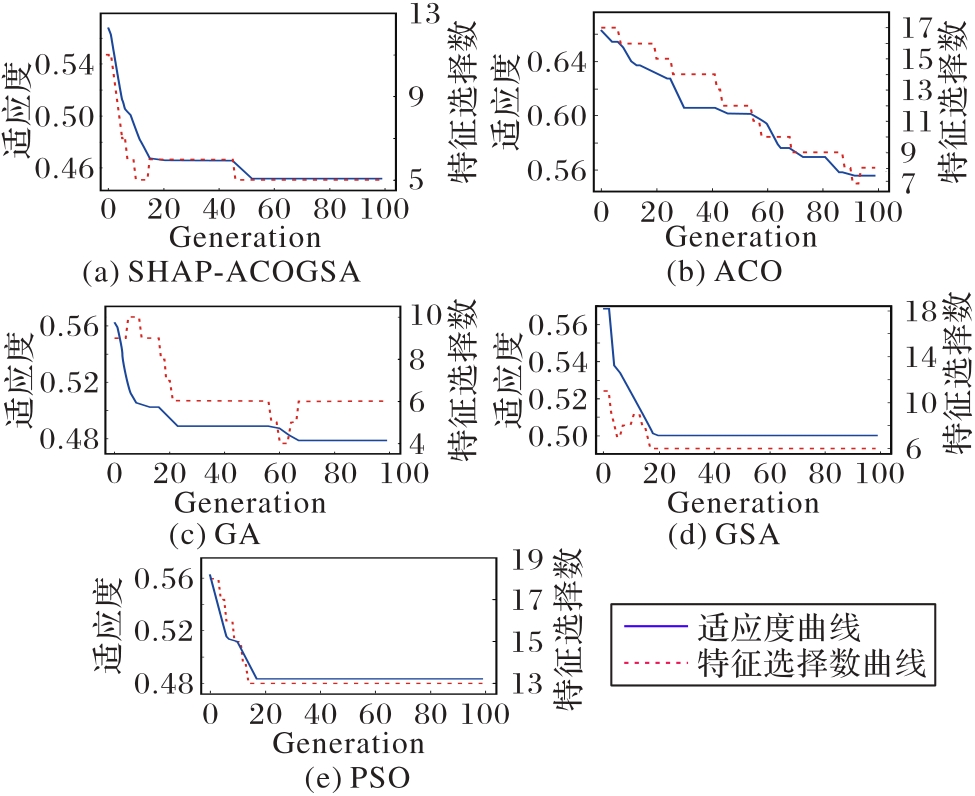
Fig. 2 Fitness and feature dimension change curves of different feature selection methods
| 特征选择方法 | 评价指标 | |||
|---|---|---|---|---|
| 用时/s | 子集大小 | 适应度 | RMSE | |
| SHAP | 16.13 | 8 | 0.747 | 0.634 |
| ACO | 757.35 | 8 | 0.551 | 0.372 |
| GSA | 413.01 | 7 | 0.503 | 0.354 |
| ACO-GSA | 317.31 | 7 | 0.471 | 0.351 |
| SHAP-ACOGSA | 285.51 | 5 | 0.445 | 0.338 |
Tab. 3 Ablation study result comparison
| 特征选择方法 | 评价指标 | |||
|---|---|---|---|---|
| 用时/s | 子集大小 | 适应度 | RMSE | |
| SHAP | 16.13 | 8 | 0.747 | 0.634 |
| ACO | 757.35 | 8 | 0.551 | 0.372 |
| GSA | 413.01 | 7 | 0.503 | 0.354 |
| ACO-GSA | 317.31 | 7 | 0.471 | 0.351 |
| SHAP-ACOGSA | 285.51 | 5 | 0.445 | 0.338 |
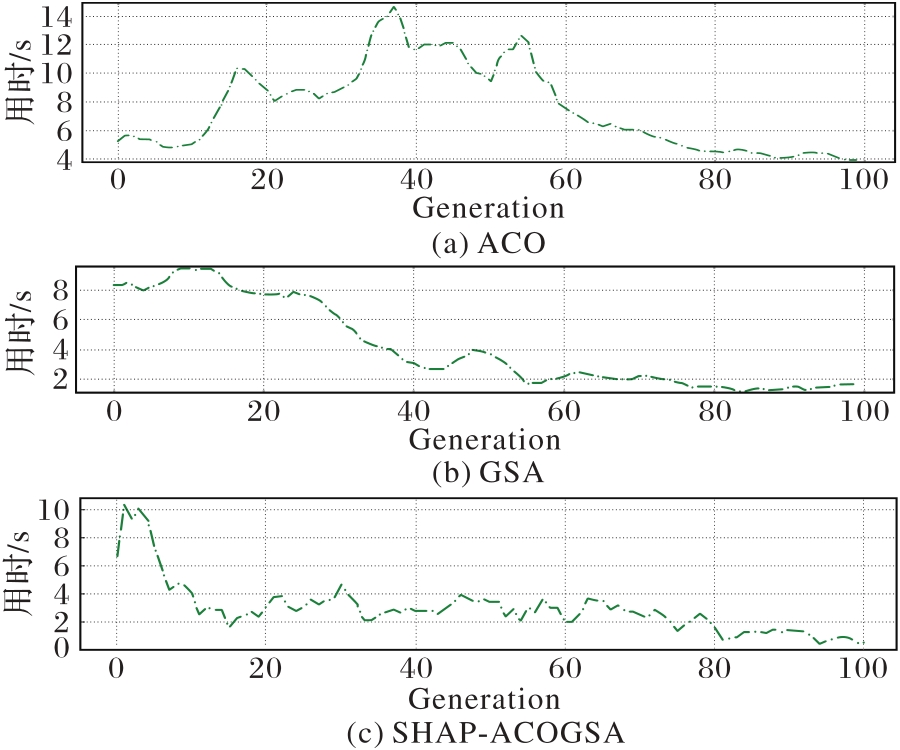
Fig. 3 Iteration time curves of different feature selection methods
| 特征选择方法 | 评价指标 | 预测模型 | |||
|---|---|---|---|---|---|
| DT | SVR | Ridge | XGBoost | ||
| 无 | RMSE | 1.891 | 0.946 | 1.342 | 1.961 |
| MAE | 1.695 | 0.707 | 1.117 | 1.830 | |
| R-squared | 0.875 | 0.975 | 0.908 | 0.779 | |
| ACO | RMSE | 0.451 | 0.341 | 0.401 | 0.372 |
| MAE | 0.275 | 0.207 | 0.243 | 0.225 | |
| R-squared | 0.977 | 0.986 | 0.981 | 0.98 | |
| GSA | RMSE | 0.473 | 0.334 | 0.422 | 0.354 |
| MAE | 0.289 | 0.201 | 0.308 | 0.221 | |
| R-squared | 0.978 | 0.988 | 0.979 | 0.972 | |
| GA | RMSE | 0.411 | 0.346 | 0.431 | 0.359 |
| MAE | 0.213 | 0.209 | 0.311 | 0.224 | |
| R-squared | 0.997 | 0.987 | 0.978 | 0.980 | |
| PSO | RMSE | 0.492 | 0.381 | 0.503 | 0.366 |
| MAE | 0.390 | 0.231 | 0.326 | 0.229 | |
| R-squared | 0.975 | 0.984 | 0.975 | 0.979 | |
| Lasso | RMSE | 0.481 | 0.343 | 0.371 | 0.356 |
| MAE | 0.251 | 0.208 | 0.226 | 0.222 | |
| R-squared | 0.982 | 0.987 | 0.983 | 0.981 | |
| Pearson | RMSE | 0.466 | 0.351 | 0.411 | 0.363 |
| MAE | 0.285 | 0.213 | 0.296 | 0.227 | |
| R-squared | 0.978 | 0.986 | 0.976 | 0.979 | |
| Spearman | RMSE | 0.464 | 0.349 | 0.409 | 0.362 |
| MAE | 0.283 | 0.211 | 0.294 | 0.226 | |
| R-squared | 0.978 | 0.986 | 0.981 | 0.979 | |
| SHAP-ACOGSA | RMSE | 0.472 | 0.338 | 0.368 | 0.351 |
| MAE | 0.245 | 0.206 | 0.228 | 0.226 | |
| R-squared | 0.983 | 0.998 | 0.984 | 0.988 | |
Tab. 4 Accuracy comparison of different feature selection methods on different prediction models
| 特征选择方法 | 评价指标 | 预测模型 | |||
|---|---|---|---|---|---|
| DT | SVR | Ridge | XGBoost | ||
| 无 | RMSE | 1.891 | 0.946 | 1.342 | 1.961 |
| MAE | 1.695 | 0.707 | 1.117 | 1.830 | |
| R-squared | 0.875 | 0.975 | 0.908 | 0.779 | |
| ACO | RMSE | 0.451 | 0.341 | 0.401 | 0.372 |
| MAE | 0.275 | 0.207 | 0.243 | 0.225 | |
| R-squared | 0.977 | 0.986 | 0.981 | 0.98 | |
| GSA | RMSE | 0.473 | 0.334 | 0.422 | 0.354 |
| MAE | 0.289 | 0.201 | 0.308 | 0.221 | |
| R-squared | 0.978 | 0.988 | 0.979 | 0.972 | |
| GA | RMSE | 0.411 | 0.346 | 0.431 | 0.359 |
| MAE | 0.213 | 0.209 | 0.311 | 0.224 | |
| R-squared | 0.997 | 0.987 | 0.978 | 0.980 | |
| PSO | RMSE | 0.492 | 0.381 | 0.503 | 0.366 |
| MAE | 0.390 | 0.231 | 0.326 | 0.229 | |
| R-squared | 0.975 | 0.984 | 0.975 | 0.979 | |
| Lasso | RMSE | 0.481 | 0.343 | 0.371 | 0.356 |
| MAE | 0.251 | 0.208 | 0.226 | 0.222 | |
| R-squared | 0.982 | 0.987 | 0.983 | 0.981 | |
| Pearson | RMSE | 0.466 | 0.351 | 0.411 | 0.363 |
| MAE | 0.285 | 0.213 | 0.296 | 0.227 | |
| R-squared | 0.978 | 0.986 | 0.976 | 0.979 | |
| Spearman | RMSE | 0.464 | 0.349 | 0.409 | 0.362 |
| MAE | 0.283 | 0.211 | 0.294 | 0.226 | |
| R-squared | 0.978 | 0.986 | 0.981 | 0.979 | |
| SHAP-ACOGSA | RMSE | 0.472 | 0.338 | 0.368 | 0.351 |
| MAE | 0.245 | 0.206 | 0.228 | 0.226 | |
| R-squared | 0.983 | 0.998 | 0.984 | 0.988 | |
| [1] | Wang Y, Yang X. Cloud computing energy consumption prediction based on kernel extreme learning machine algorithm improved by vector weighted average algorithm[C]// AIITA 2025. Piscataway: IEEE, 2025: 1355-1361. |
| [2] | Theng D, Bhoyar K K. Feature selection techniques for machine learning: a survey of more than two decades of research[J]. Knowledge and Information Systems, 2024, 66(3): 1575-1637. |
| [3] | Jiang J, Zhang X, Yang J. Unsupervised feature selection based on incremental forward iterative Laplacian score[J]. Artificial Intelligence Review, 2023, 56(5): 4077-4112. |
| [4] | Salmi A, Hammouche K, MacAire L. Similarity-based constraint score for feature selection[J]. Knowledge-Based Systems, 2020, 209: No.106429. |
| [5] | Fejzic A, Tihac A, Boskovic D. Statistical filtering methods for feature selection in arrhythmia classification[C]// ICAT 2023. Piscataway: IEEE, 2023: 1-6. |
| [6] | 杨家权. 基于粒子群优化算法的大规模特征选择研究[D]. 广州:华南理工大学, 2024. |
| Yang Jiaquan. Research on large-scale feature selection using particle swarm optimization[D]. Guangzhou: South China University of Technology, 2024. | |
| [7] | Yilmaz Eroglu D, Akcan U. An adapted ant colony optimization for feature selection[J]. Applied Artificial Intelligence, 2024, 38(1): No.2335098. |
| [8] | Hosseini M, Navabi M S. Hybrid PSO-GSA based approach for feature selection[J]. Journal of Industrial Engineering and Management Studies, 2023, 10(1): 1-15. |
| [9] | 刘诗琪,潘大志. 基于精英思想自适应改进万有引力搜索算法[J].智能计算机与应用, 2024, 14(1): 16-21. |
| Liu Shiqi, Pan Dazhi. Adaptive improvement of gravitational search algorithm based on elite thought[J]. Intelligent Computer and Applications, 2024, 14(1): 16-21. | |
| [10] | Pramanik R, Pramanik P, Sarkar R. Breast cancer detection in thermograms using a hybrid of GA and GWO based deep feature selection method[J]. Expert Systems with Applications, 2023, 219: No.119643. |
| [11] | Li Z Z, Wang F L, Qin F, et al. Feature selection of gene expression data using a modified artificial fish swarm algorithm with population variation[J]. IEEE Access, 2024, 12: 72688-72706. |
| [12] | Zhou H, Zhang J, Zhou Y, et al. A feature selection algorithm of decision tree based on feature weight[J]. Expert Systems with Applications, 2021, 164: No.113842. |
| [13] | Naik A K, Kuppili V. An embedded feature selection method based on generalized classifier neural network for cancer classification[J]. Computers in Biology and Medicine, 2024, 168: No.107677. |
| [14] | Wang H, Liang Q, Hancock J T, et al. Feature selection strategies: a comparative analysis of SHAP-value and importance-based methods[J]. Journal of Big Data, 2024, 11: No.44. |
| [15] | Enouen J, Liu Y. InstaSHAP: interpretable additive models explain Shapley values instantly[PP/OL]. V1. arXiv (2025-02-20) [2025-09-19].. |
| [16] | Yang J. Fast TreeSHAP: accelerating SHAP value computation for trees[PP/OL]. V3. arXiv (2022-07-26) [2025-09-19].. |
| [17] | Zhou X, Gui W, Heidari A A, et al. Random following ant colony optimization: continuous and binary variants for global optimization and feature selection[J]. Applied Soft Computing, 2023, 144: No.110513. |
| [18] | 王昱钦. 基于粒子群和蚁群混合算法的柔性车间调度算法[J]. 电子设计工程, 2023, 31(17): 65-69. |
| Wang Yuqin. Flexible job-shop scheduling algorithm based on hybrid algorithm of particle swarm and ant colony[J]. Electronic Design Engineering, 2023, 31(17): 65-69. | |
| [19] | Nazir M S, Abdalla A N, Zhao H, et al. Optimized economic operation of energy storage integration using improved gravitational search algorithm and dual stage optimization[J]. Journal of Energy Storage, 2022, 50: No.104591. |
| [20] | Ilager S, Ramamohanarao K, Buyya R. Thermal prediction for efficient energy management of clouds using machine learning[J]. IEEE Transactions on Parallel and Distributed Systems, 2021, 32(5): 1044-1056. |
| [21] | Kashef S, Nezamabadi-Pour H. A new feature selection algorithm based on binary ant colony optimization[C]// IKT 2013. Piscataway: IEEE, 2013: 50-54. |
| [22] | Sheikhan M, Bostani H. Binary Gravitational Search Algorithm (BGSA): improved efficiency[M]// Herold R, Rogers M K. Encyclopedia of information assurance — 4 volume set (print). New York: Auerbach Publications, 2010: 1-19. |
| [23] | Babatunde O H, Armstrong L, Leng J, et al. A genetic algorithm-based feature selection[J]. International Journal of Electronics Communication and Computer Engineering, 2014, 5(4): 899-905. |
| [24] | Dara S, Banka H. A binary PSO feature selection algorithm for gene expression data[C]// ICACACT 2014. Piscataway: IEEE, 2014: 1-6. |
| [25] | Fonti V. Feature selection using LASSO[D/OL]. [2025-09-19].. |
| [26] | Rawal K, Ahmad A. Feature selection for electrical demand forecasting and analysis of Pearson coefficient[C]// CIEEC 2021. Piscataway: IEEE, 2021: 1-6. |
| [27] | Nogueira S, Sechidis K, Brown G. On the use of Spearman’s rho to measure the stability of feature rankings[C]// IbPRIA 2017, LNCS 10255 . Cham: Springer, 2017: 381-391. |
| [28] | Sapankevych N I, Sankar R. Time series prediction using support vector machines: a survey[J]. IEEE Computational Intelligence Magazine, 2009, 4(2): 24-38. |
| [29] | Cule E, De Iorio M. Ridge regression in prediction problems: automatic choice of the ridge parameter[J]. Genetic Epidemiology, 2013, 37(7): 704-714. |
| [30] | Li W, Yin Y, Quan X, et al. Gene expression value prediction based on XGBoost algorithm[J]. Frontiers in Genetics, 2019, 10: No.1077. |
| [31] | Piao J T, Yan J. Computing resource prediction for mapreduce applications using decision tree[C]// APWeb 2012, LNCS 7235. Berlin: Springer, 2012: 570-577. |
| [1] | Xue XU, Hu FAN, Yandan WANG, Xue DING, Xuefeng GAO, Bo ZHANG, Bo LIU, Beihong JIN. Multi-view consistency-driven robust feature selection method [J]. Journal of Computer Applications, 2026, 46(6): 1844-1854. |
| [2] | Xipei TAO, Hengrong JU, Xiaoxue FAN, Xiaoyang ZOU, Weiping DING. Distributed multi-label feature selection method with feature-label neighborhood collaborative correlation [J]. Journal of Computer Applications, 2026, 46(5): 1482-1489. |
| [3] | Dixin WANG, Jiahao WANG, Min LI, Hao CHEN, Guangyao HU, Yu GONG. Abnormal attack detection for underwater acoustic communication network [J]. Journal of Computer Applications, 2025, 45(2): 526-533. |
| [4] | Lixia XIE, Jiamin WANG, Hongyu YANG, Ze HU, Xiang CHENG. Low-latency DDoS attack detection based on hybrid feature selection [J]. Journal of Computer Applications, 2025, 45(10): 3231-3240. |
| [5] | Hong CHEN, Bing QI, Haibo JIN, Cong WU, Li’ang ZHANG. Class-imbalanced traffic abnormal detection based on 1D-CNN and BiGRU [J]. Journal of Computer Applications, 2024, 44(8): 2493-2499. |
| [6] | Lin GAO, Yu ZHOU, Tak Wu KWONG. Evolutionary bi-level adaptive local feature selection [J]. Journal of Computer Applications, 2024, 44(5): 1408-1414. |
| [7] | Mingzhu LEI, Hao WANG, Rong JIA, Lin BAI, Xiaoying PAN. Oversampling algorithm based on synthesizing minority class samples using relationship between features [J]. Journal of Computer Applications, 2024, 44(5): 1428-1436. |
| [8] | Dapeng XU, Xinmin HOU. Feature selection method for graph neural network based on network architecture design [J]. Journal of Computer Applications, 2024, 44(3): 663-670. |
| [9] | Shengjie MENG, Wanjun YU, Ying CHEN. Feature selection algorithm for high-dimensional data with maximum correlation and maximum difference [J]. Journal of Computer Applications, 2024, 44(3): 767-771. |
| [10] | Lin SUN, Menghan LIU. K-means clustering based on adaptive cuckoo optimization feature selection [J]. Journal of Computer Applications, 2024, 44(3): 831-841. |
| [11] | Jingxin LIU, Wenjing HUANG, Liangsheng XU, Chong HUANG, Jiansheng WU. Unsupervised feature selection model with dictionary learning and sample correlation preservation [J]. Journal of Computer Applications, 2024, 44(12): 3766-3775. |
| [12] | Tian HE, Zongxin SHEN, Qianqian HUANG, Yanyong HUANG. Adaptive learning-based multi-view unsupervised feature selection method [J]. Journal of Computer Applications, 2023, 43(9): 2657-2664. |
| [13] | Lin SUN, Jinxu HUANG, Jiucheng XU. Feature selection for imbalanced data based on neighborhood tolerance mutual information and whale optimization algorithm [J]. Journal of Computer Applications, 2023, 43(6): 1842-1854. |
| [14] | Zhenhua YU, Zhengqi LIU, Ying LIU, Cheng GUO. Feature selection method based on self-adaptive hybrid particle swarm optimization for software defect prediction [J]. Journal of Computer Applications, 2023, 43(4): 1206-1213. |
| [15] | Lin SUN, Tianjiao MA, Zhan’ao XUE. Multilabel feature selection algorithm based on Fisher score and fuzzy neighborhood entropy [J]. Journal of Computer Applications, 2023, 43(12): 3779-3789. |
| Viewed | ||||||
|
Full text |
|
|||||
|
Abstract |
|
|||||
