


Journal of Computer Applications ›› 2026, Vol. 46 ›› Issue (10): 3107-3116.DOI: 10.11772/j.issn.1001-9081.2025091092
• Artificial intelligence • Previous Articles
Shangzhi TENG1, Jin HUANG1, Xueqiang LYU1, Xindong YOU2( )
)
Received:2025-09-19
Revised:2026-01-07
Accepted:2026-01-14
Online:2026-03-16
Published:2026-10-10
Contact:
Xindong YOU
About author:TENG Shangzhi, born in 1989, Ph. D., associate professor. His research interests include natural language processing.Supported by:
滕尚志1, 黄进1, 吕学强1, 游新冬2()
通讯作者:
游新冬
作者简介:滕尚志(1989—),男,江苏沛县人,副教授,博士,主要研究方向:自然语言处理基金资助:CLC Number:
Shangzhi TENG, Jin HUANG, Xueqiang LYU, Xindong YOU. Joint intent-slot recognition method based on prompt-guided generation and tri-mutual attention[J]. Journal of Computer Applications, 2026, 46(10): 3107-3116.
滕尚志, 黄进, 吕学强, 游新冬. 基于提示引导生成与三元交互注意力的意图槽位联合识别方法[J]. 《计算机应用》唯一官方网站, 2026, 46(10): 3107-3116.
Add to citation manager EndNote|Ris|BibTeX
URL: https://www.joca.cn/EN/10.11772/j.issn.1001-9081.2025091092
| 序号 | 候选意图 | 候选槽位信息 |
|---|---|---|
| 1 | 查询产品 | {"产业链环节": "中游","产业类别": "芯片材料","产品类型": "GaN"} |
| 2 | 查询产品 | {"产业链环节": "中游","产业类别": "芯片材料","产品类型": "衬底"} |
| 3 | 查询产品 | {"产业类别": "芯片材料","产品类型": "GaN"} |
| 4 | 查询产品 | {"产业类别": "芯片材料","产品类型": "衬底"} |
| 5 | 查询产品 | {"产业链环节": "中游"} |
Tab. 1 Examples of LLM output candidate results
| 序号 | 候选意图 | 候选槽位信息 |
|---|---|---|
| 1 | 查询产品 | {"产业链环节": "中游","产业类别": "芯片材料","产品类型": "GaN"} |
| 2 | 查询产品 | {"产业链环节": "中游","产业类别": "芯片材料","产品类型": "衬底"} |
| 3 | 查询产品 | {"产业类别": "芯片材料","产品类型": "GaN"} |
| 4 | 查询产品 | {"产业类别": "芯片材料","产品类型": "衬底"} |
| 5 | 查询产品 | {"产业链环节": "中游"} |
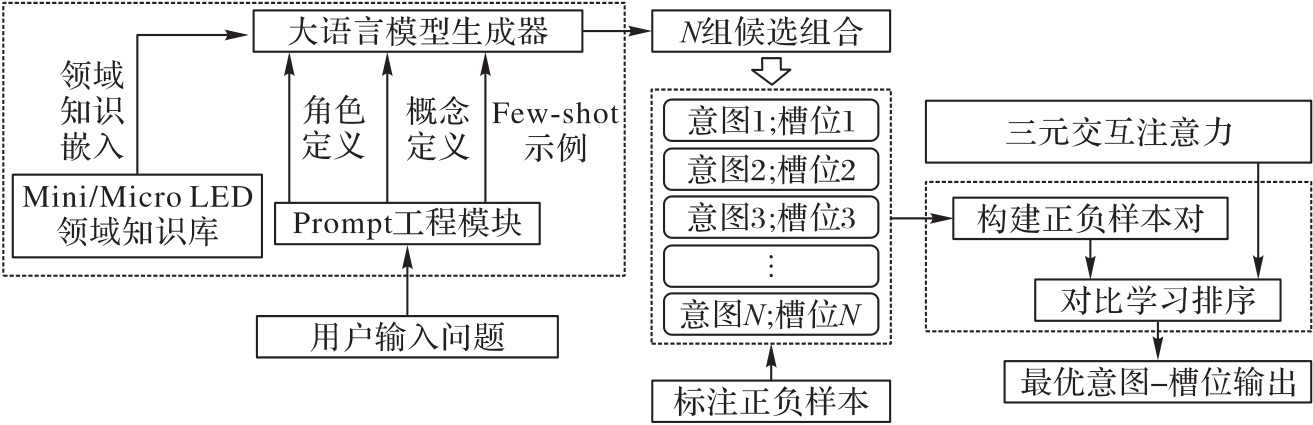
Fig. 1 Overall framework of PGT-Joint
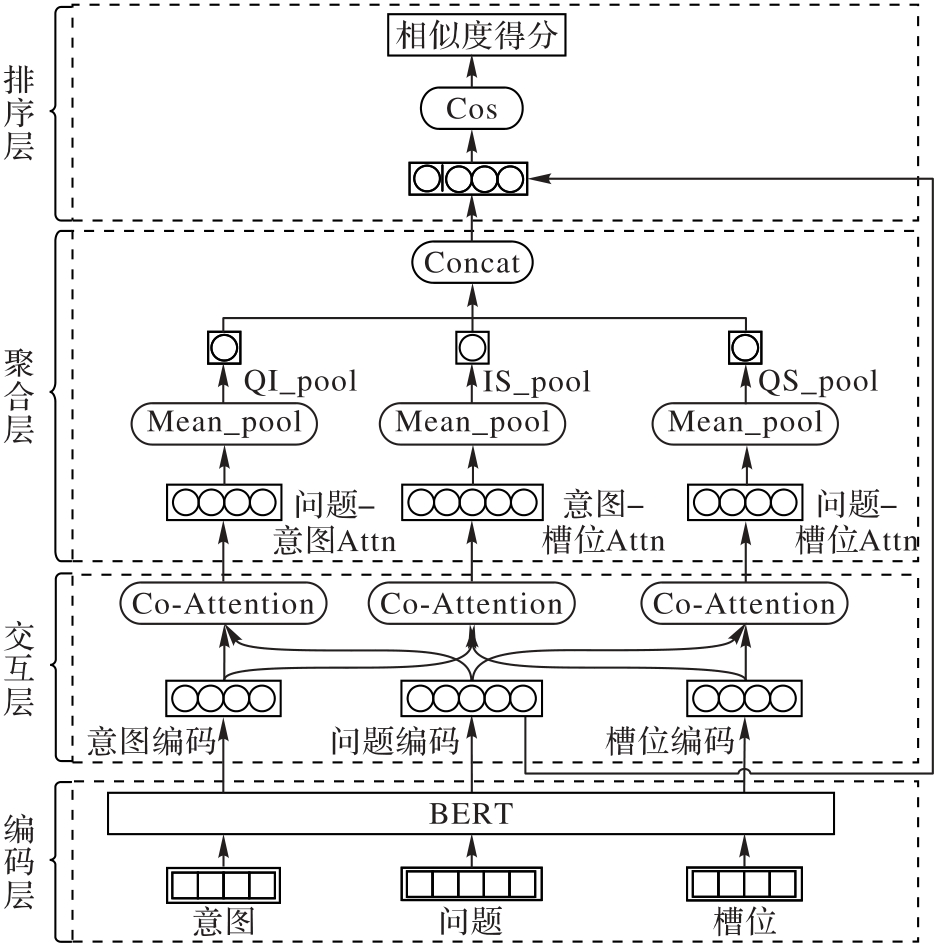
Fig. 2 Structure of tri-mutual attention mechanism
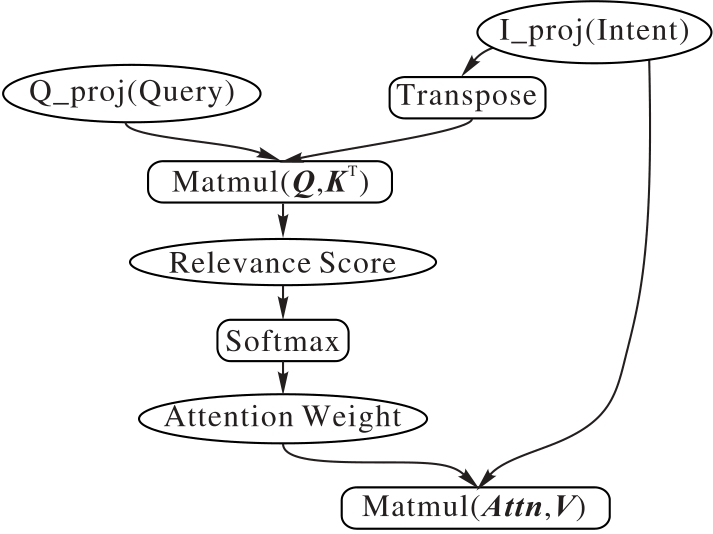
Fig. 3 Flow of question-intent mutual attention
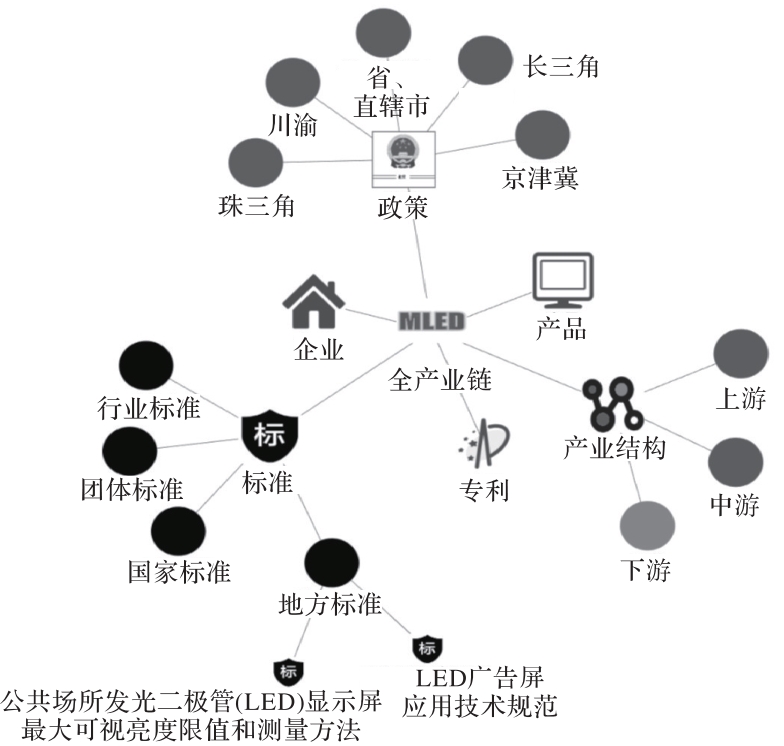
Fig. 4 Mini/Micro LED domain knowledge graph
| 实体类型 | 对应槽位 | 出现次数 | 占比/% |
|---|---|---|---|
| 标准 | 标准名称、标准号 | 419 | 10.48 |
| 产品类型 | 衬底、驱动IC、固晶机、 划片机、显示器件等 | 396 | 9.90 |
| 企业 | 企业名称、统一社会信用代码 | 384 | 9.60 |
| 产业类别 | 芯片工艺、芯片产品、芯片 材料、封装设备、显示系统等 | 377 | 9.43 |
| 产业链环节 | 上游、中游、下游 | 352 | 8.80 |
| 省市 | 北京市、四川省、湖北省、 广东省、天津市等 | 340 | 8.50 |
| 专利 | 专利名称、专利号 | 321 | 8.03 |
| 政策 | 政策名称 | 302 | 7.55 |
| 区域 | 京津冀、长三角、珠三角、川渝 | 254 | 6.35 |
| 产品 | 产品名称 | 246 | 6.15 |
| 时间约束 | 年份、日期 | 243 | 6.08 |
| 其他实体属性 | 标准类型、标准起草单位、 专利技术参数、政策来源等 | 364 | 9.13 |
Tab. 2 Entity-slot distribution of dataset
| 实体类型 | 对应槽位 | 出现次数 | 占比/% |
|---|---|---|---|
| 标准 | 标准名称、标准号 | 419 | 10.48 |
| 产品类型 | 衬底、驱动IC、固晶机、 划片机、显示器件等 | 396 | 9.90 |
| 企业 | 企业名称、统一社会信用代码 | 384 | 9.60 |
| 产业类别 | 芯片工艺、芯片产品、芯片 材料、封装设备、显示系统等 | 377 | 9.43 |
| 产业链环节 | 上游、中游、下游 | 352 | 8.80 |
| 省市 | 北京市、四川省、湖北省、 广东省、天津市等 | 340 | 8.50 |
| 专利 | 专利名称、专利号 | 321 | 8.03 |
| 政策 | 政策名称 | 302 | 7.55 |
| 区域 | 京津冀、长三角、珠三角、川渝 | 254 | 6.35 |
| 产品 | 产品名称 | 246 | 6.15 |
| 时间约束 | 年份、日期 | 243 | 6.08 |
| 其他实体属性 | 标准类型、标准起草单位、 专利技术参数、政策来源等 | 364 | 9.13 |
| 槽位名称 | 出现 次数 | 占比/% | 槽位名称 | 出现 次数 | 占比/% |
|---|---|---|---|---|---|
| 政策名称 | 302 | 7.55 | 专利名称 | 175 | 4.38 |
| 标准名称 | 297 | 7.43 | 专利号 | 146 | 3.65 |
| 政策区域 | 254 | 6.35 | 专利产品类型 | 145 | 3.63 |
| 产品类型 | 251 | 6.28 | 企业社会信用代码 | 141 | 3.53 |
| 产品名称 | 246 | 6.15 | 标准号 | 122 | 3.05 |
| 企业名称 | 243 | 6.08 | 政策日期 | 103 | 2.58 |
| 产品厂家 | 236 | 5.90 | 政策来源 | 97 | 2.43 |
| 企业省市 | 203 | 5.08 | 标准发布年份 | 84 | 2.10 |
| 专利产业类别 | 198 | 4.95 | 标准类型 | 75 | 1.88 |
| 产品产业链环节 | 187 | 4.68 | 其他 | 493 | 12.32 |
Tab. 3 Slot distribution of dataset
| 槽位名称 | 出现 次数 | 占比/% | 槽位名称 | 出现 次数 | 占比/% |
|---|---|---|---|---|---|
| 政策名称 | 302 | 7.55 | 专利名称 | 175 | 4.38 |
| 标准名称 | 297 | 7.43 | 专利号 | 146 | 3.65 |
| 政策区域 | 254 | 6.35 | 专利产品类型 | 145 | 3.63 |
| 产品类型 | 251 | 6.28 | 企业社会信用代码 | 141 | 3.53 |
| 产品名称 | 246 | 6.15 | 标准号 | 122 | 3.05 |
| 企业名称 | 243 | 6.08 | 政策日期 | 103 | 2.58 |
| 产品厂家 | 236 | 5.90 | 政策来源 | 97 | 2.43 |
| 企业省市 | 203 | 5.08 | 标准发布年份 | 84 | 2.10 |
| 专利产业类别 | 198 | 4.95 | 标准类型 | 75 | 1.88 |
| 产品产业链环节 | 187 | 4.68 | 其他 | 493 | 12.32 |
| 问题 | 候选意图 | 候选槽位信息 | 正/负例 |
|---|---|---|---|
列出川渝地区 2023年发布的 Mini LED产业政策 | 政策分析 | {"政策区域": "川渝", "政策日期": "2023"} | 负例 |
| 政策分析 | {"政策区域": "川渝", "政策日期": "2023"} | 负例 | |
| 政策查询 | {"政策省份": "四川省", "政策日期": "2023"} | 负例 | |
| 政策查询 | {"政策省份": "重庆市", "政策日期": "2023"} | 负例 | |
| 政策查询 | {"政策区域": "川渝", "政策日期": "2023"} | 正例 | |
光刻机适用的 标准有哪些 | 标准查询 | {"标准产业类别": "芯片设备及系统", "标准产品类型": "光刻机"} | 负例 |
| 标准查询 | {"标准产业链环节": "上游", "标准产品类型": "光刻机"} | 负例 | |
| 标准查询 | {"标准分类": "行业标准", "标准产品类型": "光刻机"} | 负例 | |
| 标准查询 | {"标准产业类别": "芯片设备及系统", "标准产业链环节": "上游", "标准产品类型": "光刻机"} | 负例 | |
| 标准查询 | {"标准产品类型": "光刻机"} | 正例 |
Tab. 4 Examples of Mini/Micro LED domain dataset
| 问题 | 候选意图 | 候选槽位信息 | 正/负例 |
|---|---|---|---|
列出川渝地区 2023年发布的 Mini LED产业政策 | 政策分析 | {"政策区域": "川渝", "政策日期": "2023"} | 负例 |
| 政策分析 | {"政策区域": "川渝", "政策日期": "2023"} | 负例 | |
| 政策查询 | {"政策省份": "四川省", "政策日期": "2023"} | 负例 | |
| 政策查询 | {"政策省份": "重庆市", "政策日期": "2023"} | 负例 | |
| 政策查询 | {"政策区域": "川渝", "政策日期": "2023"} | 正例 | |
光刻机适用的 标准有哪些 | 标准查询 | {"标准产业类别": "芯片设备及系统", "标准产品类型": "光刻机"} | 负例 |
| 标准查询 | {"标准产业链环节": "上游", "标准产品类型": "光刻机"} | 负例 | |
| 标准查询 | {"标准分类": "行业标准", "标准产品类型": "光刻机"} | 负例 | |
| 标准查询 | {"标准产业类别": "芯片设备及系统", "标准产业链环节": "上游", "标准产品类型": "光刻机"} | 负例 | |
| 标准查询 | {"标准产品类型": "光刻机"} | 正例 |
| 参数类别 | 参数名称 | 参数值 |
|---|---|---|
| 实验环境 | GPU | NVIDIA Tesla V100 |
| Torch | 1.12.1 | |
| Python | 3.10.0 | |
| Ubuntu | 16.04.6 | |
| 模型配置 | 预训练模型 | BERT-base-Chinese |
| 隐藏层维度 | 768 | |
| Co-Attention输出维度 | 768×3 | |
| Prompt策略 | Few-shot示例条数 | 5 |
| 领域知识注入条数 | 相关度前3条 | |
| 训练设置 | Optimizer | AdamW |
| Learning Rate | ||
| Batch Size | 16 | |
| Epochs | 15 | |
| Max_length | 128 | |
| Loss Function | Triplet Margin Loss |
Tab. 5 Experimental environment and training parameters
| 参数类别 | 参数名称 | 参数值 |
|---|---|---|
| 实验环境 | GPU | NVIDIA Tesla V100 |
| Torch | 1.12.1 | |
| Python | 3.10.0 | |
| Ubuntu | 16.04.6 | |
| 模型配置 | 预训练模型 | BERT-base-Chinese |
| 隐藏层维度 | 768 | |
| Co-Attention输出维度 | 768×3 | |
| Prompt策略 | Few-shot示例条数 | 5 |
| 领域知识注入条数 | 相关度前3条 | |
| 训练设置 | Optimizer | AdamW |
| Learning Rate | ||
| Batch Size | 16 | |
| Epochs | 15 | |
| Max_length | 128 | |
| Loss Function | Triplet Margin Loss |
| 方法 | Intent Accuracy | Slot F1 Score | Overall Accuracy |
|---|---|---|---|
| BERT-Intent | 94.16 | — | — |
| BERT-Slot | — | 82.64 | — |
| JointBERT | 93.18 | 81.92 | 70.80 |
| SF-ID | 94.40 | 83.01 | 71.53 |
| AGIF | 95.62 | 83.64 | 72.23 |
| GL-GIN | 97.32 | 83.69 | 74.21 |
| MISCA | 96.59 | 84.19 | 75.67 |
| GLM-4 | 94.93 | 82.27 | 71.04 |
| GPT-4.5 | 95.13 | 83.67 | 72.40 |
| Qwen3-Max | 95.81 | ||
| PGT-Joint | 88.58 | 81.02 |
Tab. 6 Performance comparison of different methods
| 方法 | Intent Accuracy | Slot F1 Score | Overall Accuracy |
|---|---|---|---|
| BERT-Intent | 94.16 | — | — |
| BERT-Slot | — | 82.64 | — |
| JointBERT | 93.18 | 81.92 | 70.80 |
| SF-ID | 94.40 | 83.01 | 71.53 |
| AGIF | 95.62 | 83.64 | 72.23 |
| GL-GIN | 97.32 | 83.69 | 74.21 |
| MISCA | 96.59 | 84.19 | 75.67 |
| GLM-4 | 94.93 | 82.27 | 71.04 |
| GPT-4.5 | 95.13 | 83.67 | 72.40 |
| Qwen3-Max | 95.81 | ||
| PGT-Joint | 88.58 | 81.02 |
| 问题 | 方法 | 意图识别结果 | 槽位填充结果 |
|---|---|---|---|
GB/T30855—2014与 GB/T30856—2014的 适用范围的区别 | JointBERT | 标准对比 | {"标准名称":["GB/T30855—2014","GB/T30856—2014"]} |
| AGIF | 标准对比 | {"标准名称":["GB/T30855—2014","GB/T30856—2014"]} | |
| MISCA | 标准对比 | {"标准代码":["GB/T30855—2014","GB/T30856—2014"]} | |
| PGT-Joint | 标准对比 | {"标准代码":["GB/T30855—2014","GB/T30856—2014"],"查找属性":"适用范围"} | |
长三角LED发展纲要的 主要内容是什么 | JointBERT | 政策查询 | {"政策地区":"长三角","政策名称":"LED发展纲要"} |
| AGIF | 政策分析 | {"政策地区":"长三角","政策名称":"LED发展纲要"} | |
| MISCA | 政策分析 | {"政策地区":"长三角","政策名称":"LED发展纲要"} | |
| PGT-Joint | 政策分析 | {"政策名称":"长三角LED发展纲要"} | |
上游衬底产品最多的 企业是哪家公司 | JointBERT | 企业查询 | {"产品产业链环节":"上游","产品类型":"衬底"} |
| AGIF | 产品统计 | {"产品产业链环节":"上游","产品类型":"衬底"} | |
| MISCA | 产品统计 | {"产品产业链环节":"上游","产品类型":"衬底"} | |
| PGT-Joint | 产品统计 | {"产品产业链环节":"上游","产品类型":"衬底","统计维度":"生产企业"} |
Tab. 7 Examples of recognition results in comparative experiments
| 问题 | 方法 | 意图识别结果 | 槽位填充结果 |
|---|---|---|---|
GB/T30855—2014与 GB/T30856—2014的 适用范围的区别 | JointBERT | 标准对比 | {"标准名称":["GB/T30855—2014","GB/T30856—2014"]} |
| AGIF | 标准对比 | {"标准名称":["GB/T30855—2014","GB/T30856—2014"]} | |
| MISCA | 标准对比 | {"标准代码":["GB/T30855—2014","GB/T30856—2014"]} | |
| PGT-Joint | 标准对比 | {"标准代码":["GB/T30855—2014","GB/T30856—2014"],"查找属性":"适用范围"} | |
长三角LED发展纲要的 主要内容是什么 | JointBERT | 政策查询 | {"政策地区":"长三角","政策名称":"LED发展纲要"} |
| AGIF | 政策分析 | {"政策地区":"长三角","政策名称":"LED发展纲要"} | |
| MISCA | 政策分析 | {"政策地区":"长三角","政策名称":"LED发展纲要"} | |
| PGT-Joint | 政策分析 | {"政策名称":"长三角LED发展纲要"} | |
上游衬底产品最多的 企业是哪家公司 | JointBERT | 企业查询 | {"产品产业链环节":"上游","产品类型":"衬底"} |
| AGIF | 产品统计 | {"产品产业链环节":"上游","产品类型":"衬底"} | |
| MISCA | 产品统计 | {"产品产业链环节":"上游","产品类型":"衬底"} | |
| PGT-Joint | 产品统计 | {"产品产业链环节":"上游","产品类型":"衬底","统计维度":"生产企业"} |
| 方法 | Intent Accuracy | Slot F1 Score | Overall Accuracy |
|---|---|---|---|
| w/o All Co-Attn | 94.64 | 82.90 | 73.21 |
| w/o I-S Attn | 95.37 | 83.48 | 74.21 |
| w/o Q-I Attn | 95.86 | 84.05 | 75.66 |
| w/o Q-S Attn | 96.11 | 83.48 | 75.42 |
| PGT-Joint | 97.01 | 88.58 | 81.02 |
Tab. 8 Ablation experimental results of attention mechanisms
| 方法 | Intent Accuracy | Slot F1 Score | Overall Accuracy |
|---|---|---|---|
| w/o All Co-Attn | 94.64 | 82.90 | 73.21 |
| w/o I-S Attn | 95.37 | 83.48 | 74.21 |
| w/o Q-I Attn | 95.86 | 84.05 | 75.66 |
| w/o Q-S Attn | 96.11 | 83.48 | 75.42 |
| PGT-Joint | 97.01 | 88.58 | 81.02 |
| 方法 | Intent Accuracy | Slot F1 Score | Overall Accuracy |
|---|---|---|---|
| w/o Zero-shot | 91.24 | 79.58 | 70.31 |
| w/o Knowledge | 93.43 | 81.97 | 72.26 |
| PGT-Joint | 97.01 | 88.58 | 81.02 |
Tab. 9 Ablation experimental results of Prompt strategies
| 方法 | Intent Accuracy | Slot F1 Score | Overall Accuracy |
|---|---|---|---|
| w/o Zero-shot | 91.24 | 79.58 | 70.31 |
| w/o Knowledge | 93.43 | 81.97 | 72.26 |
| PGT-Joint | 97.01 | 88.58 | 81.02 |
| 方法 | Intent Accuracy | Slot F1 Score | Overall Accuracy |
|---|---|---|---|
| w/o Re-Rank | 94.89 | 82.45 | 72.74 |
| Random Rank | 92.45 | 81.13 | 71.78 |
| PGT-Joint | 97.01 | 88.58 | 81.02 |
Tab. 10 Ablation experimental results of contrastive ranking models
| 方法 | Intent Accuracy | Slot F1 Score | Overall Accuracy |
|---|---|---|---|
| w/o Re-Rank | 94.89 | 82.45 | 72.74 |
| Random Rank | 92.45 | 81.13 | 71.78 |
| PGT-Joint | 97.01 | 88.58 | 81.02 |
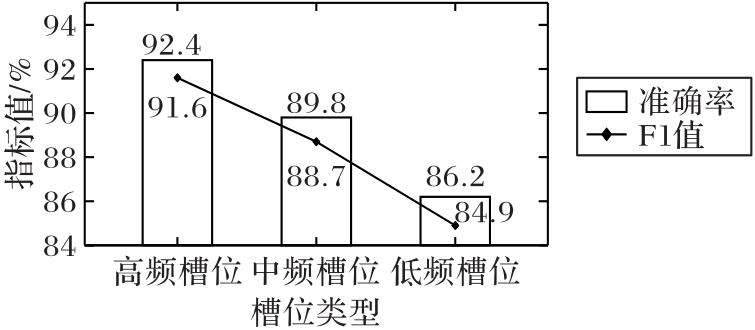
Fig. 5 Slot prediction results with different frequencies
| [1] | 叶铱雷,曹斌,范菁,等. 面向任务型多轮对话的粗粒度意图识别方法[J]. 小型微型计算机系统, 2020, 41(8): 1620-1626. |
| Ye Yilei, Cao Bin, Fan Jing, et al. Coarse-grained intent recognition method for task-oriented multi-turn dialogue[J]. Journal of Chinese Computer Systems, 2020, 41(8): 1620-1626. | |
| [2] | Goo C W, Gao G, Hsu Y K, et al. Slot-gated modeling for joint slot filling and intent prediction[C]// NAACL-HLT 2018, Volume 2 (Short Papers). Stroudsburg: ACL, 2018: 753-757. |
| [3] | Zhang C, Li Y, Du N, et al. Joint slot filling and intent detection via capsule neural networks[C]// ACL 2019. Stroudsburg: ACL, 2019: 5259-5267. |
| [4] | 王丽花,杨文忠,姚苗,等. 意图识别与语义槽填充的双向关联模型[J]. 计算机工程与应用, 2021, 57(3): 196-202. |
| Wang Lihua, Yang Wenzhong, Yao Miao, et al. Bidirectional association model for intent detection and slot filling[J]. Computer Engineering and Applications, 2021, 57(3): 196-202. | |
| [5] | Lafferty J D, McCallum A, Pereira F C N. Conditional random fields: probabilistic models for segmenting and labeling sequence data[C]// 18th International Conference on Machine Learning. San Francisco: Morgan Kaufmann Publishers Inc., 2001: 282-289. |
| [6] | Xu P, Sarikaya R. Convolutional neural network based triangular CRF for joint intent detection and slot filling[C]// 2013 IEEE Workshop on Automatic Speech Recognition and Understanding. Piscataway: IEEE, 2013: 78-83. |
| [7] | 任元凯,谢振平. 大语言模型领域意图的精准性增强方法[J]. 计算机应用研究, 2024, 41(10): 2893-2899. |
| Ren Yuankai, Xie Zhenping. Intention recognition accuracy enhancing method for large language model[J]. Application Research of Computers, 2024, 41(10): 2893-2899. | |
| [8] | Baan J, Daheim N, Ilia E, et al. Uncertainty in natural language generation: from theory to applications[PP/OL]. arXiv (2023-07-28) [2025-06-09].. |
| [9] | Zhang X, Wang H. A joint model of intent determination and slot filling for spoken language understanding[C]// IJCAI 2016. Palo Alto: AAAI Press, 2016: 2993-2999. |
| [10] | Chen Q, Zhuo Z, Wang W. BERT for joint intent classification and slot filling[PP/OL]. arXiv (2019-02-28) [2025-06-10].. |
| [11] | OpenAI. GPT-4 technical report[PP/OL]. V6. arXiv (2024-03-04) [2025-06-10].. |
| [12] | Team GLM. ChatGLM: a family of large language models from GLM-130B to GLM-4 all tools[PP/OL]. V2. arXiv (2024-07-30) [2025-06-10].. |
| [13] | Gupta P, Jiao C, Yeh Y T, et al. InstructDial: improving zero and few-shot generalization in dialogue through instruction tuning[C]// EMNLP 2022. Stroudsburg: ACL, 2022: 505-525. |
| [14] | Mirza P, Sudhi V, Sahoo S R, et al. ILLUMINER: instruction-tuned large language models as few-shot intent classifier and slot filler[C]// LREC-COLING 2024. [S.l.]: ELRA and ICCL, 2024: 8639-8651. |
| [15] | Liu J, Shen D, Zhang Y, et al. What makes good in-context examples for GPT-3?[C]// DeeLIO 2022: the 3rd Workshop on Knowledge Extraction and Integration for Deep Learning Architectures. Stroudsburg: ACL, 2022: 100-114. |
| [16] | Wang R, Tang D, Duan N, et al. K-Adapter: infusing knowledge into pre-trained models with adapters[C]// Findings of the Association for Computational Linguistics: ACL-IJCNLP 2021. Stroudsburg: ACL, 2021: 1405-1418. |
| [17] | Chen X, Zhang N, Xie X, et al. KnowPrompt: knowledge-aware prompt-tuning with synergistic optimization for relation extraction[C]// WWW 2022. New York: ACM, 2022: 2778-2788. |
| [18] | Baek J, Aji A F, Saffari A. Knowledge-augmented language model prompting for zero-shot knowledge graph question answering[C]// NLRSE@ACL 2023. Stroudsburg: ACL, 2023: 78-106. |
| [19] | Zhang J, Bui T, Yoon S, et al. Few-shot intent detection via contrastive pre-training and fine-tuning[C]// EMNLP 2021. Stroudsburg: ACL, 2021: 1906-1912. |
| [20] | Liu H, Zhang F, Zhang X, et al. An explicit-joint and supervised-contrastive learning framework for few-shot intent classification and slot filling[C]// Findings of the Association for Computational Linguistics: EMNLP 2021. Stroudsburg: ACL, 2021: 1945-1955. |
| [21] | Wang Z, Wang P, Huang L, et al. Incorporating hierarchy into text encoder: a contrastive learning approach for hierarchical text classification[C]// ACL 2022 (Volume 1: Long Papers). Stroudsburg: ACL, 2022: 7109-7119. |
| [22] | Qin L, Xu X, Che W, et al. AGIF: an adaptive graph-interactive framework for joint multiple intent detection and slot filling[C]// Findings of the Association for Computational Linguistics: EMNLP 2020. Stroudsburg: ACL, 2020: 1807-1816. |
| [23] | Qin L, Wei F, Xie T, et al. GL-GIN: fast and accurate non-autoregressive model for joint multiple intent detection and slot filling[C]// ACL-IJCNLP 2021 (Volume 1: Long Papers). Stroudsburg: ACL, 2021: 178-188. |
| [24] | Pham T, Tran C, Nguyen D Q. MISCA: a joint model for multiple intent detection and slot filling with intent-slot co-attention[C]// Findings of the Association for Computational Linguistics: EMNLP 2023. Stroudsburg: ACL, 2023: 12641-12650. |
| [25] | Wei J, Wang X, Schuurmans D, et al. Chain-of-thought prompting elicits reasoning in large language models[C]// NeurIPS 2022. Red Hook: Curran Associates Inc., 2022: 24824-24837. |
| [26] | Brown T B, Mann B, Ryder N, et al. Language models are few-shot learners[C]// NeurIPS 2020. Red Hook: Curran Associates Inc., 2020: 1877-1901. |
| [27] | Kang M, Baek J, Hwang S J. KALA: knowledge-augmented language model adaptation[C]// NAACL-HLT 2022. Stroudsburg: ACL, 2022: 5144-5167. |
| [28] | Vaswani A, Shazeer N, Parmar N, et al. Attention is all you need[C]// NeurIPS 2017. Red Hook: Curran Associates Inc., 2017: 6000-6010. |
| [29] | Karpukhin V, Oğuz B, Min S, et al. Dense passage retrieval for open-domain question answering[C]// EMNLP 2020. Stroudsburg: ACL, 2020: 6769-6781. |
| [30] | Reimers N, Gurevych I. Sentence-BERT: sentence embeddings using Siamese BERT-networks[C]// EMNLP-IJCNLP 2019. Stroudsburg: ACL, 2019: 3982-3992. |
| [31] | E H, Niu P, Chen Z, et al. A novel bi-directional interrelated model for joint intent detection and slot filling[C]// ACL 2019. Stroudsburg: ACL, 2019: 5467-5471. |
| [1] | Changqing JI, Ziying ZHANG, Zumin WANG. Continuous non-invasive blood pressure prediction method based on multi-scale Transformer with enhanced graph neural network [J]. Journal of Computer Applications, 2026, 46(9): 3043-3053. |
| [2] | Yufeng OU, Chia-Hung WANG. Small-object defect detection method for printed circuit boards based on dual-branch feature extraction [J]. Journal of Computer Applications, 2026, 46(9): 2977-2986. |
| [3] | Mengjiao YU, Min JIN, Xinhua LIU. Agile enhancement development framework driven by human-multi-agent collaboration [J]. Journal of Computer Applications, 2026, 46(9): 2938-2947. |
| [4] | Yun BIAN, Haiquan WANG, Yi CHEN, Zhe CUI. Construction method of software defect prediction dataset with explainability [J]. Journal of Computer Applications, 2026, 46(9): 2948-2958. |
| [5] | Lixia XIE, Chaoyue CAO, Hongyu YANG. ADS-B attack detection method based on improved DeepLabV3+ [J]. Journal of Computer Applications, 2026, 46(9): 2867-2876. |
| [6] | Zhenhui GONG, Xiaoyu SHI, Yun LU, Yangcheng LIU, Mingsheng SHANG. Fair recommendation framework for large language models with sensitive attribute absence [J]. Journal of Computer Applications, 2026, 46(9): 2838-2846. |
| [7] | Yaoran HUO, Huizhi LI, Dahe ZENG, Zhenyu TANG, Chenmei LIU, Yan WU, Xiao ZHANG, Siqin CHEN, Houhui YANG. Contract review framework based on dynamic rule generation and neuro-symbolic reasoning using large language models [J]. Journal of Computer Applications, 2026, 46(9): 2820-2826. |
| [8] | Yifan WANG, Hu HAN, Dong LI, Yating FAN, Lin LI. Heterogeneous enhancement and multi-source knowledge fusion for aspect-based sentiment analysis [J]. Journal of Computer Applications, 2026, 46(9): 2752-2760. |
| [9] | Jielong BAI, Chenyun FANG, Zhiwei QIAO. Sparse CT artifact suppresion Transformer network based on multi-scale attention adaptive fusion [J]. Journal of Computer Applications, 2026, 46(8): 2660-2667. |
| [10] | Yan WANG, Xi CHEN, Zhongkai ZHAO, Huan ZHOU, Tao WU, Mengge AI, Xuesong XIAO. Similarity-aware link prediction model for ethnic culture knowledge graph [J]. Journal of Computer Applications, 2026, 46(8): 2447-2456. |
| [11] | Dong LI, Yiji ZHAO, Haiyan DING, Hao WU. Soft whitening inspired non-contrastive SSL framework for time-series forecasting [J]. Journal of Computer Applications, 2026, 46(8): 2457-2466. |
| [12] | Guanghui LI, Licheng QU. Dynamic dilated convolution and hierarchical local-global attention model based on improved Lite-Mono architecture [J]. Journal of Computer Applications, 2026, 46(8): 2567-2576. |
| [13] | Huihui LYU, Zhaoman ZHONG, Yu ZHANG, Jidong FAN. Syntactically enhanced aspect-based sentiment analysis via mutual information maximization and contrastive learning [J]. Journal of Computer Applications, 2026, 46(8): 2440-2446. |
| [14] | Yuanhang HUANG, Na RONG. Model-free photovoltaic hosting capacity assessment method using attention mechanism and deep reinforcement learning [J]. Journal of Computer Applications, 2026, 46(8): 2708-2715. |
| [15] | Xiaojin GUO, Xuyang SUI, Kenan ZHOU. Channel estimation of STAR-RIS-assisted hybrid-field communication system based on deep learning [J]. Journal of Computer Applications, 2026, 46(8): 2548-2554. |
| Viewed | ||||||
|
Full text |
|
|||||
|
Abstract |
|
|||||
