


Journal of Computer Applications ›› 2026, Vol. 46 ›› Issue (11): 3496-3504.DOI: 10.11772/j.issn.1001-9081.2025101256
• Artificial intelligence • Previous Articles
Yiyu GAO, Yongjing WAN( ), Zhongheng SUN, Cuiling JIANG
Received:2025-11-03
Revised:2025-12-10
Accepted:2025-12-12
Online:2025-12-17
Published:2026-11-10
Contact:
Yongjing WAN
About author:GAO Yiyu, born in 2001, M. S. candidate. Her research interests include deep learning.
高弋羽, 万永菁(), 孙中蘅, 蒋翠玲
通讯作者:
万永菁
作者简介:高弋羽(2001—),女,浙江温州人,硕士研究生,主要研究方向:深度学习CLC Number:
Yiyu GAO, Yongjing WAN, Zhongheng SUN, Cuiling JIANG. Greedy Shapley game for multimodal recommendation[J]. Journal of Computer Applications, 2026, 46(11): 3496-3504.
高弋羽, 万永菁, 孙中蘅, 蒋翠玲. 多模态推荐中的贪婪Shapley博弈[J]. 《计算机应用》唯一官方网站, 2026, 46(11): 3496-3504.
Add to citation manager EndNote|Ris|BibTeX
URL: https://www.joca.cn/EN/10.11772/j.issn.1001-9081.2025101256
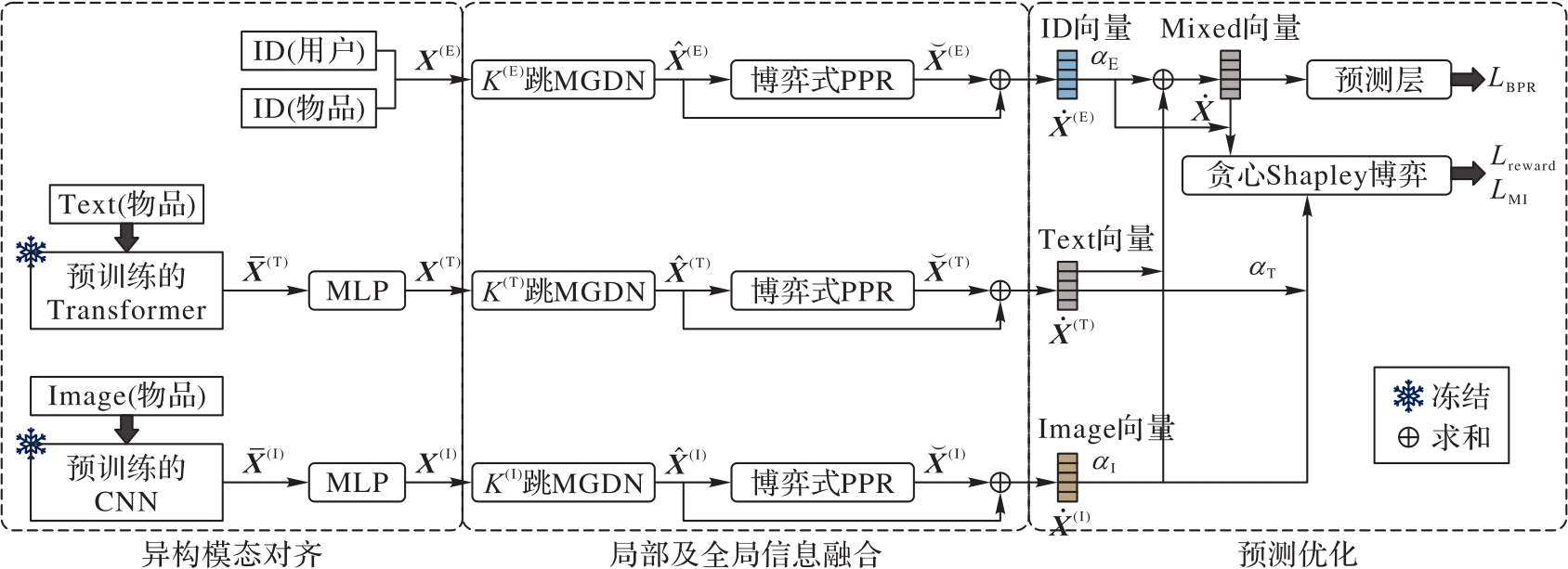
Fig. 1 Structure of GSGRec
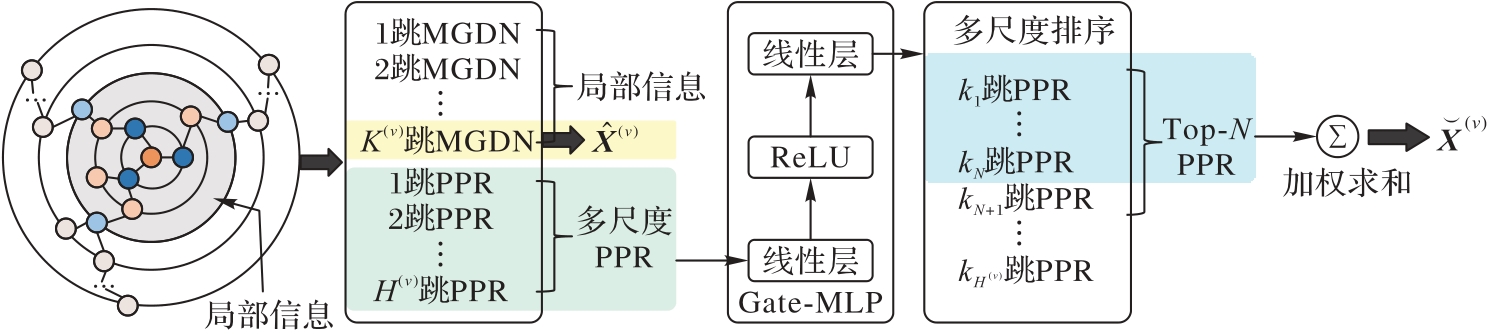
Fig. 2 Structure of GPPR
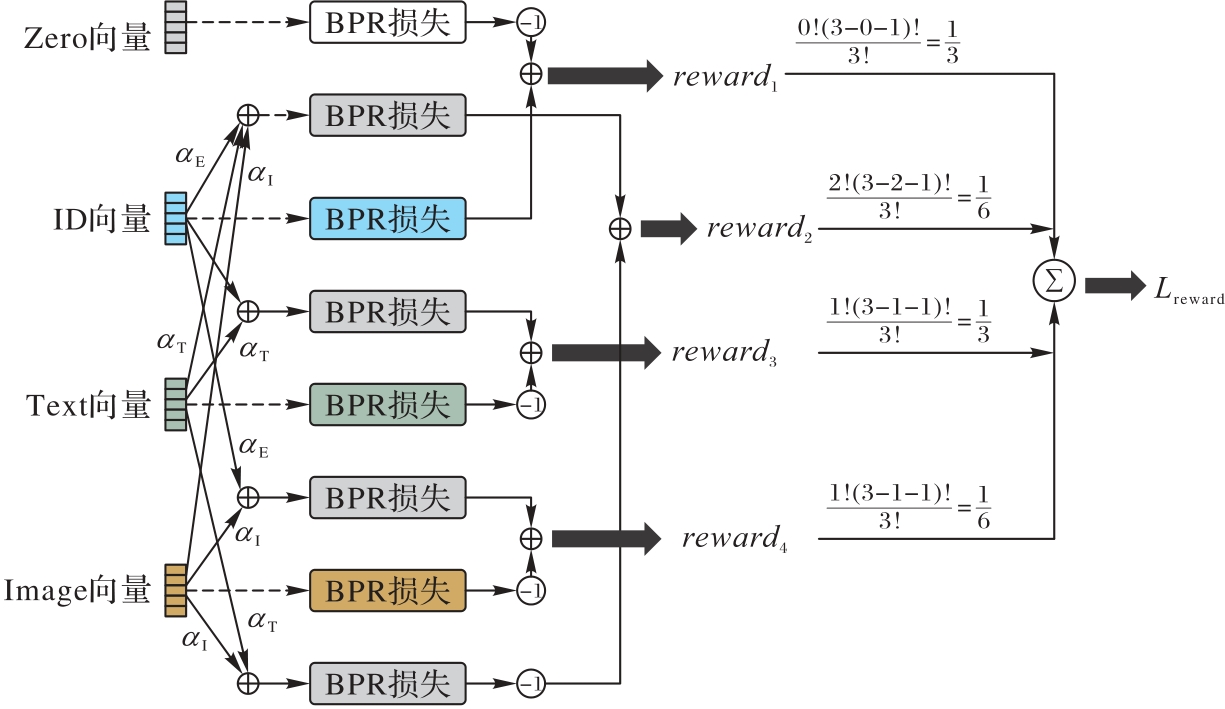
Fig. 3 Standard Shapley calculation method for ID modalities
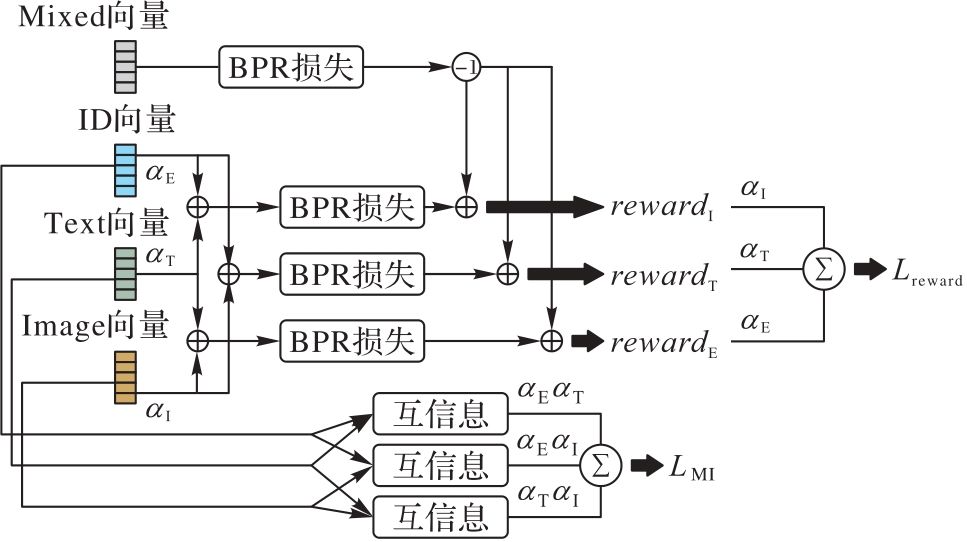
Fig. 4 Structure of GSG
| 数据集 | 用户数 | 物品数 | 交互数 | 稀疏性/% |
|---|---|---|---|---|
| Baby | 19 445 | 7 050 | 160 792 | 99.88 |
| Sports | 35 598 | 18 357 | 296 337 | 99.95 |
| Clothing | 39 387 | 23 033 | 278 677 | 99.97 |
Tab. 1 Statistics of experimental datasets
| 数据集 | 用户数 | 物品数 | 交互数 | 稀疏性/% |
|---|---|---|---|---|
| Baby | 19 445 | 7 050 | 160 792 | 99.88 |
| Sports | 35 598 | 18 357 | 296 337 | 99.95 |
| Clothing | 39 387 | 23 033 | 278 677 | 99.97 |
| 方法 | Baby | Sports | Clothing | |||||||||
|---|---|---|---|---|---|---|---|---|---|---|---|---|
| R@10 | R@20 | N@10 | N@20 | R@10 | R@20 | N@10 | N@20 | R@10 | R@20 | N@10 | N@20 | |
| Imp/% | 2.41 | 5.09 | 1.94 | 3.10 | 5.57 | 3.63 | 4.34 | 6.26 | 4.40 | 2.36 | 2.59 | 2.04 |
| LightGCN | 0.047 9 | 0.075 4 | 0.025 7 | 0.032 8 | 0.056 9 | 0.086 4 | 0.031 1 | 0.038 7 | 0.036 1 | 0.054 4 | 0.019 7 | 0.024 3 |
| ApeGNN | 0.050 1 | 0.077 5 | 0.026 7 | 0.033 8 | 0.060 8 | 0.089 2 | 0.033 3 | 0.040 7 | 0.037 8 | 0.053 8 | 0.020 4 | 0.024 4 |
| MGDN | 0.049 5 | 0.078 3 | 0.027 2 | 0.034 6 | 0.061 4 | 0.093 2 | 0.034 0 | 0.042 2 | 0.036 2 | 0.055 1 | 0.019 9 | 0.024 7 |
| MMGCN | 0.042 1 | 0.066 0 | 0.022 0 | 0.028 2 | 0.040 1 | 0.063 6 | 0.020 9 | 0.027 0 | 0.022 7 | 0.036 1 | 0.015 4 | 0.015 4 |
| GRCN | 0.053 2 | 0.082 4 | 0.028 2 | 0.035 8 | 0.059 9 | 0.091 9 | 0.033 0 | 0.041 3 | 0.042 1 | 0.065 7 | 0.022 4 | 0.028 4 |
| DualGNN | 0.051 3 | 0.080 3 | 0.027 8 | 0.035 2 | 0.058 8 | 0.089 9 | 0.032 4 | 0.040 4 | 0.045 2 | 0.067 5 | 0.024 2 | 0.029 8 |
| SLMRec | 0.052 1 | 0.077 2 | 0.028 9 | 0.035 4 | 0.066 3 | 0.099 0 | 0.036 5 | 0.045 0 | 0.044 2 | 0.065 9 | 0.024 1 | 0.029 6 |
| LATTICE | 0.054 7 | 0.085 0 | 0.029 2 | 0.037 0 | 0.062 0 | 0.095 3 | 0.033 5 | 0.042 1 | 0.049 2 | 0.073 3 | 0.026 8 | 0.033 0 |
| FREEDOM | 0.062 7 | 0.099 2 | 0.033 0 | 0.042 4 | 0.071 7 | 0.108 9 | 0.038 5 | 0.048 1 | 0.062 6 | 0.093 2 | 0.033 8 | 0.041 6 |
| MIG-GT | ||||||||||||
| GSGRec | 0.068 1 | 0.107 3 | 0.036 8 | 0.046 6 | 0.079 5 | 0.117 1 | 0.043 2 | 0.054 3 | 0.066 4 | 0.095 6 | 0.035 6 | 0.045 1 |
Tab. 2 Performance comparison of GSGRec and baseline methods
| 方法 | Baby | Sports | Clothing | |||||||||
|---|---|---|---|---|---|---|---|---|---|---|---|---|
| R@10 | R@20 | N@10 | N@20 | R@10 | R@20 | N@10 | N@20 | R@10 | R@20 | N@10 | N@20 | |
| Imp/% | 2.41 | 5.09 | 1.94 | 3.10 | 5.57 | 3.63 | 4.34 | 6.26 | 4.40 | 2.36 | 2.59 | 2.04 |
| LightGCN | 0.047 9 | 0.075 4 | 0.025 7 | 0.032 8 | 0.056 9 | 0.086 4 | 0.031 1 | 0.038 7 | 0.036 1 | 0.054 4 | 0.019 7 | 0.024 3 |
| ApeGNN | 0.050 1 | 0.077 5 | 0.026 7 | 0.033 8 | 0.060 8 | 0.089 2 | 0.033 3 | 0.040 7 | 0.037 8 | 0.053 8 | 0.020 4 | 0.024 4 |
| MGDN | 0.049 5 | 0.078 3 | 0.027 2 | 0.034 6 | 0.061 4 | 0.093 2 | 0.034 0 | 0.042 2 | 0.036 2 | 0.055 1 | 0.019 9 | 0.024 7 |
| MMGCN | 0.042 1 | 0.066 0 | 0.022 0 | 0.028 2 | 0.040 1 | 0.063 6 | 0.020 9 | 0.027 0 | 0.022 7 | 0.036 1 | 0.015 4 | 0.015 4 |
| GRCN | 0.053 2 | 0.082 4 | 0.028 2 | 0.035 8 | 0.059 9 | 0.091 9 | 0.033 0 | 0.041 3 | 0.042 1 | 0.065 7 | 0.022 4 | 0.028 4 |
| DualGNN | 0.051 3 | 0.080 3 | 0.027 8 | 0.035 2 | 0.058 8 | 0.089 9 | 0.032 4 | 0.040 4 | 0.045 2 | 0.067 5 | 0.024 2 | 0.029 8 |
| SLMRec | 0.052 1 | 0.077 2 | 0.028 9 | 0.035 4 | 0.066 3 | 0.099 0 | 0.036 5 | 0.045 0 | 0.044 2 | 0.065 9 | 0.024 1 | 0.029 6 |
| LATTICE | 0.054 7 | 0.085 0 | 0.029 2 | 0.037 0 | 0.062 0 | 0.095 3 | 0.033 5 | 0.042 1 | 0.049 2 | 0.073 3 | 0.026 8 | 0.033 0 |
| FREEDOM | 0.062 7 | 0.099 2 | 0.033 0 | 0.042 4 | 0.071 7 | 0.108 9 | 0.038 5 | 0.048 1 | 0.062 6 | 0.093 2 | 0.033 8 | 0.041 6 |
| MIG-GT | ||||||||||||
| GSGRec | 0.068 1 | 0.107 3 | 0.036 8 | 0.046 6 | 0.079 5 | 0.117 1 | 0.043 2 | 0.054 3 | 0.066 4 | 0.095 6 | 0.035 6 | 0.045 1 |
| 博弈机制 | Baby | Sports | Clothing | ||||||
|---|---|---|---|---|---|---|---|---|---|
| R@20 | N@20 | 收敛耗时/s | R@20 | N@20 | 收敛耗时/s | N@10 | N@20 | 收敛耗时/s | |
| 标准Shapley | 0.105 7 | 0.032 8 | 1 263 | 0.116 1 | 0.038 7 | 2 210 | 0.094 4 | 0.024 3 | 1 240 |
| GS1 | 0.106 7 | 0.033 8 | 1 212 | 0.116 7 | 0.040 7 | 2 427 | 0.094 9 | 0.024 4 | 1 176 |
| GS2 | 0.105 9 | 0.034 6 | 1 022 | 0.115 9 | 0.042 2 | 2 644 | 0.094 0 | 0.024 7 | 1 197 |
| GSG | 0.107 3 | 0.046 6 | 963 | 0.117 1 | 0.054 3 | 1 713 | 0.095 6 | 0.045 1 | 1 161 |
Tab. 3 Comparison of GSGRec model and variants of game mechanisms
| 博弈机制 | Baby | Sports | Clothing | ||||||
|---|---|---|---|---|---|---|---|---|---|
| R@20 | N@20 | 收敛耗时/s | R@20 | N@20 | 收敛耗时/s | N@10 | N@20 | 收敛耗时/s | |
| 标准Shapley | 0.105 7 | 0.032 8 | 1 263 | 0.116 1 | 0.038 7 | 2 210 | 0.094 4 | 0.024 3 | 1 240 |
| GS1 | 0.106 7 | 0.033 8 | 1 212 | 0.116 7 | 0.040 7 | 2 427 | 0.094 9 | 0.024 4 | 1 176 |
| GS2 | 0.105 9 | 0.034 6 | 1 022 | 0.115 9 | 0.042 2 | 2 644 | 0.094 0 | 0.024 7 | 1 197 |
| GSG | 0.107 3 | 0.046 6 | 963 | 0.117 1 | 0.054 3 | 1 713 | 0.095 6 | 0.045 1 | 1 161 |
| 模型 | Baby | Sports | Clothing | |||||||||
|---|---|---|---|---|---|---|---|---|---|---|---|---|
| R@10 | R@20 | N@10 | N@20 | R@10 | R@20 | N@10 | N@20 | R@10 | R@20 | N@10 | N@20 | |
| w/o_GPPR | 0.066 7 | 0.102 8 | 0.036 1 | 0.045 5 | 0.077 8 | 0.114 6 | 0.042 3 | 0.052 1 | 0.063 9 | 0.093 7 | 0.034 4 | 0.043 8 |
| w/o_Top-N | 0.066 6 | 0.102 7 | 0.036 0 | 0.044 8 | 0.076 8 | 0.114 3 | 0.041 6 | 0.052 4 | 0.064 1 | 0.092 9 | 0.033 8 | 0.043 2 |
| w/o_GSG | 0.067 1 | 0.104 9 | 0.036 2 | 0.045 7 | 0.077 9 | 0.115 1 | 0.042 1 | 0.052 6 | 0.064 8 | 0.093 1 | 0.034 5 | 0.043 8 |
| w/o_Multi | 0.063 5 | 0.095 6 | 0.033 9 | 0.042 6 | 0.071 0 | 0.104 5 | 0.037 4 | 0.045 8 | 0.059 1 | 0.087 6 | 0.032 0 | 0.038 9 |
| w/o_MI | 0.067 9 | 0.107 0 | 0.036 8 | 0.046 4 | 0.079 5 | 0.116 9 | 0.043 1 | 0.054 3 | 0.066 5 | 0.095 1 | 0.035 2 | 0.044 5 |
| GSGRec | 0.068 1 | 0.107 3 | 0.036 8 | 0.046 6 | 0.079 5 | 0.117 1 | 0.043 2 | 0.054 3 | 0.066 4 | 0.095 6 | 0.035 6 | 0.045 1 |
Tab. 5 Ablation experiment results of GSGRec
| 模型 | Baby | Sports | Clothing | |||||||||
|---|---|---|---|---|---|---|---|---|---|---|---|---|
| R@10 | R@20 | N@10 | N@20 | R@10 | R@20 | N@10 | N@20 | R@10 | R@20 | N@10 | N@20 | |
| w/o_GPPR | 0.066 7 | 0.102 8 | 0.036 1 | 0.045 5 | 0.077 8 | 0.114 6 | 0.042 3 | 0.052 1 | 0.063 9 | 0.093 7 | 0.034 4 | 0.043 8 |
| w/o_Top-N | 0.066 6 | 0.102 7 | 0.036 0 | 0.044 8 | 0.076 8 | 0.114 3 | 0.041 6 | 0.052 4 | 0.064 1 | 0.092 9 | 0.033 8 | 0.043 2 |
| w/o_GSG | 0.067 1 | 0.104 9 | 0.036 2 | 0.045 7 | 0.077 9 | 0.115 1 | 0.042 1 | 0.052 6 | 0.064 8 | 0.093 1 | 0.034 5 | 0.043 8 |
| w/o_Multi | 0.063 5 | 0.095 6 | 0.033 9 | 0.042 6 | 0.071 0 | 0.104 5 | 0.037 4 | 0.045 8 | 0.059 1 | 0.087 6 | 0.032 0 | 0.038 9 |
| w/o_MI | 0.067 9 | 0.107 0 | 0.036 8 | 0.046 4 | 0.079 5 | 0.116 9 | 0.043 1 | 0.054 3 | 0.066 5 | 0.095 1 | 0.035 2 | 0.044 5 |
| GSGRec | 0.068 1 | 0.107 3 | 0.036 8 | 0.046 6 | 0.079 5 | 0.117 1 | 0.043 2 | 0.054 3 | 0.066 4 | 0.095 6 | 0.035 6 | 0.045 1 |
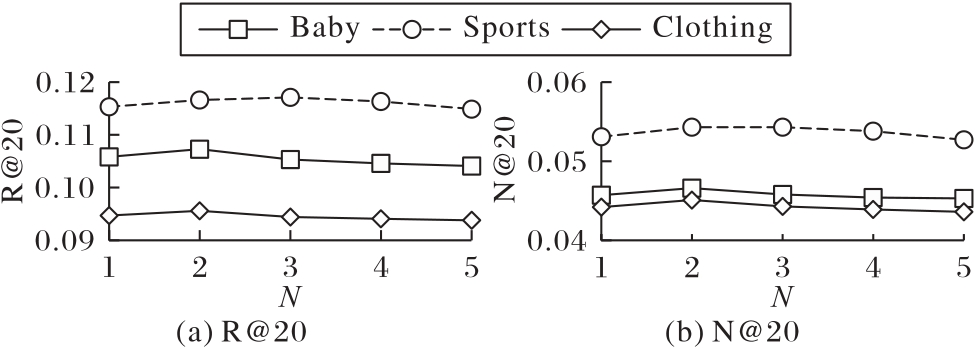
Fig. 5 Impact of Top-N on model performance
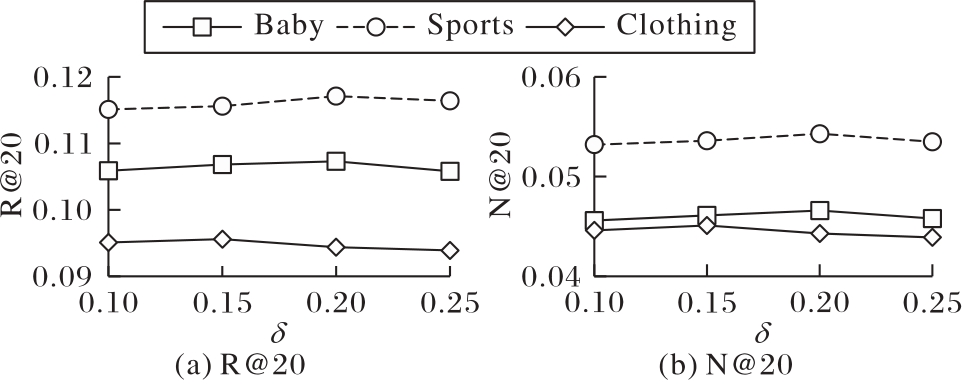
Fig. 6 Impact of parameter δ on model performance
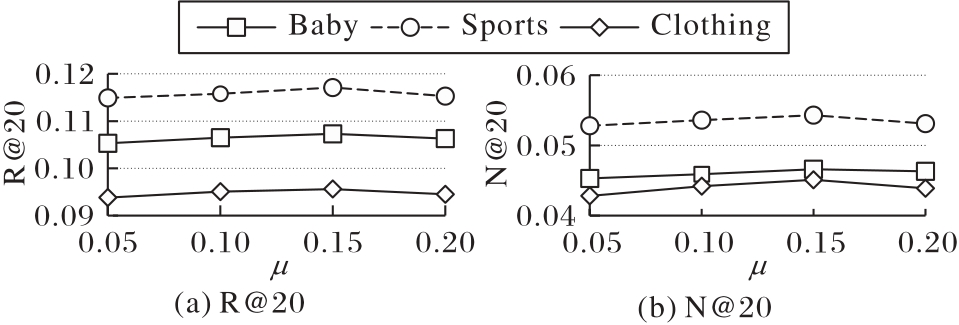
Fig. 7 Impact of parameter μ on model performance
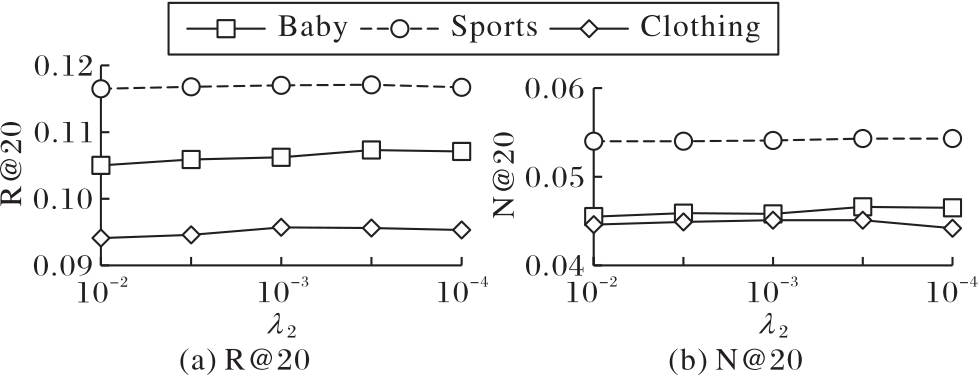
Fig. 8 Impact of parameter λ2 on model performance
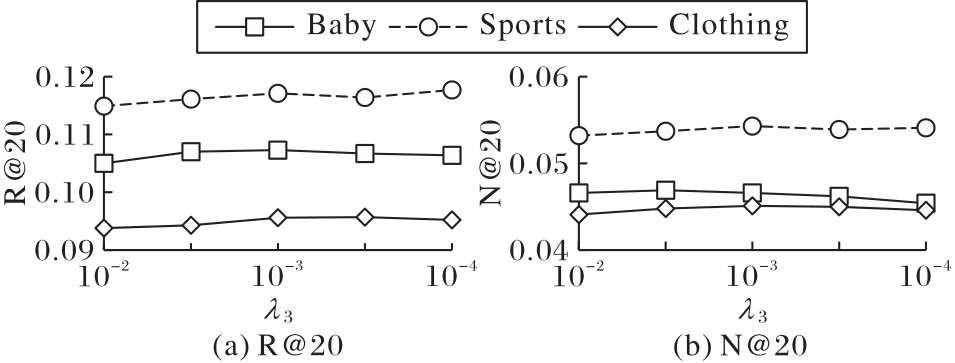
Fig. 9 Impact of parameter λ3 on model performance
| [1] | Saifudin I, Widiyaningtyas T. Systematic literature review on recommender system: approach, problem, evaluation techniques, datasets[J]. IEEE Access, 2024, 12: 19827-19847. |
| [2] | Linden G, Smith B, York J. Amazon.com recommendations: Item-to-item collaborative filtering[J]. IEEE Internet Computing, 2003, 7(1): 76-80. |
| [3] | Rendle S. Factorization machines[C]// ICDM 2010. Piscataway: IEEE, 2010: 995-1000. |
| [4] | Liu K, Xue F, Guo D, et al. MEGCF: multimodal entity graph collaborative filtering for personalized recommendation[J]. ACM Transactions on Information Systems, 2023, 41(2): No.30. |
| [5] | Liu H, Wei Y, Liu F, et al. Dynamic multimodal fusion via meta-learning towards micro-video recommendation[J]. ACM Transactions on Information Systems, 2024, 42(2): No.47. |
| [6] | Gao C, Zheng Y, Li N, et al. A survey of graph neural networks for recommender systems: challenges, methods, and directions[J]. ACM Transactions on Recommender Systems, 2023, 1(1): No.3. |
| [7] | Wu S, Sun F, Zhang W, et al. Graph neural networks in recommender systems: a survey[J]. ACM Computing Surveys, 2023, 55(5): No.97. |
| [8] | 吴宗航,张东,李冠宇. 基于联合自监督学习的多模态融合推荐算法[J]. 计算机应用, 2025, 45(6): 1858-1868. |
| Wu Zonghang, Zhang Dong, Li Guanyu. Multimodal fusion recommendation algorithm based on joint self-supervised learning[J]. Journal of Computer Applications, 2025, 45(6): 1858-1868. | |
| [9] | Dunson D B, Wu H T, Wu N. Spectral convergence of graph Laplacian and heat kernel reconstruction in L ∞ from random samples[J]. Applied and Computational Harmonic Analysis, 2021, 55: 282-336. |
| [10] | Sahbi H. Learning Laplacians in Chebyshev graph convolutional networks[C]// ICCVW 2021. Piscataway: IEEE/CVF, 2021: 2064-2075. |
| [11] | Wang X, He X, Wang M, et al. Neural graph collaborative filtering[C]// SIGIR 2019. New York: ACM, 2019: 165-174. |
| [12] | He X, Deng K, Wang X, et al. LightGCN: simplifying and powering graph convolution network for recommendation[C]// SIGIR 2020. New York: ACM, 2020: 639-648. |
| [13] | Zhang D, Zhu Y, Dong Y, et al. ApeGNN: node-wise adaptive aggregation in GNNs for recommendation[C]// WWW 2023. New York: ACM, 2023: 759-769. |
| [14] | Lin Z, Tian C, Hou Y, et al. Improving graph collaborative filtering with neighborhood-enriched contrastive learning[C]// WWW 2022. New York: ACM, 2022: 2320-2329. |
| [15] | Hu J, Hooi B, Qian S, et al. MGDCF: distance learning via Markov graph diffusion for neural collaborative filtering[J]. IEEE Transactions on Knowledge and Data Engineering, 2024, 36(7): 3281-3296. |
| [16] | He R, McAuley J. VBPR: visual Bayesian personalized ranking from implicit feedback[J]. Proceedings of the AAAI Conference on Artificial Intelligence, 2016, 30(1): 144-150. |
| [17] | Chen X, Chen H, Xu H, et al. Personalized fashion recommendation with visual explanations based on multimodal attention network: Towards visually explainable recommendation[C]// SIGIR 2019. New York: ACM, 2019: 765-774. |
| [18] | Wei Y, Wang X, Nie L, et al. MMGCN: multi-modal graph convolution network for personalized recommendation of micro-video[C]// MM 2019. New York: ACM, 2019: 1437-1445. |
| [19] | Yu D, Zhang R, Jiang Z, et al. Graph-revised convolutional network[C]// ECML PKDD 2020, LNCS 12459. Cham: Springer, 2021: 378-393. |
| [20] | Wang Q, Wei Y, Yin J, et al. DualGNN: dual graph neural network for multimedia recommendation[J]. IEEE Transactions on Multimedia, 2023, 25: 1074-1084. |
| [21] | Tao Z, Liu X, Xia Y, et al. Self-supervised learning for multimedia recommendation[J]. IEEE Transactions on Multimedia, 2023, 25: 5107-5116. |
| [22] | Zhang J, Zhu Y, Liu Q, et al. Mining latent structures for multimedia recommendation[C]// MM 2021. New York: ACM, 2021: 3872-3880. |
| [23] | Zhou X, Shen Z. A tale of two graphs: freezing and denoising graph structures for multimodal recommendation[C]// MM 2023. New York: ACM, 2023: 935-943. |
| [24] | 蔡启健,谭伟. 语义图增强的多模态推荐算法[J]. 计算机应用, 2025, 45(2): 421-427. |
| Cai Qijian, Tan Wei. Semantic graph enhanced multi-modal recommendation algorithm[J]. Journal of Computer Applications, 2025, 45(2): 421-427. | |
| [25] | Hu J, Hooi B, He B, et al. Modality-independent graph neural networks with global transformers for multimodal recommendation[J]. Proceedings of the AAAI Conference on Artificial Intelligence, 2025, 39(11): 11790-11798. |
| [26] | Rendle S, Freudenthaler C, Ganter Z, et al. BPR: Bayesian personalized ranking from implicit feedback[C]// UAI 2009. Arlington, VA: AUAI Press, 2009: 452-461. |
| [27] | Chen H, Covert I C, Lundberg S M, et al. Algorithms to estimate Shapley value feature attributions[J]. Nature Machine Intelligence, 2023, 5(6): 590-601. |
| [28] | Olsen L H B, Glad I K, Jullum M, et al. A comparative study of methods for estimating model-agnostic Shapley value explanations[J]. Data Mining and Knowledge Discovery, 2024, 38(4): 1782-1829. |
| [29] | Wu C, Wu F, Huang Y. Rethinking infoNCE: how many negative samples do you need?[C]// IJCAI 2022. California: IJCAI, 2022: 2509-2515. |
| [1] | Yan WANG, Xi CHEN, Zhongkai ZHAO, Huan ZHOU, Tao WU, Mengge AI, Xuesong XIAO. Similarity-aware link prediction model for ethnic culture knowledge graph [J]. Journal of Computer Applications, 2026, 46(8): 2447-2456. |
| [2] | Yue ZHANG, Ying WANG. Scalable dynamic graph representation learning with neighborhood memory [J]. Journal of Computer Applications, 2026, 46(7): 2104-2110. |
| [3] | Xiangyi WU, Hailiang YE, Feilong CAO. Point cloud completion method based on smooth-sharpen graph convolution [J]. Journal of Computer Applications, 2026, 46(7): 2267-2276. |
| [4] | Li ZHU, Lugema MI, Chunqiang ZHU, Wanru XU, Jingkai GAO, Jinqi QU. Short-term power load forecasting model based on dynamic convolution decomposition and multi-scale graph [J]. Journal of Computer Applications, 2026, 46(7): 2334-2346. |
| [5] | Min LU, Hui ZHOU. Airport gate assignment algorithm based on node prediction in conflict graph of assigned activities [J]. Journal of Computer Applications, 2026, 46(6): 1913-1921. |
| [6] | Hang QI, Tingting DONG, Yongqiang NAI, Xian MO. Contrastive collaborative filtering method based on graph diffusion generation and adaptive sampling [J]. Journal of Computer Applications, 2026, 46(6): 1818-1828. |
| [7] | Fengwei CHENG, Bingqi ZHANG, Guohua XU, Wenjian WANG. Competitive loss-driven generative imbalanced node classification [J]. Journal of Computer Applications, 2026, 46(5): 1475-1481. |
| [8] | Kun FU, Haoyu WEI, Weijing LIU, Xing DANG, Zezheng LIU, Jianwei LI. Graph neural network framework for topology semantic dual-domain collaboration [J]. Journal of Computer Applications, 2026, 46(5): 1378-1387. |
| [9] | Xumeng DOU, Bin XIE, Zhaohui ZHANG, Zhengang ZHAO, Hanyu DUAN, Aolei GUO. Drug-target interaction prediction based on structure-network collaborative features and grid-attention enhanced Kolmogorov-Arnold network [J]. Journal of Computer Applications, 2026, 46(4): 1344-1353. |
| [10] | Rilong WANG, Zhenping LI, Xiaosong LI, Qiang GAO, Ya HE, Yong ZHONG, Yingxiao ZHAO. Multi-Agent collaborative knowledge reasoning framework [J]. Journal of Computer Applications, 2026, 46(3): 708-714. |
| [11] | Jinjiao LIN, Canshun ZHANG, Shuya CHEN, Tianxin WANG, Jian LIAN, Yonghui XU. Vehicle insurance fraud detection method based on improved graph attention network [J]. Journal of Computer Applications, 2026, 46(2): 437-444. |
| [12] | Junrui WU, Jiangchuan YANG, Haisheng YU, Sai ZOU, Wenyong WANG. Performance evaluation method for deterministic networks based on complex-enhanced attention graph neural network [J]. Journal of Computer Applications, 2026, 46(2): 505-517. |
| [13] | Long CHEN, Xinmin HOU. Graph convolutional recommender system integrating contrastive learning and global graph data augmentation [J]. Journal of Computer Applications, 2026, 46(10): 3076-3082. |
| [14] | Huajuan HUANG, Yongkang FANG, Xiuxi WEI. Heterogeneous graph neural network based on multi-head relation transformation [J]. Journal of Computer Applications, 2026, 46(10): 3083-3092. |
| [15] | Wen LI, Kairong LI, Kai YANG. Subgraph-aware contrastive learning with data augmentation [J]. Journal of Computer Applications, 2026, 46(1): 1-9. |
| Viewed | ||||||
|
Full text |
|
|||||
|
Abstract |
|
|||||
