


Journal of Computer Applications ›› 2026, Vol. 46 ›› Issue (11): 3589-3597.DOI: 10.11772/j.issn.1001-9081.2025101221
• Network and communications • Previous Articles
Yong LIAO1( ), Bowen HU1, Zongjin LI2
Received:2025-10-16
Revised:2025-11-28
Accepted:2025-12-03
Online:2026-03-09
Published:2026-11-10
Contact:
Yong LIAO
About author:HU Bowen, born in 2005. His research interests include intelligent communication.Supported by:
廖勇1(), 胡博闻1, 李宗锦2
通讯作者:
廖勇
作者简介:胡博闻(2005—),男,重庆人,主要研究方向:智能通信基金资助:CLC Number:
Yong LIAO, Bowen HU, Zongjin LI. Review of research on potential applications of large language models in 6G communication networks[J]. Journal of Computer Applications, 2026, 46(11): 3589-3597.
廖勇, 胡博闻, 李宗锦. 大语言模型在6G通信网络中潜在应用研究综述[J]. 《计算机应用》唯一官方网站, 2026, 46(11): 3589-3597.
Add to citation manager EndNote|Ris|BibTeX
URL: https://www.joca.cn/EN/10.11772/j.issn.1001-9081.2025101221
| 性能指标 | 5G标准 | 6G预期 | 提升幅度 |
|---|---|---|---|
| 峰值速率 | 20 Gbit/s | 1~10 Tbit/s | 50~500倍 |
| 用户体验速率 | 100 Mbit/s~1 Gbit/s | Gbit/s级别 | 10~100倍 |
| 流量密度 | 10 Mbit/(s·m2) | >1 Gbit/(s·m2) | 100倍 |
| 频谱效率 | 30 bit/(s·Hz) | 提升3~5倍 | 3~5倍 |
| 能量效率 | 基准值 | 提升100倍以上 | >100倍 |
| 连接密度 | 106 devices/km2 | 提升1 000倍 | 1 000倍 |
| 移动性支持 | 500 km/h | ≫500 km/h | 显著提升 |
| 端到端延迟 | 1~10 ms | <1 ms(特定场景) | 降低90% |
| AI支持度 | 有限自动化 | 全场景智能自治 | 革命性提升 |
Tab. 1 Comparison of 6G and 5G performance metrics
| 性能指标 | 5G标准 | 6G预期 | 提升幅度 |
|---|---|---|---|
| 峰值速率 | 20 Gbit/s | 1~10 Tbit/s | 50~500倍 |
| 用户体验速率 | 100 Mbit/s~1 Gbit/s | Gbit/s级别 | 10~100倍 |
| 流量密度 | 10 Mbit/(s·m2) | >1 Gbit/(s·m2) | 100倍 |
| 频谱效率 | 30 bit/(s·Hz) | 提升3~5倍 | 3~5倍 |
| 能量效率 | 基准值 | 提升100倍以上 | >100倍 |
| 连接密度 | 106 devices/km2 | 提升1 000倍 | 1 000倍 |
| 移动性支持 | 500 km/h | ≫500 km/h | 显著提升 |
| 端到端延迟 | 1~10 ms | <1 ms(特定场景) | 降低90% |
| AI支持度 | 有限自动化 | 全场景智能自治 | 革命性提升 |
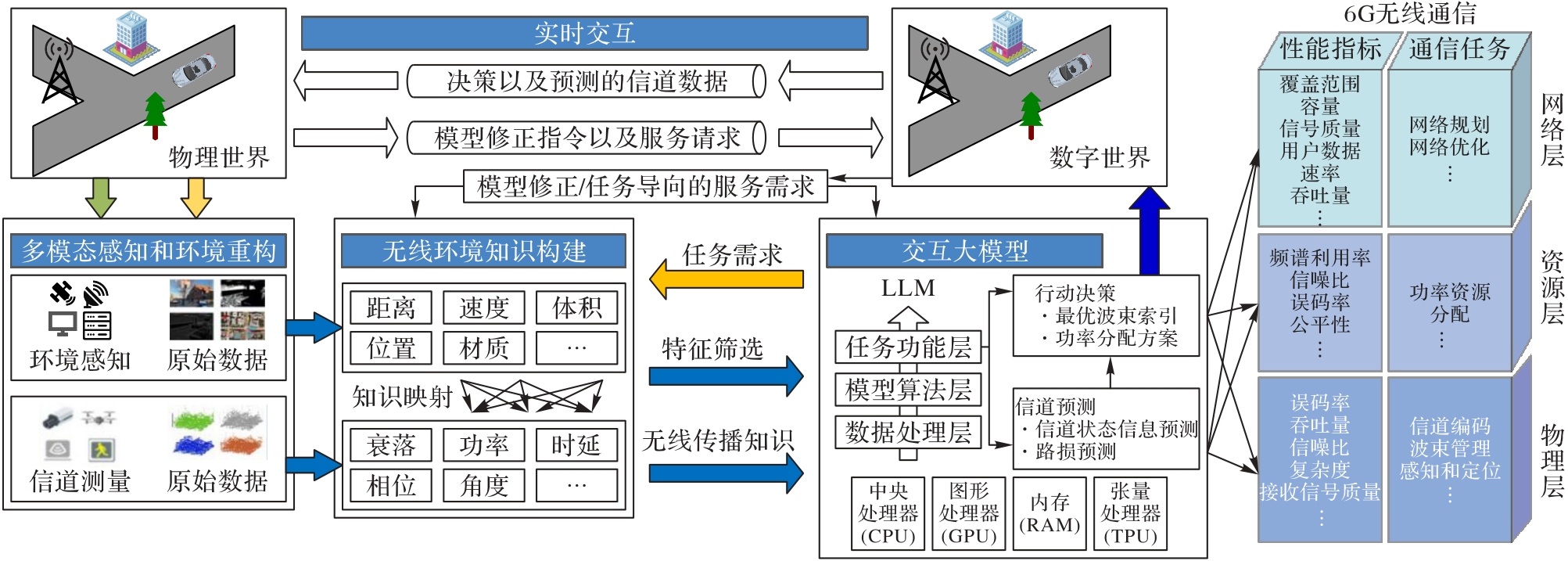
Fig. 1 Framework for digital twin channels driven by multimodal perception, WEK, and ChannelLM
| 方法 | 路径损耗预测/dB | 波束预测TOP-1准确率/% | 波束预测TOP-5准确率/% | 训练样本需求/% | 场景泛化能力 |
|---|---|---|---|---|---|
WEK方法(考虑材质)与 传统方法相比性能变化 | 降低50% | 提升13.3个百分点 | 提升14.1个百分点 | 减小80~95个百分点 | 显著提升 |
| 传统方法 | 8.2 | 72.30 | 81.00 | 100 | 差 |
| WEK方法(无材质) | 6.5 | — | — | 100 | 一般 |
| WEK方法(考虑材质) | 4.1 | 85.60 | 95.10 | 5~20 | 优秀 |
Tab. 2 Prediction performance comparison of traditional methods and WEK methods
| 方法 | 路径损耗预测/dB | 波束预测TOP-1准确率/% | 波束预测TOP-5准确率/% | 训练样本需求/% | 场景泛化能力 |
|---|---|---|---|---|---|
WEK方法(考虑材质)与 传统方法相比性能变化 | 降低50% | 提升13.3个百分点 | 提升14.1个百分点 | 减小80~95个百分点 | 显著提升 |
| 传统方法 | 8.2 | 72.30 | 81.00 | 100 | 差 |
| WEK方法(无材质) | 6.5 | — | — | 100 | 一般 |
| WEK方法(考虑材质) | 4.1 | 85.60 | 95.10 | 5~20 | 优秀 |
| 方法 | 问题建模 | 决策方法 | 系统结构 | 适应性 | 可解释性 | 核心能力 |
|---|---|---|---|---|---|---|
| 传统方法 | 数学公式、凸优化 | 数值计算、 预定义规则 | 集中式或 简单式分布 | 差,依赖模型准确性 | 差,黑箱或灰箱 | 计算 |
| LLM增强的MAS | 自然语言描述、 情景理解 | 逻辑推理、 知识驱动、协商 | 分布式群体智能 | 强,可以从经验和 知识中学习 | 高,决策过程可以用 自然语言描述 | 认知+协作 |
Tab. 3 Comparison of traditional methods and LLM-enhanced MAS
| 方法 | 问题建模 | 决策方法 | 系统结构 | 适应性 | 可解释性 | 核心能力 |
|---|---|---|---|---|---|---|
| 传统方法 | 数学公式、凸优化 | 数值计算、 预定义规则 | 集中式或 简单式分布 | 差,依赖模型准确性 | 差,黑箱或灰箱 | 计算 |
| LLM增强的MAS | 自然语言描述、 情景理解 | 逻辑推理、 知识驱动、协商 | 分布式群体智能 | 强,可以从经验和 知识中学习 | 高,决策过程可以用 自然语言描述 | 认知+协作 |
| 演进层次 | 核心特征 | 交互对象 | 可信安全机制 | 典型场景 |
|---|---|---|---|---|
第一层: 单域自智 | AA解决单个技术域 内部的智能化问题 | AA与非智能体(网元NF、传统功能)交互 | 自治可信:由智能体提供方和 运营方自行保障 | 基站本地负载均衡优化、 核心网NWDAF智能分析 |
第二层: 跨域协作 | AA开始进行跨技术 域的一对一简单协作 | AA与AA之间(如UE-AA与RAN-AA)进行交互 | 各条许可可信:通过线下或线上 合约/许可承诺实现可信安全 | 终端与网络协作,实现移动 性优化与跨域资源共享 |
第三层: 以智能体为中心 | 多智能体组成群组, 进行组网级复杂协作 | 多AA与多AA之间(如多个UE-AA与多个RAN-AA)形成群组进行交互 | 内生可信安全:引入监管智能体, 实现在线实时全生命周期监管 | 重大事件保障、动态自组网、涉及多方权益的复杂任务 |
Tab. 4 Three levels of NEA evolution
| 演进层次 | 核心特征 | 交互对象 | 可信安全机制 | 典型场景 |
|---|---|---|---|---|
第一层: 单域自智 | AA解决单个技术域 内部的智能化问题 | AA与非智能体(网元NF、传统功能)交互 | 自治可信:由智能体提供方和 运营方自行保障 | 基站本地负载均衡优化、 核心网NWDAF智能分析 |
第二层: 跨域协作 | AA开始进行跨技术 域的一对一简单协作 | AA与AA之间(如UE-AA与RAN-AA)进行交互 | 各条许可可信:通过线下或线上 合约/许可承诺实现可信安全 | 终端与网络协作,实现移动 性优化与跨域资源共享 |
第三层: 以智能体为中心 | 多智能体组成群组, 进行组网级复杂协作 | 多AA与多AA之间(如多个UE-AA与多个RAN-AA)形成群组进行交互 | 内生可信安全:引入监管智能体, 实现在线实时全生命周期监管 | 重大事件保障、动态自组网、涉及多方权益的复杂任务 |
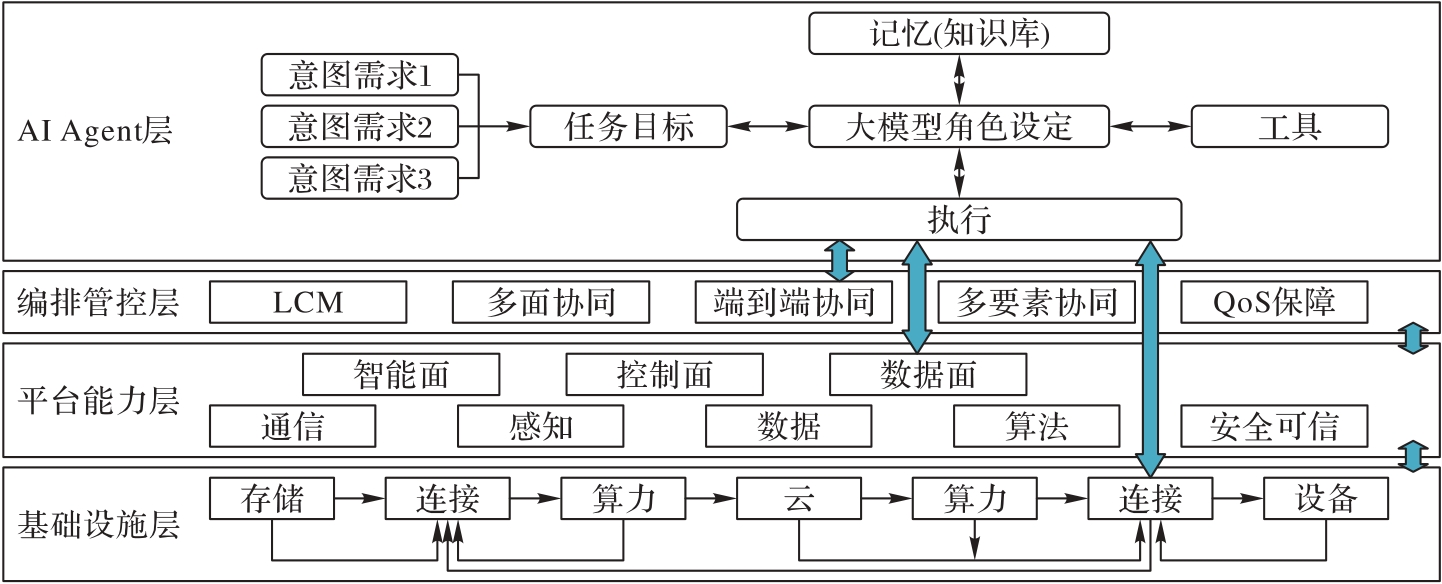
Fig. 2 Architecture of AA-based wireless systems
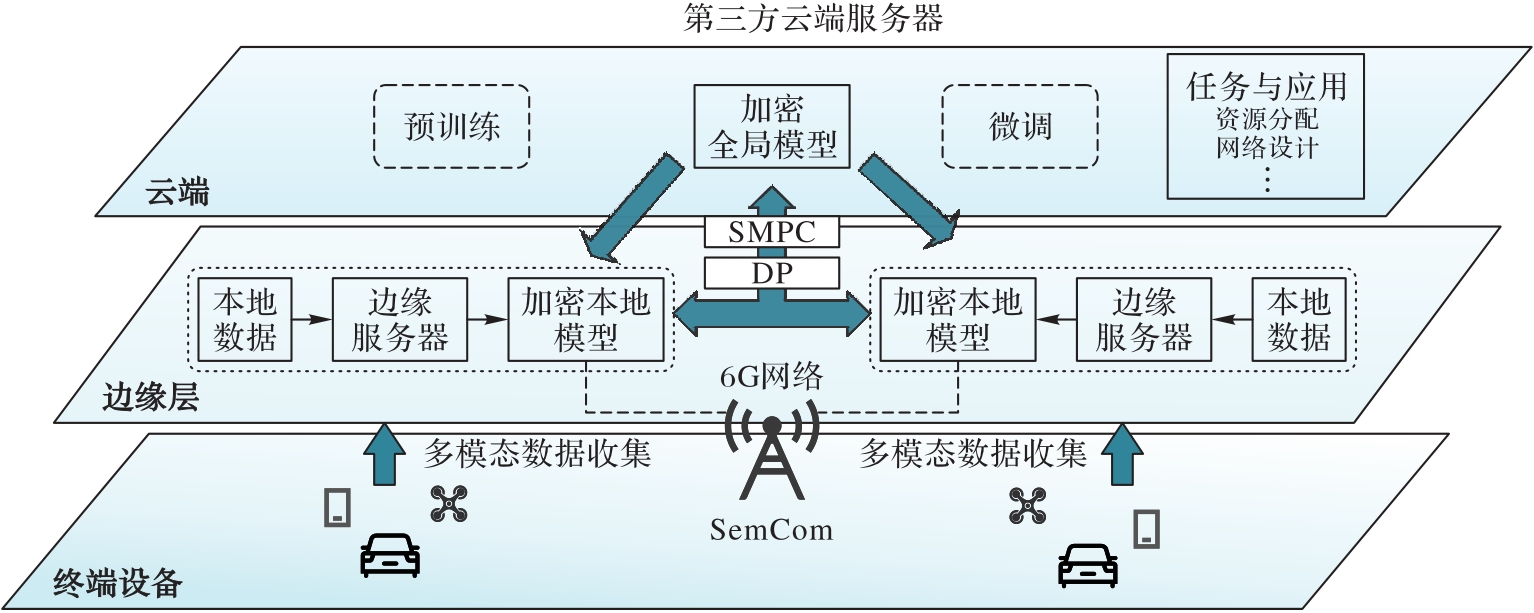
Fig. 3 Architecture of wireless LLM with native intelligence for 6G
| 挑战类别 | 主要威胁/问题 | 解决方案与技术 |
|---|---|---|
| 安全 | 1)投毒/后门攻击:污染训练数据或模型 2)对抗攻击:在语义通信中篡改语义信息 3)语义通信安全:知识库窃取、语义信息篡改 | 1)区块链+FL:进行异常检测与模型验证 2)参数高效微调:实现有效的对抗防御 3)设计可解释模型:增强决策过程的可信度 |
| 隐私与伦理 | 1)数据泄露:训练数据含用户敏感信息 2)推断攻击:从共享数据中反推原始数据 3)偏见与不公平:模型输出存在于数据中的偏见 4)黑箱问题:决策缺乏透明度和可解释性 | 1)去中心化架构:FL 2)加密技术:DP、SMPC、HE 3)数据治理:确保训练数据收集与标注的公开透明 |
| 高效能 | 1)计算能耗巨大:参数规模指数增长 2)部署挑战:需在资源受限的边缘设备上运行 | 1)以模型为中心:模型压缩、量化、知识蒸馏、低秩近似 2)以数据为中心:数据选择、提示工程 3)系统优化:联合优化FL中的计算与通信能耗 |
Tab. 5 Three key challenges and countermeasures
| 挑战类别 | 主要威胁/问题 | 解决方案与技术 |
|---|---|---|
| 安全 | 1)投毒/后门攻击:污染训练数据或模型 2)对抗攻击:在语义通信中篡改语义信息 3)语义通信安全:知识库窃取、语义信息篡改 | 1)区块链+FL:进行异常检测与模型验证 2)参数高效微调:实现有效的对抗防御 3)设计可解释模型:增强决策过程的可信度 |
| 隐私与伦理 | 1)数据泄露:训练数据含用户敏感信息 2)推断攻击:从共享数据中反推原始数据 3)偏见与不公平:模型输出存在于数据中的偏见 4)黑箱问题:决策缺乏透明度和可解释性 | 1)去中心化架构:FL 2)加密技术:DP、SMPC、HE 3)数据治理:确保训练数据收集与标注的公开透明 |
| 高效能 | 1)计算能耗巨大:参数规模指数增长 2)部署挑战:需在资源受限的边缘设备上运行 | 1)以模型为中心:模型压缩、量化、知识蒸馏、低秩近似 2)以数据为中心:数据选择、提示工程 3)系统优化:联合优化FL中的计算与通信能耗 |
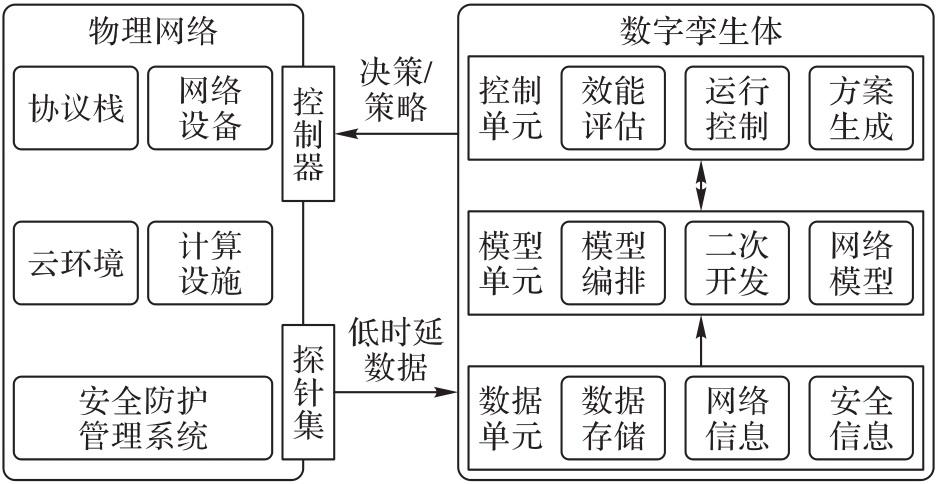
Fig. 4 Architecture and bidirectional mapping logic of cybersecurity digital twin system
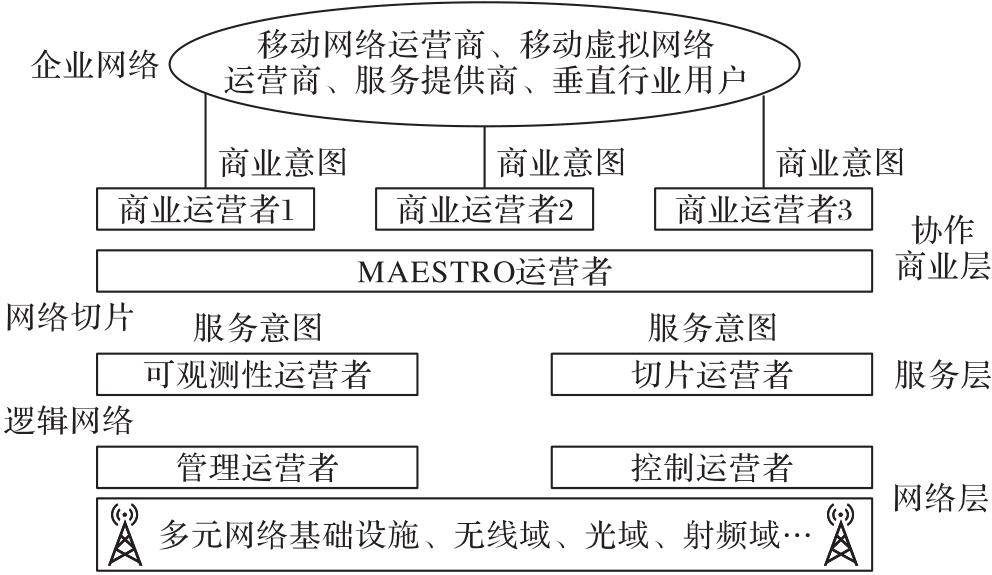
Fig. 5 MAESTRO collaborative business plane
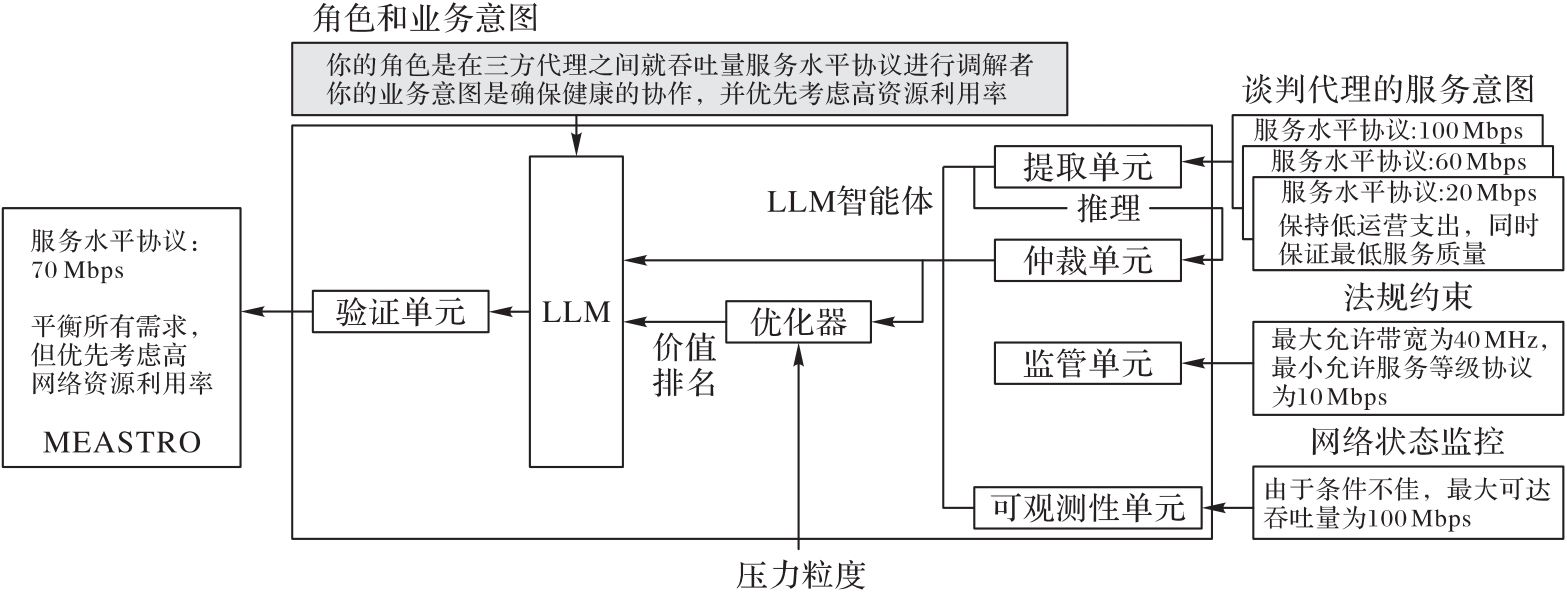
Fig. 6 Internal design of LLM-based agents
| 单元名称 | 核心功能 | 关键设计考量/特点 | 与其他单元的交互 |
|---|---|---|---|
| 提取 | 从其他智能体接收服务意图(如JSON),并提取提议的数值和决策推理文本 | 确保数据解析的准确性,为后续处理提供结构化输入 | 是信息流的起点,为Arbitral、LLM等单元提供原始输入 |
| 仲裁 | 使用专用LLM分析决策推理文本,识别恶意活动(如毒性、偏见),并实施激励或惩罚机制以恢复信任 | 应对LLM可能存在的“毒性”或“偏见”输出,维护多智能体协作的公平与安全 | 接收Extraction单元的推理文本,仲裁单元输出(如警告、惩罚)将作为重要上下文提供给中央LLM单元,用于最终决策 |
| 监管 | 提供来自标准机构和本地监管机构的最新文档中的相关约束和规则(如特定频段的最大允许带宽) | 常利用检索增强生成技术,动态获取并生成针对性强的规则指南,确保决策合规 | 为中央LLM单元和Optimizer单元提供外部规则约束,确保协商提案符合规范 |
| 可观测性 | 监控实时网络状况和业务意图需求,提供资源可用性和业务活动的分析 | 基于云原生监控工具和专用LLM,确保协商基于当前实际网络状态,避免无效协商 | 为中央LLM单元和Optimizer单元提供真实的网络环境信息,是决策贴合实际的重要保障 |
| 优化器 | 运行业务优化算法,处理复杂数学计算,为中央LLM提供近似最优的决策数值建议 | 弥补LLM在数学推理方面的不足,防止幻觉。提供从软性建议到硬性指令的不同程度的指导,但不取代LLM的最终决策权;LLM综合所有信息后可能采纳、调整或拒绝优化器的提案。灵活性是核心 | 接收来自Regulatory、Observability等单元的信息;它的输出(决策提案)作为关键输入提供给中央LLM单元,以辅助它进行策略制定 |
中央 LLM | 综合所有单元的输入,进行最终推理,制定并输出最终的决策值和推理文本 | 作为智能体的“大脑”,深刻理解自然语言语义和业务目标;保持自主决策权,而非机械执行优化器指令;中央LLM的决策能力依赖于高质量的提示工程和对上下文的深度理解 | 核心枢纽;接收 Extraction、Arbitral、Regulatory、Observability、Optimizer 的全部输出信息,并进行融合推理; 中央LLM输出的决策和推理将交由Validation单元进行校验 |
| 验证 | 对LLM的输出进行安全检查和质量 控制,包括语法与逻辑、模板结构、 合规性检查,并与优化器结果进行 交叉验证 | 发现潜在问题(如幻觉、随机输出、合规风险)时,可触发告警、请求人工干预,甚至临时用优化器替代LLM进行决策,是系统稳定性的重要防线 | 接收LLM单元和Optimizer单元的输出;校验结果可反馈回系统,必要时触发LLM的重新生成或其他容错机制 |
Tab. 6 Core functions, design considerations, and interactions of internal units in LLM-based agents
| 单元名称 | 核心功能 | 关键设计考量/特点 | 与其他单元的交互 |
|---|---|---|---|
| 提取 | 从其他智能体接收服务意图(如JSON),并提取提议的数值和决策推理文本 | 确保数据解析的准确性,为后续处理提供结构化输入 | 是信息流的起点,为Arbitral、LLM等单元提供原始输入 |
| 仲裁 | 使用专用LLM分析决策推理文本,识别恶意活动(如毒性、偏见),并实施激励或惩罚机制以恢复信任 | 应对LLM可能存在的“毒性”或“偏见”输出,维护多智能体协作的公平与安全 | 接收Extraction单元的推理文本,仲裁单元输出(如警告、惩罚)将作为重要上下文提供给中央LLM单元,用于最终决策 |
| 监管 | 提供来自标准机构和本地监管机构的最新文档中的相关约束和规则(如特定频段的最大允许带宽) | 常利用检索增强生成技术,动态获取并生成针对性强的规则指南,确保决策合规 | 为中央LLM单元和Optimizer单元提供外部规则约束,确保协商提案符合规范 |
| 可观测性 | 监控实时网络状况和业务意图需求,提供资源可用性和业务活动的分析 | 基于云原生监控工具和专用LLM,确保协商基于当前实际网络状态,避免无效协商 | 为中央LLM单元和Optimizer单元提供真实的网络环境信息,是决策贴合实际的重要保障 |
| 优化器 | 运行业务优化算法,处理复杂数学计算,为中央LLM提供近似最优的决策数值建议 | 弥补LLM在数学推理方面的不足,防止幻觉。提供从软性建议到硬性指令的不同程度的指导,但不取代LLM的最终决策权;LLM综合所有信息后可能采纳、调整或拒绝优化器的提案。灵活性是核心 | 接收来自Regulatory、Observability等单元的信息;它的输出(决策提案)作为关键输入提供给中央LLM单元,以辅助它进行策略制定 |
中央 LLM | 综合所有单元的输入,进行最终推理,制定并输出最终的决策值和推理文本 | 作为智能体的“大脑”,深刻理解自然语言语义和业务目标;保持自主决策权,而非机械执行优化器指令;中央LLM的决策能力依赖于高质量的提示工程和对上下文的深度理解 | 核心枢纽;接收 Extraction、Arbitral、Regulatory、Observability、Optimizer 的全部输出信息,并进行融合推理; 中央LLM输出的决策和推理将交由Validation单元进行校验 |
| 验证 | 对LLM的输出进行安全检查和质量 控制,包括语法与逻辑、模板结构、 合规性检查,并与优化器结果进行 交叉验证 | 发现潜在问题(如幻觉、随机输出、合规风险)时,可触发告警、请求人工干预,甚至临时用优化器替代LLM进行决策,是系统稳定性的重要防线 | 接收LLM单元和Optimizer单元的输出;校验结果可反馈回系统,必要时触发LLM的重新生成或其他容错机制 |
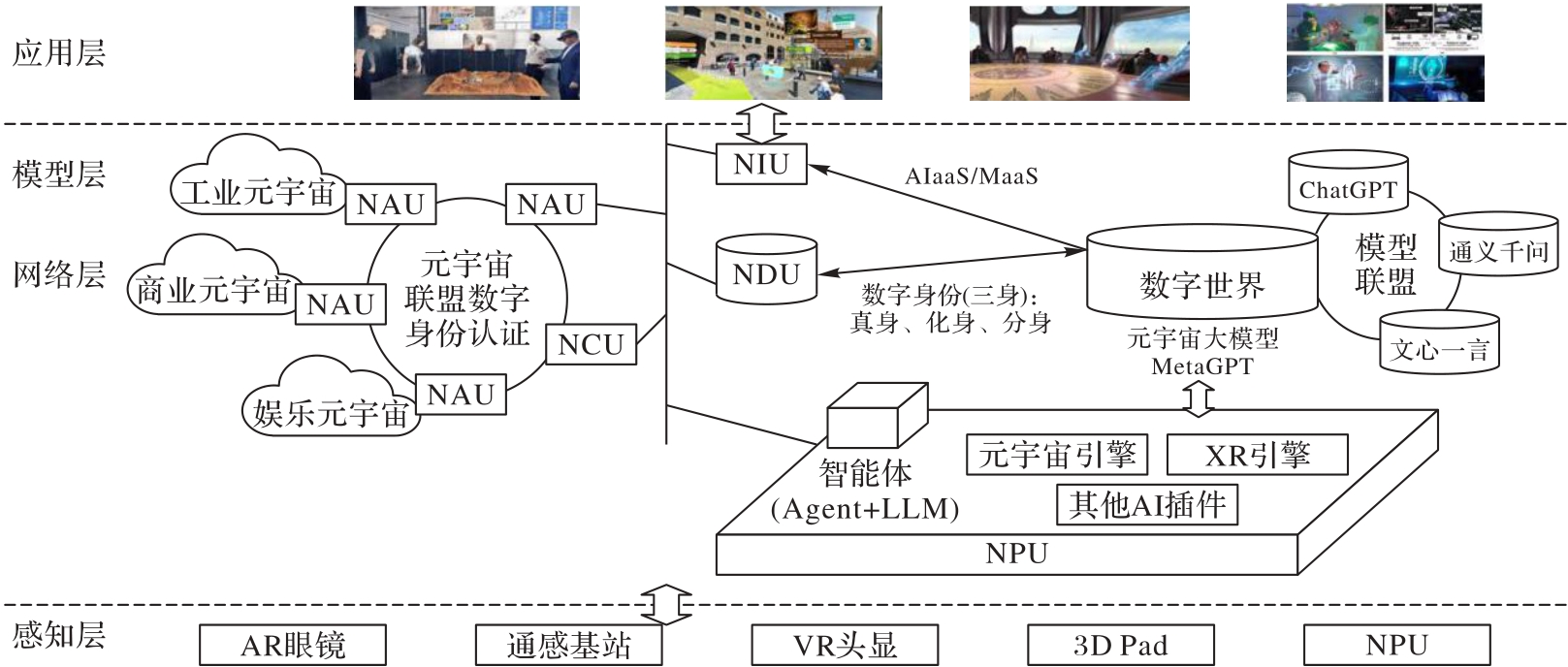
Fig. 7 Metaverse communication architecture for 6G core network integrated with AI
| [1] | 邵春堡. 从宏观视角认识6G和大模型的研发[J]. 数字经济, 2023(8): 38-39. |
| Shao Chunbao. Understanding 6G and large model research and development from a macro perspective[J]. Digital Economy, 2023(8): 38-39. | |
| [2] | 廖勇,罗渝,荆亚昊.6G新型时延多普勒通信范式:OTFS的技术优势、设计挑战、应用与前景[J].电子与信息学报,2024,46(5): 1827-1842. |
| Liao Yong, Luo Yu, Jing Yahao. 6G new time-delay doppler communication paradigm: technical advantages, design challenges, applications and prospects of OTFS[J]. Journal of Electronics and Information Technology, 2024, 46(5): 1827-1842. | |
| [3] | 廖勇,杨植景,李雪. 人工智能在6G空口物理层的潜在应用[J]. 北京邮电大学学报, 2022, 45(6): 21-30. |
| Liao Yong, Yang Zhijing, Li Xue. Research progress of potential applications of AI in 6G air interface physical layer[J]. Journal of Beijing University of Posts and Telecommunications, 2022, 45(6): 21-30. | |
| [4] | 罗锦钊,孙玉龙,钱增志,等. 人工智能大模型综述及展望[J]. 无线电工程, 2023, 53(11): 2461-2472. |
| Luo Jinzhao, Sun Yulong, Qian Zengzhi, et al. Overview and prospect of artificial intelligence large models[J]. Radio Engineering, 2023, 53(11): 2461-2472. | |
| [5] | 廖勇,韩小金,刘金林,等. 可解释性人工智能研究进展[J]. 计算机工程, 2026, 52(3): 41-61. |
| Liao Yong, Han Xiaojin, Liu Jinlin, et al. Research progress of explainable artificial intelligence[J]. Computer Engineering, 2026, 52(3): 41-61. | |
| [6] | 廖建新,戚琦,王敬宇,等.6G智能业务网络:愿景、架构与关键技术[J]. 中国科学:信息科学, 2024, 54(5): 991-1024. |
| Liao Jianxin, Qi Qi, Wang Jingyu, et al. 6G intelligent service network: vision, architecture and key technologies[J]. SCIENTIA SINICA Informations, 2024, 54(5): 991-1024. | |
| [7] | 孙万飞,左君,徐晖,等.AI与6G网络融合研究与挑战分析[J]. 移动通信,2024,48(8): 41-45. |
| Sun Wanfei, Zuo Jun, XU Hui, et al. Research and challenge analysis on the integration of AI and 6G networks[J]. Mobile Communications, 2024, 48(8): 41-45. | |
| [8] | 徐建喜,魏思雨,李宗平.基于5G的列车云边端协同计算设计与优化[J].太赫兹科学与电子信息学报,2024,22(11):1199-1208. |
| XU Jianxi, Wei Siyu, Li Zongping. 5G-based design and optimization of cloud-edge-train collaborative computing[J]. Journal of Terahertz Science and Electronic Information Technology, 2024, 22(11): 1199-1208. | |
| [9] | 李津汉,王一冉,官科,等. 面向5G-R高铁站场景的CDL建模与研究[J]. 太赫兹科学与电子信息学报, 2024, 22(11): 1181-1192. |
| Li Jinhan, Wang Yiran, Guan Ke, et al. CDL modeling and research for 5G-R high-speed railway station scenarios[J]. Journal of Terahertz Science and Electronic Information Technology, 2024, 22(11): 1181-1192. | |
| [10] | Qian L, Zhao J. User association and resource allocation in large language model based mobile edge computing system over 6G wireless communications[C]// VTC2024-Spring. Piscataway: IEEE, 2024: 1-7. |
| [11] | Bikos A N, Verikoukis C. 6G-ACCORD: beyond SotA intent conflict resolution drivers for 6G autonomous networks[C]// CAMAD 2024. Piscataway: IEEE, 2024. |
| [12] | 于力,张建华,蔡逸辰.6G数字孪生信道的三个使能技术:多模态感知、环境知识和大模型[J].中兴通讯技术,2025,31(4): 19-28. |
| Yu Li, Zhang Jianhua, Cai Yichen. Three enabling technologies for 6G digital twin channels: multi-modal sensing, environmental knowledge, and large models[J]. ZTE Technology Journal, 2025, 31(4): 19-28. | |
| [13] | Yu H, Shokrnezhad M, Taleb T, et al. Toward 6G-based metaverse: supporting highly-dynamic deterministic multi-user extended reality services[J]. IEEE Network, 2023, 37(4): 30-38. |
| [14] | Jiang F, Peng Y, Dong L, et al. Large language model enhanced multi-agent systems for 6G communications[J]. IEEE Wireless Communications, 2024, 31(5): 48-55. |
| [15] | Rong B, Rutagemwa H. Leveraging large language models for intelligent control of 6G integrated TN-NTN with IoT service[J]. IEEE Network, 2024, 38(4): 136-142. |
| [16] | Otal H T, Stern E, Canbaz M A. LLM-assisted crisis management: building advanced LLM platforms for effective emergency response and public collaboration[C]// CAI 2024. Piscataway: IEEE, 2024: 851-859. |
| [17] | 谢峰,杨立,陈琳,等.6G智能内生2.0新需求与基于智能体的网络架构设计[J].移动通信, 2025, 49(1): 9-15. |
| Xie Feng, Yang Li, Chen Lin, et al. New requirements for 6G intelligent endogenous 2.0 and agent-based network architecture design[J]. Mobile Communications, 2025, 49(1): 9-15. | |
| [18] | Mekrache A, Ksentini A, Verikoukis C. OSS-GPT: an LLM-powered intent-driven operations support system for 6G networks[C]// NetSoft 2025. Piscataway: IEEE, 2025: 155-163. |
| [19] | Wang W, Li S, Dong T, et al. From function calls to MCPs for securing AI agent systems: architecture, challenges and countermeasures[J]. ZTE Communications, 2025, 23(3): 27-37. |
| [20] | 王瀚洲,金子安,王瑞,等.AI赋能6G网络安全:架构与关键技术[J].中兴通讯技术,2025,31(3):31-38. |
| Wang Hanzhou, Jin Zian, Wang Rui, et al. AI empowered 6G network security: architecture and key technologies[J]. ZTE Technology Journal, 2025, 31(3): 31-38. | |
| [21] | 李心怡,杨照辉,黄崇文,等.6G内生智能无线大模型:安全、隐私、伦理和高能效[J].移动通信,2025,49(1):59-66. |
| Li Xinyi, Yang Zhaohui, Huang Chongwen, et al. 6G native intelligent wireless large model: security, privacy, ethics, and energy efficiency[J]. Mobile Communications, 2025, 49(1): 59-66. | |
| [22] | Xu M, Niyato D, Kang J, et al. When large language model agents meet 6G networks: perception, grounding, and alignment[J]. IEEE Wireless Communications, 2024, 31(6): 63-71. |
| [23] | 王天恩,王金伟.人工智能大模型接地的凸显:理解的语境-情境关联[J].贵州大学学报(社会科学版),2025,43(4): 1-9. |
| Wang Tianen, Wang Jinwei. Grounding emergence in AI large models: context-scenario correlation for enhanced comprehension[J]. Journal of Guizhou University (Social Sciences), 2025, 43(4): 1-9. | |
| [24] | 倪万里,秦志金,孙浩峰,等.通信大模型:技术进展与案例研究[J].移动通信,2025,49(1):21-35. |
| Ni Wanli, Qin Zhijin, Sun Haofeng, et al. Telecom large models: technological advances and case studies[J]. Mobile Communications, 2025, 49(1): 21-35. | |
| [25] | Chatzistefanidis I, Leone A, Nikaein N. MAESTRO: LLM-driven collaborative automation of intent-based 6G networks[J]. IEEE Networking Letters, 2024, 6(4): 227-231. |
| [26] | Huang L, Wu Y, Simeonidou D. Reasoning AI performance degradation in 6G networks with large language models[C]// WCNC 2025. Piscataway: IEEE, 2025: 1-6. |
| [27] | Ananthanarayanan A, Kanithan S, Hari S K, et al. Enhancing 6G wireless performance through advanced MIMO techniques[J]. Simulation Modelling Practice and Theory, 2026, 146: No.103222. |
| [28] | 赵熠如. AI大模型百花齐放 元宇宙、6G发展提速[J]. 服务外包, 2023(8): 72-73. |
| Zhao Yiru. AI large models blooming metaverse and 6G development accelerate[J]. China Outsourcing, 2023(8): 72-73. | |
| [29] | Chen X, Wu W, Li L, et al. LLM-empowered IoT for 6G networks: architecture, challenges, and solutions[J]. IEEE Internet of Things Magazine, 2025, 8(6): 34-41. |
| [30] | 陈新宇,张强,周建锋.6G核心网融合AI的元宇宙沉浸式通信架构及关键技术研究[J].信息通信技术,2024,18(2): 32-37, 51. |
| Chen Xinyu, Zhang Qiang, Zhou Jianfeng. Metaverse immersive communication architecture and key technologies research for AI integration of the 6G core network[J]. Information and Communications Technologies, 2024, 18(2): 32-37, 51. | |
| [31] | Mekrache A, Ksentini A, Verikoukis C. Next-generation 6G network management with OSS-GPT[C]// ACM SIGCOMM Posters and Demos 2025. New York: ACM, 2025: 158-160. |
| [32] | Bandara E, Foytik P, Shetty S, et al. Generative-AI (with custom-trained Meta's Llama2 LLM), Blockchain, NFT, federated learning and PBOM enabled data security architecture for metaverse on 5G/6G environment[C]// MASS 2024. Piscataway: IEEE, 2024: 118-124. |
| [33] | 张秀贤,朱晓荣. 6G网络中分布式AI模型协同技术综述[J]. 移动通信, 2025, 49(1): 43-51. |
| Zhang Xiuxian, Zhu Xiaorong. A survey on distributed AI model collaboration techniques in 6G networks[J]. Mobile Communications, 2025, 49(1): 43-51. | |
| [34] | 田辉,倪万里,聂高峰,等. 6G网络中面向AI大模型的联邦学习与协同部署技术综述[J]. 移动通信, 2024, 48(8): 30-40. |
| Tian Hui, Ni Wanli, Nie Gaofeng, et al. A survey on federated learning and collaborative deployment for AI large models in 6G networks[J]. Mobile Communications, 2024, 48(8): 30-40. | |
| [35] | Cheng D, Sheshadri R, Kak A, et al. Odin: effective end-to-end SLA decomposition for 5G/6G network slicing via online learning[C]// MobiHoc 2025. New York: ACM, 2025: 131-140. |
| [1] | Mengjiao YU, Min JIN, Xinhua LIU. Agile enhancement development framework driven by human-multi-agent collaboration [J]. Journal of Computer Applications, 2026, 46(9): 2938-2947. |
| [2] | Yun BIAN, Haiquan WANG, Yi CHEN, Zhe CUI. Construction method of software defect prediction dataset with explainability [J]. Journal of Computer Applications, 2026, 46(9): 2948-2958. |
| [3] | Zhenhui GONG, Xiaoyu SHI, Yun LU, Yangcheng LIU, Mingsheng SHANG. Fair recommendation framework for large language models with sensitive attribute absence [J]. Journal of Computer Applications, 2026, 46(9): 2838-2846. |
| [4] | Yaoran HUO, Huizhi LI, Dahe ZENG, Zhenyu TANG, Chenmei LIU, Yan WU, Xiao ZHANG, Siqin CHEN, Houhui YANG. Contract review framework based on dynamic rule generation and neuro-symbolic reasoning using large language models [J]. Journal of Computer Applications, 2026, 46(9): 2820-2826. |
| [5] | Mengting WANG, Shuanliang GAO, Wenrui LIAO, Geng LI, Jiaxing ZHANG, Yuanfang ZHU, Tiange ZHAO, Yonghui LIU, Hongru LIANG. Message consistency parsing framework for aviation domain [J]. Journal of Computer Applications, 2026, 46(8): 2681-2690. |
| [6] | Yue ZHANG, Yuhan GUO. Ride-hailing spatio-temporal demand forecasting method via large language model-driven semantic quantification [J]. Journal of Computer Applications, 2026, 46(8): 2467-2476. |
| [7] | Xinliang LIU, Yushi XU, Dubai LI, Yanzhao REN. Survey of knowledge graph-based question answering methods [J]. Journal of Computer Applications, 2026, 46(8): 2394-2410. |
| [8] | Jiahang LI, Qilong HAN, Lijie LI, Hui ZHANG. Large language model-driven method for qualifier enhancement in hyper-relational knowledge graphs [J]. Journal of Computer Applications, 2026, 46(7): 2043-2053. |
| [9] | Yadian CHENG, Yingying LI, Ping ZHANG, Fangbing QIU, Xiaonan CHAI, Yuqiao SHU. Dual-role interaction mechanism-based large language model for psychological health [J]. Journal of Computer Applications, 2026, 46(7): 2054-2063. |
| [10] | Didi HOU, Shaodong HONG, Yujie FU, Yunhe CUI, Guowei SHEN. Cybersecurity named entity recognition method based on large language model linking [J]. Journal of Computer Applications, 2026, 46(7): 2064-2073. |
| [11] | Yuqi WANG, Yangsen ZHANG, Pu WANG. High school English reading comprehension model integrating knowledge augmentation and contrastive learning [J]. Journal of Computer Applications, 2026, 46(7): 2096-2103. |
| [12] | Linkai ZHU, Lu YANG, Hongjie ZHANG, Zijin WU, Lu LIU. Smart contract generation framework driven by LLM and SWRL for cross-border data compliance across heterogeneous blockchains [J]. Journal of Computer Applications, 2026, 46(7): 2074-2084. |
| [13] | Jintao WANG, Zhilin GAO, Qixiang MENG, Fanliang BU. Legal case retrieval method via case information reformulation using large language model [J]. Journal of Computer Applications, 2026, 46(6): 1785-1792. |
| [14] | Longyu XIONG, Shengdong DU, Haochen SHI, Jie HU, Yan YANG, Tianrui LI. Government affairs hotline question answering system based on knowledge-enhanced large language model architecture [J]. Journal of Computer Applications, 2026, 46(6): 1721-1727. |
| [15] | Yusheng YI, Zhaohao HUANG, Zihao DENG, Leilei KONG, Haoliang QI. CORER: collaborative multi-knowledge large language model prompt framework for IT application innovation database migration [J]. Journal of Computer Applications, 2026, 46(6): 1811-1817. |
| Viewed | ||||||
|
Full text |
|
|||||
|
Abstract |
|
|||||
