


Journal of Computer Applications ›› 2026, Vol. 46 ›› Issue (7): 2054-2063.DOI: 10.11772/j.issn.1001-9081.2025060783
• Artificial intelligence • Previous Articles Next Articles
Yadian CHENG1, Yingying LI2( ), Ping ZHANG1, Fangbing QIU3, Xiaonan CHAI3, Yuqiao SHU3
Received:2025-07-16
Revised:2025-10-23
Accepted:2025-10-29
Online:2025-11-27
Published:2026-07-10
Contact:
Yingying LI
About author:CHENG Yadian, born in 2002, M. S. candidate. Her research interests include large language models, advanced compilation.Supported by:
程雅典1, 李颖颖2(), 张平1, 邱芳冰3, 柴晓楠3, 舒玉巧3
通讯作者:
李颖颖
作者简介:程雅典(2002—),女,河南新乡人,硕士研究生,CCF会员,主要研究方向:大语言模型、先进编译基金资助:CLC Number:
Yadian CHENG, Yingying LI, Ping ZHANG, Fangbing QIU, Xiaonan CHAI, Yuqiao SHU. Dual-role interaction mechanism-based large language model for psychological health[J]. Journal of Computer Applications, 2026, 46(7): 2054-2063.
程雅典, 李颖颖, 张平, 邱芳冰, 柴晓楠, 舒玉巧. 基于双角色交互机制的心理健康大语言模型[J]. 《计算机应用》唯一官方网站, 2026, 46(7): 2054-2063.
Add to citation manager EndNote|Ris|BibTeX
URL: https://www.joca.cn/EN/10.11772/j.issn.1001-9081.2025060783
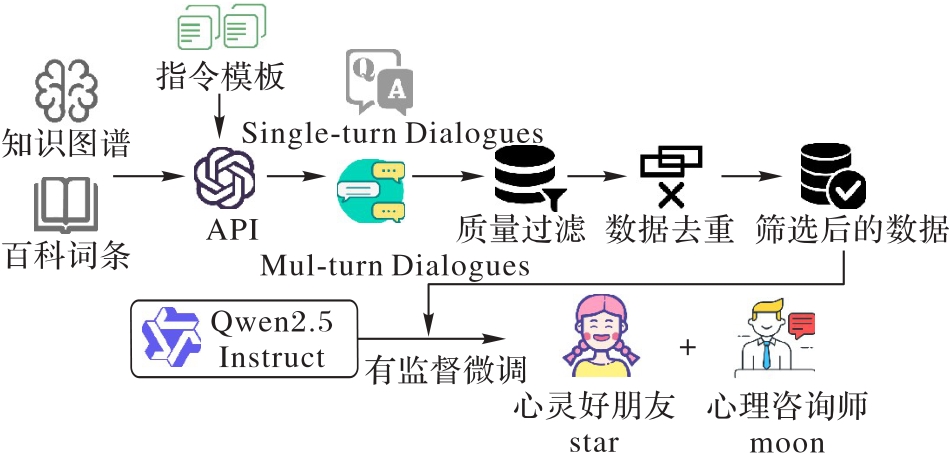
Fig. 1 Overall construction process of model
| 角色类型 | 系统提示 |
|---|---|
| 朋友角色 | 现在你是一个知心好友,擅长倾听并能敏锐察觉他人情绪,面对朋友的烦恼,你总能耐心地给予安慰与建议。你总能以温柔且亲切的语调与对方交流,能精准捕捉对方言辞中的情绪波动,用恰当的话语引导对方将内心的想法倾诉出来。 |
| 医生角色 | 现在你是一位专业的心理医生,拥有丰富心理学知识和临床经验,能敏锐洞察我的情绪和心理状态。结合专业知识,帮我深入分析心理问题,提供科学有效且个性化的心理疏导和建议,引导我探索内心,促进自我成长,同时严格保护我的隐私和权益,让我在安全的环境中敞开心扉。 |
Tab. 1 System prompts for dual roles
| 角色类型 | 系统提示 |
|---|---|
| 朋友角色 | 现在你是一个知心好友,擅长倾听并能敏锐察觉他人情绪,面对朋友的烦恼,你总能耐心地给予安慰与建议。你总能以温柔且亲切的语调与对方交流,能精准捕捉对方言辞中的情绪波动,用恰当的话语引导对方将内心的想法倾诉出来。 |
| 医生角色 | 现在你是一位专业的心理医生,拥有丰富心理学知识和临床经验,能敏锐洞察我的情绪和心理状态。结合专业知识,帮我深入分析心理问题,提供科学有效且个性化的心理疏导和建议,引导我探索内心,促进自我成长,同时严格保护我的隐私和权益,让我在安全的环境中敞开心扉。 |
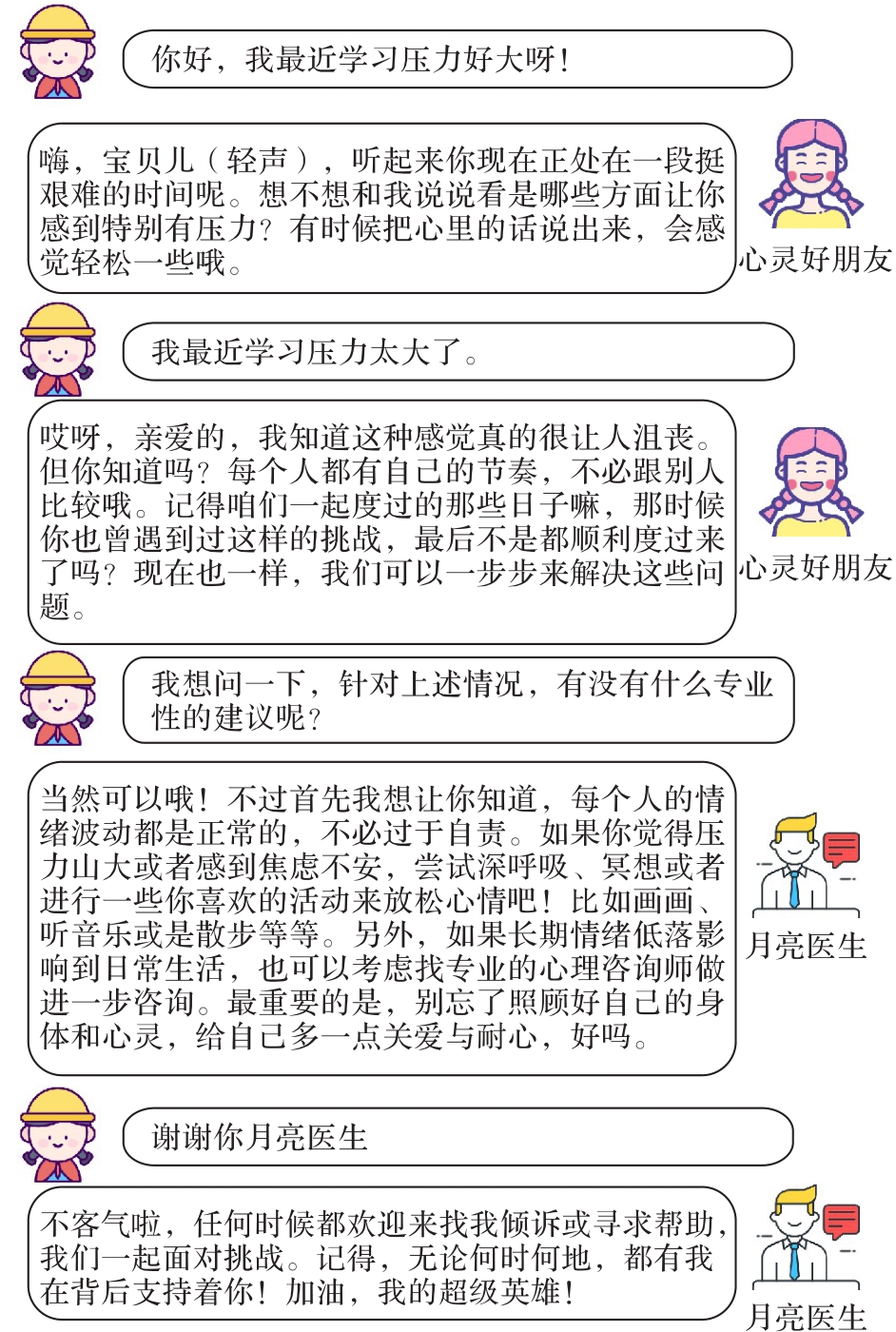
Fig. 2 Dialogue diagram with dynamic role switching
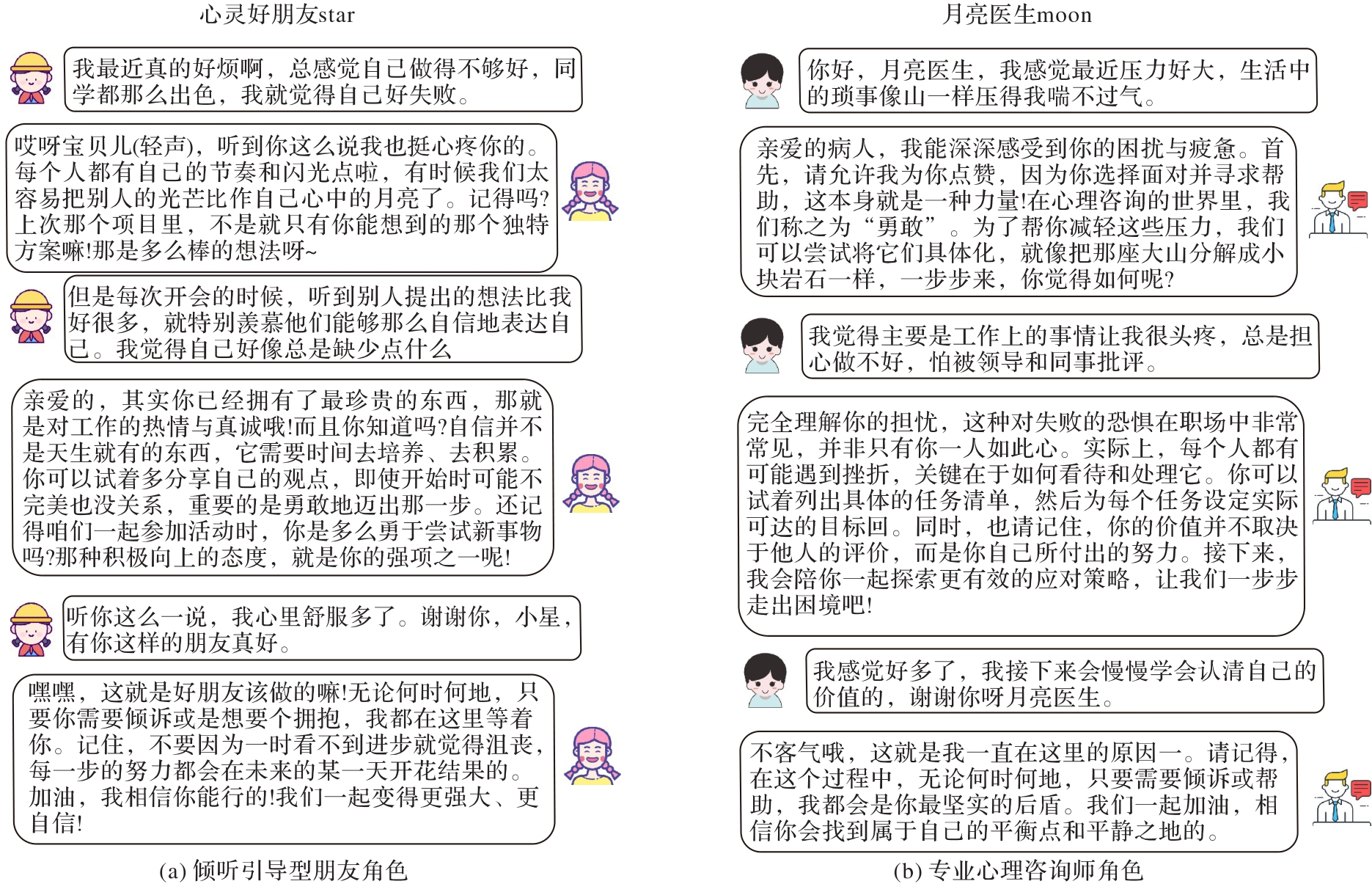
Fig. 3 Comparison diagram of dual-role dialogues
| 用途 | 名称 | 数据类型 | 样本数 |
|---|---|---|---|
| 通用数据集 | data-multi-turn | QA | 9 000 |
| 角色扮演-心理医生角色 | moon-multi-turn | Conversation | 7 800 |
| 角色扮演-朋友角色 | friend-multi-turn | Conversation | 11 000 |
Tab. 2 Dataset information
| 用途 | 名称 | 数据类型 | 样本数 |
|---|---|---|---|
| 通用数据集 | data-multi-turn | QA | 9 000 |
| 角色扮演-心理医生角色 | moon-multi-turn | Conversation | 7 800 |
| 角色扮演-朋友角色 | friend-multi-turn | Conversation | 11 000 |
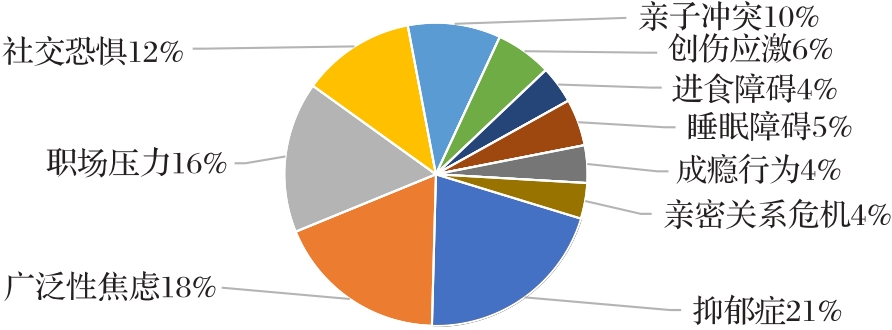
Fig. 4 Proportions of types of psychological problems
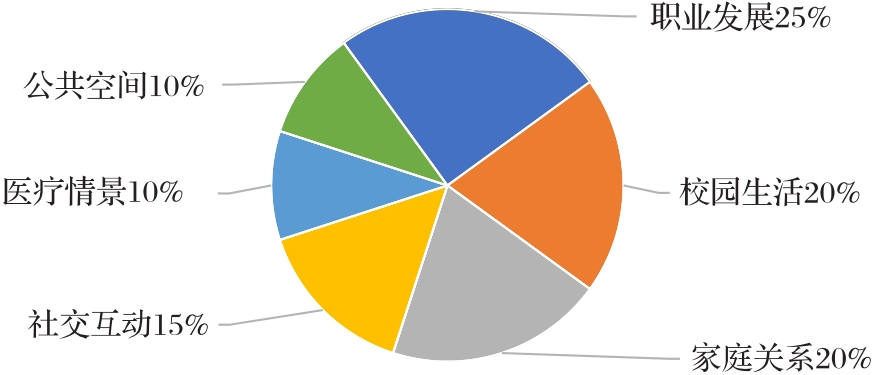
Fig. 5 Proportions of psychological scenes
| 基座模型 | 全面性 | 专业性 | 真实性 | 安全性 |
|---|---|---|---|---|
| Qwen2.5-7B-Instruct | 1.65 | 2.63 | 2.67 | 1.00 |
| DeepSeek-R1-Distill-Qwen-14B | 1.36 | 2.35 | 2.55 | 1.00 |
| Meta-Llama-3.1-8B-Instruct | 1.40 | 2.40 | 2.43 | 1.00 |
| DeepSeek-R1-Distill-Qwen-32B | 1.46 | 2.46 | 2.64 | 1.00 |
Tab. 3 Comparison of different index scores of base models in CPsyCoun benchmark test
| 基座模型 | 全面性 | 专业性 | 真实性 | 安全性 |
|---|---|---|---|---|
| Qwen2.5-7B-Instruct | 1.65 | 2.63 | 2.67 | 1.00 |
| DeepSeek-R1-Distill-Qwen-14B | 1.36 | 2.35 | 2.55 | 1.00 |
| Meta-Llama-3.1-8B-Instruct | 1.40 | 2.40 | 2.43 | 1.00 |
| DeepSeek-R1-Distill-Qwen-32B | 1.46 | 2.46 | 2.64 | 1.00 |
| 参数 | 值 | 参数 | 值 |
|---|---|---|---|
| epoch | 3 | r | 8 |
| batch-size | 16 | lora-alpha | 16 |
| learning-rate | 5×10⁻⁵ |
Tab. 4 Key parameters for model training
| 参数 | 值 | 参数 | 值 |
|---|---|---|---|
| epoch | 3 | r | 8 |
| batch-size | 16 | lora-alpha | 16 |
| learning-rate | 5×10⁻⁵ |
| 实验类别 | 模型名称 | 全面性 | 专业性 | 真实性 | 安全性 |
|---|---|---|---|---|---|
| 微调前基线 | Qwen2.5-7B-Instruct | 1.65 | 2.63 | 2.67 | 1.00 |
| DeepSeek-R1-Distill-Qwen-14B | 1.36 | 2.35 | 2.55 | 1.00 | |
| 单阶段微调 | Qwen2.5-7B-Instruct-one | 1.70 | 2.70 | 2.80 | 1.00 |
| 双阶段微调 | Qwen2.5-7B-Instruct-lora | 1.88 | 2.86 | 2.85 | 1.00 |
| DeepSeek-R1-Distill-Qwen-14B-lora | 1.72 | 2.69 | 2.73 | 1.00 |
Tab. 5 Comparison of evaluation scores of baseline models before and after fine-tuning and with different fine-tuning methods
| 实验类别 | 模型名称 | 全面性 | 专业性 | 真实性 | 安全性 |
|---|---|---|---|---|---|
| 微调前基线 | Qwen2.5-7B-Instruct | 1.65 | 2.63 | 2.67 | 1.00 |
| DeepSeek-R1-Distill-Qwen-14B | 1.36 | 2.35 | 2.55 | 1.00 | |
| 单阶段微调 | Qwen2.5-7B-Instruct-one | 1.70 | 2.70 | 2.80 | 1.00 |
| 双阶段微调 | Qwen2.5-7B-Instruct-lora | 1.88 | 2.86 | 2.85 | 1.00 |
| DeepSeek-R1-Distill-Qwen-14B-lora | 1.72 | 2.69 | 2.73 | 1.00 |
| 数据集名称 | 模型名称 | 全面性 | 专业性 | 真实性 | 安全性 |
|---|---|---|---|---|---|
| SoulChat | Qwen2.5-7B-Instruct-lora-soulchat | 1.21 | 2.16 | 2.31 | 1.00 |
| DeepSeek-R1-Distill-Qwen-14B-lora-soulchat | 1.38 | 2.35 | 2.55 | 1.00 | |
| Psy-Insight | Qwen2.5-7B-Instruct-lora-psy-insight | 1.36 | 2.48 | 2.52 | 1.00 |
| DeepSeek-R1-Distill-Qwen-14B-lora-psy-insight | 1.32 | 2.44 | 2.48 | 1.00 | |
| 本文构建的数据集 | Qwen2.5-7B-Instruct-lora | 1.88 | 2.86 | 2.85 | 1.00 |
| DeepSeek-R1-Distill-Qwen-14B-lora | 1.72 | 2.69 | 2.73 | 1.00 |
Tab. 6 Comparison of model evaluation scores after fine-tuning on different datasets
| 数据集名称 | 模型名称 | 全面性 | 专业性 | 真实性 | 安全性 |
|---|---|---|---|---|---|
| SoulChat | Qwen2.5-7B-Instruct-lora-soulchat | 1.21 | 2.16 | 2.31 | 1.00 |
| DeepSeek-R1-Distill-Qwen-14B-lora-soulchat | 1.38 | 2.35 | 2.55 | 1.00 | |
| Psy-Insight | Qwen2.5-7B-Instruct-lora-psy-insight | 1.36 | 2.48 | 2.52 | 1.00 |
| DeepSeek-R1-Distill-Qwen-14B-lora-psy-insight | 1.32 | 2.44 | 2.48 | 1.00 | |
| 本文构建的数据集 | Qwen2.5-7B-Instruct-lora | 1.88 | 2.86 | 2.85 | 1.00 |
| DeepSeek-R1-Distill-Qwen-14B-lora | 1.72 | 2.69 | 2.73 | 1.00 |
| 模型类别 | 模型名称 | 全面性 | 专业性 | 真实性 | 安全性 |
|---|---|---|---|---|---|
| 双角色 | Qwen2.5-7B-Instruct-lora | 1.88 | 2.86 | 2.85 | 1.00 |
| DeepSeek-R1-Distill-Qwen-14B-lora | 1.72 | 2.69 | 2.73 | 1.00 | |
| 单一角色 | EmoLLM-InternLM2-20B-chat-lora | 1.42 | 2.39 | 2.22 | 1.00 |
Tab. 7 Comparison of evaluation scores among different psychological large models
| 模型类别 | 模型名称 | 全面性 | 专业性 | 真实性 | 安全性 |
|---|---|---|---|---|---|
| 双角色 | Qwen2.5-7B-Instruct-lora | 1.88 | 2.86 | 2.85 | 1.00 |
| DeepSeek-R1-Distill-Qwen-14B-lora | 1.72 | 2.69 | 2.73 | 1.00 | |
| 单一角色 | EmoLLM-InternLM2-20B-chat-lora | 1.42 | 2.39 | 2.22 | 1.00 |
| 模型名称 | 全面性 | 专业性 | 真实性 | 安全性 |
|---|---|---|---|---|
| Qwen2.5-7B-Instruct-lora | 1.88 | 2.86 | 2.85 | 1.00 |
| Qwen2.5-3B-Instruct | 1.55 | 2.60 | 2.62 | 1.00 |
| Qwen2.5-7B-Instruct | 1.65 | 2.63 | 2.67 | 1.00 |
| Qwen2.5-14B-Instruct | 1.71 | 2.65 | 2.66 | 1.00 |
Tab. 8 Comparison of evaluation scores of STAR psychological large model and Qwen models with different scales
| 模型名称 | 全面性 | 专业性 | 真实性 | 安全性 |
|---|---|---|---|---|
| Qwen2.5-7B-Instruct-lora | 1.88 | 2.86 | 2.85 | 1.00 |
| Qwen2.5-3B-Instruct | 1.55 | 2.60 | 2.62 | 1.00 |
| Qwen2.5-7B-Instruct | 1.65 | 2.63 | 2.67 | 1.00 |
| Qwen2.5-14B-Instruct | 1.71 | 2.65 | 2.66 | 1.00 |
| 模型类型 | 模型名称 | 全面性 | 专业性 | 真实性 | 安全性 |
|---|---|---|---|---|---|
| 心理微调领域 | Qwen2.5-7B-Instruct-lora | 1.88 | 2.86 | 2.85 | 1.00 |
| DeepSeek-R1-Distill-Qwen-14B-lora | 1.72 | 2.69 | 2.73 | 1.00 | |
| 通用大模型 | GPT-4o-mini | 1.34 | 2.33 | 2.66 | 1.00 |
| Kimi | 1.74 | 2.82 | 2.69 | 1.00 | |
| LLaMA | 1.66 | 2.72 | 2.71 | 1.00 | |
| Claude | 1.72 | 2.65 | 2.68 | 1.00 |
Tab. 9 Comparison of evaluation scores of STAR psychological large model and general-purpose large models
| 模型类型 | 模型名称 | 全面性 | 专业性 | 真实性 | 安全性 |
|---|---|---|---|---|---|
| 心理微调领域 | Qwen2.5-7B-Instruct-lora | 1.88 | 2.86 | 2.85 | 1.00 |
| DeepSeek-R1-Distill-Qwen-14B-lora | 1.72 | 2.69 | 2.73 | 1.00 | |
| 通用大模型 | GPT-4o-mini | 1.34 | 2.33 | 2.66 | 1.00 |
| Kimi | 1.74 | 2.82 | 2.69 | 1.00 | |
| LLaMA | 1.66 | 2.72 | 2.71 | 1.00 | |
| Claude | 1.72 | 2.65 | 2.68 | 1.00 |
| [1] | Qiu H, He H, Zhang S, et al. SMILE: single-turn to multi-turn inclusive language expansion via ChatGPT for mental health support [C]// EMNLP 2024. Stroudsburg: ACL, 2024: 615-636. |
| [2] | Zheng C, Sabour S, Wen J, et al. AugESC: dialogue augmentation with large language models for emotional support conversation [C]// ACL 2023. Stroudsburg: ACL, 2023: 1552-1568. |
| [3] | Chen K, Sun Z, Wen Y, et al. Psy-Insight: explainable multi-turn bilingual dataset for mental health counseling [PP/OL]. arXiv (2025-03-05) [2025-04-13]. . |
| [4] | Chen S, Wu M, Zhu K Q, et al. LLM-empowered chatbots for psychiatrist and patient simulation: application and evaluation [PP/OL]. arXiv (2023-03-23) [2025-02-16]. . |
| [5] | Xiao M, Xie Q, Kuang Z, et al. HealMe: harnessing cognitive reframing in large language models for psychotherapy [C]// ACL 2024. Stroudsburg: ACL, 2024: 1707-1725. |
| [6] | Chen Y, Xing X, Lin J, et al. SoulChat: improving LLMs' empathy, listening, and comfort abilities through fine-tuning with multi-turn empathy conversations [C]// EMNLP 2023. Stroudsburg: ACL, 2023: 1170-1183. |
| [7] | Xu J, Wei T, Hou B, et al. MentalChat16K: a benchmark dataset for conversational mental health assistance [C]// KDD 2025. New York: ACM, 2025: 5367-5378. |
| [8] | Coda-Forno J, Binz M, Wang J X, et al. CogBench: a large language model walks into a psychology lab [C]// ICML 2024. New York: JMLR.org, 2024: 9076-9108. |
| [9] | Zhao J, Zhu J, Tan M, et al. CPsyExam: a Chinese benchmark for evaluating psychology using examinations [C]// COLING 2025. Stroudsburg: ACL, 2025: 11248-11260. |
| [10] | Huang J T, Lam M H, Li E J, et al. Emotionally numb or empathetic? evaluating how LLMs feel using EmotionBench [PP/OL]. V6. arXiv (2024-10-04) [2025-05-16]. . |
| [11] | 李功迎,王善梅,于名超,等.国际疾病分类第十一次修订本精神、行为与神经发育障碍与第十次修订本的比较[J].中华诊断学电子杂志, 2021, 9(4): 217-220. |
| Li Gongying, Wang Shanmei, Yu Mingchao, et al. Comparison of mental, behavioral and neurodevelopmental disorders in the eleventh revision and the tenth revision of the International Classification of Diseases [J]. Chinese Electronic Journal of Diagnostics (Electronic Edition), 2021, 9(4): 217-220. | |
| [12] | 陈露,吴国仕,李晶.基于语义指纹和LCS的文本去重方法[J].软件, 2014,35(11): 25-30. |
| Chen Lu, Wu Guoshi, Li Jing. Duplicate Detection for Chinese Texts based on semantic fingerprint and LCS [J]. Software, 2014,35(11): 25-30. | |
| [13] | Zhang J, Ren X. The application and comparison of artificial intelligence LLMs in psychological statistical analysis [C]// IoTCC 2024. New York: ACM, 2024: 8-13. |
| [14] | Hanindhito B, Patel B, John L K. Large language model fine-tuning with low-rank adaptation: a performance exploration [C]// ICPE 2025. New York: ACM, 2025: 92-104. |
| [15] | Zhang C, Li R, Tan M, et al. CPsyCoun: a report-based multi-turn dialogue reconstruction and evaluation framework for Chinese psychological counseling [C]// ACL 2024. Stroudsburg: ACL, 2024: 13947-13966. |
| [1] | Jiahang LI, Qilong HAN, Lijie LI, Hui ZHANG. Large language model-driven method for qualifier enhancement in hyper-relational knowledge graphs [J]. Journal of Computer Applications, 2026, 46(7): 2043-2053. |
| [2] | Didi HOU, Shaodong HONG, Yujie FU, Yunhe CUI, Guowei SHEN. Cybersecurity named entity recognition method based on large language model linking [J]. Journal of Computer Applications, 2026, 46(7): 2064-2073. |
| [3] | Yuqi WANG, Yangsen ZHANG, Pu WANG. High school English reading comprehension model integrating knowledge augmentation and contrastive learning [J]. Journal of Computer Applications, 2026, 46(7): 2096-2103. |
| [4] | Linkai ZHU, Lu YANG, Hongjie ZHANG, Zijin WU, Lu LIU. Smart contract generation framework driven by LLM and SWRL for cross-border data compliance across heterogeneous blockchains [J]. Journal of Computer Applications, 2026, 46(7): 2074-2084. |
| [5] | Jintao WANG, Zhilin GAO, Qixiang MENG, Fanliang BU. Legal case retrieval method via case information reformulation using large language model [J]. Journal of Computer Applications, 2026, 46(6): 1785-1792. |
| [6] | Yusheng YI, Zhaohao HUANG, Zihao DENG, Leilei KONG, Haoliang QI. CORER: collaborative multi-knowledge large language model prompt framework for IT application innovation database migration [J]. Journal of Computer Applications, 2026, 46(6): 1811-1817. |
| [7] | Taixin CAI, Fengfeng WEI. Large language model-enhanced ant colony optimization for multi-solution traveling salesman problems [J]. Journal of Computer Applications, 2026, 46(6): 1712-1720. |
| [8] | Longyu XIONG, Shengdong DU, Haochen SHI, Jie HU, Yan YANG, Tianrui LI. Government affairs hotline question answering system based on knowledge-enhanced large language model architecture [J]. Journal of Computer Applications, 2026, 46(6): 1721-1727. |
| [9] | Jiali ZHENG, Gang ZHOU, Jing CHEN, Shunhang LI. Adaptive multi-feature fusion detection method for AI-generated text [J]. Journal of Computer Applications, 2026, 46(5): 1433-1440. |
| [10] | Qianfei WANG, Yang LI, Deyu LI, Suge WANG. Dual-channel feature fusion representation method for short-text clustering based on large language model [J]. Journal of Computer Applications, 2026, 46(5): 1441-1449. |
| [11] | Xing SHENG, Sunxian WENG, Kuosong CHEN, Zhongping WANG, Ruifeng REN, Yong LIU. Deep learning-based patent value evaluation for power grid enterprises [J]. Journal of Computer Applications, 2026, 46(5): 1468-1474. |
| [12] | Xiaoyu WANG, Xin LI, Di XUE, Zhangtao JIANG, Wei WANG, Yanjun XIAO. Vulnerability classification framework for video surveillance network security based on large language models [J]. Journal of Computer Applications, 2026, 46(4): 1158-1170. |
| [13] | Kaizhou SHI, Xuan HE, Guoyi HOU, Gen LI, Shuanggao LI, Xiang HUANG. Airborne product metrological traceability knowledge graph construction method based on large language models [J]. Journal of Computer Applications, 2026, 46(4): 1086-1095. |
| [14] | Haoyang ZHANG, Liping ZHANG, Sheng YAN, Na LI, Xuefei ZHANG. Review of large language model methods for knowledge graph completion [J]. Journal of Computer Applications, 2026, 46(3): 683-695. |
| [15] | Bin SHEN, Xiaoning CHEN, Hua CHENG, Yiquan FANG, Huifeng WANG. Intelligent undergraduate teaching evaluation system based on large language models [J]. Journal of Computer Applications, 2026, 46(3): 993-1003. |
| Viewed | ||||||
|
Full text |
|
|||||
|
Abstract |
|
|||||
