


Journal of Computer Applications ›› 2026, Vol. 46 ›› Issue (11): 3617-3625.DOI: 10.11772/j.issn.1001-9081.2025101209
• Multimedia computing and computer simulation • Previous Articles
Shiyu QUAN1,2, Yanan LI1( ), Zhenxing XIAO1, Hao LU3, Zhiwen FANG4, Junfeng QU5
Received:2025-10-12
Revised:2025-12-30
Accepted:2026-01-06
Online:2026-01-14
Published:2026-11-10
Contact:
Yanan LI
About author:QUAN Shiyu, born in 2000, M. S. candidate. His research interests include computer vision.Supported by:
全诗宇1,2, 李亚楠1(), 肖振兴1, 陆昊3, 方智文4, 屈俊峰5
通讯作者:
李亚楠
作者简介:全诗宇(2000—),男,湖北大冶人,硕士研究生,主要研究方向:计算机视觉基金资助:CLC Number:
Shiyu QUAN, Yanan LI, Zhenxing XIAO, Hao LU, Zhiwen FANG, Junfeng QU. Unsupervised domain adaptation for image classification via modal correlation feature alignment[J]. Journal of Computer Applications, 2026, 46(11): 3617-3625.
全诗宇, 李亚楠, 肖振兴, 陆昊, 方智文, 屈俊峰. 模态相关性特征对齐的无监督领域适应图像分类[J]. 《计算机应用》唯一官方网站, 2026, 46(11): 3617-3625.
Add to citation manager EndNote|Ris|BibTeX
URL: https://www.joca.cn/EN/10.11772/j.issn.1001-9081.2025101209
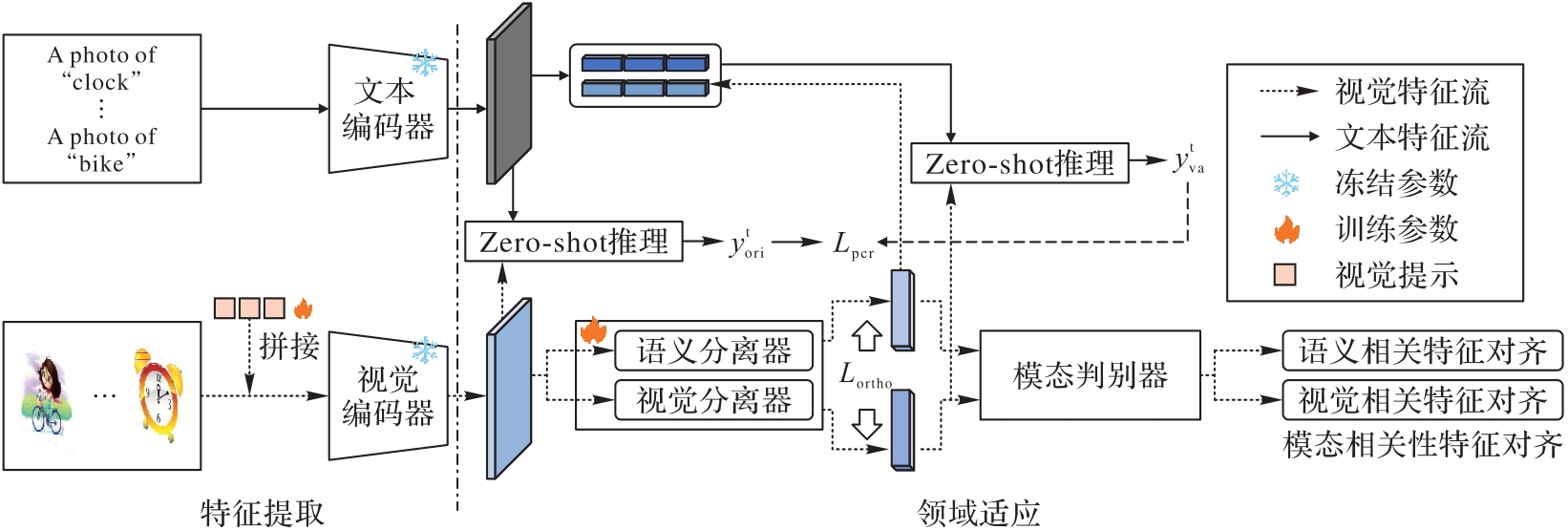
Fig. 1 Framework of unsupervised domain adaptation via cross-modal correlation feature alignment
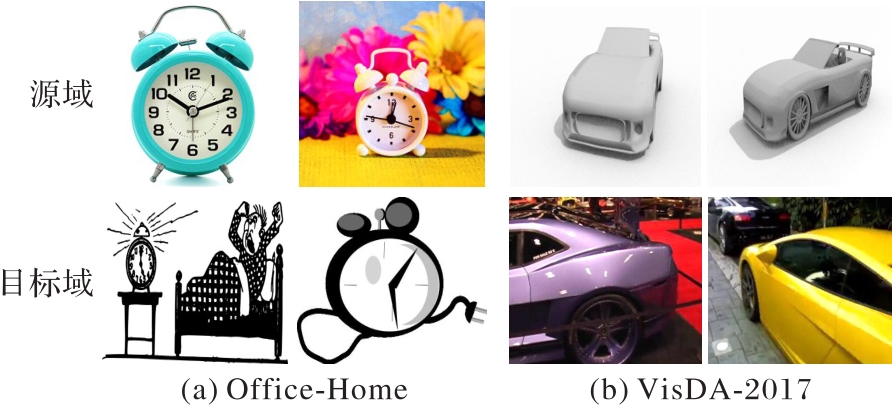
Fig. 2 Partial examples of benchmark datasets
| 方法 | A→C | A→P | A→R | C→A | C→P | C→R | P→A | P→C | P→R | R→A | R→C | R→P | 平均值 |
|---|---|---|---|---|---|---|---|---|---|---|---|---|---|
| ResNet-50[ | 34.9 | 50.0 | 58.0 | 37.4 | 41.9 | 46.2 | 38.5 | 31.2 | 60.4 | 53.9 | 41.2 | 59.9 | 46.1 |
| DR-ADA[ | 55.0 | 77.4 | 80.7 | 65.8 | 73.0 | 74.3 | 64.0 | 52.3 | 81.7 | 71.8 | 54.6 | 83.1 | 69.5 |
| KUDA[ | 58.2 | 80.0 | 82.9 | 71.1 | 80.3 | 80.7 | 71.3 | 56.8 | 83.2 | 75.5 | 60.3 | 86.6 | 73.9 |
| PADCLIP[ | 57.5 | 84.0 | 83.8 | 77.8 | 85.5 | 84.7 | 76.3 | 59.2 | 85.4 | 78.1 | 60.2 | 86.7 | 76.6 |
| CLIP[ | 51.6 | 81.9 | 82.6 | 71.9 | 81.9 | 82.6 | 71.9 | 51.6 | 82.6 | 71.9 | 51.6 | 81.9 | 72.0 |
| DAPrompt[ | 54.1 | 84.3 | 84.8 | 74.4 | 83.7 | 85.0 | 74.5 | 54.6 | 84.8 | 75.2 | 54.7 | 83.8 | 74.5 |
| AD-CLIP[ | 55.4 | 85.2 | 85.6 | 76.1 | 85.8 | 86.2 | 76.7 | 56.1 | 85.4 | 76.8 | 56.1 | 85.5 | 75.9 |
| PGA[ | 56.1 | 85.5 | 86.0 | 75.5 | 85.2 | 85.8 | 75.2 | 55.7 | 86.1 | 75.4 | 56.7 | 85.8 | 75.8 |
| CRPL[ | 54.7 | 84.1 | 84.6 | 74.3 | 83.2 | 83.7 | 73.7 | 53.4 | 84.6 | 74.5 | 55.5 | 85.5 | 74.4 |
| 本文方法 | 58.6 | 89.0 | 86.7 | 74.3 | 89.1 | 86.7 | 73.9 | 56.4 | 86.6 | 75.6 | 58.1 | 89.5 | 77.1 |
Tab. 1 Classification accuracy using ResNet as backbone on Office-Home dataset
| 方法 | A→C | A→P | A→R | C→A | C→P | C→R | P→A | P→C | P→R | R→A | R→C | R→P | 平均值 |
|---|---|---|---|---|---|---|---|---|---|---|---|---|---|
| ResNet-50[ | 34.9 | 50.0 | 58.0 | 37.4 | 41.9 | 46.2 | 38.5 | 31.2 | 60.4 | 53.9 | 41.2 | 59.9 | 46.1 |
| DR-ADA[ | 55.0 | 77.4 | 80.7 | 65.8 | 73.0 | 74.3 | 64.0 | 52.3 | 81.7 | 71.8 | 54.6 | 83.1 | 69.5 |
| KUDA[ | 58.2 | 80.0 | 82.9 | 71.1 | 80.3 | 80.7 | 71.3 | 56.8 | 83.2 | 75.5 | 60.3 | 86.6 | 73.9 |
| PADCLIP[ | 57.5 | 84.0 | 83.8 | 77.8 | 85.5 | 84.7 | 76.3 | 59.2 | 85.4 | 78.1 | 60.2 | 86.7 | 76.6 |
| CLIP[ | 51.6 | 81.9 | 82.6 | 71.9 | 81.9 | 82.6 | 71.9 | 51.6 | 82.6 | 71.9 | 51.6 | 81.9 | 72.0 |
| DAPrompt[ | 54.1 | 84.3 | 84.8 | 74.4 | 83.7 | 85.0 | 74.5 | 54.6 | 84.8 | 75.2 | 54.7 | 83.8 | 74.5 |
| AD-CLIP[ | 55.4 | 85.2 | 85.6 | 76.1 | 85.8 | 86.2 | 76.7 | 56.1 | 85.4 | 76.8 | 56.1 | 85.5 | 75.9 |
| PGA[ | 56.1 | 85.5 | 86.0 | 75.5 | 85.2 | 85.8 | 75.2 | 55.7 | 86.1 | 75.4 | 56.7 | 85.8 | 75.8 |
| CRPL[ | 54.7 | 84.1 | 84.6 | 74.3 | 83.2 | 83.7 | 73.7 | 53.4 | 84.6 | 74.5 | 55.5 | 85.5 | 74.4 |
| 本文方法 | 58.6 | 89.0 | 86.7 | 74.3 | 89.1 | 86.7 | 73.9 | 56.4 | 86.6 | 75.6 | 58.1 | 89.5 | 77.1 |
| 方法 | A→C | A→P | A→R | C→A | C→P | C→R | P→A | P→C | P→R | R→A | R→C | R→P | 平均值 |
|---|---|---|---|---|---|---|---|---|---|---|---|---|---|
| ViT-B/16[ | 54.7 | 83.0 | 87.2 | 77.3 | 83.4 | 85.5 | 74.4 | 50.9 | 87.2 | 79.6 | 53.8 | 88.8 | 75.5 |
| CDTrans[ | 68.8 | 85.0 | 86.9 | 81.5 | 87.1 | 87.3 | 79.6 | 63.3 | 88.2 | 82.0 | 66.0 | 90.6 | 80.5 |
| TVT-B[ | 74.9 | 86.8 | 89.5 | 82.8 | 88.0 | 88.3 | 79.8 | 71.9 | 90.1 | 85.5 | 74.6 | 90.6 | 83.6 |
| SSRT-B[ | 75.2 | 89.0 | 91.1 | 85.1 | 88.3 | 90.0 | 85.0 | 74.2 | 91.3 | 85.7 | 78.6 | 91.8 | 85.4 |
| CLIP[ | 67.8 | 89.0 | 89.8 | 82.9 | 89.0 | 89.8 | 82.9 | 67.8 | 89.8 | 82.9 | 67.8 | 89.0 | 82.4 |
| AD-CLIP[ | 70.9 | 92.5 | 92.1 | 85.4 | 92.4 | 92.5 | 86.7 | 74.3 | 93.0 | 86.9 | 72.6 | 93.8 | 86.1 |
| PDA[ | 73.5 | 91.4 | 91.3 | 86.0 | 91.6 | 91.5 | 86.0 | 73.5 | 91.7 | 86.4 | 73.0 | 92.4 | 85.7 |
| 本文方法 | 73.2 | 93.4 | 92.0 | 86.0 | 93.9 | 92.0 | 85.5 | 73.2 | 92.1 | 86.2 | 73.2 | 93.9 | 86.2 |
Tab. 2 Classification accuracy using ViT-B/16 as backbone on Office-Home dataset
| 方法 | A→C | A→P | A→R | C→A | C→P | C→R | P→A | P→C | P→R | R→A | R→C | R→P | 平均值 |
|---|---|---|---|---|---|---|---|---|---|---|---|---|---|
| ViT-B/16[ | 54.7 | 83.0 | 87.2 | 77.3 | 83.4 | 85.5 | 74.4 | 50.9 | 87.2 | 79.6 | 53.8 | 88.8 | 75.5 |
| CDTrans[ | 68.8 | 85.0 | 86.9 | 81.5 | 87.1 | 87.3 | 79.6 | 63.3 | 88.2 | 82.0 | 66.0 | 90.6 | 80.5 |
| TVT-B[ | 74.9 | 86.8 | 89.5 | 82.8 | 88.0 | 88.3 | 79.8 | 71.9 | 90.1 | 85.5 | 74.6 | 90.6 | 83.6 |
| SSRT-B[ | 75.2 | 89.0 | 91.1 | 85.1 | 88.3 | 90.0 | 85.0 | 74.2 | 91.3 | 85.7 | 78.6 | 91.8 | 85.4 |
| CLIP[ | 67.8 | 89.0 | 89.8 | 82.9 | 89.0 | 89.8 | 82.9 | 67.8 | 89.8 | 82.9 | 67.8 | 89.0 | 82.4 |
| AD-CLIP[ | 70.9 | 92.5 | 92.1 | 85.4 | 92.4 | 92.5 | 86.7 | 74.3 | 93.0 | 86.9 | 72.6 | 93.8 | 86.1 |
| PDA[ | 73.5 | 91.4 | 91.3 | 86.0 | 91.6 | 91.5 | 86.0 | 73.5 | 91.7 | 86.4 | 73.0 | 92.4 | 85.7 |
| 本文方法 | 73.2 | 93.4 | 92.0 | 86.0 | 93.9 | 92.0 | 85.5 | 73.2 | 92.1 | 86.2 | 73.2 | 93.9 | 86.2 |
| 方法 | plane | bcycl | bus | car | horse | knife | mcycl | person | plant | sktbrd | train | truck | 平均值 |
|---|---|---|---|---|---|---|---|---|---|---|---|---|---|
| RN-101[ | 55.1 | 53.3 | 61.9 | 59.1 | 80.6 | 17.9 | 79.7 | 31.2 | 81.0 | 26.5 | 73.5 | 8.5 | 52.4 |
| SDAT[ | 95.8 | 85.5 | 76.9 | 69.0 | 93.5 | 97.4 | 88.5 | 78.2 | 93.1 | 91.6 | 86.3 | 55.3 | 84.3 |
| CGDM[ | 93.4 | 82.7 | 73.2 | 68.4 | 92.9 | 94.5 | 88.7 | 82.1 | 93.4 | 82.5 | 86.8 | 49.2 | 82.3 |
| CLIP[ | 98.2 | 83.9 | 90.5 | 73.5 | 97.2 | 84.0 | 95.3 | 65.7 | 79.4 | 89.9 | 91.8 | 63.3 | 84.4 |
| DAPrompt[ | 97.8 | 83.1 | 88.8 | 77.9 | 97.4 | 91.5 | 94.2 | 79.7 | 88.6 | 89.3 | 92.5 | 62.0 | 86.9 |
| CMKD[ | 97.8 | 87.6 | 87.8 | 75.4 | 96.8 | 95.7 | 87.4 | 79.3 | 91.2 | 89.8 | 92.0 | 62.4 | 87.0 |
| 本文方法 | 97.3 | 88.6 | 86.1 | 79.0 | 97.0 | 91.9 | 91.0 | 79.3 | 96.2 | 89.4 | 91.3 | 62.3 | 87.5 |
Tab. 3 Classification accuracy using ResNet-101 as backbone on VisDA-2017 dataset
| 方法 | plane | bcycl | bus | car | horse | knife | mcycl | person | plant | sktbrd | train | truck | 平均值 |
|---|---|---|---|---|---|---|---|---|---|---|---|---|---|
| RN-101[ | 55.1 | 53.3 | 61.9 | 59.1 | 80.6 | 17.9 | 79.7 | 31.2 | 81.0 | 26.5 | 73.5 | 8.5 | 52.4 |
| SDAT[ | 95.8 | 85.5 | 76.9 | 69.0 | 93.5 | 97.4 | 88.5 | 78.2 | 93.1 | 91.6 | 86.3 | 55.3 | 84.3 |
| CGDM[ | 93.4 | 82.7 | 73.2 | 68.4 | 92.9 | 94.5 | 88.7 | 82.1 | 93.4 | 82.5 | 86.8 | 49.2 | 82.3 |
| CLIP[ | 98.2 | 83.9 | 90.5 | 73.5 | 97.2 | 84.0 | 95.3 | 65.7 | 79.4 | 89.9 | 91.8 | 63.3 | 84.4 |
| DAPrompt[ | 97.8 | 83.1 | 88.8 | 77.9 | 97.4 | 91.5 | 94.2 | 79.7 | 88.6 | 89.3 | 92.5 | 62.0 | 86.9 |
| CMKD[ | 97.8 | 87.6 | 87.8 | 75.4 | 96.8 | 95.7 | 87.4 | 79.3 | 91.2 | 89.8 | 92.0 | 62.4 | 87.0 |
| 本文方法 | 97.3 | 88.6 | 86.1 | 79.0 | 97.0 | 91.9 | 91.0 | 79.3 | 96.2 | 89.4 | 91.3 | 62.3 | 87.5 |
| 方法 | plane | bcycl | bus | car | horse | knife | mcycl | person | plant | sktbrd | train | truck | 平均值 |
|---|---|---|---|---|---|---|---|---|---|---|---|---|---|
| ViT-B[ | 99.1 | 60.7 | 70.6 | 82.7 | 96.5 | 73.1 | 97.1 | 19.7 | 64.5 | 94.7 | 97.2 | 15.4 | 72.6 |
| CDTrans[ | 97.1 | 90.5 | 82.4 | 77.5 | 96.6 | 96.1 | 93.6 | 88.6 | 97.9 | 86.9 | 90.3 | 62.8 | 88.4 |
| TVT-B[ | 92.9 | 85.6 | 77.5 | 60.5 | 93.6 | 98.2 | 89.4 | 76.4 | 93.6 | 92.0 | 91.7 | 55.7 | 83.9 |
| CLIP[ | 99.1 | 91.7 | 93.8 | 76.7 | 98.4 | 91.7 | 95.3 | 82.7 | 86.5 | 96.0 | 94.6 | 60.5 | 88.9 |
| DAPrompt[ | 99.2 | 92.5 | 93.3 | 75.4 | 98.6 | 92.8 | 95.2 | 82.5 | 89.3 | 96.5 | 95.1 | 63.5 | 89.5 |
| 本文方法 | 98.8 | 93.4 | 90.7 | 71.3 | 98.7 | 96.9 | 94.5 | 81.7 | 94.4 | 94.5 | 96.3 | 71.5 | 90.2 |
Tab. 4 Classification accuracy using ViT-B/16 as backbone on VisDA-2017 dataset
| 方法 | plane | bcycl | bus | car | horse | knife | mcycl | person | plant | sktbrd | train | truck | 平均值 |
|---|---|---|---|---|---|---|---|---|---|---|---|---|---|
| ViT-B[ | 99.1 | 60.7 | 70.6 | 82.7 | 96.5 | 73.1 | 97.1 | 19.7 | 64.5 | 94.7 | 97.2 | 15.4 | 72.6 |
| CDTrans[ | 97.1 | 90.5 | 82.4 | 77.5 | 96.6 | 96.1 | 93.6 | 88.6 | 97.9 | 86.9 | 90.3 | 62.8 | 88.4 |
| TVT-B[ | 92.9 | 85.6 | 77.5 | 60.5 | 93.6 | 98.2 | 89.4 | 76.4 | 93.6 | 92.0 | 91.7 | 55.7 | 83.9 |
| CLIP[ | 99.1 | 91.7 | 93.8 | 76.7 | 98.4 | 91.7 | 95.3 | 82.7 | 86.5 | 96.0 | 94.6 | 60.5 | 88.9 |
| DAPrompt[ | 99.2 | 92.5 | 93.3 | 75.4 | 98.6 | 92.8 | 95.2 | 82.5 | 89.3 | 96.5 | 95.1 | 63.5 | 89.5 |
| 本文方法 | 98.8 | 93.4 | 90.7 | 71.3 | 98.7 | 96.9 | 94.5 | 81.7 | 94.4 | 94.5 | 96.3 | 71.5 | 90.2 |
| 方法 | 准确率/% | 方法 | 准确率/% |
|---|---|---|---|
| w/o | 76.2 | w/o | 76.5 |
| w/o | 76.9 | 本文方法 | 77.1 |
| w/o | 76.7 |
Tab. 5 Effectiveness verification of various loss functions on Office-Home dataset (with ResNet-50 as backbone)
| 方法 | 准确率/% | 方法 | 准确率/% |
|---|---|---|---|
| w/o | 76.2 | w/o | 76.5 |
| w/o | 76.9 | 本文方法 | 77.1 |
| w/o | 76.7 |
| 模态分离网络 | 跨模态提示 | 模态判别器 | 准确率/% |
|---|---|---|---|
| × | × | × | 75.7 |
| √ | × | × | 76.4 |
| √ | √ | × | 76.8 |
| √ | √ | √ | 77.1 |
Tab. 6 Effectiveness verification of modules on Office-Home dataset (with ResNet-50 as backbone)
| 模态分离网络 | 跨模态提示 | 模态判别器 | 准确率/% |
|---|---|---|---|
| × | × | × | 75.7 |
| √ | × | × | 76.4 |
| √ | √ | × | 76.8 |
| √ | √ | √ | 77.1 |
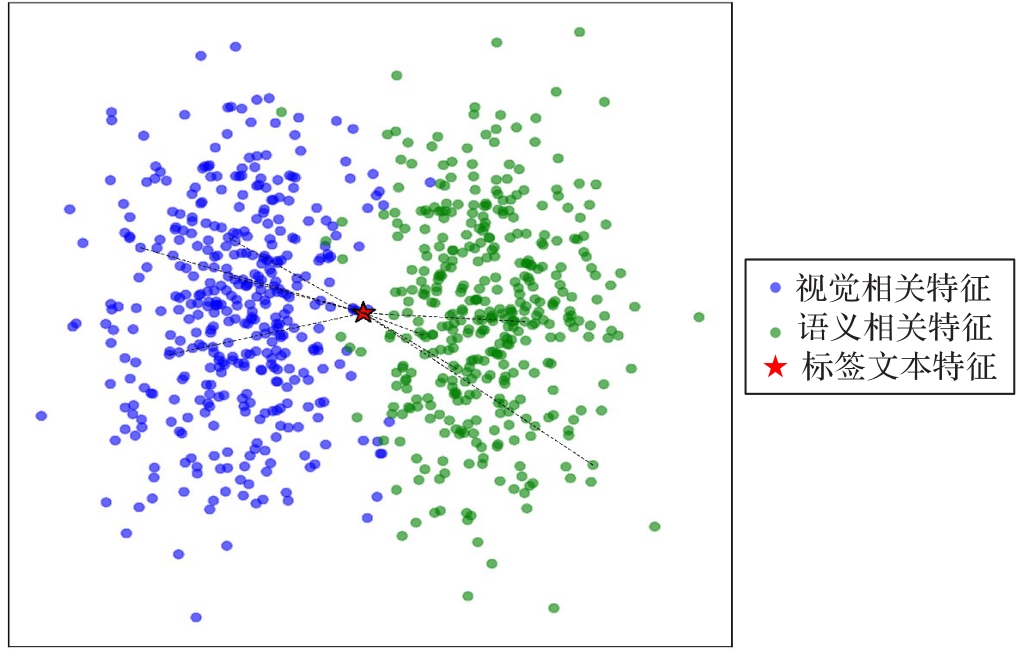
Fig. 3 Visualization of modality separation network effects
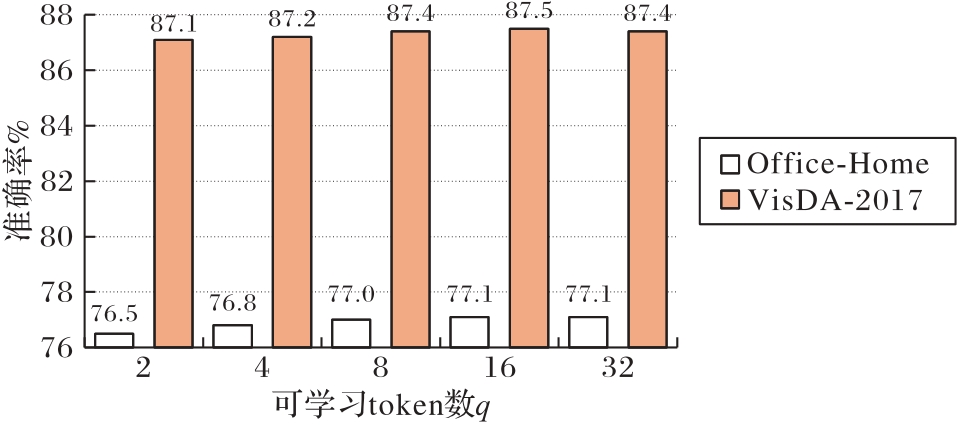
Fig. 4 Impact of number of learnable tokens (q) on model performance
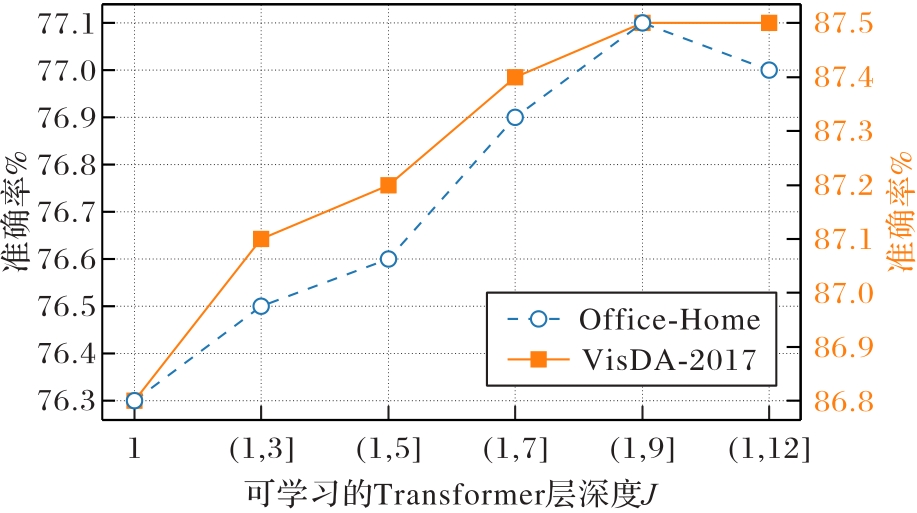
Fig. 5 Impact of learnable Transformer layer count J on model performance
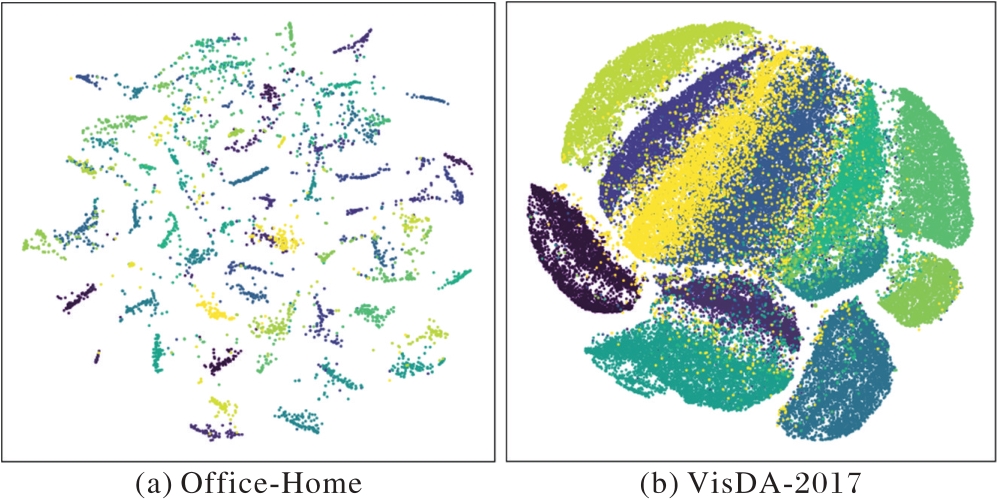
Fig. 6 Visualization of classification result features using ViT-B/16 as backbone on Office-Home and VisDA-2017 datasets
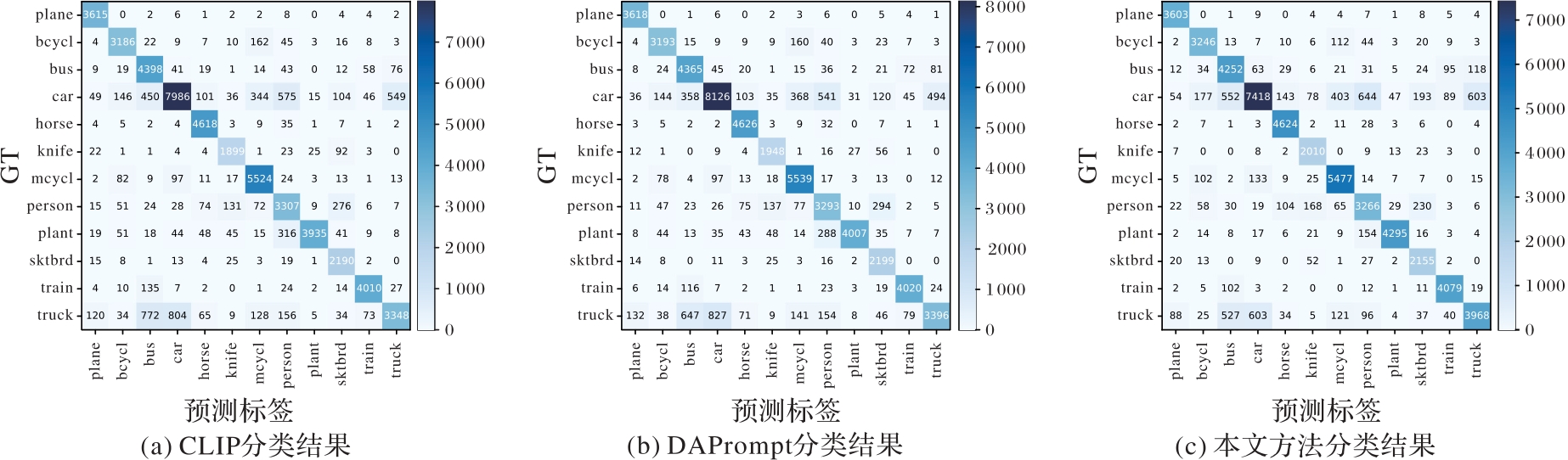
Fig. 7 Visualization of confusion matrices
| [1] | 王格格,郭涛,余游,等.基于生成对抗网络的无监督域适应分类模型[J]. 电子学报, 2020, 48(6): 1190-1197. |
| Wang Gege, Guo Tao, Yu You, et al. Unsupervised domain adaptation classification model based on generative adversarial network[J]. Acta Electronica Sinica, 2020, 48(6): 1190-1197. | |
| [2] | 蔡瑞初,郑丽娟,李梓健. 加权解耦语义表达的多源领域自适应方法[J]. 软件学报, 2022, 33(12): 4517-4533. |
| Cai Ruichu, Zheng Lijuan, Li Zijian. Multi-source domain adaptation of weighted disentangled semantic representation[J]. Journal of Software, 2022, 33(12): 4517-4533. | |
| [3] | 王闯,俞璐,陈健威,等. 开集域适应综述[J]. 计算机应用, 2025, 45(9): 2727-2736. |
| Wang Chuang, Yu Lu, Chen Jianwei, et al. Review of open set domain adaptation[J]. Journal of Computer Applications, 2025, 45(9): 2727-2736. | |
| [4] | Radford A, Kim J W, Hallacy C, et al. Learning transferable visual models from natural language supervision[J]. Proceedings of Machine Learning Research, 2021, 139: 8748-8763. |
| [5] | Jia C, Yang Y, Xia Y, et al. Scaling up visual and vision-language representation learning with noisy text supervision[J]. Proceedings of Machine Learning Research, 2021, 139: 4904-4916. |
| [6] | Ge C, Huang R, Xie M, et al. Domain adaptation via prompt learning[J]. IEEE Transactions on Neural Networks and Learning Systems, 2025, 36(1): 1160-1170. |
| [7] | Singha M, Pal H, Jha A, et al. AD-CLIP: adapting domains in prompt space using CLIP[C]// ICCVW 2023. Piscataway: IEEE, 2023: 4357-4366. |
| [8] | Lai Z, Vesdapunt N, Zhou N, et al. PADCLIP: pseudo-labeling with adaptive debiasing in CLIP for unsupervised domain adaptation[C]// ICCV 2023. Piscataway: IEEE, 2023: 16109-16119. |
| [9] | Jiang Q, Chen C, Zhao H, et al. Understanding and constructing latent modality structures in multi-modal representation learning[C]// CVPR 2023. Piscataway: IEEE, 2023: 7661-7671. |
| [10] | Bai S, Zhang M, Zhou W, et al. Prompt-based distribution alignment for unsupervised domain adaptation[J]. Proceedings of the AAAI Conference on Artificial Intelligence, 2024, 38(2): 729-737. |
| [11] | 范苍宁,刘鹏,肖婷,等. 深度域适应综述:一般情况与复杂情况[J]. 自动化学报, 2021, 47(3): 515-548. |
| Fan Cangning, Liu Peng, Xiao Ting, et al. A review of deep domain adaptation: general situation and complex situation[J]. Acta Automatica Sinica, 2021, 47(3): 515-548. | |
| [12] | Li J, Chen E, Ding Z, et al. Maximum density divergence for domain adaptation[J]. IEEE Transactions on Pattern Analysis and Machine Intelligence, 2021, 43(11): 3918-3930. |
| [13] | Zhang Y, Liu T, Long M, et al. Bridging theory and algorithm for domain adaptation[J]. Proceedings of Machine Learning Research, 2019, 97: 7404-7413. |
| [14] | Tzeng E, Hoffman J, Zhang N, et al. Deep domain confusion: maximizing for domain invariance[PP/OL]. arXiv (2014-12-10) [2025-05-09].. |
| [15] | Long M, Cao Y, Wang J, et al. Learning transferable features with deep adaptation networks[J]. Proceedings of Machine Learning Research, 2015, 37: 97-105. |
| [16] | Sankaranarayanan S, Balaji Y, Castillo C D, et al. Generate to adapt: aligning domains using generative adversarial networks[C]// CVPR 2018. Piscataway: IEEE, 2018: 8503-8512. |
| [17] | Ganin Y, Lempitsky V. Unsupervised domain adaptation by backpropagation[J]. Proceedings of Machine Learning Research, 2015, 37: 1180-1189. |
| [18] | Long M, Cao Z, Wang J, et al. Conditional adversarial domain adaptation[C]// NeurIPS 2018. Red Hook: Curran Associates Inc., 2018: 1647-1657. |
| [19] | 潘杰,刘波,邹筱瑜. 基于特征异常检测与伪标签回归的无监督对抗域适应[J]. 电子学报, 2025, 53(1): 128-140. |
| Pan Jie, Liu Bo, Zou Xiaoyu. Feature anomaly detection and pseudo-label regression for adversarial domain adaptation[J]. Acta Electronica Sinica, 2025, 53(1): 128-140. | |
| [20] | Vaswani A, Shazeer N, Parmar N, et al. Attention is all you need[C]// NeurIPS 2017. Red Hook: Curran Associates Inc., 2017: 6000-6010. |
| [21] | Dosovitskiy A, Beyer L, Kolesnikov A, et al. An image is worth 16x16 words: Transformers for image recognition at scale[PP/OL]. V2. arXiv (2021-06-03) [2025-06-22].. |
| [22] | Yang J, Liu J, Xu N, et al. TVT: Transferable vision transformer for unsupervised domain adaptation[C]// WACV 2023. Piscataway: IEEE, 2023: 520-530. |
| [23] | Xu T, Chen W, Wang P, et al. CDTrans: cross-domain Transformer for unsupervised domain adaptation[PP/OL]. V4. arXiv (2022-03-19) [2025-06-25].. |
| [24] | Zhu J, Bai H, Wang L. Patch-mix Transformer for unsupervised domain adaptation: a game perspective[C]// CVPR 2023. Piscataway: IEEE, 2023: 3561-3571. |
| [25] | Liu Z, Lin Y, Cao Y, et al. Swin Transformer: hierarchical Vision Transformer using shifted windows[C]// ICCV 2021. Piscataway: IEEE, 2021: 9992-10002. |
| [26] | Zhou K, Yang J, Loy C C, et al. Learning to prompt for vision-language models[J]. International Journal of Computer Vision, 2022, 130(9): 2337-2348. |
| [27] | Zhou K, Yang J, Loy C C, et al. Conditional prompt learning for vision-language models[C]// CVPR 2022. Piscataway: IEEE, 2022: 16795-16804. |
| [28] | He K, Zhang X, Ren S, et al. Deep residual learning for image recognition[C]// CVPR 2016. Piscataway: IEEE, 2016: 770-778. |
| [29] | Khattak M U, Rasheed H, Maaz M, et al. MaPLe: multi-modal prompt learning[C]// CVPR 2023. Piscataway: IEEE, 2023: 19113-19122. |
| [30] | Bousmalis K, Trigeorgis G, Silberman N, et al. Domain separation networks[C]// NeurIPS 2016. Red Hook: Curran Associates Inc., 2016: 343-351. |
| [31] | Hu W, Miyato T, Tokui S, et al. Learning discrete representations via information maximizing self-augmented training[J]. Proceedings of Machine Learning Research, 2017, 70: 1558-1567. |
| [32] | Venkateswara H, Eusebio J, Chakraborty S, et al. Deep hashing network for unsupervised domain adaptation[C]// CVPR 2017. Piscataway: IEEE, 2017: 5385-5394. |
| [33] | Peng X, Usman B, Kaushik N, et al. VisDA: the visual domain adaptation challenge[PP/OL]. V2. arXiv (2017-11-29) [2025-07-13].. |
| [34] | Sun T, Lu C, Ling H. Prior knowledge guided unsupervised domain adaptation[C]// ECCV 2022, LNCS 13693. Cham: Springer, 2022: 639-655. |
| [35] | Phan H, Tran T, Tran Q, et al. Enhancing domain adaptation through prompt gradient alignment[C]// NeurIPS 2024. Red Hook: Curran Associates Inc., 2024: 45518-45551. |
| [36] | Vuong T L, Phan H, Vo V, et al. Preserving clusters in prompt learning for unsupervised domain adaptation[C]// CVPR 2025. Piscataway: IEEE, 2025: 19974-19984. |
| [37] | Sun T, Lu C, Zhang T, et al. Safe self-refinement for transformer-based domain adaptation[C]// CVPR 2022. Piscataway: IEEE, 2022: 7181-7190. |
| [38] | Rangwani H, Aithal S K, Mishra M, et al. A closer look at smoothness in domain adversarial training[J]. Proceedings of Machine Learning Research, 2022, 162: 18378-18399. |
| [39] | Du Z, Li J, Su H, et al. Cross-domain gradient discrepancy minimization for unsupervised domain adaptation[C]// CVPR 2021. Piscataway: IEEE, 2021: 3936-3945. |
| [40] | Zhou W, Zhou Z. Unsupervised domain adaption harnessing vision-language pre-training[J]. IEEE Transactions on Circuits and Systems for Video Technology, 2024, 34(9): 8201-8214. |
| [41] | van der Maaten L, Hinton G. Visualizing data using t-SNE[J]. Journal of Machine Learning Research, 2008, 9: 2579-2605. |
| [1] | Li TANG, Jianyu ZHANG, Rui YAO. Object detection algorithm based on improved YOLOv11 in foggy weather [J]. Journal of Computer Applications, 2026, 46(8): 2630-2639. |
| [2] | Chong CHEN, Hongyang ZOU, Jing CAO, Wenjing JIANG, Jie CHEN, Fumin GAO. Interpretation method based on selective Softmax gradient for layer-wise relevance propagation [J]. Journal of Computer Applications, 2026, 46(7): 2111-2118. |
| [3] | Ziquan LIU, Xuyang SHI, Ke LI, Liang LIU, Zhewei ZHU. Review of vision-language model architecture development [J]. Journal of Computer Applications, 2026, 46(6): 1703-1711. |
| [4] | Zhijian DONG, Ruichun GU. Federated learning framework integrating dynamic feature alignment and temperature-aware aggregation [J]. Journal of Computer Applications, 2026, 46(6): 1746-1755. |
| [5] | Xinyao LIU, Jun LIANG, Jiahao LONG, Renliang YAN. Fine-grained Chinese herbal medicine image classification based on feature fusion and channel information compensation [J]. Journal of Computer Applications, 2026, 46(5): 1677-1683. |
| [6] | Delong WANG, Haoyi WANG, Qingchuan ZHANG, Zexi SONG. Multimodal event extraction based on text-image dual-channel feature gated fusion mechanism [J]. Journal of Computer Applications, 2026, 46(4): 1077-1085. |
| [7] | Yongbing ZHANG, Lirong YAN, Xiaofen TANG. Progressive dual-stage modality interaction for single-domain generalized object detection [J]. Journal of Computer Applications, 2026, 46(4): 1264-1274. |
| [8] | Jian ZHANG, Jianbo YU, Jian TANG. Municipal solid waste incineration state recognition method based on multilayer preprocessing [J]. Journal of Computer Applications, 2026, 46(3): 940-949. |
| [9] | Jing WANG, Jiaxing LIU, Wanying SONG, Jiaxing XUE, Wenxin DING. Few-shot skin image classification model based on spatial transformer network and feature distribution calibration [J]. Journal of Computer Applications, 2025, 45(8): 2720-2726. |
| [10] | Zimo ZHANG, Xuezhuan ZHAO. Multi-scale sparse graph guided vision graph neural networks [J]. Journal of Computer Applications, 2025, 45(7): 2188-2194. |
| [11] | Qiaoling QI, Xiaoxiao WANG, Qianqian ZHANG, Peng WANG, Yongfeng DONG. Label noise adaptive learning algorithm based on meta-learning [J]. Journal of Computer Applications, 2025, 45(7): 2113-2122. |
| [12] | Xiang WANG, Qianqian CUI, Xiaoming ZHANG, Jianchao WANG, Zhenzhou WANG, Jialin SONG. Wireless capsule endoscopy image classification model based on improved ConvNeXt [J]. Journal of Computer Applications, 2025, 45(6): 2016-2024. |
| [13] | Sijie NIU, Yuliang LIU. Auxiliary diagnostic method for retinopathy based on dual-branch structure with knowledge distillation [J]. Journal of Computer Applications, 2025, 45(5): 1410-1414. |
| [14] | Yiqin YAN, Chuan LUO, Tianrui LI, Hongmei CHEN. Cross-domain few-shot classification model based on relation network and Vision Transformer [J]. Journal of Computer Applications, 2025, 45(4): 1095-1103. |
| [15] | Liwei ZHANG, Quan LIANG, Yutao HU, Qiaole ZHU. Channel shuffle attention mechanism based on group convolution [J]. Journal of Computer Applications, 2025, 45(4): 1069-1076. |
| Viewed | ||||||
|
Full text |
|
|||||
|
Abstract |
|
|||||
