


Journal of Computer Applications ›› 2026, Vol. 46 ›› Issue (7): 2111-2118.DOI: 10.11772/j.issn.1001-9081.2025070906
• Artificial intelligence • Previous Articles Next Articles
Chong CHEN1, Hongyang ZOU1, Jing CAO1, Wenjing JIANG1, Jie CHEN1, Fumin GAO2( )
)
Received:2025-08-11
Revised:2025-11-06
Accepted:2025-11-10
Online:2025-12-22
Published:2026-07-10
Contact:
Fumin GAO
About author:CHEN Chong, born in 1987, Ph. D., associate professor. His research interests include machine learning and its interpretability, numerical modeling.Supported by:
陈冲1, 邹宏杨1, 曹靖1, 蒋文静1, 陈杰1, 高富民2()
通讯作者:
高富民
作者简介:陈冲(1987—),男,河北衡水人,副教授,博士,CCF会员,主要研究方向:机器学习及其可解释性、数值模拟基金资助:CLC Number:
Chong CHEN, Hongyang ZOU, Jing CAO, Wenjing JIANG, Jie CHEN, Fumin GAO. Interpretation method based on selective Softmax gradient for layer-wise relevance propagation[J]. Journal of Computer Applications, 2026, 46(7): 2111-2118.
陈冲, 邹宏杨, 曹靖, 蒋文静, 陈杰, 高富民. 基于选择性Softmax梯度的分层相关性传播解释方法[J]. 《计算机应用》唯一官方网站, 2026, 46(7): 2111-2118.
Add to citation manager EndNote|Ris|BibTeX
URL: https://www.joca.cn/EN/10.11772/j.issn.1001-9081.2025070906
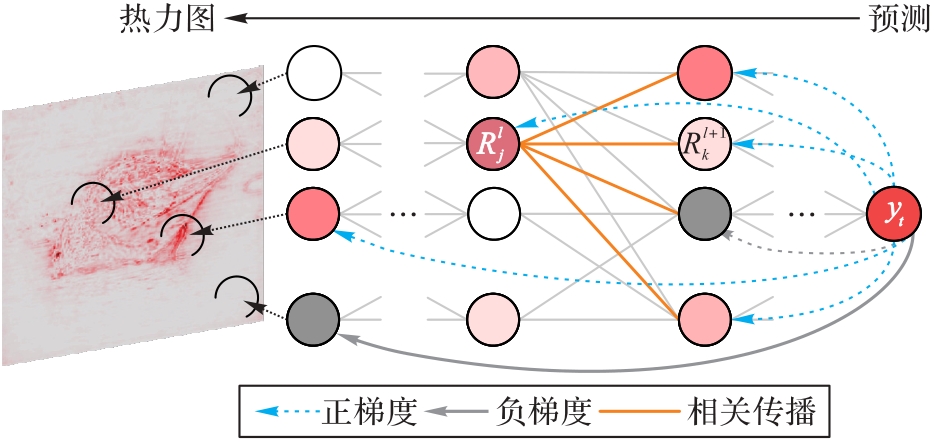
Fig. 1 Process of SLRP
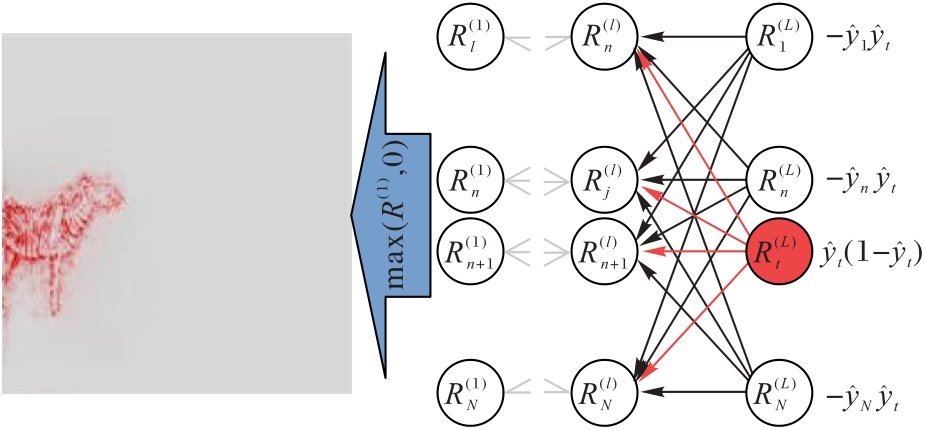
Fig. 2 Process of SGLRP
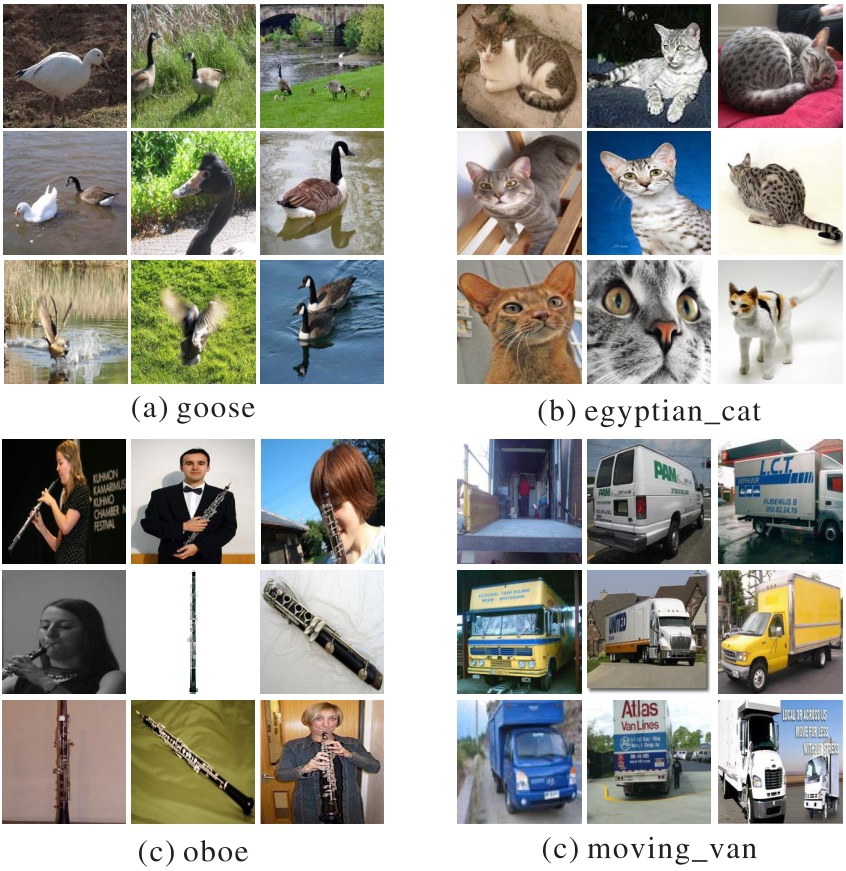
Fig. 3 Illustration of ImageNet dataset
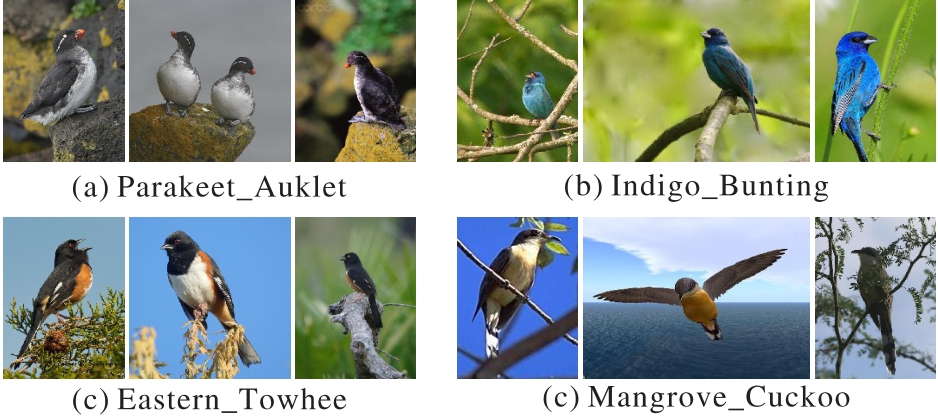
Fig. 4 Illustration of CUB-200-2011 dataset
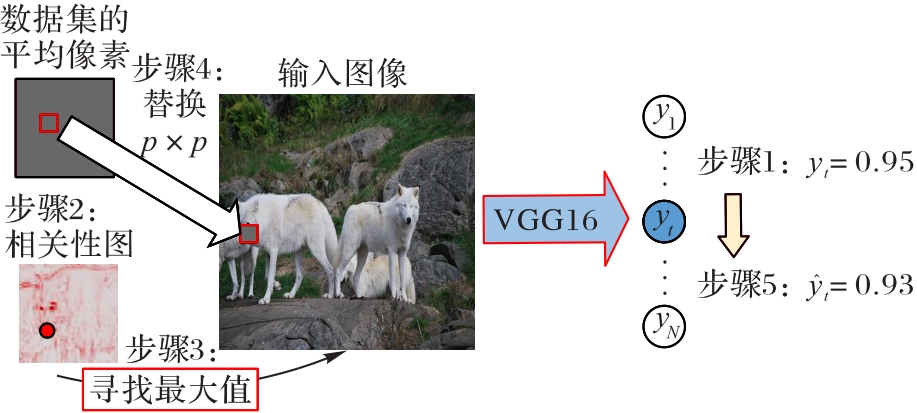
Fig. 5 Evaluation of maximum patch masking
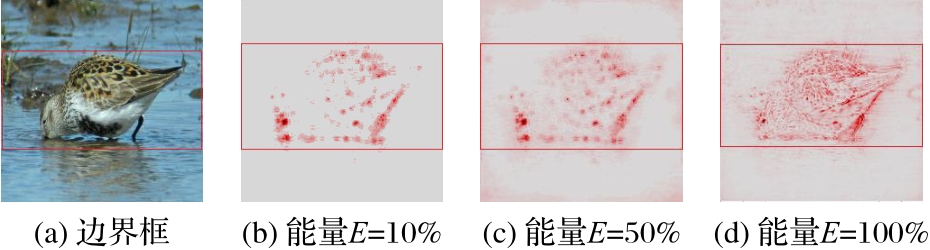
Fig. 6 Concept of “energy” in fix-point game evaluation
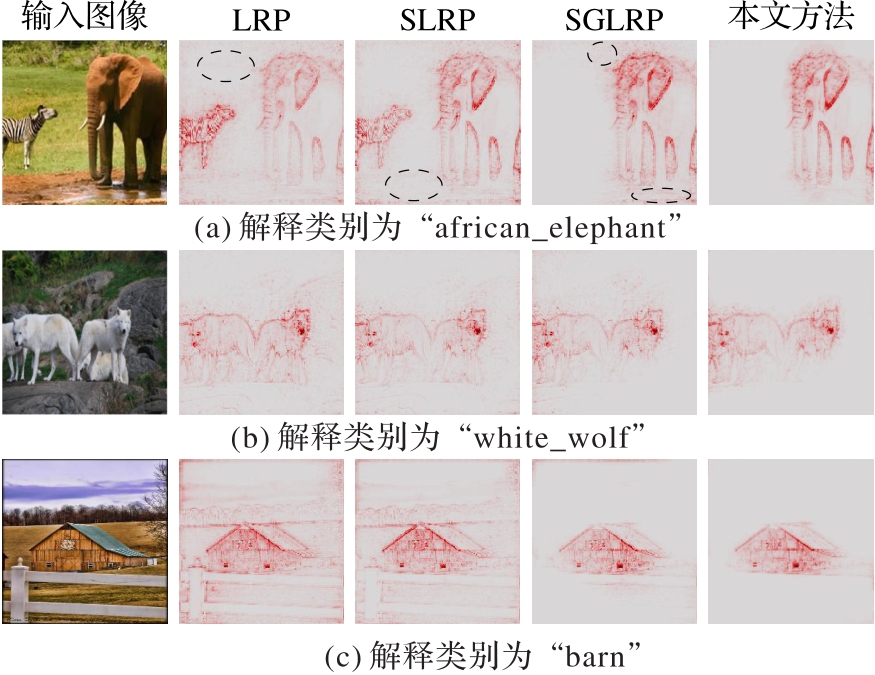
Fig. 7 Interpretation of results of VGG16 model
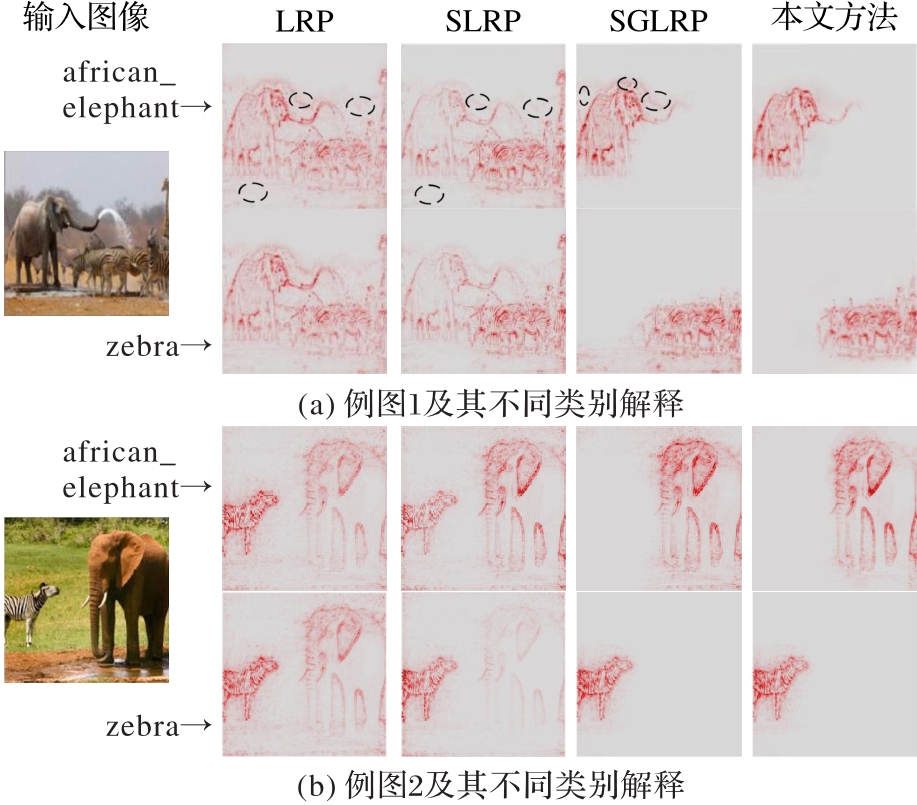
Fig. 8 Class discrimination of interpretation results
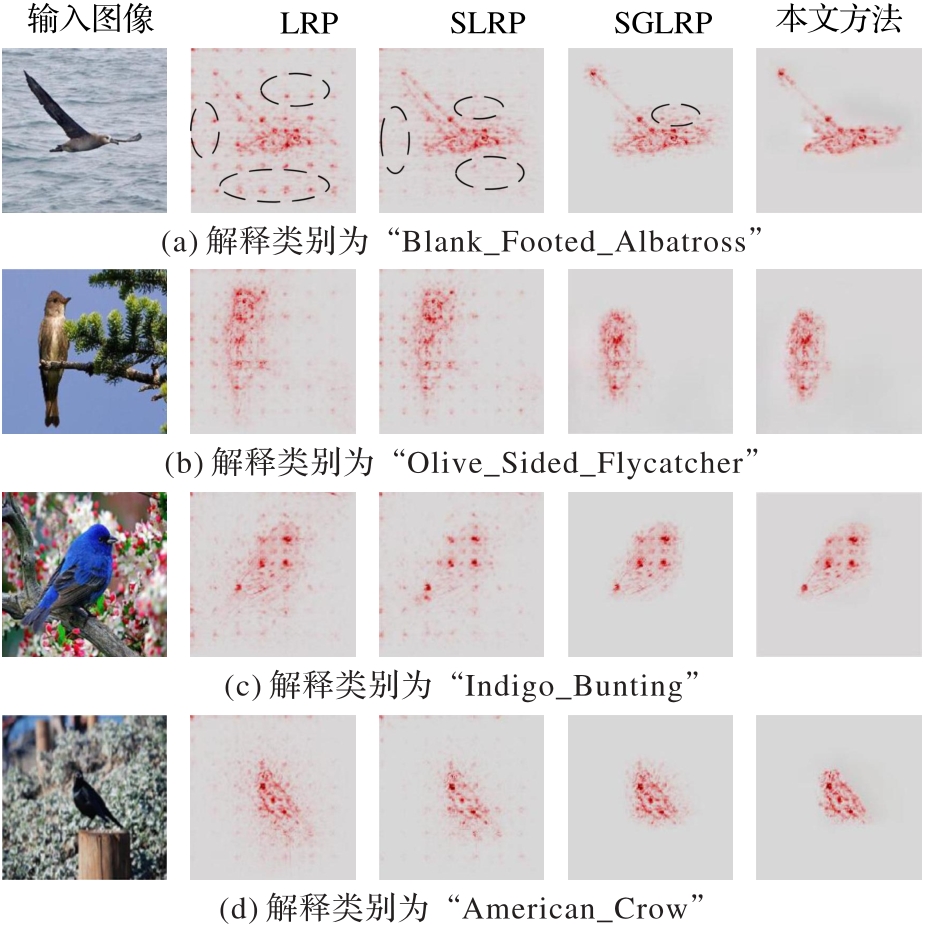
Fig. 9 Interpretation of results of ResNet50 model
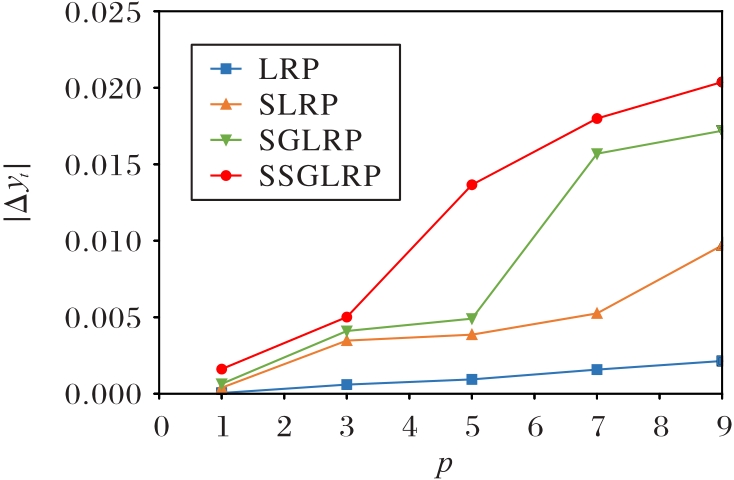
Fig. 10 Prediction changes of VGG16 model
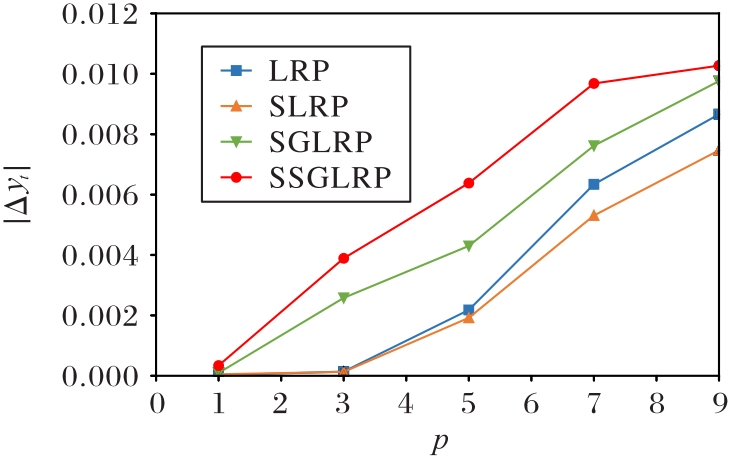
Fig. 11 Prediction changes of ResNet50 model
| 补丁大小 | LRP | SLRP | SGLRP | SSGLRP |
|---|---|---|---|---|
| 1 | 0.000 05 | 0.000 39 | 0.000 64 | 0.001 61 |
| 3 | 0.000 60 | 0.003 47 | 0.004 10 | 0.005 01 |
| 5 | 0.000 93 | 0.003 86 | 0.004 91 | 0.013 66 |
| 7 | 0.001 58 | 0.005 25 | 0.015 69 | 0.017 99 |
| 9 | 0.002 14 | 0.009 70 | 0.017 19 | 0.020 38 |
Tab. 1 Prediction changes of VGG16 model using different interpretation methods
| 补丁大小 | LRP | SLRP | SGLRP | SSGLRP |
|---|---|---|---|---|
| 1 | 0.000 05 | 0.000 39 | 0.000 64 | 0.001 61 |
| 3 | 0.000 60 | 0.003 47 | 0.004 10 | 0.005 01 |
| 5 | 0.000 93 | 0.003 86 | 0.004 91 | 0.013 66 |
| 7 | 0.001 58 | 0.005 25 | 0.015 69 | 0.017 99 |
| 9 | 0.002 14 | 0.009 70 | 0.017 19 | 0.020 38 |
| 补丁大小 | LRP | SLRP | SGLRP | SSGLRP |
|---|---|---|---|---|
| 1 | 0.000 02 | 0.000 05 | 0.000 09 | 0.000 34 |
| 3 | 0.000 02 | 0.000 13 | 0.002 58 | 0.003 89 |
| 5 | 0.002 18 | 0.001 92 | 0.004 30 | 0.006 38 |
| 7 | 0.006 34 | 0.005 31 | 0.007 62 | 0.009 68 |
| 9 | 0.008 66 | 0.007 47 | 0.009 76 | 0.010 27 |
Tab. 2 Prediction changes of ResNet50 model using different interpretation methods
| 补丁大小 | LRP | SLRP | SGLRP | SSGLRP |
|---|---|---|---|---|
| 1 | 0.000 02 | 0.000 05 | 0.000 09 | 0.000 34 |
| 3 | 0.000 02 | 0.000 13 | 0.002 58 | 0.003 89 |
| 5 | 0.002 18 | 0.001 92 | 0.004 30 | 0.006 38 |
| 7 | 0.006 34 | 0.005 31 | 0.007 62 | 0.009 68 |
| 9 | 0.008 66 | 0.007 47 | 0.009 76 | 0.010 27 |
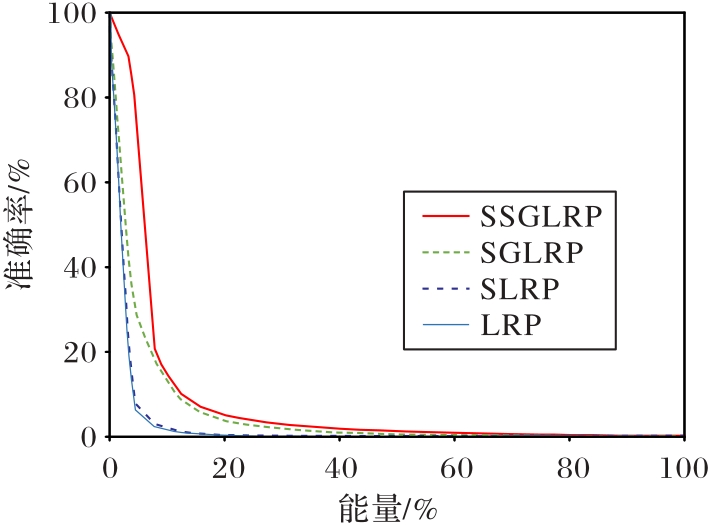
Fig. 12 Pointing accuracies of VGG16 model at different energies
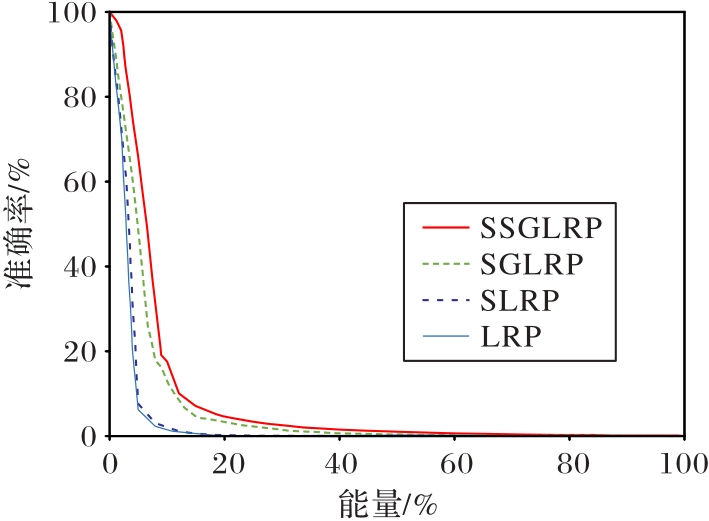
Fig. 13 Pointing accuracies of ResNet50 model at different energies
| [1] | 刘广,李海旭,侯腾,等.基于检索任务和改进ResNet的机场跑道异物目标识别方法[J].计算机应用, 2024, 44(): 309-313. |
| Liu Guang, Li Haixu, Hou Teng, et al. Foreign object debris target recognition method for airport runways based on retrieval task and improved ResNet [J]. Journal of Computer Applications, 2024, 44(): 309-313. | |
| [2] | 王璐,刘东,刘卫光.可变形卷积网络的解释性研究及其在蝴蝶物种识别模型中的应用[J].计算机应用, 2025, 45(1): 261-274. |
| Wang Lu, Liu Dong, Liu Weiguang. Interpretability study on deformable convolutional network and its application in butterfly species recognition models [J]. Journal of Computer Applications, 2025, 45(1): 261-274. | |
| [3] | Yang M, Jiao L, Liu F, et al. Transferred deep learning-based change detection in remote sensing images [J]. IEEE Transactions on Geoscience and Remote Sensing, 2019, 57(9): 6960-6973. |
| [4] | Wang Z, Liu J. A review of object detection based on convolutional neural network [C]// CCC 2017. Piscataway: IEEE, 2017: 11104-11109. |
| [5] | 周志华,陈世福.神经网络规则抽取[J].计算机研究与发展, 2002, 39(4): 398-405. |
| Zhou Zhihua, Chen Shifu. Rule extraction from neural networks [J]. Journal of Computer Research and Development, 2002, 39(4): 398-405. | |
| [6] | 陈冲,陈杰,张慧,等.深度学习可解释性综述[J].计算机科学, 2023, 50(5): 52-63. |
| Chen Chong, Chen Jie, Zhang Hui, et al. Review on interpretability of deep learning [J]. Computer Science, 2023, 50(5): 52-63. | |
| [7] | Bach S, Binder A, Montavon G, et al. On pixel-wise explanations for non-linear classifier decisions by layer-wise relevance propagation [J]. PLoS ONE, 2015, 10(7): No.e0130140. |
| [8] | Jung Y J, Han S H, Choi H J. Explaining CNN and RNN using selective layer-wise relevance propagation [J]. IEEE Access, 2021, 9: 18670-18681. |
| [9] | Iwana B K, Kuroki R, Uchida S. Explaining convolutional neural networks using softmax gradient layer-wise relevance propagation [C]// ICCV Workshops 2019. Piscataway: IEEE, 2019: 4176-4185. |
| [10] | 陈珂锐,孟小峰.机器学习的可解释性[J].计算机研究与发展, 2020, 57(9): 1971-1986. |
| Chen Kerui, Meng Xiaofeng. Interpretation and understanding in machine learning [J]. Journal of Computer Research and Development, 2020, 57(9): 1971-1986. | |
| [11] | Barredo Arrieta A, Díaz-Rodríguez N, Del Ser J, et al. Explainable Artificial Intelligence (XAI): concepts, taxonomies, opportunities and challenges toward responsible AI [J]. Information Fusion, 2020, 58: 82-115. |
| [12] | Simonyan K, Vedaldi A, Zisserman A. Deep inside convolutional networks: visualising image classification models and saliency maps [PP/OL]. V2. arXiv (2014-04-19) [2025-06-20]. . |
| [13] | Shrikumar A, Greenside P, Kundaje A. Learning important features through propagating activation differences [C]// ICML 2017. New York: JMLR.org, 2017: 3145-3153. |
| [14] | Zhou B, Khosla A, Lapedriza A, et al. Learning deep features for discriminative localization [C]// CVPR 2016. Piscataway: IEEE, 2016: 2921-2929. |
| [15] | Selvaraju R R, Cogswell M, Das A, et al. Grad-CAM: visual explanations from deep networks via gradient-based localization [C]// ICCV 2017. Piscataway: IEEE, 2017: 618-626. |
| [16] | Chattopadhay A, Sarkar A, Howlader P, et al. Grad-CAM++: generalized gradient-based visual explanations for deep convolutional networks [C]// WACV 2018. Piscataway: IEEE, 2018: 839-847. |
| [17] | Montavon G, Lapuschkin S, Binder A, et al. Explaining nonlinear classification decisions with deep Taylor decomposition [J]. Pattern Recognition, 2017, 65: 211-222. |
| [18] | Montavon G, Binder A, Lapuschkin S, et al. Layer-wise relevance propagation: an overview [M]// Samek W, Montavon G, Vedaldi A, et al.Explainable AI: interpreting, explaining and visualizing deep learning, LNCS 11700. Cham: Springer, 2019: 119-134. |
| [19] | He K, Zhang X, Ren S, et al. Identity mappings in deep residual networks [C]// ECCV 2016. Cham: Springer, 2016: 630-645. |
| [20] | Wah C, Branson S, Welinder P, et al. Caltech-UCSD birds-200-2011 dataset [DS/OL]. [2025-05-11]. . |
| [21] | Gu J, Yang Y, Tresp V. Understanding individual decisions of CNNs via contrastive backpropagation [C]// ACCV 2018. Cham: Springer, 2019: 119-134. |
| [22] | Zhang J, Bargal S A, Lin Z, et al. Top-down neural attention by excitation backprop [J]. International Journal of Computer Vision, 2018, 126(10): 1084-1102. |
| [1] | Hailin XIAO, Qingyang CAO, Hailong JIANG, Zhongshan ZHANG, Zhiqun HU. Channel estimation algorithm for orthogonal frequency division multiplexing system based on deep neural network [J]. Journal of Computer Applications, 2026, 46(7): 2250-2258. |
| [2] | Li ZHU, Lugema MI, Chunqiang ZHU, Wanru XU, Jingkai GAO, Jinqi QU. Short-term power load forecasting model based on dynamic convolution decomposition and multi-scale graph [J]. Journal of Computer Applications, 2026, 46(7): 2334-2346. |
| [3] | Xiangyi WU, Hailiang YE, Feilong CAO. Point cloud completion method based on smooth-sharpen graph convolution [J]. Journal of Computer Applications, 2026, 46(7): 2267-2276. |
| [4] | Yue ZHANG, Ying WANG. Scalable dynamic graph representation learning with neighborhood memory [J]. Journal of Computer Applications, 2026, 46(7): 2104-2110. |
| [5] | Miaomiao LIU, Yuhong ZHANG, Qiang ZHANG, Ruishan DU. Rock thin section lithology identification model based on improved GhostNet [J]. Journal of Computer Applications, 2026, 46(7): 2355-2363. |
| [6] | Min LU, Hui ZHOU. Airport gate assignment algorithm based on node prediction in conflict graph of assigned activities [J]. Journal of Computer Applications, 2026, 46(6): 1913-1921. |
| [7] | Yu CHEN, Shuaikang QI, Liwei XU, Haotian ZHU. Social bot detection framework fusing multi-scale wavelet enhancement and self-supervised learning [J]. Journal of Computer Applications, 2026, 46(6): 1756-1766. |
| [8] | Bingqing LI, Binhao HUANG, Yubei TANG, Baili ZHANG. Quality of service prediction model for data sparsity and cold start problems [J]. Journal of Computer Applications, 2026, 46(6): 1829-1835. |
| [9] | Hang QI, Tingting DONG, Yongqiang NAI, Xian MO. Contrastive collaborative filtering method based on graph diffusion generation and adaptive sampling [J]. Journal of Computer Applications, 2026, 46(6): 1818-1828. |
| [10] | Xiaobo QI, Jing ZHANG, Ying SHI, Hui QI, Hangyuan DU. Multiple active learning method based on concept drift detection [J]. Journal of Computer Applications, 2026, 46(5): 1388-1396. |
| [11] | Xinyao LIU, Jun LIANG, Jiahao LONG, Renliang YAN. Fine-grained Chinese herbal medicine image classification based on feature fusion and channel information compensation [J]. Journal of Computer Applications, 2026, 46(5): 1677-1683. |
| [12] | Fengwei CHENG, Bingqi ZHANG, Guohua XU, Wenjian WANG. Competitive loss-driven generative imbalanced node classification [J]. Journal of Computer Applications, 2026, 46(5): 1475-1481. |
| [13] | Chi ZHANG, Xianjing MENG, Changhao DOU, Qian WANG, Leilei GENG, Xiaoming XI. MD-FVR: cascaded finger vein recognition network based on multi-domain feature fusion [J]. Journal of Computer Applications, 2026, 46(5): 1658-1666. |
| [14] | Kun FU, Haoyu WEI, Weijing LIU, Xing DANG, Zezheng LIU, Jianwei LI. Graph neural network framework for topology semantic dual-domain collaboration [J]. Journal of Computer Applications, 2026, 46(5): 1378-1387. |
| [15] | Xumeng DOU, Bin XIE, Zhaohui ZHANG, Zhengang ZHAO, Hanyu DUAN, Aolei GUO. Drug-target interaction prediction based on structure-network collaborative features and grid-attention enhanced Kolmogorov-Arnold network [J]. Journal of Computer Applications, 2026, 46(4): 1344-1353. |
| Viewed | ||||||
|
Full text |
|
|||||
|
Abstract |
|
|||||
