


Journal of Computer Applications ›› 2026, Vol. 46 ›› Issue (4): 1086-1095.DOI: 10.11772/j.issn.1001-9081.2025040455
• Artificial intelligence • Previous Articles Next Articles
Kaizhou SHI1, Xuan HE2, Guoyi HOU1, Gen LI3, Shuanggao LI1, Xiang HUANG1( )
)
Received:2025-04-27
Revised:2025-06-13
Accepted:2025-06-23
Online:2025-07-07
Published:2026-04-10
Contact:
Xiang HUANG
About author:SHI Kaizhou, born in 2000, M. S. candidate. His research interests include industrial knowledge graph applications driven by large language models, digitalization of assembly and measurement of aircraft.Supported by:
师凯洲1, 何旋2, 候国义1, 李根3, 李泷杲1, 黄翔1()
通讯作者:
黄翔
作者简介:师凯洲(2000—),男,浙江宁波人,硕士研究生,CCF会员,主要研究方向:大语言模型驱动的工业知识图谱应用、飞机装配与测量的数字化基金资助:CLC Number:
Kaizhou SHI, Xuan HE, Guoyi HOU, Gen LI, Shuanggao LI, Xiang HUANG. Airborne product metrological traceability knowledge graph construction method based on large language models[J]. Journal of Computer Applications, 2026, 46(4): 1086-1095.
师凯洲, 何旋, 候国义, 李根, 李泷杲, 黄翔. 基于大语言模型的机载产品计量溯源知识图谱构建方法[J]. 《计算机应用》唯一官方网站, 2026, 46(4): 1086-1095.
Add to citation manager EndNote|Ris|BibTeX
URL: https://www.joca.cn/EN/10.11772/j.issn.1001-9081.2025040455
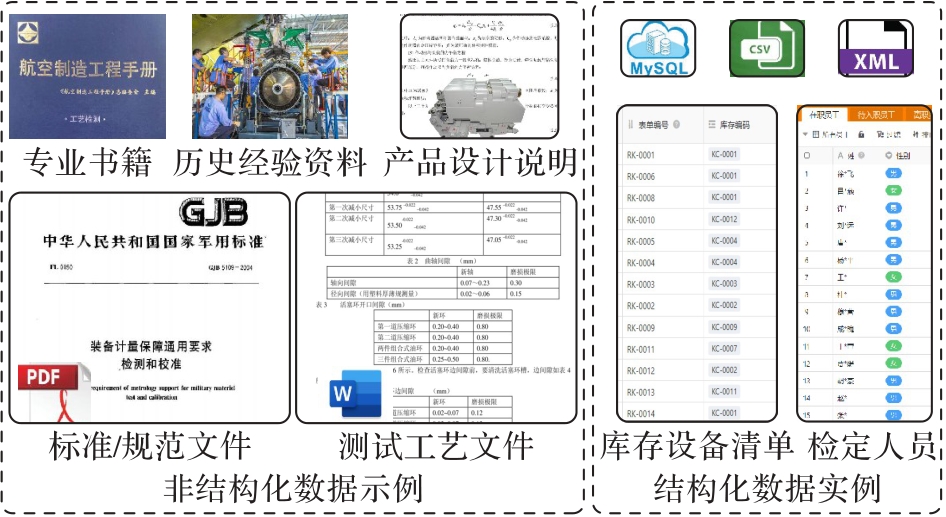
Fig. 1 Data types and knowledge sources related to airborne product metrological traceability
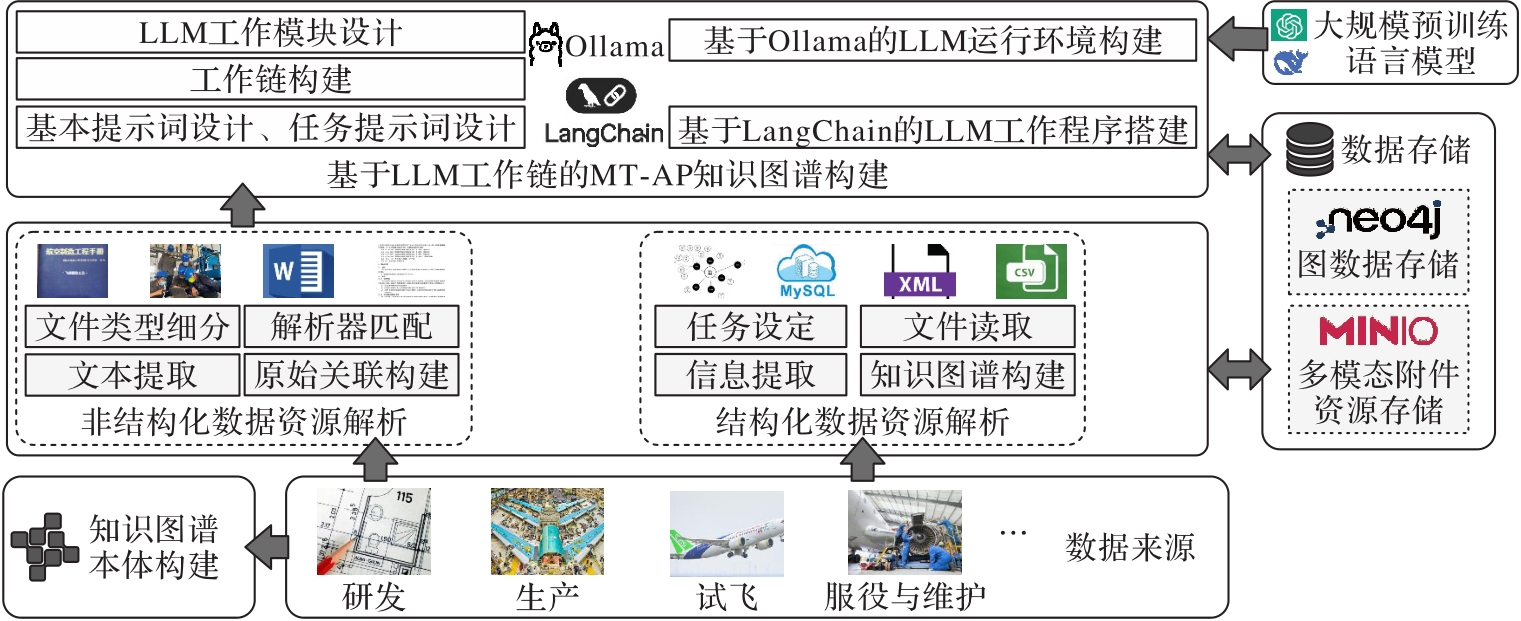
Fig. 2 Overall architecture of MT-AP knowledge graph construction based on LLM
| 子集 | 实体类别 | 中文称谓 | 主要属性内容 |
|---|---|---|---|
| PD | 产品 | 产品名称,产品描述 | |
| TI | 技术指标 | 指标名称,指标描述 | |
| PM | 被测参数 | 参数名称,单位,范围或量值,允许误差 | |
| PE | 测试过程 | 过程名称,过程内容 | |
| ME | 测试方法 | 方法名称,方法内容 | |
| TL | 检测设备 | 设备名称,型号,厂商,测量范围或规格不确定度或精度等级,有效期,管理状态 | |
| TR | 检测人员 | 姓名,性别,学历,检定专业,证书号,部门 | |
| BS | 测试依据 | 测试依据名称,内容描述 | |
| ENV | 环境条件 | 环境条件名称,内容描述 | |
| MA | 计量专业 | 计量专业名称 | |
| MI | 计量项目 | 计量项目名称 | |
| MST | 计量标准器具 | 器具名称,证书号,机构,建标时间,有效期 | |
| MSM | 计量标准方法 | 方法名称,内容描述 |
Tab. 1 Definitions of entities and attributes
| 子集 | 实体类别 | 中文称谓 | 主要属性内容 |
|---|---|---|---|
| PD | 产品 | 产品名称,产品描述 | |
| TI | 技术指标 | 指标名称,指标描述 | |
| PM | 被测参数 | 参数名称,单位,范围或量值,允许误差 | |
| PE | 测试过程 | 过程名称,过程内容 | |
| ME | 测试方法 | 方法名称,方法内容 | |
| TL | 检测设备 | 设备名称,型号,厂商,测量范围或规格不确定度或精度等级,有效期,管理状态 | |
| TR | 检测人员 | 姓名,性别,学历,检定专业,证书号,部门 | |
| BS | 测试依据 | 测试依据名称,内容描述 | |
| ENV | 环境条件 | 环境条件名称,内容描述 | |
| MA | 计量专业 | 计量专业名称 | |
| MI | 计量项目 | 计量项目名称 | |
| MST | 计量标准器具 | 器具名称,证书号,机构,建标时间,有效期 | |
| MSM | 计量标准方法 | 方法名称,内容描述 |
| 内外部子集 | 内容子集 | 关系类别 | 中文称谓 | 关系示例 |
|---|---|---|---|---|
| SubPD | 子产品 | (e:液压油箱)—[r:SubPD]→(e:止回阀) | ||
| SubTI | 子指标 | (e:环境适应)—[r:SubTI]→(e:湿热耐受) | ||
| SubPM | 子参数 | (e:泄漏量)—[r:SubPM]→(e:时间) | ||
| SubPE | 子过程 | (e:磨合试验)—[r:SubPE]→(e:进气测试) | ||
| Next | 下一步 | (e:磨合试验)—[r:Next]→(e:旋件试验) | ||
| Has | 有 | (e:量块项目)—[r:Has]→(e:量块标准) | ||
| HasTI | 有技术指标 | (e:液压邮箱)—[r:HasTI]→(e:温度耐受) | ||
| HasPM | 有参数 | (e:温度耐受)—[r:HasPM]→(e:温度) | ||
| ToBS | 依据 | (e:振动)—[r:ToBS]→(e:RTCA/DO-160G) | ||
| ReTL | 需求设备 | (e:时间)—[r:ReTL]→(e:数采系统) | ||
| ReTR | 需求人员 | (e:密封试验)—[r:ReTR]→(e:李工) | ||
| ReENV | 需求环境 | (e:进气测试)—[r:ReENV]→(e:常温常压) | ||
| OpTE | 执行检定 | (e:张工)—[r:OpTE]→(e:压力传感器) | ||
| OpPE | 执行过程 | (e:耐压压力)—[r:OpPE]→(e:压力测试) | ||
| GetV | 量值获取 | (e:开启压力)—[r:GetV]→(e:压力传感器) |
Tab. 2 Definitions of relations
| 内外部子集 | 内容子集 | 关系类别 | 中文称谓 | 关系示例 |
|---|---|---|---|---|
| SubPD | 子产品 | (e:液压油箱)—[r:SubPD]→(e:止回阀) | ||
| SubTI | 子指标 | (e:环境适应)—[r:SubTI]→(e:湿热耐受) | ||
| SubPM | 子参数 | (e:泄漏量)—[r:SubPM]→(e:时间) | ||
| SubPE | 子过程 | (e:磨合试验)—[r:SubPE]→(e:进气测试) | ||
| Next | 下一步 | (e:磨合试验)—[r:Next]→(e:旋件试验) | ||
| Has | 有 | (e:量块项目)—[r:Has]→(e:量块标准) | ||
| HasTI | 有技术指标 | (e:液压邮箱)—[r:HasTI]→(e:温度耐受) | ||
| HasPM | 有参数 | (e:温度耐受)—[r:HasPM]→(e:温度) | ||
| ToBS | 依据 | (e:振动)—[r:ToBS]→(e:RTCA/DO-160G) | ||
| ReTL | 需求设备 | (e:时间)—[r:ReTL]→(e:数采系统) | ||
| ReTR | 需求人员 | (e:密封试验)—[r:ReTR]→(e:李工) | ||
| ReENV | 需求环境 | (e:进气测试)—[r:ReENV]→(e:常温常压) | ||
| OpTE | 执行检定 | (e:张工)—[r:OpTE]→(e:压力传感器) | ||
| OpPE | 执行过程 | (e:耐压压力)—[r:OpPE]→(e:压力测试) | ||
| GetV | 量值获取 | (e:开启压力)—[r:GetV]→(e:压力传感器) |
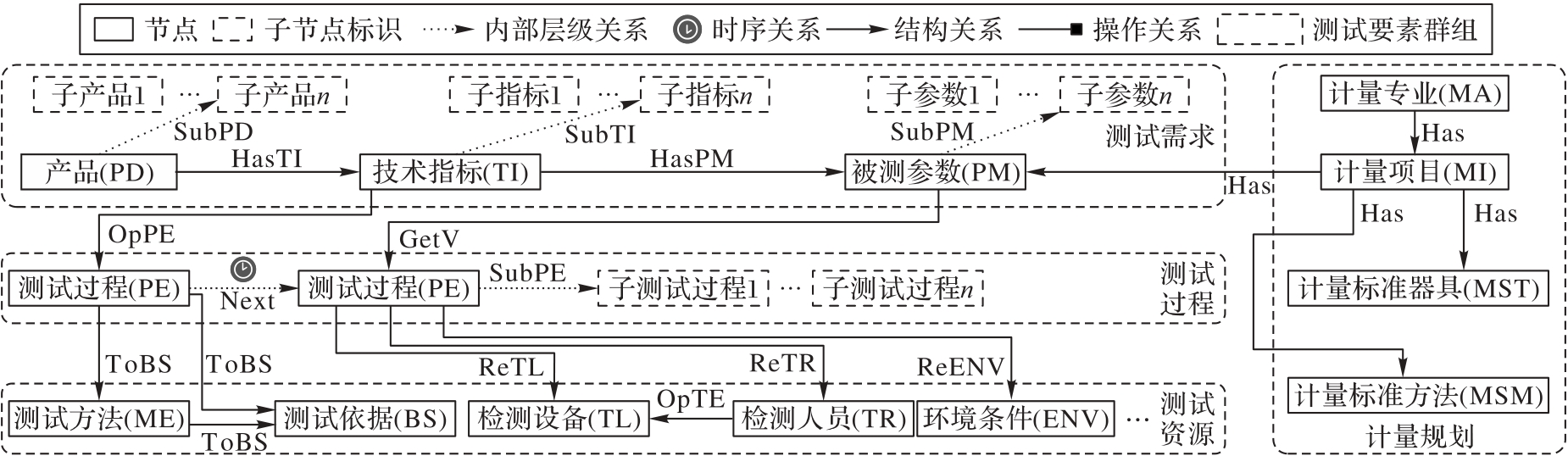
Fig. 3 Basic link relationship diagram of MT-AP knowledge graph
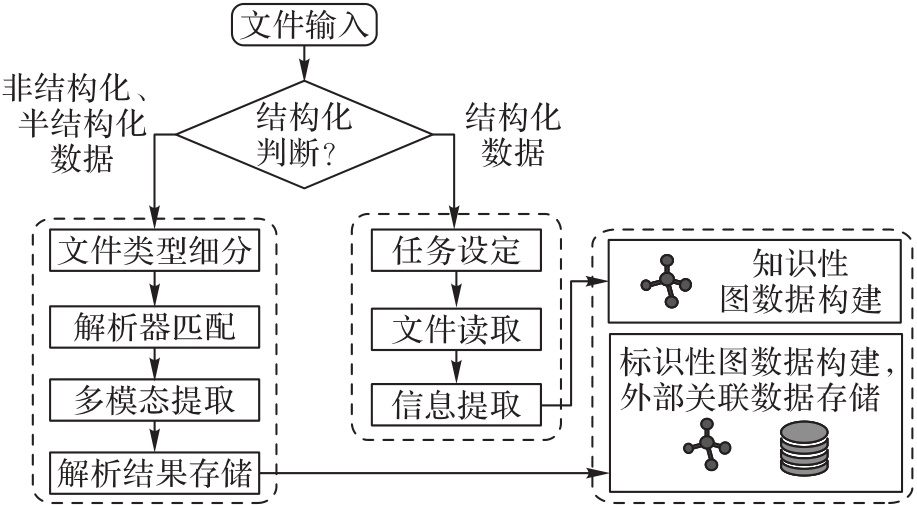
Fig. 4 Analysis flow of data resources
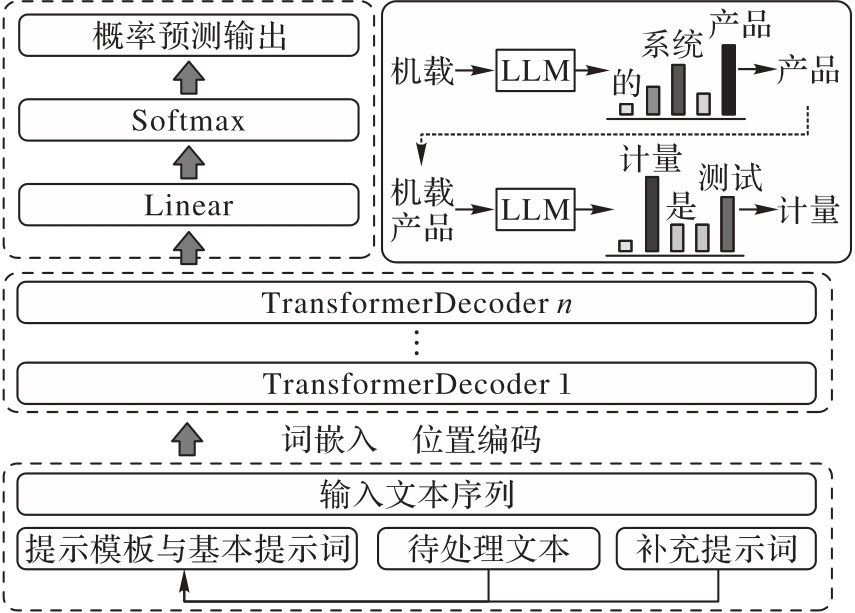
Fig. 5 Working principle of generative LLM
| 工作模块 | 标识 | 提示模板与基本提示词示例 |
|---|---|---|
| 前置提示 | F | 你是一名机载产品计量检定领域专家 |
| 思考模块 | T-M | 以下内容是[introduction],请分析[task]。内容:“[text]”。 |
| 判决模块 | J-M | 以下内容是[introduction],请根据内容总结是否[task],只回答“是”或者“否”。内容:“[text]”。 |
| 命名模块 | N-M | 以下内容是[introduction],请为其命名。内容:“[text]”。只回答名字即可。 |
| 拆解模块 | D-M | 请将以下内容按照[task]进行文本拆分。内容:“[text]”。 |
| 提取模块 | E-M | 请从以下内容中提取所有[task]。内容:“[text]”。 |
| 结构化模块 | S-M | 输出格式:[format]。严格按照格式输出,不要输出其他内容。 |
Tab. 3 Prompt template and basic prompt examples for LLM work modules
| 工作模块 | 标识 | 提示模板与基本提示词示例 |
|---|---|---|
| 前置提示 | F | 你是一名机载产品计量检定领域专家 |
| 思考模块 | T-M | 以下内容是[introduction],请分析[task]。内容:“[text]”。 |
| 判决模块 | J-M | 以下内容是[introduction],请根据内容总结是否[task],只回答“是”或者“否”。内容:“[text]”。 |
| 命名模块 | N-M | 以下内容是[introduction],请为其命名。内容:“[text]”。只回答名字即可。 |
| 拆解模块 | D-M | 请将以下内容按照[task]进行文本拆分。内容:“[text]”。 |
| 提取模块 | E-M | 请从以下内容中提取所有[task]。内容:“[text]”。 |
| 结构化模块 | S-M | 输出格式:[format]。严格按照格式输出,不要输出其他内容。 |
| 任务名称 | 工作链设计 | 主要的实体与关系类型 |
|---|---|---|
| 技术指标梳理 | (T-M)→(J-M)→(D-M,S-M)→(N-M) | (e:PD)—[r:HasTI]→(e:TI) |
| 技术指标分层 | (T-M)→(J-M)→(D-M,S-M)→(N-M) | (e:TI)—[r:SubTI]→(e:TI) |
| 技术指标的被测参数提取 | (T-M)→(J-M)→(E-M,S-M) | (e:TI)—[r:HasPM]→(e:PM) |
| 被测参数解析 | (T-M)→(J-M)→(E-M,S-M) | (e:PM)—[r:SubPM]→(e:PM) |
| 测试过程层级分解 | (T-M)→(J-M)→(D-M,S-M)→(N-M) | (e:PE)—[r:SubPE]→(e:PE) |
| 测试过程时序分解 | (T-M)→(J-M)→(D-M,S-M)→(N-M) | (e:PE)—[r:Next]→(e:PE) |
| 测试过程与指标匹配 | (T-M)→(J-M)→(E-M,S-M)→(J-M) | (e:TI)—[r:OpPE]→(e:PE) |
| 测试过程与方法匹配 | (T-M)→(J-M)→(E-M,S-M)→(J-M) | (e:PE)—[r:ToBS]→(e:ME) |
| 测试过程与依据匹配 | (T-M)→(J-M)→(E-M,S-M)→(J-M) | (e:PE)—[r:ToBS]→(e:BS) |
| 参数量值获取过程 | (T-M)→(J-M)→(E-M,S-M)→(J-M) | (e:PM)—[r:GetV]→(e:PE) |
| 参数量值检测设备 | (T-M)→(J-M)→(E-M,S-M)→(J-M) | (e:PM)—[r:ReTL]→(e:TL) |
| 环境条件提取 | (T-M)→(J-M)→(E-M,S-M)→(J-M) | (e:PE)—[r:ReENV]→(e:ENV) |
| 被测参数计量规划溯源 | (T-M)→(J-M) | (e:MI)—[r:Has]→(e:PM) |
Tab. 4 Key tasks of MT-AP knowledge graph construction
| 任务名称 | 工作链设计 | 主要的实体与关系类型 |
|---|---|---|
| 技术指标梳理 | (T-M)→(J-M)→(D-M,S-M)→(N-M) | (e:PD)—[r:HasTI]→(e:TI) |
| 技术指标分层 | (T-M)→(J-M)→(D-M,S-M)→(N-M) | (e:TI)—[r:SubTI]→(e:TI) |
| 技术指标的被测参数提取 | (T-M)→(J-M)→(E-M,S-M) | (e:TI)—[r:HasPM]→(e:PM) |
| 被测参数解析 | (T-M)→(J-M)→(E-M,S-M) | (e:PM)—[r:SubPM]→(e:PM) |
| 测试过程层级分解 | (T-M)→(J-M)→(D-M,S-M)→(N-M) | (e:PE)—[r:SubPE]→(e:PE) |
| 测试过程时序分解 | (T-M)→(J-M)→(D-M,S-M)→(N-M) | (e:PE)—[r:Next]→(e:PE) |
| 测试过程与指标匹配 | (T-M)→(J-M)→(E-M,S-M)→(J-M) | (e:TI)—[r:OpPE]→(e:PE) |
| 测试过程与方法匹配 | (T-M)→(J-M)→(E-M,S-M)→(J-M) | (e:PE)—[r:ToBS]→(e:ME) |
| 测试过程与依据匹配 | (T-M)→(J-M)→(E-M,S-M)→(J-M) | (e:PE)—[r:ToBS]→(e:BS) |
| 参数量值获取过程 | (T-M)→(J-M)→(E-M,S-M)→(J-M) | (e:PM)—[r:GetV]→(e:PE) |
| 参数量值检测设备 | (T-M)→(J-M)→(E-M,S-M)→(J-M) | (e:PM)—[r:ReTL]→(e:TL) |
| 环境条件提取 | (T-M)→(J-M)→(E-M,S-M)→(J-M) | (e:PE)—[r:ReENV]→(e:ENV) |
| 被测参数计量规划溯源 | (T-M)→(J-M) | (e:MI)—[r:Has]→(e:PM) |
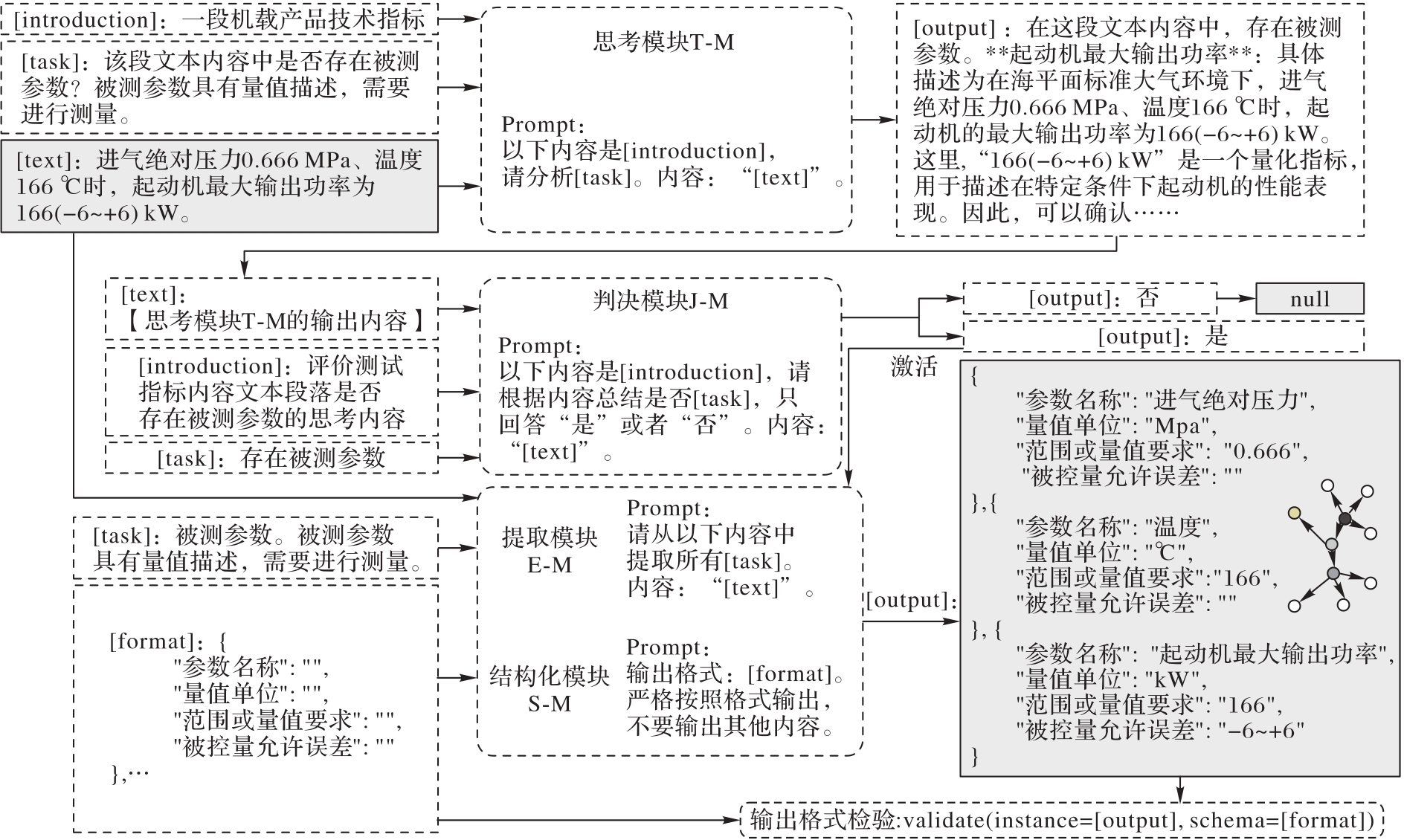
Fig. 6 Example of MT-AP knowledge graph construction based on LLM workflow chains
| 实验项目 | 考察内容 | 数据条数 |
|---|---|---|
| 技术指标命名 | 知识理解与命名能力 | 220 |
| 技术指标分层 | 文本拆分与知识解耦能力 | 173 |
| 被测参数提取 | 知识提取与结构化能力 | 243 |
Tab. 5 Experimental tasks
| 实验项目 | 考察内容 | 数据条数 |
|---|---|---|
| 技术指标命名 | 知识理解与命名能力 | 220 |
| 技术指标分层 | 文本拆分与知识解耦能力 | 173 |
| 被测参数提取 | 知识提取与结构化能力 | 243 |
| LLM | 描述准确性专家评分结果 | 描述精炼性专家评分结果 | 技术指标命名总评 | ||||
|---|---|---|---|---|---|---|---|
| 专家1 | 专家2 | 专家3 | 专家1 | 专家2 | 专家3 | ||
| Qwen2.5-7B-Instruct | 0.950 0 | 0.883 3 | 0.916 7 | 0.933 3 | 0.900 0 | 0.958 3 | 0.922 2 |
| InternLM3-8B-Instruct | 0.908 3 | 0.808 3 | 0.875 0 | 0.766 7 | 0.758 3 | 0.958 3 | 0.849 4 |
| GLM-4-9B-Chat | 0.941 7 | 0.891 7 | 0.941 7 | 0.916 7 | 0.850 0 | 0.966 7 | 0.919 5 |
| Gemma-2-9b-it | 0.933 3 | 0.841 7 | 0.950 0 | 0.966 7 | 0.975 0 | 0.991 7 | 0.936 1 |
Tab. 6 Scoring results of technical index naming task
| LLM | 描述准确性专家评分结果 | 描述精炼性专家评分结果 | 技术指标命名总评 | ||||
|---|---|---|---|---|---|---|---|
| 专家1 | 专家2 | 专家3 | 专家1 | 专家2 | 专家3 | ||
| Qwen2.5-7B-Instruct | 0.950 0 | 0.883 3 | 0.916 7 | 0.933 3 | 0.900 0 | 0.958 3 | 0.922 2 |
| InternLM3-8B-Instruct | 0.908 3 | 0.808 3 | 0.875 0 | 0.766 7 | 0.758 3 | 0.958 3 | 0.849 4 |
| GLM-4-9B-Chat | 0.941 7 | 0.891 7 | 0.941 7 | 0.916 7 | 0.850 0 | 0.966 7 | 0.919 5 |
| Gemma-2-9b-it | 0.933 3 | 0.841 7 | 0.950 0 | 0.966 7 | 0.975 0 | 0.991 7 | 0.936 1 |
| LLM | 技术指标分层专家评价结果 | 技术指标分层总评 | ||
|---|---|---|---|---|
| 专家1 | 专家2 | 专家3 | ||
| Qwen2.5-7B-Instruct | 0.832 2 | 0.958 9 | 0.722 6 | 0.837 9 |
| InternLM3-8B-Instruct | 0.815 1 | 0.962 3 | 0.715 8 | 0.831 1 |
| GLM-4-9B-Chat | 0.575 3 | 0.736 3 | 0.619 9 | 0.643 8 |
| Gemma-2-9b-it | 0.849 3 | 0.921 2 | 0.743 2 | 0.837 9 |
Tab. 7 Scoring results of technical index layering task
| LLM | 技术指标分层专家评价结果 | 技术指标分层总评 | ||
|---|---|---|---|---|
| 专家1 | 专家2 | 专家3 | ||
| Qwen2.5-7B-Instruct | 0.832 2 | 0.958 9 | 0.722 6 | 0.837 9 |
| InternLM3-8B-Instruct | 0.815 1 | 0.962 3 | 0.715 8 | 0.831 1 |
| GLM-4-9B-Chat | 0.575 3 | 0.736 3 | 0.619 9 | 0.643 8 |
| Gemma-2-9b-it | 0.849 3 | 0.921 2 | 0.743 2 | 0.837 9 |
| LLM | 数据难度 | 输出格式 | 提取全面性 | 属性准确性 | 评分结果 |
|---|---|---|---|---|---|
| Qwen2.5-7B-Instruct | 复杂 | 0.964 3 | 0.758 9 | 0.872 4 | 0.865 9 |
| 简单 | 1.000 0 | / | 0.963 7 | 0.978 2 | |
| InternLM3-8B-Instruct | 复杂 | 0.767 9 | 0.696 4 | 0.902 9 | 0.800 5 |
| 简单 | 0.938 9 | / | 0.916 0 | 0.925 2 | |
| GLM-4-9B-Chat | 复杂 | 0.946 4 | 0.794 6 | 0.881 9 | 0.875 1 |
| 简单 | 1.000 0 | / | 0.893 1 | 0.935 9 | |
| Gemma-2-9b-it | 复杂 | 0.973 2 | 0.803 6 | 0.980 3 | 0.925 2 |
| 简单 | 0.984 7 | / | 0.996 2 | 0.991 6 |
Tab. 8 Scoring results of test parameter extraction task
| LLM | 数据难度 | 输出格式 | 提取全面性 | 属性准确性 | 评分结果 |
|---|---|---|---|---|---|
| Qwen2.5-7B-Instruct | 复杂 | 0.964 3 | 0.758 9 | 0.872 4 | 0.865 9 |
| 简单 | 1.000 0 | / | 0.963 7 | 0.978 2 | |
| InternLM3-8B-Instruct | 复杂 | 0.767 9 | 0.696 4 | 0.902 9 | 0.800 5 |
| 简单 | 0.938 9 | / | 0.916 0 | 0.925 2 | |
| GLM-4-9B-Chat | 复杂 | 0.946 4 | 0.794 6 | 0.881 9 | 0.875 1 |
| 简单 | 1.000 0 | / | 0.893 1 | 0.935 9 | |
| Gemma-2-9b-it | 复杂 | 0.973 2 | 0.803 6 | 0.980 3 | 0.925 2 |
| 简单 | 0.984 7 | / | 0.996 2 | 0.991 6 |
| 类型 | 项目 | 名称 |
|---|---|---|
| 硬件环境 | CPU | i9-12900K |
| 显卡 | RTX4090 | |
| 内存 | 32 GB | |
| 软件环境 | 图数据库 | neo4j 4.4.4 Community |
| 图数据库查询语言 | Cypher | |
| 图数据库java环境 | JDK11 | |
| LLM运行管理工具 | Ollama | |
| 脚本开发语言 | Python3.9 |
Tab. 9 Operating environment for MT-AP knowledge graph
| 类型 | 项目 | 名称 |
|---|---|---|
| 硬件环境 | CPU | i9-12900K |
| 显卡 | RTX4090 | |
| 内存 | 32 GB | |
| 软件环境 | 图数据库 | neo4j 4.4.4 Community |
| 图数据库查询语言 | Cypher | |
| 图数据库java环境 | JDK11 | |
| LLM运行管理工具 | Ollama | |
| 脚本开发语言 | Python3.9 |
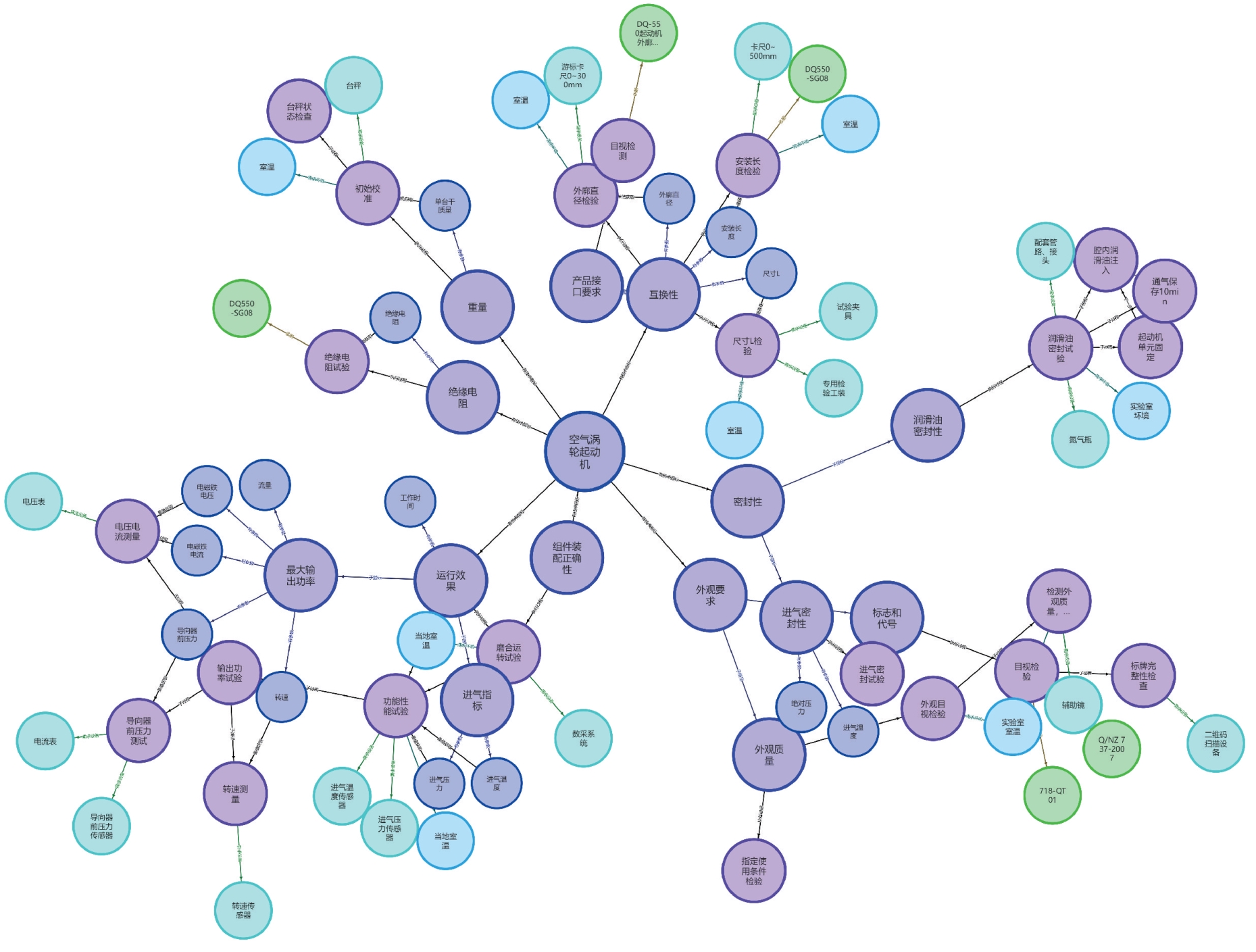
Fig. 7 Construction result of MT-AP knowledge graph
| [1] | WANG B, JIANG P, GUO B. A Bayesian design method for monopropellant engine system reliability qualification test plan[J]. Reliability Engineering and System Safety, 2024, 248: No.110173. |
| [2] | WANG D, DONG M, ZHU L, et al. Application of fiber-optic strain sensing technology in high-precision load prediction of aircraft landing gear[J]. Optics and Laser Technology, 2025, 182(Pt B): No.112183. |
| [3] | GUO Y, SUN Y, SI Q, et al. Probabilistic risk assessment of civil aircraft associated failures under condition-based maintenance[J]. Reliability Engineering and System Safety, 2025, 253: No.110550. |
| [4] | HOGAN A, BLOMQVIST E, COCHEZ M, et al. Knowledge graphs[J]. ACM Computing Surveys, 2022, 54(4): No.71. |
| [5] | JI S, PAN S, CAMBRIA E, et al. A survey on knowledge graphs: representation, acquisition, and applications[J]. IEEE Transactions on Neural Networks and Learning Systems, 2022, 33(2): 494-514. |
| [6] | PUJARA J, MIAO H, GETOOR L, et al. Ontology-aware partitioning for knowledge graph identification[C]// Proceedings of the 2013 Workshop on Automated Knowledge Base Construction. New York: ACM, 2013: 19-24. |
| [7] | 吴运兵,朱丹红,廖祥文,等. 路 路径张量分解的知识图谱推理算法[J]. 模式识别与人工智能, 2017, 30(5): 473-480. |
| WU Y B, ZHU D H, LIAO X W, et al. Knowledge graph reasoning based on paths of tensor factorization[J]. Pattern Recognition and Artificial Intelligence, 2017, 30(5): 473-480. | |
| [8] | BORDES A, USUNIER N, GARCIA-DURÁN A, et al. Translating embeddings for modeling multi-relational data[C]// Proceedings of the 27th International Conference on Neural Information Processing Systems — Volume 2. Red Hook: Curran Associates Inc., 2013: 2787-2795. |
| [9] | 曾泽凡,胡星辰,成清,等. 基于预训练语言模型的知识图谱研究综述[J]. 计算机科学, 2025, 52(1): 1-33. |
| ZENG Z F, HU X C, CHENG Q, et al. Survey of research on knowledge graph based on pre-trained language models[J]. Computer Science, 2025, 52(1): 1-33. | |
| [10] | 孙水发,李小龙,李伟生,等. 图神经网络应用于知识图谱推理的研究综述[J]. 计算机科学与探索, 2023, 17(1): 27-52. |
| SUN S F, LI X L, LI W S, et al. Review of graph neural networks applied to knowledge graph reasoning[J]. Journal of Frontiers of Computer Science and Technology, 2023, 17(1): 27-52. | |
| [11] | YU C, WANG F, LIU Y H, et al. Research on knowledge graph alignment model based on deep learning[J]. Expert Systems with Applications, 2021, 186: No.115768. |
| [12] | KUMAR S. A survey of deep learning methods for relation extraction[EB/OL]. [2025-04-10].. |
| [13] | HUGUET CABOT P L, NAVIGLI R. REBEL: relation extraction by end-to-end language generation[C]// Findings of the Association for Computational Linguistics: EMNLP 2021. Stroudsburg: ACL, 2021: 2370-2381. |
| [14] | LIANG X, WANG Z, LI M, et al. A survey of LLM-augmented knowledge graph construction and application in complex product design[J]. Procedia CIRP, 2024, 128: 870-875. |
| [15] | ZHANG Y, DU T, MA Y, et al. AttacKG+: boosting attack graph construction with large language models[J]. Computers and Security, 2025, 150: No.104220. |
| [16] | 张华平,李林翰,李春锦. ChatGPT中文性能测评与风险应对[J]. 数据分析与知识发现, 2023, 7(3): 16-25. |
| ZHANG H P, LI L H, LI C J. ChatGPT performance evaluation on Chinese language and risk measures[J]. Data Analysis and Knowledge Discovery, 2023, 7(3): 16-25. | |
| [17] | 王耀祖,李擎,戴张杰,等. 大语言模型研究现状与趋势[J]. 工程科学学报, 2024, 46(8): 1411-1425. |
| WANG Y Z, LI Q, DAI Z J, et al. Current status and trends in large language modeling research[J]. Chinese Journal of Engineering, 2024, 46(8): 1411-1425. | |
| [18] | XIE X, LI Z, WANG X, et al. LambdaKG: a library for pre-trained language model-based knowledge graph embeddings[C]// Proceedings of the 13th International Joint Conference on Natural Language Processing and the 3rd Conference of the Asia-Pacific Chapter of the Association for Computational Linguistics: System Demonstrations. Stroudsburg: ACL, 2023: 25-33. |
| [19] | ALAM M M, RONY M R A H, NAYYERI M, et al. Language model guided knowledge graph embeddings[J]. IEEE Access, 2022, 10: 76008-76020. |
| [20] | WANG S, WEI Z, XU J, et al. Unifying structure reasoning and language pre-training for complex reasoning tasks[J]. IEEE/ACM Transactions on Audio, Speech, and Language Processing, 2024, 32: 1586-1595. |
| [21] | CHOUDHARY N, REDDY C K. Complex logical reasoning over knowledge graphs using large language models[EB/OL]. [2025-04-10].. |
| [22] | LIU H, YIN H, LUO Z, et al. Integrating chemistry knowledge in large language models via prompt engineering[J]. Synthetic and Systems Biotechnology, 2025, 10(1): 23-38. |
| [23] | LIU Q, LI F, NG K K H, et al. Accident investigation via LLMs reasoning: HFACS-guided chain-of-thoughts enhance general aviation safety[J]. Expert Systems with Applications, 2025, 269: No.126422. |
| [24] | SUN L, ZHANG P, GAO F, et al. SF-GPT: a training-free method to enhance capabilities for knowledge graph construction in LLMs[J]. Neurocomputing, 2025, 613: No.128726. |
| [25] | XU Q, QIU F, ZHOU G, et al. A large language model-enabled machining process knowledge graph construction method for intelligent process planning[J]. Advanced Engineering Informatics, 2025, 65(Pt B): No.103244. |
| [26] | CHEN L, XU J, WU T, et al. Information extraction of aviation accident causation knowledge graph: an LLM-based approach[J]. Electronics, 2024, 13(19): No.3936. |
| [27] | XU L, HU H, ZHANG X, et al. CLUE: a Chinese language understanding evaluation benchmark[C]// Proceedings of the 28th International Conference on Computational Linguistics. [S.l.]: International Committee on Computational Linguistics, 2020: 4762-4772. |
| [28] | SUPERCLUE. 中文通用大模型综合性测评基准——SuperCLUE小模型10B榜[EB/OL]. [2025-04-01].. |
| SUPERCLUE. SuperCLUE benchmark for comprehensive evaluation of general Chinese large models — 10B small model list[EB/OL]. [2025-04-01].. |
| [1] | Hao LIANG, Shaojie QIAO. Complex query-based question-answering model integrating bidirectional sequence embeddings [J]. Journal of Computer Applications, 2026, 46(4): 1096-1103. |
| [2] | Bin SHEN, Xiaoning CHEN, Hua CHENG, Yiquan FANG, Huifeng WANG. Intelligent undergraduate teaching evaluation system based on large language models [J]. Journal of Computer Applications, 2026, 46(3): 993-1003. |
| [3] | Enkang XI, Jing FAN, Yadong JIN, Hua DONG, Hao YU, Yihang SUN. Review of threats faced by federated learning in privacy and security field [J]. Journal of Computer Applications, 2026, 46(3): 798-808. |
| [4] | Yiming HUANG, Xihua ZOU, Guo DENG, Di ZHENG. Pre-answering and retrieval filtering: dual-stage optimization method for RAG-based question-answering systems [J]. Journal of Computer Applications, 2026, 46(3): 696-707. |
| [5] | Rilong WANG, Zhenping LI, Xiaosong LI, Qiang GAO, Ya HE, Yong ZHONG, Yingxiao ZHAO. Multi-Agent collaborative knowledge reasoning framework [J]. Journal of Computer Applications, 2026, 46(3): 708-714. |
| [6] | Haoyang ZHANG, Liping ZHANG, Sheng YAN, Na LI, Xuefei ZHANG. Review of large language model methods for knowledge graph completion [J]. Journal of Computer Applications, 2026, 46(3): 683-695. |
| [7] | Dingjia WU, Zhe CUI. MG-SQL: SQL generation framework with enhanced schema linking and multi-generator collaboration [J]. Journal of Computer Applications, 2026, 46(3): 723-731. |
| [8] | Yixin LIU, Xianggen LIU, Wen LIU, Hongbo DENG, Ziye ZHANG, Hua MU. Benchmark dataset for retrieval-augmented generation on long documents [J]. Journal of Computer Applications, 2026, 46(2): 386-394. |
| [9] | Fei GAO, Dong CHEN, Dixing BIAN, Wenqiang FAN, Qidong LIU, Pei LYU, Chaoyang ZHANG, Mingliang XU. Multistage coupled decision-making framework for researcher redeployment after discipline revocation [J]. Journal of Computer Applications, 2026, 46(2): 416-426. |
| [10] | Xinran XIE, Zhe CUI, Rui CHEN, Tailai PENG, Dekun LIN. Zero-shot re-ranking method by large language model with hierarchical filtering and label semantic extension [J]. Journal of Computer Applications, 2026, 46(1): 60-68. |
| [11] | Yi LIN, Bing XIA, Yong WANG, Shunda MENG, Juchong LIU, Shuqin ZHANG. AI-Agent based method for hidden RESTful API discovery and vulnerability detection [J]. Journal of Computer Applications, 2026, 46(1): 135-143. |
| [12] | Binbin ZHANG, Yongbin QIN, Ruizhang HUANG, Yanping CHEN. Judgment document summarization method combining large language model and dynamic prompts [J]. Journal of Computer Applications, 2025, 45(9): 2783-2789. |
| [13] | Chao LIU, Yanhua YU. Knowledge-aware recommendation model combining denoising strategy and multi-view contrastive learning [J]. Journal of Computer Applications, 2025, 45(9): 2827-2837. |
| [14] | Tao FENG, Chen LIU. Dual-stage prompt tuning method for automated preference alignment [J]. Journal of Computer Applications, 2025, 45(8): 2442-2447. |
| [15] | Yiheng SUN, Maofu LIU. Tender information extraction method based on prompt tuning of knowledge [J]. Journal of Computer Applications, 2025, 45(4): 1169-1176. |
| Viewed | ||||||
|
Full text |
|
|||||
|
Abstract |
|
|||||
