


Journal of Computer Applications ›› 2026, Vol. 46 ›› Issue (8): 2716-2724.DOI: 10.11772/j.issn.1001-9081.2025070819
• Frontier and comprehensive applications • Previous Articles
Sixiu WANG, Xinzhou CHEN( ), Min LI, Xiaomin ZHAO
Received:2025-07-22
Revised:2025-10-28
Accepted:2025-10-30
Online:2025-12-22
Published:2026-08-10
Contact:
Xinzhou CHEN
About author:WANG Sixiu, born in 1981, M. S., professor. His research interests include management decision making, intelligent information processing.Supported by:
王思秀, 陈新周(), 李敏, 赵晓敏
通讯作者:
陈新周
作者简介:王思秀(1981—),男,江苏徐州人,教授,硕士,主要研究方向:管理决策、智能信息处理基金资助:CLC Number:
Sixiu WANG, Xinzhou CHEN, Min LI, Xiaomin ZHAO. Drug repositioning method based on Empirical meta-path and principal component analysis[J]. Journal of Computer Applications, 2026, 46(8): 2716-2724.
王思秀, 陈新周, 李敏, 赵晓敏. 基于元路径与主成分分析的药物重定位方法[J]. 《计算机应用》唯一官方网站, 2026, 46(8): 2716-2724.
Add to citation manager EndNote|Ris|BibTeX
URL: https://www.joca.cn/EN/10.11772/j.issn.1001-9081.2025070819
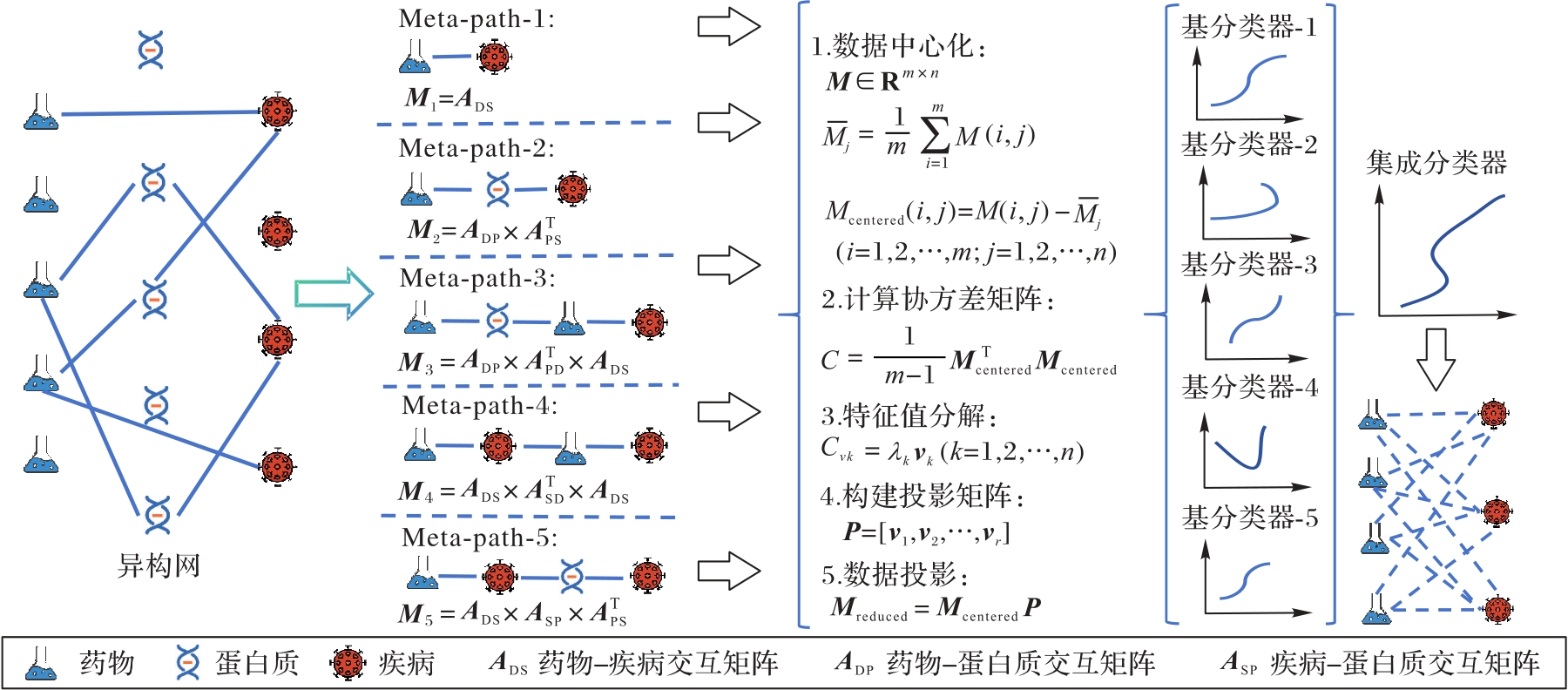
Fig. 1 Framework of EMP-PCA ensemble classifier
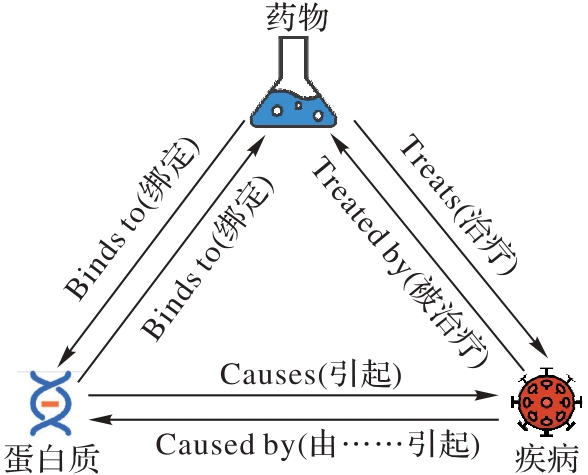
Fig. 2 Pattern of drug-protein-disease heterogeneous network
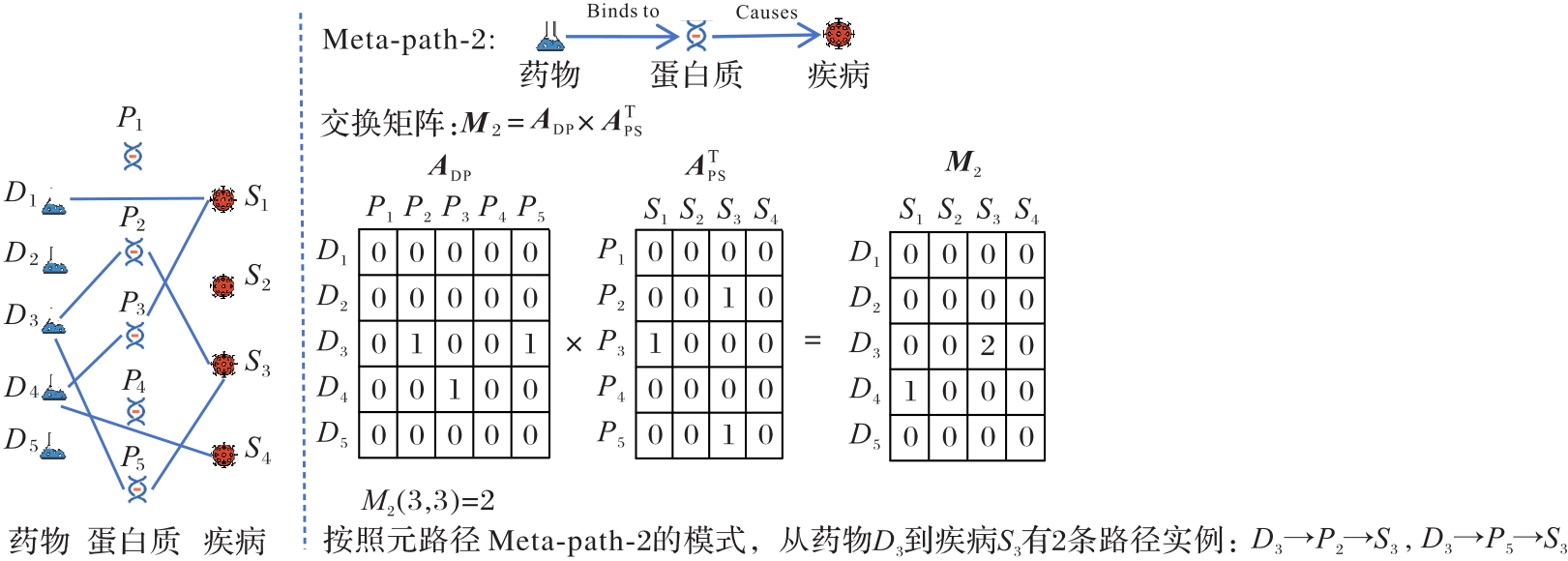
Fig. 3 Principle of commuting matrix
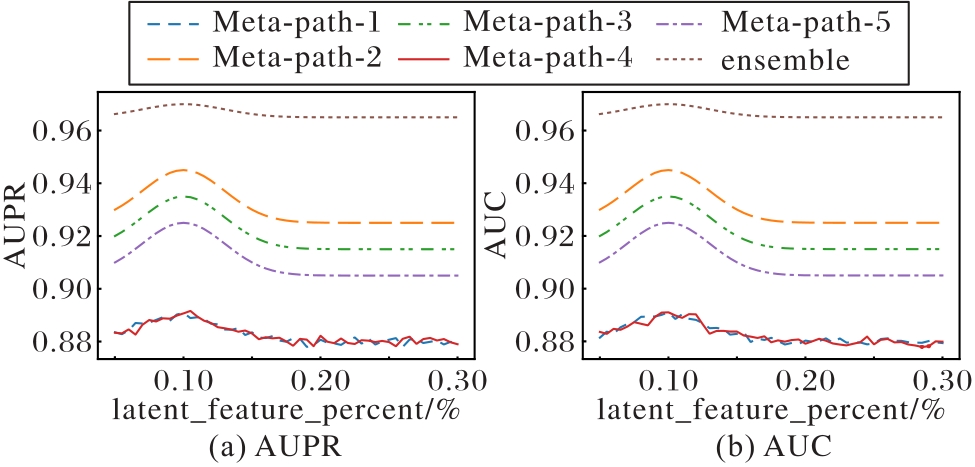
Fig. 4 Impact of different values of latent_feature_percent on AUPR and AUC
| 方法 | AUPR | AUC | P | R | ACC | MCC | F1 |
|---|---|---|---|---|---|---|---|
| EMP⁃PCA | 0.966 | 0.964 | 0.915 | 0.909 | 0.908 | 0.819 | 0.910 |
| DRHGCN | 0.907 | 0.814 | 0.810 | 0.831 | 0.821 | 0.631 | 0.815 |
| ANMF | 0.851 | 0.847 | 0.818 | 0.731 | 0.712 | 0.511 | 0.732 |
| deepDR | 0.901 | 0.812 | 0.832 | 0.901 | 0.814 | 0.759 | 0.834 |
| LAGCN | 0.882 | 0.860 | 0.863 | 0.731 | 0.771 | 0.551 | 0.791 |
Tab. 1 Performance comparison of EMP-PCA and other methods
| 方法 | AUPR | AUC | P | R | ACC | MCC | F1 |
|---|---|---|---|---|---|---|---|
| EMP⁃PCA | 0.966 | 0.964 | 0.915 | 0.909 | 0.908 | 0.819 | 0.910 |
| DRHGCN | 0.907 | 0.814 | 0.810 | 0.831 | 0.821 | 0.631 | 0.815 |
| ANMF | 0.851 | 0.847 | 0.818 | 0.731 | 0.712 | 0.511 | 0.732 |
| deepDR | 0.901 | 0.812 | 0.832 | 0.901 | 0.814 | 0.759 | 0.834 |
| LAGCN | 0.882 | 0.860 | 0.863 | 0.731 | 0.771 | 0.551 | 0.791 |
| 对比组 | AUPR | AUC | 显著性标注 | ||
|---|---|---|---|---|---|
| 均值±标准差 | p值 | 均值±标准差 | p值 | ||
| DRHGCN | 0.059±0.012 | <0.001 | 0.150±0.018 | <0.001 | *** |
| ANMF | 0.115±0.015 | <0.001 | 0.117±0.021 | <0.001 | *** |
| deepDR | 0.065±0.011 | <0.001 | 0.152±0.016 | <0.001 | *** |
| LAGCN | 0.084±0.013 | <0.001 | 0.104±0.019 | <0.001 | *** |
Tab. 2 Statistical significance comparison of EMP-PCA and comparison models (AUPR/AUC)
| 对比组 | AUPR | AUC | 显著性标注 | ||
|---|---|---|---|---|---|
| 均值±标准差 | p值 | 均值±标准差 | p值 | ||
| DRHGCN | 0.059±0.012 | <0.001 | 0.150±0.018 | <0.001 | *** |
| ANMF | 0.115±0.015 | <0.001 | 0.117±0.021 | <0.001 | *** |
| deepDR | 0.065±0.011 | <0.001 | 0.152±0.016 | <0.001 | *** |
| LAGCN | 0.084±0.013 | <0.001 | 0.104±0.019 | <0.001 | *** |
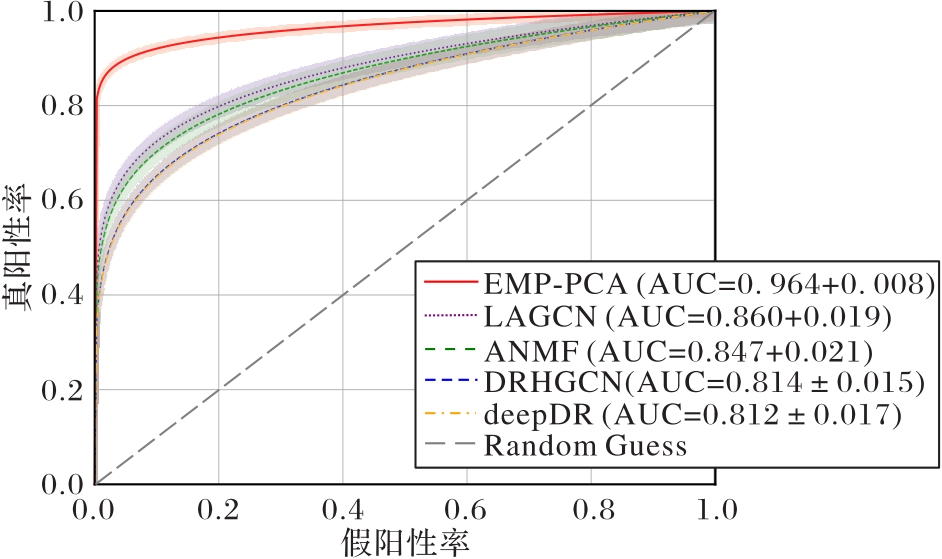
Fig. 5 ROC curve comparison of EMP-PCA and comparison models
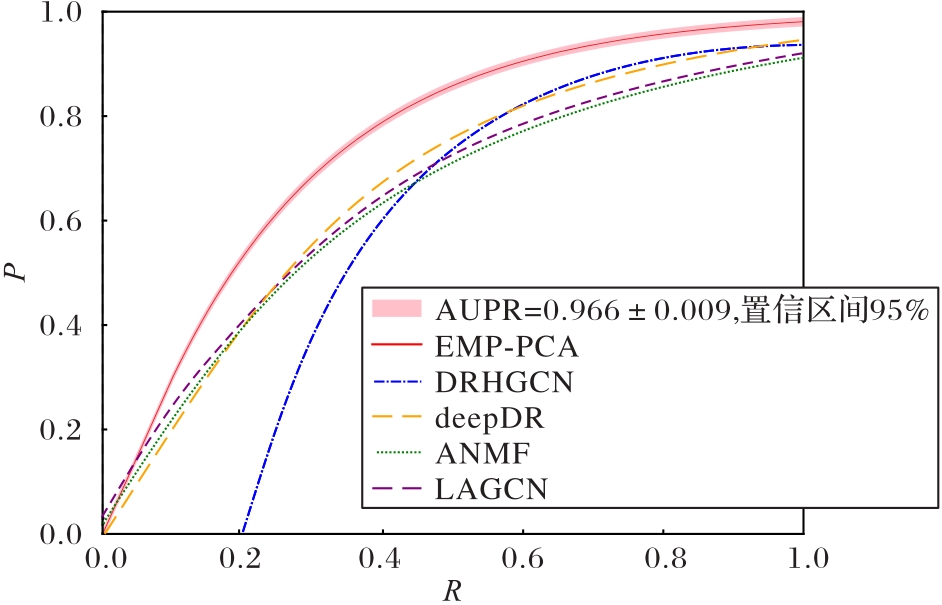
Fig. 6 P-R curve comparison of EMP-PCA and comparison models
| 实验组 | AUPR | AUC | P | R | F1 |
|---|---|---|---|---|---|
| EMP-PCA(原模型) | 0.966 | 0.964 | 0.915 | 0.909 | 0.910 |
| EMP-PCA+DrugSim | 0.958 | 0.957 | 0.902 | 0.898 | 0.900 |
| EMP-PCA+DisSim | 0.952 | 0.951 | 0.897 | 0.891 | 0.894 |
| EMP-PCA+DrugSim+DisSim | 0.949 | 0.948 | 0.889 | 0.885 | 0.887 |
Tab. 3 Results of similarity data ablation experiments
| 实验组 | AUPR | AUC | P | R | F1 |
|---|---|---|---|---|---|
| EMP-PCA(原模型) | 0.966 | 0.964 | 0.915 | 0.909 | 0.910 |
| EMP-PCA+DrugSim | 0.958 | 0.957 | 0.902 | 0.898 | 0.900 |
| EMP-PCA+DisSim | 0.952 | 0.951 | 0.897 | 0.891 | 0.894 |
| EMP-PCA+DrugSim+DisSim | 0.949 | 0.948 | 0.889 | 0.885 | 0.887 |
| 实验组 | AUPR | AUC | P | R | F1 | 核心差异(组件调整) |
|---|---|---|---|---|---|---|
| EMP-PCA | 0.966 | 0.964 | 0.915 | 0.909 | 0.910 | 5条元路径+PCA降维+集成 |
| Meta-path-2 | 0.892 | 0.887 | 0.835 | 0.821 | 0.828 | 仅使用最优单路径(无集成) |
| 随机2路径集成 | 0.921 | 0.915 | 0.867 | 0.853 | 0.860 | 随机选择2条元路径集成 |
| 无PCA降维 | 0.876 | 0.869 | 0.812 | 0.803 | 0.807 | 5条元路径集成(使用原始特征) |
| 无集成单路径 | 0.905 | 0.898 | 0.851 | 0.842 | 0.846 | 5条元路径单独预测后取平均 |
Tab. 4 Results of core component (meta-path & PCA) ablation experiments
| 实验组 | AUPR | AUC | P | R | F1 | 核心差异(组件调整) |
|---|---|---|---|---|---|---|
| EMP-PCA | 0.966 | 0.964 | 0.915 | 0.909 | 0.910 | 5条元路径+PCA降维+集成 |
| Meta-path-2 | 0.892 | 0.887 | 0.835 | 0.821 | 0.828 | 仅使用最优单路径(无集成) |
| 随机2路径集成 | 0.921 | 0.915 | 0.867 | 0.853 | 0.860 | 随机选择2条元路径集成 |
| 无PCA降维 | 0.876 | 0.869 | 0.812 | 0.803 | 0.807 | 5条元路径集成(使用原始特征) |
| 无集成单路径 | 0.905 | 0.898 | 0.851 | 0.842 | 0.846 | 5条元路径单独预测后取平均 |
| 核心步骤 | 计算操作 | 时间复杂度 | 原文场景量级近似 | 复杂度占比/% |
|---|---|---|---|---|
| 总复杂度 | 4.9×10⁹+2.0×10⁹+3.7×10⁶≈6.9×10⁹ | 100.00 | ||
| 交换矩阵生成 | 矩阵乘法 | 5×1 186×1 523×449≈4.9×10⁹ | 70.98 | |
| PCA降维 | 5×(5.3×105+3.1×10⁸+9.1×10⁷)≈2.0×10⁹ | 28.97 | ||
| GBT集成训练 | 5×100×2×3.7×103≈3.7×10⁶ | 0.05 |
Tab. 5 Theoretical computational complexity of each core step of EMP-PCA
| 核心步骤 | 计算操作 | 时间复杂度 | 原文场景量级近似 | 复杂度占比/% |
|---|---|---|---|---|
| 总复杂度 | 4.9×10⁹+2.0×10⁹+3.7×10⁶≈6.9×10⁹ | 100.00 | ||
| 交换矩阵生成 | 矩阵乘法 | 5×1 186×1 523×449≈4.9×10⁹ | 70.98 | |
| PCA降维 | 5×(5.3×105+3.1×10⁸+9.1×10⁷)≈2.0×10⁹ | 28.97 | ||
| GBT集成训练 | 5×100×2×3.7×103≈3.7×10⁶ | 0.05 |
| 数据规模 | 交换矩阵生成时间/s | PCA降维时间/s | 集成训练时间/s | 总训练时间/s | 预测时间/ms |
|---|---|---|---|---|---|
| 小规模 | 45.2±3.1 | 2.8±0.3 | 1.2±0.1 | 49.2±3.5 | 0.8±0.1 |
| 原规模 | 203.5±8.7 | 6.5±0.5 | 2.9±0.2 | 212.9±9.4 | 1.5±0.2 |
| 大规模 | 896.3±15.2 | 18.7±1.1 | 7.5±0.4 | 922.5±16.7 | 3.2±0.3 |
Tab. 6 Actual running time of EMP-PCA under different data scales (mean±standard deviation)
| 数据规模 | 交换矩阵生成时间/s | PCA降维时间/s | 集成训练时间/s | 总训练时间/s | 预测时间/ms |
|---|---|---|---|---|---|
| 小规模 | 45.2±3.1 | 2.8±0.3 | 1.2±0.1 | 49.2±3.5 | 0.8±0.1 |
| 原规模 | 203.5±8.7 | 6.5±0.5 | 2.9±0.2 | 212.9±9.4 | 1.5±0.2 |
| 大规模 | 896.3±15.2 | 18.7±1.1 | 7.5±0.4 | 922.5±16.7 | 3.2±0.3 |
| [1] | Wu Z, Chen S, Wang Y, et al. Current perspectives and trend of computer-aided drug design: a review and bibliometric analysis[J]. International Journal of Surgery, 2024, 110(6): 3848-3878. |
| [2] | He S, Liu X, Ye X, et al. Analysis of drug repositioning and prediction techniques: a concise review[J]. Current Topics in Medicinal Chemistry, 2022, 22(23): 1897-1906. |
| [3] | Abushaaban E, Alhajj R. A survey on computational methods used for drug repositioning[J]. Network Modeling Analysis in Health Informatics and Bioinformatics, 2025, 14: No.8. |
| [4] | Luo H, Li M, Yang M, et al. Biomedical data and computational models for drug repositioning: a comprehensive review[J]. Briefings in Bioinformatics, 2021, 22(2): 1604-1619. |
| [5] | Kim Y, Jung Y S, Park J H, et al. Drug-disease association prediction using heterogeneous networks for computational drug repositioning[J]. Biomolecules, 2022, 12(10): No.1497. |
| [6] | Wishart D S, Feunang Y D, Guo A C, et al. DrugBank 5.0: a major update to the DrugBank database for 2018[J]. Nucleic Acids Research, 2018, 46(D1): D1074-D1082. |
| [7] | Gabetta M, Larizza C, Bellazzi R. A Unified Medical Language System (UMLS) based system for literature-based discovery in medicine[C]// MEDINFO 2013. Amsterdam: IOS Press, 2013: 412-416. |
| [8] | 吴光生. 数据驱动的药物-疾病关联预测[D]. 武汉:武汉大学, 2019. |
| Wu Guangsheng. Data-driven prediction of drug-disease association[D]. Wuhan: Wuhan University, 2019. | |
| [9] | Lan Z Z, Cao R F, Wei P J, et al. Double matrix completion for circRNA-disease association prediction[J]. BMC Bioinformatics, 2021, 22: No.307. |
| [10] | Wu Q W, Cao R F, Xia J F, et al. Extra trees method for predicting LncRNA-disease association based on multi-layer graph embedding aggregation[J]. IEEE/ACM Transactions on Computational Biology and Bioinformatics, 2021, 19(6): 3171-3178. |
| [11] | Zheng K, You Z H, Wang L, et al. MLMDA: a machine learning approach to predict and validate MicroRNA-disease associations by integrating of heterogenous information sources[J]. Journal of Translational Medicine, 2019, 17: No.260. |
| [12] | 张雪慧.基于多元路径融合的lncRNA-疾病关联预测方法研究[D].哈尔滨:哈尔滨理工大学,2024:10-14. |
| Zhang Xuehui. Research on lncRNA-disease association prediction method based on multi-path fusion[D]. Harbin: Harbin University of Science and Technology, 2024: 10-14. | |
| [13] | 王帅.基于异构图神经网络的疾病相关lncRNA预测算法研究[D].秦皇岛:燕山大学,2024: 1-6. |
| Wang Shuai. Research on disease-related lncRNA prediction algorithm based on heterogeneous graph neural network[D]. Qinhuangdao: Yanshan University, 2024:1-6. | |
| [14] | 武传艳.基于机器学习方法的生物医学数据挖掘相关问题研究[D].济南:山东大学,2020: 1-10. |
| Wu Chuanyan. Research on biomedical data mining related problems based on machine learning methods[D]. Jinan: Shandong University, 2020:1-10. | |
| [15] | 姚文杰.基于元路径和反事实数据增强的药物-副作用关联预测方法研究[D].w武汉:华中师范大学,2024:9-13. |
| Yao Wenjie. Research on drug-side effect association prediction method based on meta-path and counterfactual data augmentation[D]. Wuhan: Central China Normal University, 2024:9-13. | |
| [16] | 郁湧,杨雨洁,李虓晗,等. 基于全局图注意力元路径异构网络的药物-疾病关联预测[J]. 电子科技大学学报, 2024, 53(4): 576-583. |
| Yu Yong, Yang Yujie, Li Xiaohan, et al. Drug-disease association prediction based on global graph attention meta-path heterogeneous network[J]. Journal of University of Electronic Science and Technology of China, 2024, 53(4): 576-583. | |
| [17] | 李泽军. 基于数据挖掘的基因和疾病的关系研究[D]. 长沙:湖南大学, 2019. |
| Li Zejun. Research on the relationship between genes and diseases based on data mining[D]. Changsha: Hunan University, 2019. | |
| [18] | Yasir M, Park J, Han E T, et al. Machine learning-based drug repositioning of novel Janus Kinase 2 inhibitors utilizing molecular docking and molecular dynamic simulation[J]. Journal of Chemical Information and Modeling, 2023, 63(21): 6487-6500. |
| [19] | Fang J, Pan Z, Yu H, et al. Regulatory master genes identification and drug repositioning by integrative mRNA-miRNA network analysis for acute Type A aortic dissection[J]. Frontiers in Pharmacology, 2021, 11: No.575765. |
| [20] | Tian Z, Teng Z, Cheng S, et al. Computational drug repositioning using meta-path-based semantic network analysis[J]. BMC Systems Biology, 2018, 12(S9): No.134. |
| [21] | Ding S, Niu D, Wang X, et al. MAPTrans: mutual attention Transformer with dynamic meta-path pruning for drug repositioning[J]. Briefings in Bioinformatics, 2025, 26(4): No.bbaf382. |
| [22] | Yang X, Zamit L, Liu Y, et al. Additional neural matrix factorization model for computational drug repositioning[J]. BMC Bioinformatics, 2019, 20: No.423. |
| [23] | Zeng X, Zhu S, Liu X, et al. deepDR: A network-based deep learning approach to in silico drug repositioning[J]. Bioinformatics, 2019, 35(24): 5191-5198. |
| [24] | Cai L, Lu C, Xu J, et al. Drug repositioning based on the heterogeneous information fusion graph convolutional network[J]. Briefings in Bioinformatics, 2021, 22(6): No.bbab319. |
| [25] | Yu Z, Huang F, Zhao X, et al. Predicting drug-disease associations through layer attention graph convolutional network[J]. Briefings in Bioinformatics, 2021, 22: No.bbaa243. |
| [26] | Li Y, Yang Y, Tong Z, et al. A comparative benchmarking and evaluation framework for heterogeneous network-based drug repositioning methods[J]. Briefings in Bioinformatics, 2024, 25(3): No.bbae172. |
| [1] | Qingli CHEN, Yuanbo GUO, Chen FANG. Clustering federated learning algorithm for heterogeneous data [J]. Journal of Computer Applications, 2025, 45(4): 1086-1094. |
| [2] | Junchi GE, Weihua ZHAO. Distance weighted discriminant analysis based on robust principal component analysis for matrix data [J]. Journal of Computer Applications, 2024, 44(7): 2073-2079. |
| [3] | Xianbojun FAN, Lijia CHEN, Shen LI, Chenlu WANG, Min WANG, Zan WANG, Mingguo LIU. Robust joint modeling and optimization method for visual manipulators [J]. Journal of Computer Applications, 2023, 43(3): 962-971. |
| [4] | Yuyu MENG, Jing GUO. Link prediction algorithm based on information entropy improved PCA model [J]. Journal of Computer Applications, 2022, 42(9): 2823-2829. |
| [5] | LU Rongxiu, CHEN Mingming, YANG Hui, ZHU Jianyong. Element component content dynamic monitoring system based on time sequence characteristics of solution images [J]. Journal of Computer Applications, 2021, 41(10): 3075-3081. |
| [6] | LI Dongbo, HUANG Lyuwen. Reweighted sparse principal component analysis algorithm and its application in face recognition [J]. Journal of Computer Applications, 2020, 40(3): 717-722. |
| [7] | ZHANG Xiaobo, YANG Yan, LI Tianrui, LU Fan, PENG Lilan. Early diagnosis and prediction of Parkinson's disease based on clustering medical text data [J]. Journal of Computer Applications, 2020, 40(10): 3088-3094. |
| [8] | ZHANG Zongtang, CHEN Zhe, DAI Weiguo. Over sampling ensemble algorithm based on margin theory [J]. Journal of Computer Applications, 2019, 39(5): 1364-1367. |
| [9] | ZHOU Fei, XIA Pengcheng. Signal strength difference fingerprint localization algorithm based on principal component analysis and chi-square distance [J]. Journal of Computer Applications, 2019, 39(5): 1405-1410. |
| [10] | CHEN Wanzhi, XU Dongsheng, ZHANG Jing, TANG Yu. Intrusion detection method for industrial control system with optimized support vector machine and K-means++ [J]. Journal of Computer Applications, 2019, 39(4): 1089-1094. |
| [11] | WANG Xin, LI Ke, XU Mingjun, NING Chen. Improved remote sensing image classification algorithm based on deep learning [J]. Journal of Computer Applications, 2019, 39(2): 382-387. |
| [12] | WAN Yuan, ZHANG Jinghui, WU Kefeng, MENG Xiaojing. Image classification based on multi-layer non-negativity and locality Laplacian sparse coding [J]. Journal of Computer Applications, 2018, 38(9): 2489-2494. |
| [13] | FENG Liwei, ZHANG Cheng, LI Yuan, XIE Yanhong. Fault detection for multistage process based on improved local neighborhood standardization and kNN [J]. Journal of Computer Applications, 2018, 38(7): 2130-2135. |
| [14] | TANG Jiaqi, WU Jingli. Protein function prediction method based on PPI network and machine learning [J]. Journal of Computer Applications, 2018, 38(3): 722-727. |
| [15] | YIN Li, LIN Xinqi, CHEN Lifei. Moving object removal forgery detection algorithm in video frame [J]. Journal of Computer Applications, 2018, 38(3): 879-883. |
| Viewed | ||||||
|
Full text |
|
|||||
|
Abstract |
|
|||||
