


Journal of Computer Applications ›› 2026, Vol. 46 ›› Issue (2): 652-658.DOI: 10.11772/j.issn.1001-9081.2025030317
• Frontier and comprehensive applications • Previous Articles
Received:2025-03-27
Revised:2025-05-09
Accepted:2025-05-12
Online:2025-05-19
Published:2026-02-10
Contact:
Jincheng FU
About author:FU Jincheng, born in 2002, M. S. candidate. His research interests include wind power prediction, intelligent optimization algorithms. Email:jincheng.fu@zju.edu.cn
付锦程( ), 杨仕友
通讯作者:
付锦程
作者简介:付锦程(2002—),男,河南开封人,硕士研究生,主要研究方向:风电功率预测、智能优化算法Email:jincheng.fu@zju.edu.cnCLC Number:
Jincheng FU, Shiyou YANG. Short-term wind power prediction using hybrid model based on Bayesian optimization and feature fusion[J]. Journal of Computer Applications, 2026, 46(2): 652-658.
付锦程, 杨仕友. 基于贝叶斯优化和特征融合混合模型的短期风电功率预测[J]. 《计算机应用》唯一官方网站, 2026, 46(2): 652-658.
Add to citation manager EndNote|Ris|BibTeX
URL: https://www.joca.cn/EN/10.11772/j.issn.1001-9081.2025030317
| 指标 | t值 | p值 | 显著性 |
|---|---|---|---|
| R² | -4.34 | 0.002 | 显著 |
| MAE | 0.16 | 0.879 | 不显著 |
| RMSE | 0.14 | 0.894 | 不显著 |
Tab. 1 Statistical significance test of impact of feature fusion on model performance
| 指标 | t值 | p值 | 显著性 |
|---|---|---|---|
| R² | -4.34 | 0.002 | 显著 |
| MAE | 0.16 | 0.879 | 不显著 |
| RMSE | 0.14 | 0.894 | 不显著 |
| 指标 | t值 | p值 | 显著性 |
|---|---|---|---|
| R² | 0.45 | 0.663 | 不显著 |
| MAE | 4.24 | 0.002 | 显著 |
| RMSE | 2.84 | 0.019 | 显著 |
Tab. 2 Statistical significance test of impact of Bayesian optimization on model performance
| 指标 | t值 | p值 | 显著性 |
|---|---|---|---|
| R² | 0.45 | 0.663 | 不显著 |
| MAE | 4.24 | 0.002 | 显著 |
| RMSE | 2.84 | 0.019 | 显著 |
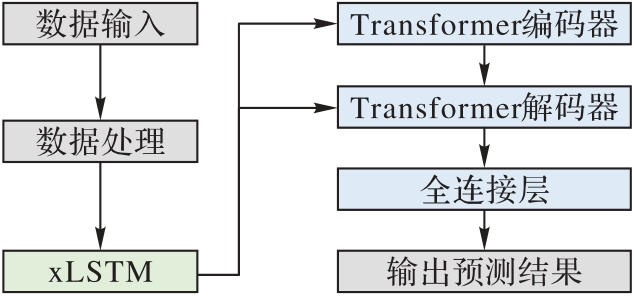
Fig. 1 Structure of proposed hybrid model
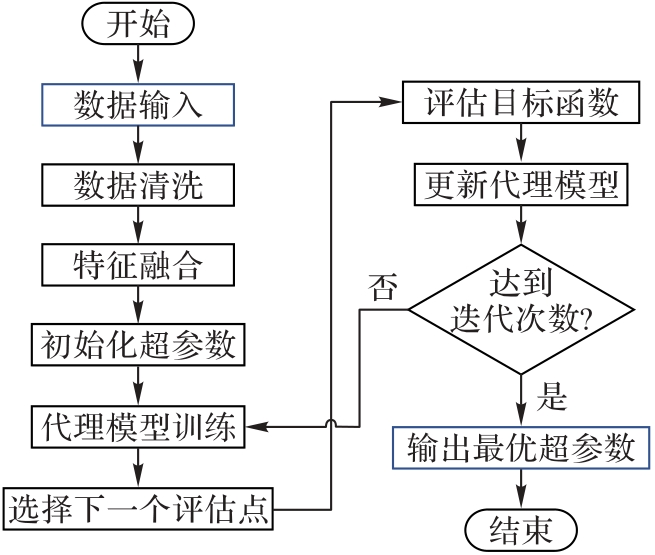
Fig. 2 Training flow of xLSTM-Transformer
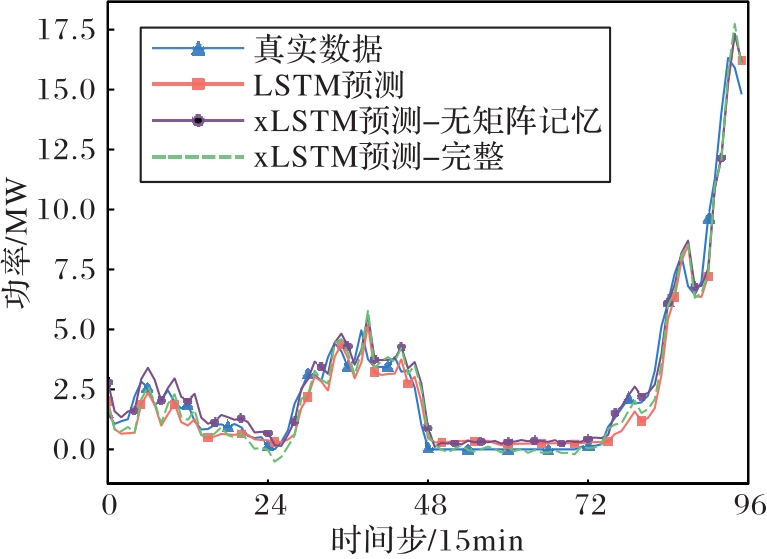
Fig. 3 Comparison of ablation experimental results
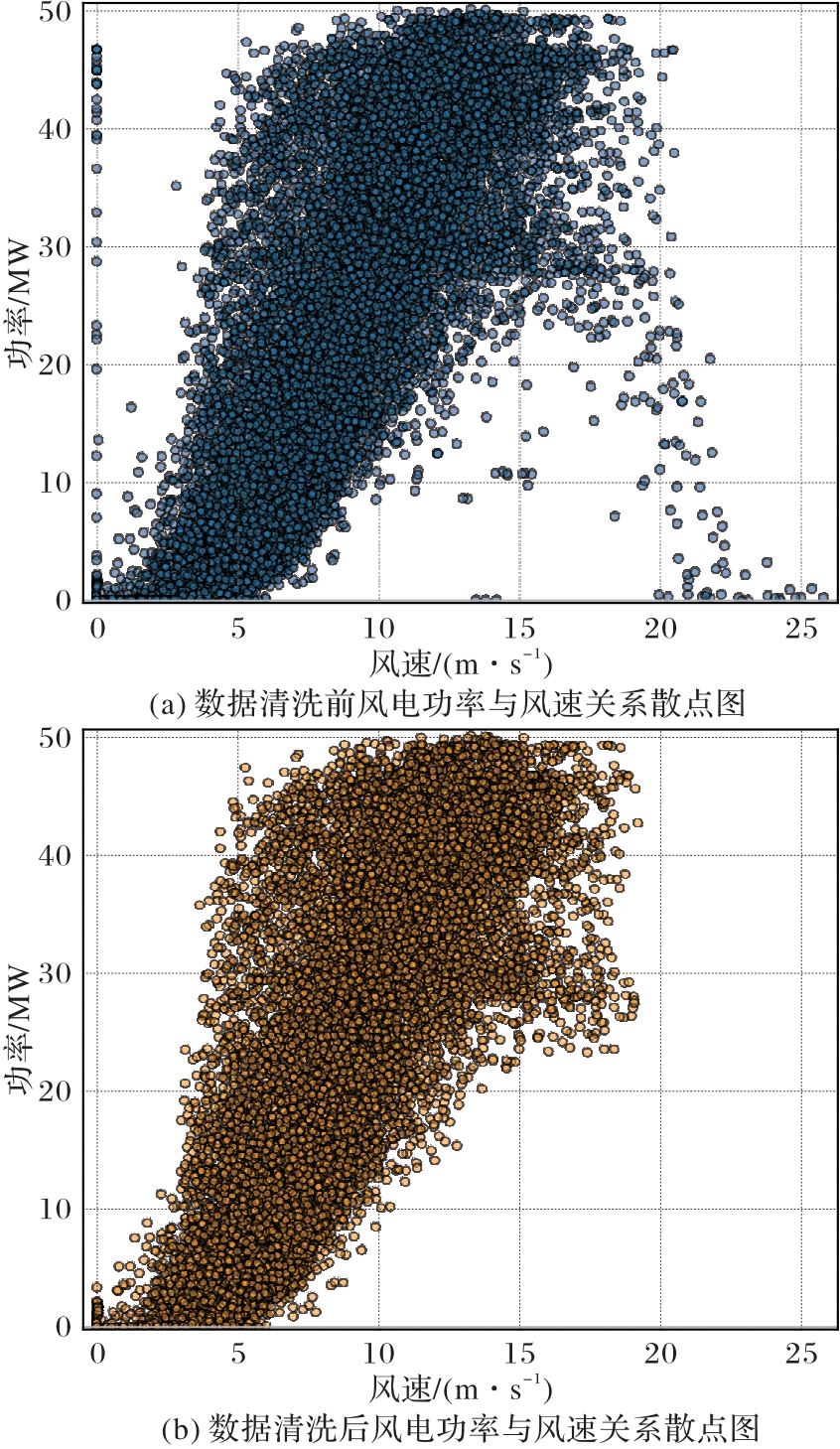
Fig. 4 Comparison of results before and after data cleaning
| 模型名称 | LookBack=4(1 h) | LookBack=8(2 h) | LookBack=16(4 h) | ||||||
|---|---|---|---|---|---|---|---|---|---|
| R² | MAE | RMSE | R² | MAE | RMSE | R² | MAE | RMSE | |
| 模型1 | 0.907 3 | 0.388 6 | 0.578 6 | 0.930 7 | 0.317 2 | 0.497 5 | 0.936 6 | 0.736 7 | 0.951 8 |
| 模型2 | 0.907 0 | 0.417 3 | 0.650 3 | 0.879 1 | 0.509 4 | 0.662 2 | 0.866 0 | 0.514 0 | 0.736 1 |
| 模型3 | 0.842 7 | 0.503 0 | 0.845 8 | 0.809 9 | 0.689 7 | 0.830 6 | 0.751 1 | 0.673 7 | 0.948 2 |
| 模型4 | 0.897 1 | 0.447 6 | 0.697 8 | 0.905 5 | 0.409 6 | 0.634 0 | 0.887 8 | 0.503 1 | 0.831 3 |
| 模型5 | 0.894 0 | 0.465 3 | 0.652 3 | 0.921 8 | 0.349 2 | 0.528 3 | 0.891 5 | 0.457 0 | 0.626 1 |
Tab. 3 Comparison of prediction performance of five models under different historical data input step sizes
| 模型名称 | LookBack=4(1 h) | LookBack=8(2 h) | LookBack=16(4 h) | ||||||
|---|---|---|---|---|---|---|---|---|---|
| R² | MAE | RMSE | R² | MAE | RMSE | R² | MAE | RMSE | |
| 模型1 | 0.907 3 | 0.388 6 | 0.578 6 | 0.930 7 | 0.317 2 | 0.497 5 | 0.936 6 | 0.736 7 | 0.951 8 |
| 模型2 | 0.907 0 | 0.417 3 | 0.650 3 | 0.879 1 | 0.509 4 | 0.662 2 | 0.866 0 | 0.514 0 | 0.736 1 |
| 模型3 | 0.842 7 | 0.503 0 | 0.845 8 | 0.809 9 | 0.689 7 | 0.830 6 | 0.751 1 | 0.673 7 | 0.948 2 |
| 模型4 | 0.897 1 | 0.447 6 | 0.697 8 | 0.905 5 | 0.409 6 | 0.634 0 | 0.887 8 | 0.503 1 | 0.831 3 |
| 模型5 | 0.894 0 | 0.465 3 | 0.652 3 | 0.921 8 | 0.349 2 | 0.528 3 | 0.891 5 | 0.457 0 | 0.626 1 |
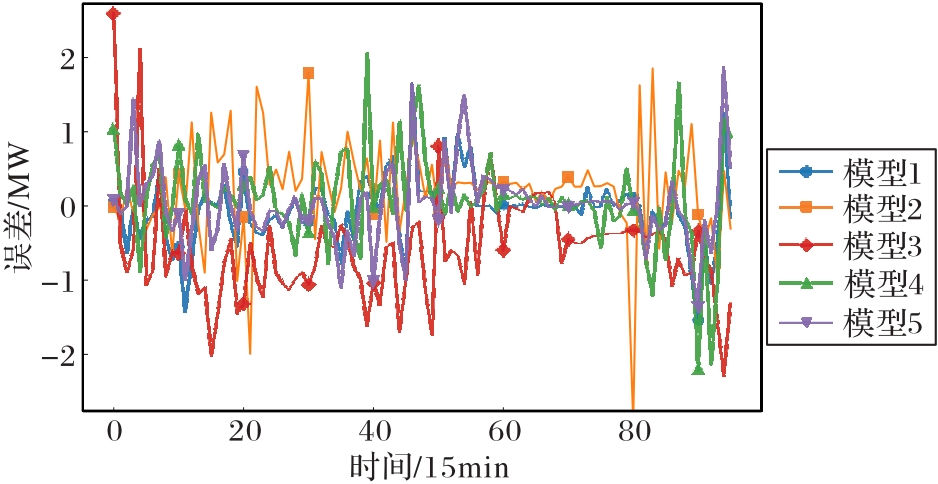
Fig. 5 Comparison of prediction errors of five models
| [1] | 钱政,裴岩,曹利宵,等. 风电功率预测方法综述[J]. 高电压技术, 2016, 42(4): 1047-1060. |
| QIAN Z, PEI Y, CAO L X, et al. Review of wind power forecasting method[J]. High Voltage Engineering, 2016, 42(4): 1047-1060. | |
| [2] | 张智刚,康重庆. 碳中和目标下构建新型电力系统的挑战与展望[J]. 中国电机工程学报, 2022, 42(8): 2806-2818. |
| ZHANG Z G, KANG C Q. Challenges and prospects for constructing the new-type power system towards a carbon neutrality future[J]. Proceedings of the CSEE, 2022, 42(8): 2806-2818. | |
| [3] | AYENE S M, YIBRE A M. Wind power prediction based on deep learning models: the case of Adama wind farm[J]. Heliyon, 2024, 10(21): No.e39579. |
| [4] | 刘谭,刘娜,刘贵平,等. 深度学习方法在风电功率预测中的应用与研究方向概述[J]. 计算机科学与探索, 2025, 19(3): 602-622. |
| LIU T, LIU N, LIU G P, et al. Overview of applications and research directions of deep learning methods for wind power prediction[J]. Journal of Frontiers of Computer Science and Technology, 2025, 19(3): 602-622. | |
| [5] | 武雅君. “双碳”目标下我国清洁能源发电现状及发展趋势[J]. 电气技术与经济, 2023(1): 121-124. |
| WU Y J. The current situation and development trend of clean energy power generation in China under the “dual carbon” goal[J]. Electrical Equipment and Economy, 2023(1): 121-124. | |
| [6] | 张群,唐振浩,王恭,等. 基于长短时记忆网络的超短期风功率预测模型[J]. 太阳能学报, 2021, 42(10): 275-281. |
| ZHANG Q, TANG Z H, WANG G, et al. Ultra-short-term wind power prediction model based on long and short term memory network[J]. Acta Energiae Solaris Sinica, 2021, 42(10): 275-281. | |
| [7] | 韩宇超,同向前,邓亚平. 基于概率密度估计与时序Transformer网络的风功率日前区间预测[J]. 中国电机工程学报, 2024, 44(23): 9285-9295. |
| HAN Y C, TONG X Q, DENG Y P. Probabilistic distribution estimation and temporal Transformer-based interval prediction in day-ahead wind power prediction[J]. Proceedings of the CSEE, 2024, 44(23): 9285-9295. | |
| [8] | 李士哲,王霄慧,刘帅. 考虑多变量相关性改进的风电场Transformer中长期预测模型[J]. 智慧电力, 2024, 52(4): 62-68. |
| LI S Z, WANG X H, LIU S. Improved Transformer medium and long term prediction model of wind farm considering multivariate correlation[J]. Smart Power, 2024, 52(4): 62-68. | |
| [9] | 张亚丽,王聪,张宏立,等. 基于非平稳Transformer的超短期风电功率多步预测[J]. 智慧电力, 2024, 52(1): 108-115. |
| ZHANG Y L, WANG C, ZHANG H L, et al. Multi-step prediction of ultra-short-term wind power based on non-stationary Transformer[J]. Smart Power, 2024, 52(1): 108-115. | |
| [10] | 张子华,李琰,徐天奇,等. 基于麻雀算法优化的VMD-CNN-LSTM的短期风电功率研究[J]. 电气传动, 2023, 53(5): 77-83. |
| ZHANG Z H, LI Y, XU T Q, et al. Research on short-term wind power forecasting based on VMD-CNN-LSTM optimized by sparrow algorithm[J]. Electric Drive, 2023, 53(5): 77-83. | |
| [11] | 欧旭鹏,任涛,王玉鹏,等. 基于改进麻雀搜索算法优化深度学习网络超参数的短期风电功率预测[J]. 智慧电力, 2023, 51(3): 31-38. |
| OU X P, REN T, WANG Y P, et al. Short-term wind power prediction by optimizing deep learning network hyper-parameters based on ISSA[J]. Smart Power, 2023, 51(3): 31-38. | |
| [12] | 宋立业,鞠亚东,张鑫. 基于改进MFO优化Attention-LSTM的超短期风电功率预测[J]. 电气工程学报, 2023, 18(3): 358-368. |
| SONG L Y, JU Y D, ZHANG X. Ultra-short-term wind power prediction based on improved MFO optimized Attention-LSTM[J]. Journal of Electrical Engineering, 2023, 18(3): 358-368. | |
| [13] | 付果. 基于贝叶斯方法的风电功率概率性预测分析及研究[D]. 北京:华北电力大学(北京), 2019. |
| FU G. Probabilistic prediction analysis and research of wind power based on Bayesian method[D]. Beijing: North China Electric Power University, 2019. | |
| [14] | 刘新宇,蒲欣雨,李继方,等. 基于贝叶斯优化的VMD-GRU短期风电功率预测[J]. 电力系统保护与控制, 2023, 51(21): 158-165. |
| LIU X Y, PU X Y, LI J F, et al. Short-term wind power prediction of a VMD-GRU based on Bayesian optimization[J]. Power System Protection and Control, 2023, 51(21): 158-165. | |
| [15] | 綦方中,卓可翔,张婧雅,等. 基于多特征融合和变分模态分解优化算法的短期风电功率预测体系与方法[J]. 系统工程理论与实践, 2025, 45(3): 1047-1064. |
| QI F Z, ZHUO K X, ZHANG J Y, et al. A short-term wind power prediction system and method based on multi-feature fusion and variational mode decomposition optimization algorithm[J]. System Engineering — Theory and Practice, 2025, 45(3): 1047-1064. | |
| [16] | BECK M, PÖPPEL K, SPANRING M, et al. xLSTM: Extended long short-term memory[C]// Proceedings of the 38th International Conference on Neural Information Processing Systems. Red Hook: Curran Associates Inc., 2024: 107547-107603. |
| [17] | 苏向敬,宇海波,符杨,等. 基于DALSTM和联合分位数损失的海上风电功率概率预测[J]. 中国电力, 2023, 56(11): 10-19. |
| SU X J, YU H B, FU Y, et al. Probabilistic forecasting of offshore wind power based on Dual-stage Attentional LSTM and joint quantile loss function[J]. Electric Power, 2023, 56(11): 10-19. | |
| [18] | CAI F, JIANG Y, SONG W, et al. Short-term wind turbine blade icing wind power prediction based on PCA-FLSM[J]. Energies, 2024, 17(6): No.1335. |
| [19] | 赵哲,张学镭,苗浩泽,等. 基于数据清洗与个性化联邦学习的风电功率预测研究[J]. 电力科学与工程, 2025, 41(1): 60-66. |
| ZHAO Z, ZHANG X L, MIAO H Z, et al. A study of wind power prediction based on data cleaning and personalized federated learning[J]. Electric Power Science and Engineering, 2025, 41(1): 60-66. | |
| [20] | WANG G, HUANG X, LI Y, et al. Conv-ELSTM: an ensemble deep learning approach for predicting short-term wind power[J]. IET Renewable Power Generation, 2024, 18(16): 4084-4096. |
| [21] | 虞伟,黄浩,金晨星,等. 基于多头自注意力特征变换和CNN-LSTM的超短期风电功率预测[J/OL]. 南方电网技术 [2025-02-10].. |
| YU W, HUANG H, JIN C X, et al. Ultra-short-term wind power forecasting based on multi-head self-attention feature transform and CNN-LSTM[J/OL]. Southern Power System Technology [2025-02-10].. | |
| [22] | 梁智,孙国强,卫志农,等. 基于变量选择与高斯过程回归的短期负荷预测[J]. 电力建设, 2017, 38(2): 122-128. |
| LIANG Z, SUN G Q, WEI Z N, et al. Short-term load forecasting based on variable selection and Gaussian process regression[J]. Electric Power Construction, 2017, 38(2): 122-128. | |
| [23] | 杨超,冉启武,罗德虎,等. 基于注意力机制的CNN-BIGRU短期电价预测[J]. 电力系统及其自动化学报, 2024, 36(3): 22-29. |
| YANG C, RAN Q W, LUO D H, et al. CNN-BIGRU short-term electricity price prediction based on attention mechanism[J]. Proceedings of the CSU-EPSA, 2024, 36(3): 22-29. | |
| [24] | 吉兴全,曾若梅,张玉敏,等. 基于注意力机制的CNN-LSTM短期电价预测[J]. 电力系统保护与控制, 2022, 50(17): 125-132. |
| JI X Q, ZENG R M, ZHANG Y M, et al. CNN-LSTM short-term electricity price prediction based on an attention mechanism[J]. Power System Protection and Control, 2022, 50(17): 125-132. | |
| [25] | MEI J, WANG C, LUO S, et al. Short-term wind power prediction based on encoder-decoder network and multi-point focused linear attention mechanism[J]. Sensors, 2024, 24(17): No.5501. |
| [1] | Haoqian JIANG, Dong ZHANG, Guanyu LI, Heng CHEN. SetaCRS: Conversational recommender system with structure-enhanced hierarchical task-oriented prompting strategy [J]. Journal of Computer Applications, 2026, 46(2): 368-377. |
| [2] | Ming LI, Mengqi WANG, Aili ZHANG, Hua REN, Yuqiang DOU. Image steganography method based on conditional generative adversarial networks and hybrid attention mechanism [J]. Journal of Computer Applications, 2026, 46(2): 475-484. |
| [3] | Jie CAO, Lingfeng XIE, Bingjin WANG, Changhe ZHANG, Zidong YU, Chao DENG. Adolescent scoliosis screening method considering class imbalance and background diversity [J]. Journal of Computer Applications, 2026, 46(2): 630-639. |
| [4] | Zeyi GUO, Fenglian LI, Lichun XU. Double decision mechanism-based deep symbolic regression algorithm [J]. Journal of Computer Applications, 2026, 46(2): 406-415. |
| [5] | Kejian CUI, Zhiming WANG, Zhaowen QIU. Method for retinal vessel segmentation and coronary artery disease prediction using optical coherence tomography angiography [J]. Journal of Computer Applications, 2026, 46(2): 640-651. |
| [6] | Feng HAN, Yongfeng BU, Haoxiang LIANG, Shuwen HUANG, Zhaoyang ZHANG, Shijie SUN. Vehicle trajectory anomaly detection based on multi-level spatio-temporal interaction dependency [J]. Journal of Computer Applications, 2026, 46(2): 604-612. |
| [7] | Xiaolei CHEN, Zhiwei ZHENG, Xue HUANG, Zhenbin QU. Panoramic video super-resolution network combining spherical alignment and adaptive geometric correction [J]. Journal of Computer Applications, 2026, 46(2): 528-535. |
| [8] | Quanjie LIU, Zhaoyi GU, Chunyuan WANG. Unsafe driving behavior detection under complex lighting conditions [J]. Journal of Computer Applications, 2026, 46(2): 613-619. |
| [9] | Jinjiao LIN, Canshun ZHANG, Shuya CHEN, Tianxin WANG, Jian LIAN, Yonghui XU. Vehicle insurance fraud detection method based on improved graph attention network [J]. Journal of Computer Applications, 2026, 46(2): 437-444. |
| [10] | Xiaoyong BIAN, Peiyang YUAN, Qiren HU. Dual-coding space-frequency mixing method for infrared small target detection [J]. Journal of Computer Applications, 2026, 46(1): 252-259. |
| [11] | Jinyu LIANG, Hongjuan GAO, Xiaofei DU. 3D face generation method based on latent feature enhancement for disentanglement [J]. Journal of Computer Applications, 2026, 46(1): 216-223. |
| [12] | Zhihui ZAN, Yajing WANG, Ke LI, Zhixiang YANG, Guangyu YANG. Multi-feature fusion speech emotion recognition method based on SAA-CNN-BiLSTM network [J]. Journal of Computer Applications, 2026, 46(1): 69-76. |
| [13] | Ning CAO, Xin WEN, Yanrong HAO, Rui CAO. Lightweight motor imagery electroencephalogram decoding neural network with multi-domain feature fusion [J]. Journal of Computer Applications, 2026, 46(1): 289-296. |
| [14] | Panfeng JING, Yudong LIANG, Chaowei LI, Junru GUO, Jinyu GUO. Semi-supervised image dehazing algorithm based on teacher-student learning [J]. Journal of Computer Applications, 2025, 45(9): 2975-2983. |
| [15] | Weigang LI, Jiale SHAO, Zhiqiang TIAN. Point cloud classification and segmentation network based on dual attention mechanism and multi-scale fusion [J]. Journal of Computer Applications, 2025, 45(9): 3003-3010. |
| Viewed | ||||||
|
Full text |
|
|||||
|
Abstract |
|
|||||
