


《计算机应用》唯一官方网站 ›› 2026, Vol. 46 ›› Issue (8): 2394-2410.DOI: 10.11772/j.issn.1001-9081.2025070838
刘新亮, 徐雨时, 李杜白, 任延昭( )
)
收稿日期:2025-07-25
修回日期:2025-11-04
接受日期:2025-11-04
发布日期:2025-12-22
出版日期:2026-08-10
通讯作者:
任延昭
作者简介:刘新亮(1972—),男,湖北黄冈人,教授,博士,CCF会员,主要研究方向:食品领域知识图谱、智慧农业、农产品质量安全追溯基金资助:
Xinliang LIU, Yushi XU, Dubai LI, Yanzhao REN()
Received:2025-07-25
Revised:2025-11-04
Accepted:2025-11-04
Online:2025-12-22
Published:2026-08-10
Contact:
Yanzhao REN
About author:LIU Xinliang, born in 1972, Ph. D., professor. His research interests include knowledge graph in food field, smart agriculture, traceability for agricultural product quality and safety.Supported by:摘要:
随着人工智能技术的快速演进,知识图谱(KG)的研究与应用不断深化,推动基于KG的问答(KGQA)技术取得了显著进展。由于缺乏对现有问答方法的系统性划分框架,用户对各类KGQA模型的认知较为有限,因此,难以满足不同领域用户的参考需求。针对这一问题,文中对近 15 年KGQA领域的研究进展进行系统性综述。首先,归纳提炼出包括模板匹配、语义解析、深度学习、大语言模型(LLM)增强在内的4类核心问答策略;其次,对比4类策略下8种典型问答方法在复杂问题、多跳推理、低资源环境和多语言环境下的表现,并给出各个方法的适用场景;再次,归纳整理常用数据集和性能评测方法;最后,结合领域发展现状,对KGQA技术的未来研究方向提出针对性建议与展望,为后续相关研究与应用提供参考。
中图分类号:
刘新亮, 徐雨时, 李杜白, 任延昭. 基于知识图谱的问答方法综述[J]. 计算机应用, 2026, 46(8): 2394-2410.
Xinliang LIU, Yushi XU, Dubai LI, Yanzhao REN. Survey of knowledge graph-based question answering methods[J]. Journal of Computer Applications, 2026, 46(8): 2394-2410.
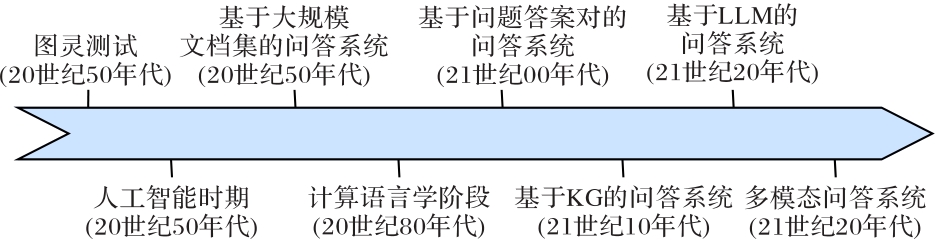
图1 问答系统发展历程
Fig. 1 Development history of question answering systems
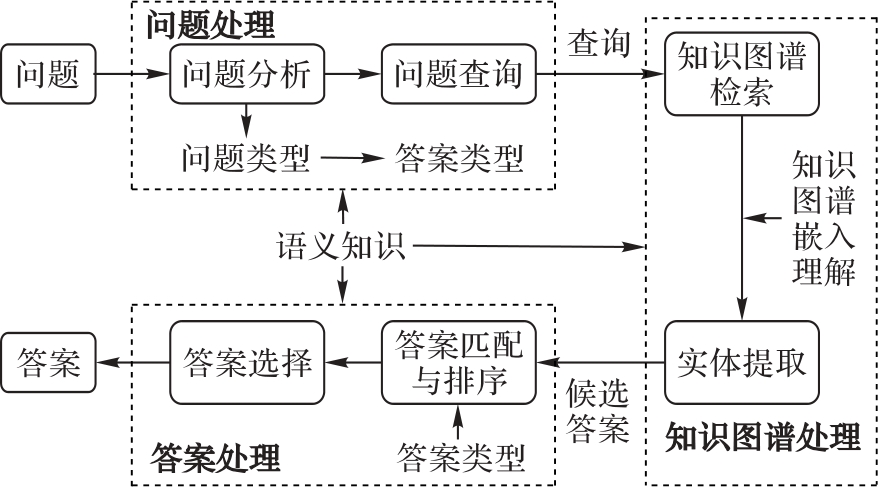
图2 问答系统处理问题的流程
Fig. 2 Flow of processing problems in question answering system
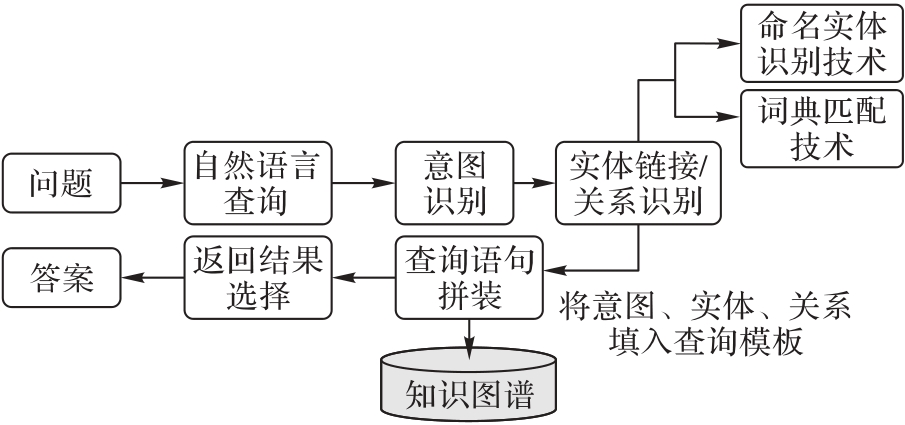
图3 模板匹配方法的流程
Fig. 3 Flow of template matching method
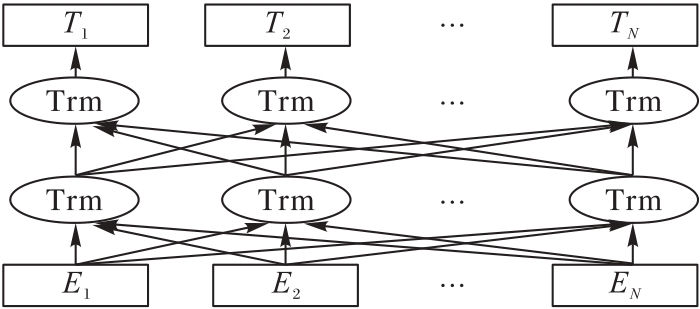
图4 BERT模型的架构
Fig. 4 Architecture of BERT model
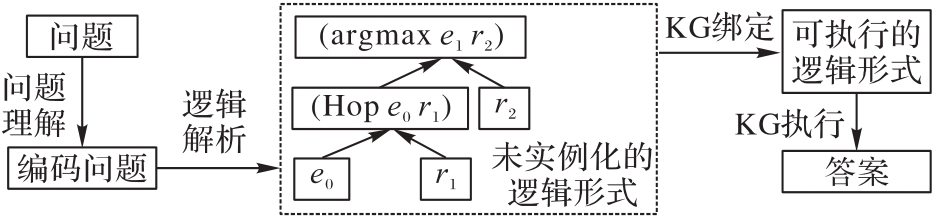
图5 语义解析方法的流程
Fig. 5 Flow of semantic parsing method
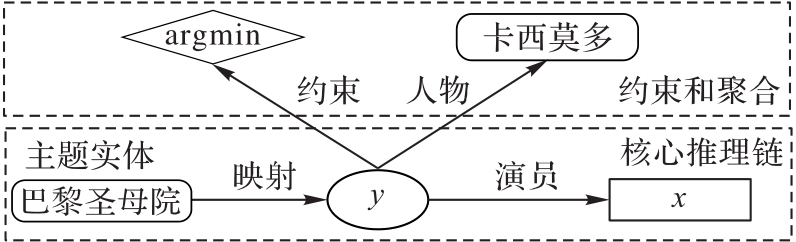
图6 λ-calculus的查询图
Fig. 6 Query graph of λ-calculus
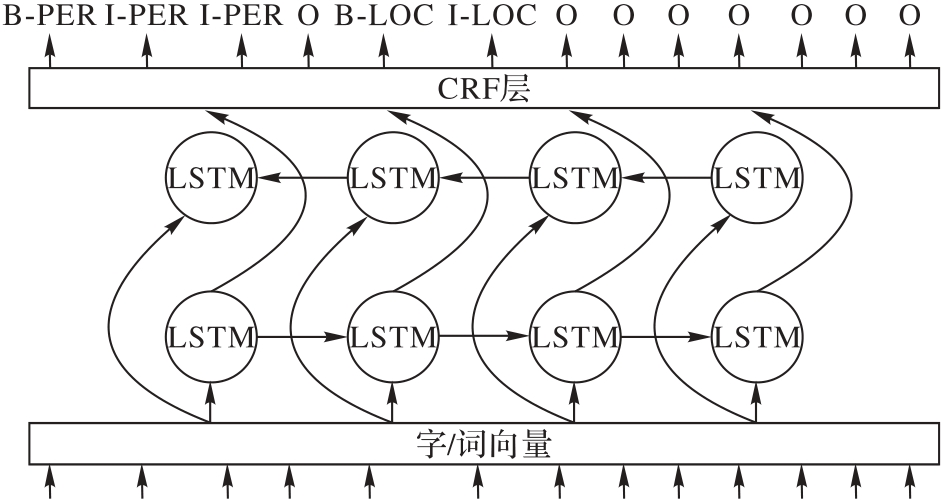
图7 BiLSTM+CRF模型的架构
Fig. 7 Architecture of BiLSTM+CRF mode
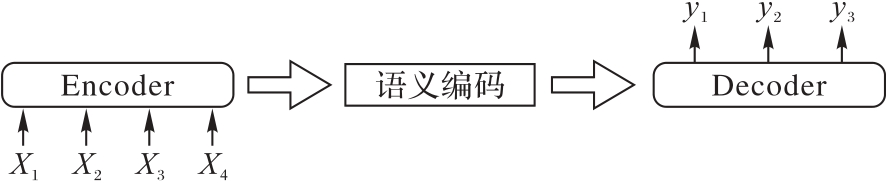
图8 Encoder-Decoder模型的架构
Fig. 8 Architecture of Encoder-Decoder model
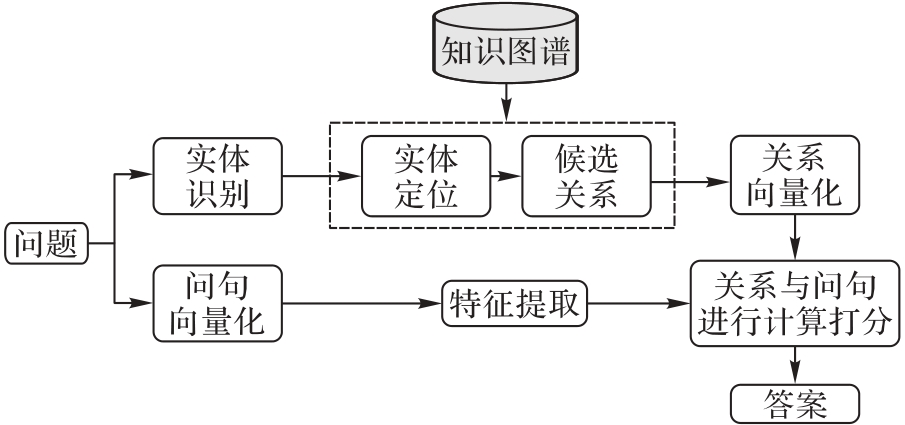
图9 基于知识图谱的深度学习答案排序方法的流程
Fig. 9 Flow of knowledge graph-based deep learning answer ranking method
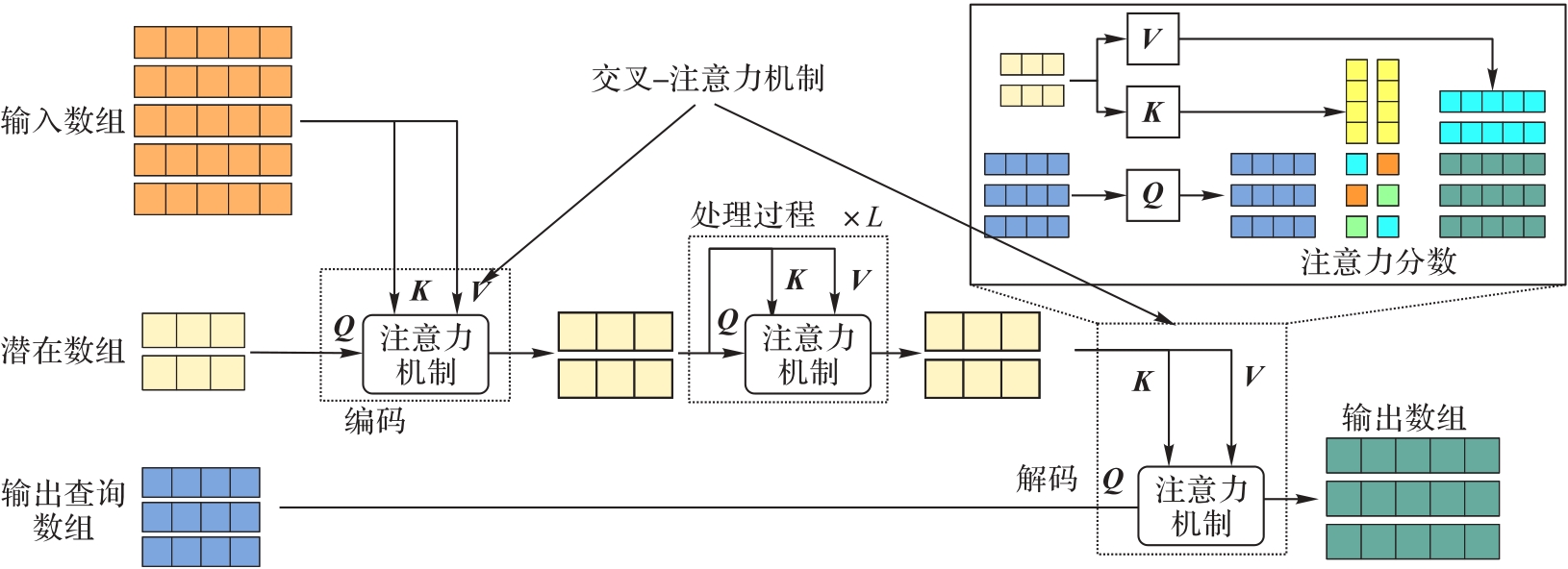
图10 Cross-Attention模型的架构
Fig. 10 Architecture of Cross-Attention model
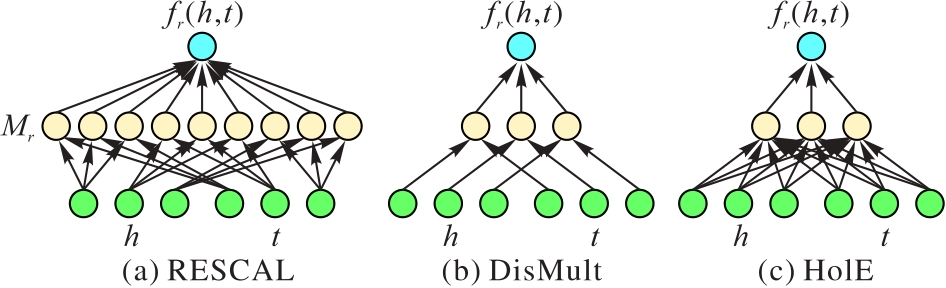
图11 RESCAL、DistMult和HolE模型的架构
Fig. 11 Architecture of RESCAL, DistMult, and HolE models
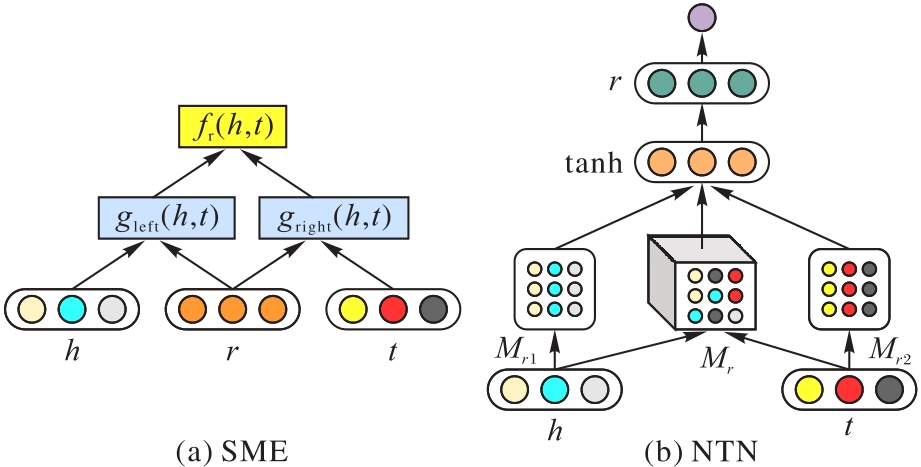
图12 SME和NTN模型的架构
Fig. 12 Architecture of SME and NTN models
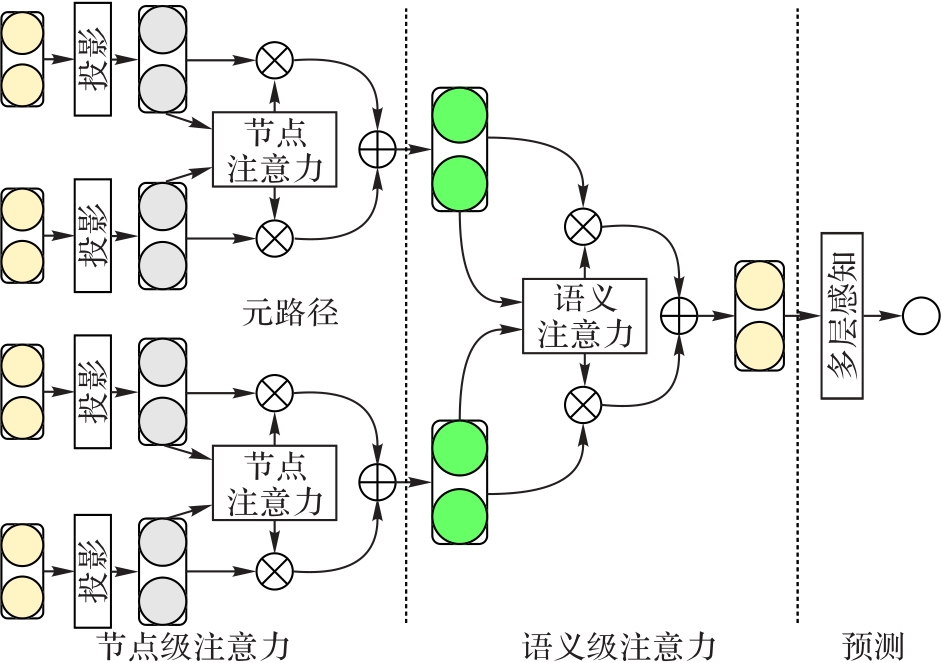
图13 HAN模型的框架
Fig. 13 Framework HAN model
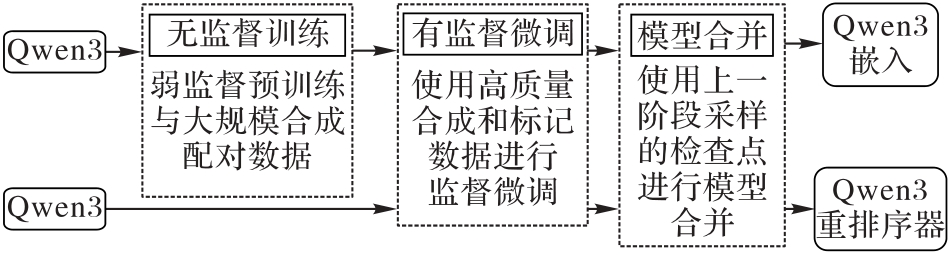
图14 Qwen3 Embedding的训练流程
Fig. 14 Training process of Qwen3 Embedding model
| 模型 | 参数规模/M | 上下文长度/103 | 向量维度 | 嵌套式表征学习 | 量化后内存占用(端侧) |
|---|---|---|---|---|---|
| Qwen3 Embedding | 600 | 32 | 1 024 | 支持嵌套式表征学习截断 | 数百MB级(取决于量化与实现) |
| EmbeddingGemma | 308 | 2 | 768 | 可截断512/256/128 | <200 MB RAM(量化/QAT) |
| 模型 | 推理延迟 | 生态与端侧工具 | MTEB Multilingual v2 | MTEB Englishv2 | MTEB-Code v1 |
| Qwen3 Embedding | 需较强本地算力,端侧延迟受硬件性能影响较大 | 通用Transformers生态良好,端侧需量化 | 64.33 | 70.70 | 75.41 |
| EmbeddingGemma | 端侧/NPU/EdgeTPU可达低毫秒级 | 已适配多款端侧与向量库工具 | 61.15 | 68.36 | 68.76 |
表1 Qwen3 Embedding与EmbeddingGemma性能对比
Tab. 1 Comparison of Qwen3 embedding and EmbeddingGemma
| 模型 | 参数规模/M | 上下文长度/103 | 向量维度 | 嵌套式表征学习 | 量化后内存占用(端侧) |
|---|---|---|---|---|---|
| Qwen3 Embedding | 600 | 32 | 1 024 | 支持嵌套式表征学习截断 | 数百MB级(取决于量化与实现) |
| EmbeddingGemma | 308 | 2 | 768 | 可截断512/256/128 | <200 MB RAM(量化/QAT) |
| 模型 | 推理延迟 | 生态与端侧工具 | MTEB Multilingual v2 | MTEB Englishv2 | MTEB-Code v1 |
| Qwen3 Embedding | 需较强本地算力,端侧延迟受硬件性能影响较大 | 通用Transformers生态良好,端侧需量化 | 64.33 | 70.70 | 75.41 |
| EmbeddingGemma | 端侧/NPU/EdgeTPU可达低毫秒级 | 已适配多款端侧与向量库工具 | 61.15 | 68.36 | 68.76 |
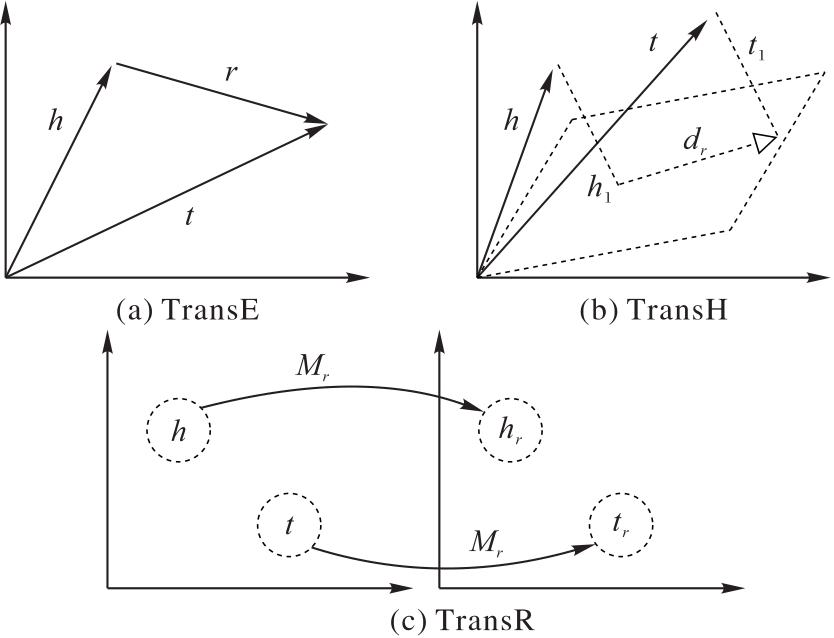
图15 TransE、TransH和TransR模型的架构
Fig. 15 Architectures of TransE, TransH, and TransR models
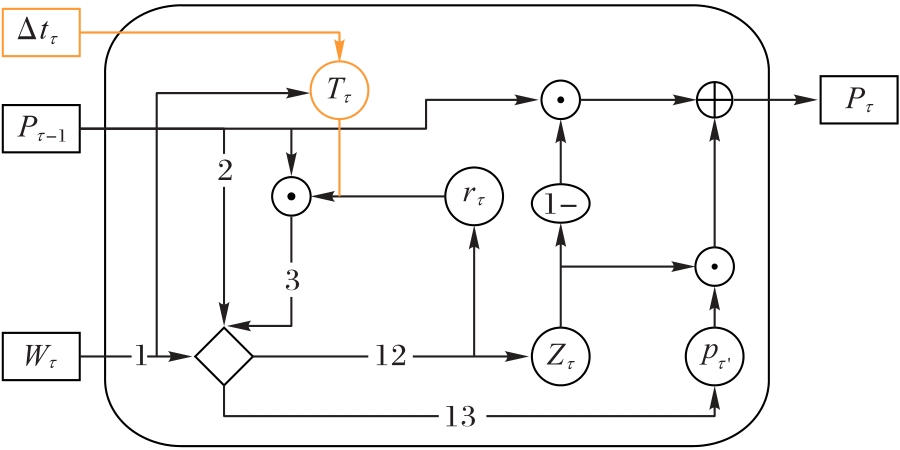
图16 GRU模型架构
Fig. 16 Architecture of GRU model
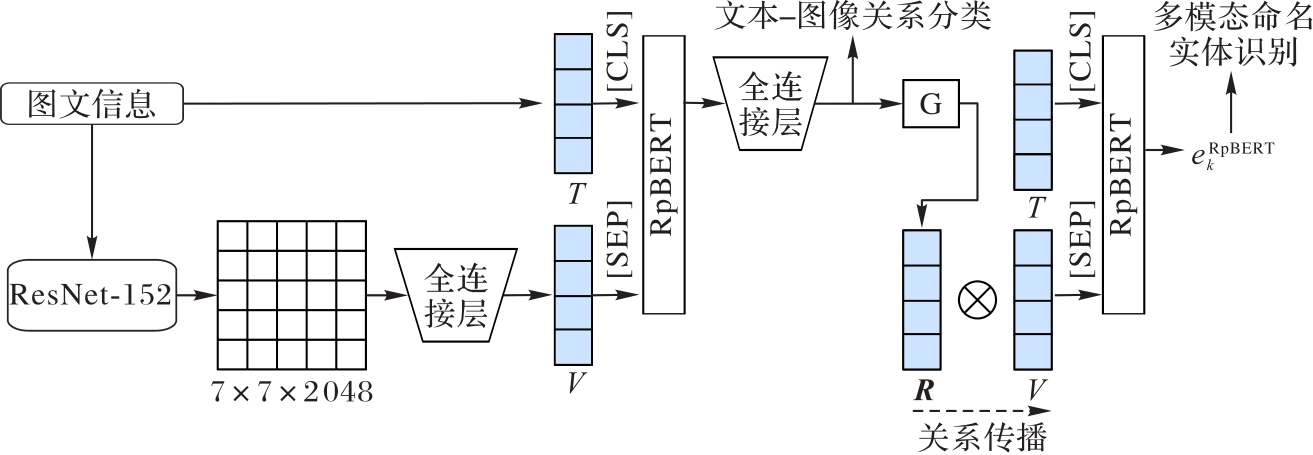
图17 RpBERT模型的架构
Fig. 17 Architecture of RpBERT model
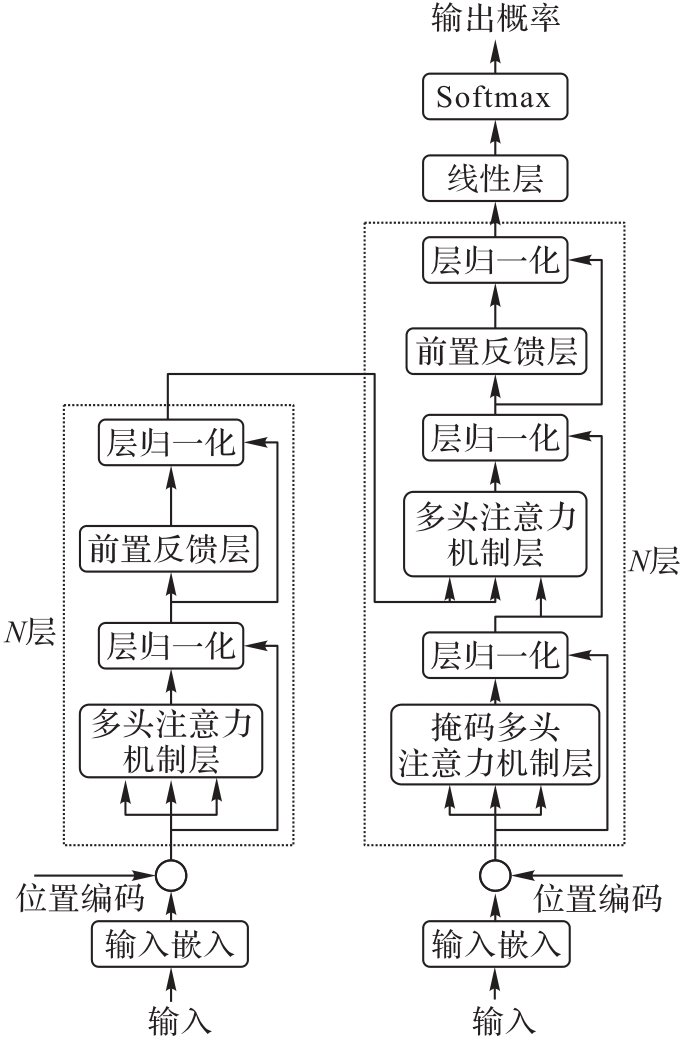
图18 Transformer模型的架构
Fig. 18 Architecture of Transformer model

图19 基于微调的大语言模型问答的流程
Fig. 19 Flow of FT-based LLM question answering
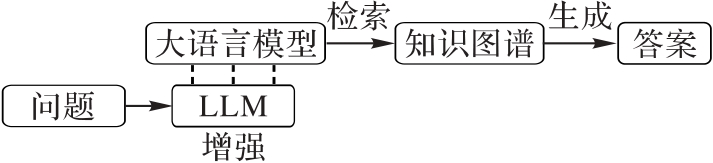
图20 基于RAG的大语言模型问答的流程
Fig. 20 Flow of RAG-based LLM question answering
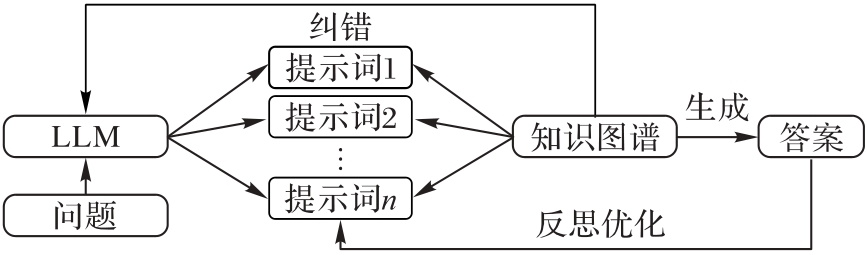
图21 基于提示工程的LLM问答的流程
Fig. 21 Flow of PE-based LLM question answering
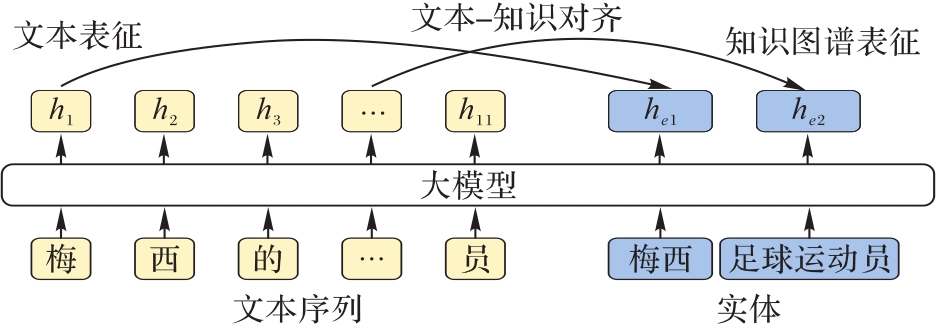
图22 知识图谱增强大语言模型的微调模型的架构
Fig. 22 Architecture of KG-enhanced LLM fine-tuning model
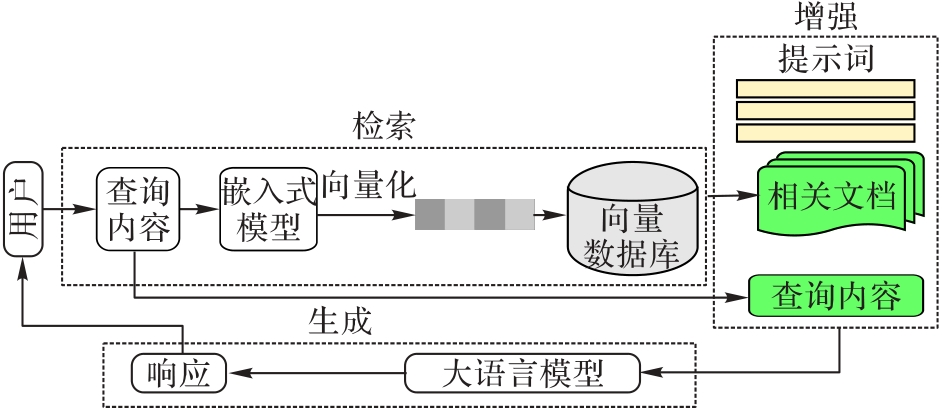
图23 RAG的流程
Fig. 23 Flow of RAG
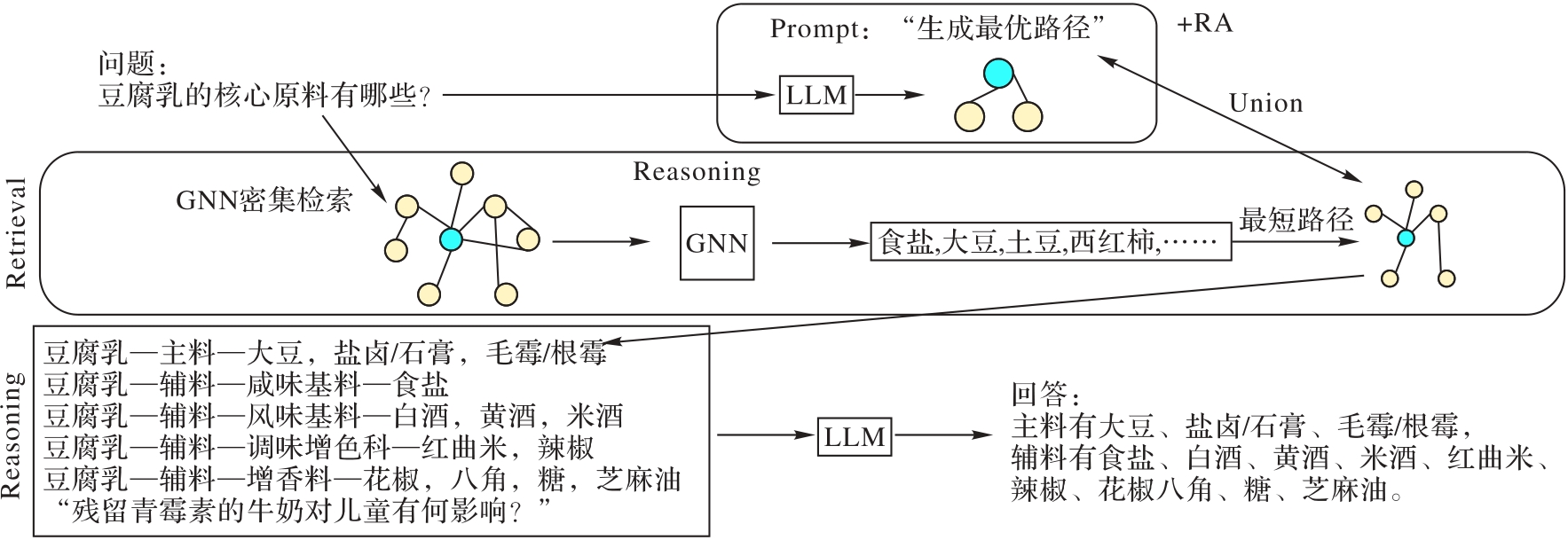
图24 GNN-RAG模型的架构
Fig. 24 Architecture of GNN-RAG model
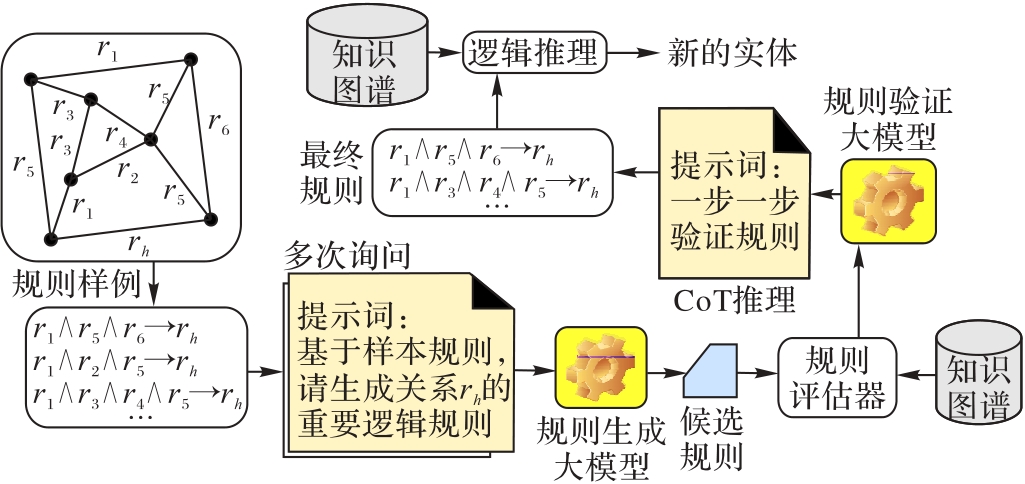
图25 ChatRule模型的架构
Fig. 25 Architecture of ChatRule model
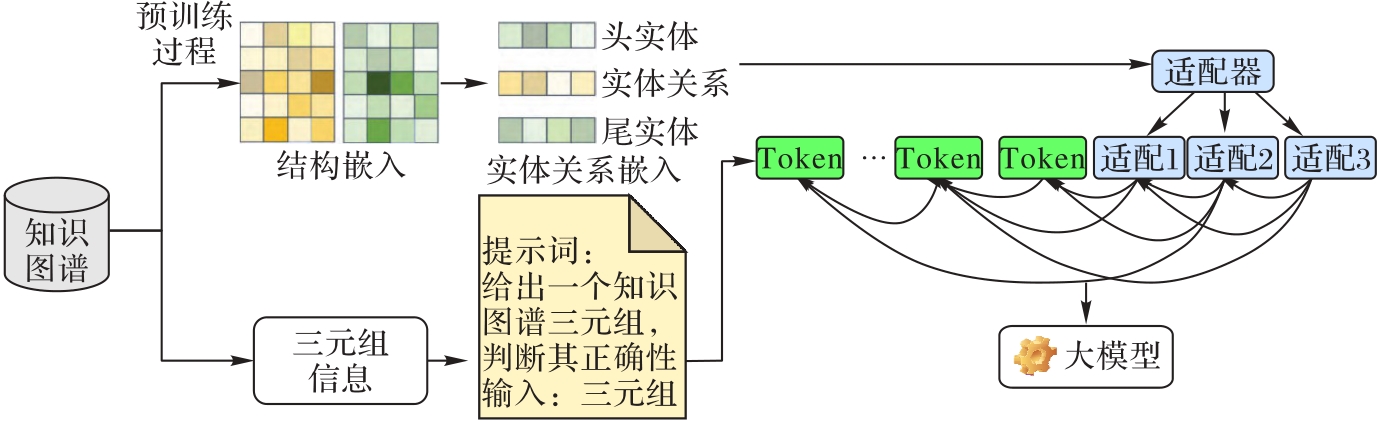
图26 KoPA模型的架构
Fig. 26 Architecture of KoPA model
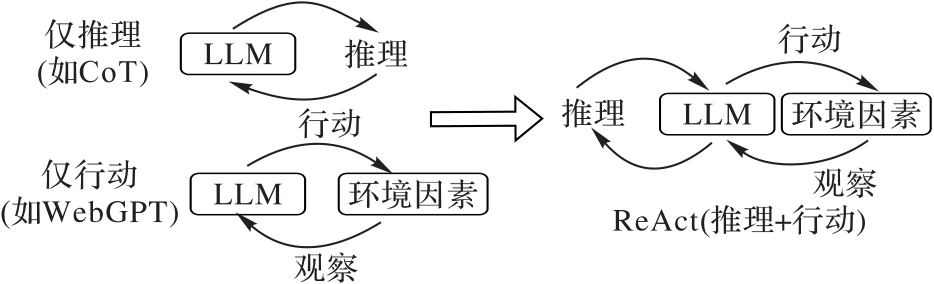
图27 ReAct模型的架构
Fig. 27 Architecture of ReAct model
| 方法 | 复杂问题 | 多跳推理 | 低资源环境 | 多语环境 | 优/缺点 | 应用场景 |
|---|---|---|---|---|---|---|
| 基于模板匹配方法 | 准确率低,覆盖度极低,扩展性极差 | 无需数据标注,泛化能力差 | 核心逻辑可复用;但无法真正实现语言泛化 | 需人工构建大量模板且难以复用,缺乏灵活性 | 封闭领域、问题模式固定的场景 | |
| 基于词典-文法的语义解析方法 | 规则设计复杂,语义歧义 | 具备组合推理能力,但放大语义歧义,设计复杂 | 无需数据标注,泛化能力差 | 核心逻辑可复用;但无法真正实现语言泛化 | 用极高的、持续的人力投入,换取在低数据环境下的冷启动能力和高精确性 | 高度结构化、领域特定的垂直问答系统;对可解释性和可控性有强制要求的场景 |
| 基于语义图的问句解析方法 | 结构表达能力强,利于处理组合语义,但依赖启发式规则,通用性低 | 可视化推理路径,利用图谱约束缩减搜索空间,但长路径推理能力受限 | 不依赖大量标注数据,可结合符号先验知识;但泛化能力低,弱监督学习困难 | 语义图结构可跨语言共享;但需为每种语言定制分析规则 | 在可解释性、处理复杂结构方面优势突出;但其依赖规则、成本高及泛化能力弱的缺点也十分明显 | 复杂但受限领域的深度问答;对可解释性有极高要求的领域 |
| 基于神经网络的方法 | 捕捉复杂语义与长距离依赖,人工设计成本低;但可解释性差,有事实幻觉与推理错误 | 可迁移学习与少样本学习,可利用弱监督信号;但依赖预训练模型 | 有强大的跨语言泛化能力,避免规则移植;但依赖多语言预训练数据,无法准确理解文化特定表达 | 是当前KBQA领域的强有力工具,在泛化能力和开发效率上优势明显;但其黑箱特性和数据依赖性也是不容忽视的挑战 | 智能问答系统与知识库查询;情感分析与舆情监控;信息检索与搜索引擎优化 | |
| 基于深度学习的方法 | 能有效建模问题中词语间的远距离依赖关系,理解复杂的组合语义;但可解释性差,有事实幻觉与推理错误 | 自动学习推理路径,能处理模糊和隐含关系;但推理过程不透明,对模型架构要求高 | 可迁移学习与少样本学习,可利用弱监督信号;但依赖预训练模型 | 有强大的跨语言泛化能力;但依赖多语言预训练数据,无法准确理解文化特定表达 | 在复杂语义理解、多跳推理和多语言处理方面展现出强大的潜力和灵活性;但其可解释性差、数据依赖性强及计算成本高的缺点也同样突出 | 智能客服与支持;开放域知识问答;内容摘要与信息检索;多模态领域;动态领域 |
| 基于微调 | 能学习复杂映射,性能上限高,可集成符号推理;但严重依赖高质量训练数据,可解释性差,计算成本高 | 效果显著优于零样本,可利用预训练知识;但性能严重受限,需数据增强与主动学习,易过拟合 | 单语言性能极致化,可实现跨语言迁移;但需为每种语言微调,成本线性增长,存在语言不平衡 | 在拥有充足、高质量的标注数据的前提下,它能够通过深度适配,在特定任务上达到非常出色的性能,尤其是在处理复杂语义和理解方面。 | 垂直领域的专业化问答系统;对企业内部知识库的深度集成;对输出格式与稳定性要求极高的场景 | |
| 基于RAG | 通过检索外部知识库提供事实依据,减少模型幻觉;但检索质量直接影响生成结果,复杂逻辑处理能力有限 | 利用KG显式建模实体关系,支持多步推理;但传统RAG难以自动串联多步信息 | 无需重新训练模型,更新知识库即可注入新知识;但高度依赖知识库质量,领域适应性不足 | 利用多语言预训练模型实现跨语言检索与生成;但语言间性能不平衡,文化特定表达处理难 | 通过将外部知识检索与LLM的强大生成能力相结合,有效弥补了纯LLM在事实准确性、知识更新速度和可解释性方面的不足 | 企业知识库与内部文档问答;专业领域问答;智能客服与技术支持;需要实时或动态信息的问答;开放域知识问答与教育辅助 |
| 基于提示工程 | 通过将复杂问题分解、反思评估优化,将推理过程纳入其中,从而获得更全面准确的答案;但存在幻觉与逻辑错误 | 显式定义推理路径,减少中间答案遗漏;但对模型推理能力要求高 | 无需标注数据与模型训练;但依赖模型预训练知识 | 利用多语言预训练模型,可注入特有文化语境;但模型各语种能力不均衡,设计与维护成本高 | 准确性和可解释性高,能够动态知识融合;但需要大量的训练数据,训练过程比较复杂,少样本和零样本是一个待解决的问题 | 低资源启动和快速原型开发;智能客服与支持;个性化推荐与内容生成;多模态交互与创意生成 |
表2 基于知识图谱的问答方法对比
Tab. 2 Comparison of knowledge graph-based question answering methods
| 方法 | 复杂问题 | 多跳推理 | 低资源环境 | 多语环境 | 优/缺点 | 应用场景 |
|---|---|---|---|---|---|---|
| 基于模板匹配方法 | 准确率低,覆盖度极低,扩展性极差 | 无需数据标注,泛化能力差 | 核心逻辑可复用;但无法真正实现语言泛化 | 需人工构建大量模板且难以复用,缺乏灵活性 | 封闭领域、问题模式固定的场景 | |
| 基于词典-文法的语义解析方法 | 规则设计复杂,语义歧义 | 具备组合推理能力,但放大语义歧义,设计复杂 | 无需数据标注,泛化能力差 | 核心逻辑可复用;但无法真正实现语言泛化 | 用极高的、持续的人力投入,换取在低数据环境下的冷启动能力和高精确性 | 高度结构化、领域特定的垂直问答系统;对可解释性和可控性有强制要求的场景 |
| 基于语义图的问句解析方法 | 结构表达能力强,利于处理组合语义,但依赖启发式规则,通用性低 | 可视化推理路径,利用图谱约束缩减搜索空间,但长路径推理能力受限 | 不依赖大量标注数据,可结合符号先验知识;但泛化能力低,弱监督学习困难 | 语义图结构可跨语言共享;但需为每种语言定制分析规则 | 在可解释性、处理复杂结构方面优势突出;但其依赖规则、成本高及泛化能力弱的缺点也十分明显 | 复杂但受限领域的深度问答;对可解释性有极高要求的领域 |
| 基于神经网络的方法 | 捕捉复杂语义与长距离依赖,人工设计成本低;但可解释性差,有事实幻觉与推理错误 | 可迁移学习与少样本学习,可利用弱监督信号;但依赖预训练模型 | 有强大的跨语言泛化能力,避免规则移植;但依赖多语言预训练数据,无法准确理解文化特定表达 | 是当前KBQA领域的强有力工具,在泛化能力和开发效率上优势明显;但其黑箱特性和数据依赖性也是不容忽视的挑战 | 智能问答系统与知识库查询;情感分析与舆情监控;信息检索与搜索引擎优化 | |
| 基于深度学习的方法 | 能有效建模问题中词语间的远距离依赖关系,理解复杂的组合语义;但可解释性差,有事实幻觉与推理错误 | 自动学习推理路径,能处理模糊和隐含关系;但推理过程不透明,对模型架构要求高 | 可迁移学习与少样本学习,可利用弱监督信号;但依赖预训练模型 | 有强大的跨语言泛化能力;但依赖多语言预训练数据,无法准确理解文化特定表达 | 在复杂语义理解、多跳推理和多语言处理方面展现出强大的潜力和灵活性;但其可解释性差、数据依赖性强及计算成本高的缺点也同样突出 | 智能客服与支持;开放域知识问答;内容摘要与信息检索;多模态领域;动态领域 |
| 基于微调 | 能学习复杂映射,性能上限高,可集成符号推理;但严重依赖高质量训练数据,可解释性差,计算成本高 | 效果显著优于零样本,可利用预训练知识;但性能严重受限,需数据增强与主动学习,易过拟合 | 单语言性能极致化,可实现跨语言迁移;但需为每种语言微调,成本线性增长,存在语言不平衡 | 在拥有充足、高质量的标注数据的前提下,它能够通过深度适配,在特定任务上达到非常出色的性能,尤其是在处理复杂语义和理解方面。 | 垂直领域的专业化问答系统;对企业内部知识库的深度集成;对输出格式与稳定性要求极高的场景 | |
| 基于RAG | 通过检索外部知识库提供事实依据,减少模型幻觉;但检索质量直接影响生成结果,复杂逻辑处理能力有限 | 利用KG显式建模实体关系,支持多步推理;但传统RAG难以自动串联多步信息 | 无需重新训练模型,更新知识库即可注入新知识;但高度依赖知识库质量,领域适应性不足 | 利用多语言预训练模型实现跨语言检索与生成;但语言间性能不平衡,文化特定表达处理难 | 通过将外部知识检索与LLM的强大生成能力相结合,有效弥补了纯LLM在事实准确性、知识更新速度和可解释性方面的不足 | 企业知识库与内部文档问答;专业领域问答;智能客服与技术支持;需要实时或动态信息的问答;开放域知识问答与教育辅助 |
| 基于提示工程 | 通过将复杂问题分解、反思评估优化,将推理过程纳入其中,从而获得更全面准确的答案;但存在幻觉与逻辑错误 | 显式定义推理路径,减少中间答案遗漏;但对模型推理能力要求高 | 无需标注数据与模型训练;但依赖模型预训练知识 | 利用多语言预训练模型,可注入特有文化语境;但模型各语种能力不均衡,设计与维护成本高 | 准确性和可解释性高,能够动态知识融合;但需要大量的训练数据,训练过程比较复杂,少样本和零样本是一个待解决的问题 | 低资源启动和快速原型开发;智能客服与支持;个性化推荐与内容生成;多模态交互与创意生成 |
| 数据集 | 分类 | 作者 | 年份 |
|---|---|---|---|
| WebQuestions | 通用领域 | Berant等 | 2013 |
| SimpleQuestions | 通用领域 | Goel等 | 2020 |
| LC-QuAD | 通用领域 | Trivedi等 | 2017 |
| CSQA | 通用领域 | Saha等 | 2018 |
| MedQA | 特定领域 | Jin等 | 2021 |
| TempQuestions | 时序图谱 | Jia等 | 2018 |
| MMQA | 多模态 | Talmor等 | 2021 |
| FortisAVQA | 多模态 | Ma等 | 2025 |
表3 知识图谱问答数据集
Tab. 3 Knowledge graph question answering datasets
| 数据集 | 分类 | 作者 | 年份 |
|---|---|---|---|
| WebQuestions | 通用领域 | Berant等 | 2013 |
| SimpleQuestions | 通用领域 | Goel等 | 2020 |
| LC-QuAD | 通用领域 | Trivedi等 | 2017 |
| CSQA | 通用领域 | Saha等 | 2018 |
| MedQA | 特定领域 | Jin等 | 2021 |
| TempQuestions | 时序图谱 | Jia等 | 2018 |
| MMQA | 多模态 | Talmor等 | 2021 |
| FortisAVQA | 多模态 | Ma等 | 2025 |
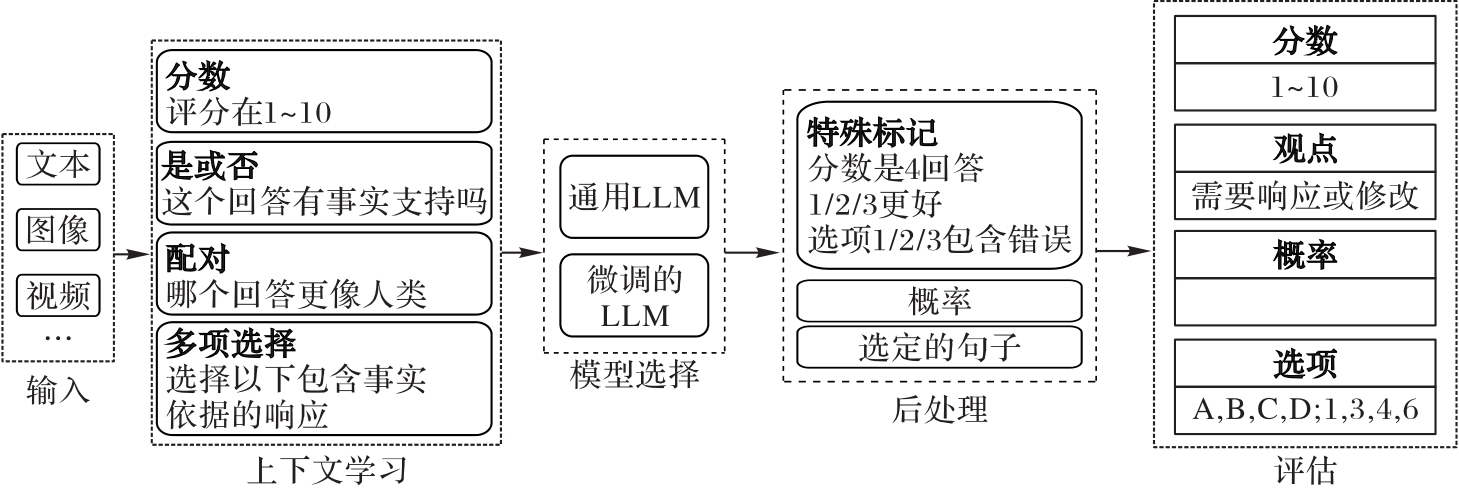
图28 LLM-as-a-Judge的流程
Fig. 28 Flowchart of LLM-as-a-Judge
| [1] | 王智悦,于清,王楠,等. 基于知识图谱的智能问答研究综述[J]. 计算机工程与应用, 2020, 56(23): 1-11. |
| Wang Zhiyue, Yu Qing, Wang Nan, et al. Survey of intelligent question answering research based on knowledge graph[J]. Computer Engineering and Applications, 2020, 56(23): 1-11. | |
| [2] | Miller G A. WordNet: a lexical database for English[J]. Communications of the ACM, 1995, 38(11): 39-41. |
| [3] | Bollacker K D, Evans C, Paritosh P, et al. Freebase: a collaboratively created graph database for structuring human knowledge[C]// SIGMOD 2008. New York: ACM, 2008: 1247-1250. |
| [4] | Singhal A. Introducing the knowledge graph: things, not strings[EB/OL]. (2012-05-16) [2025-06-13].. |
| [5] | Ouillian M R. Semantic memory[M]// Ouillian M R, Smith E E. Readings in cognitive science: a perspective from psychology and artificial intelligence. San Mateo, CA: Morgan Kaufmann Publishers Inc., 1988: 80-101. |
| [6] | Kocak O. A systematic literature review of web-based student response systems: advantages and challenges[J]. Education and Information Technologies, 2022, 27(2): 2771-2805. |
| [7] | Zaib M, Zhang W E, Sheng Q Z, et al. Conversational question answering: a survey[J]. Knowledge and Information Systems, 2022, 64(12): 3151-3195. |
| [8] | 钱慎一,付博文,李代祎,等. 面向知识图谱的问答技术研究综述[J]. 计算机工程与应用, 2025, 61(23): 1-23. |
| Qian Shenyi, Fu Bowen, Li Daiyi, et al. Review of question answering techniques for knowledge graph[J]. Computer Engineering and Applications, 2025, 61(23): 1-23. | |
| [9] | Tunstall-Pedoe W. True knowledge: open-domain question answering using structured knowledge and inference[J]. AI Magazine, 2010, 31(3): 80-92. |
| [10] | Unger C, Buhmann L, Lehmann J, et al. Template-based question answering over RDF data[C]// WWW 2012. New York: ACM, 2012: 639-648. |
| [11] | Cui W, Xiao Y, Wang W. KBA: an online template based question answering system over freebase[C]// IJCAI 2016. Palo Alto: AAAI Press, 2016: 4240-4241. |
| [12] | Devlin J, Chang M W, Lee K, et al. BERT: pre-training of deep bidirectional Transformers for language understanding[C]// NAACL-HLT 2019, Volume 1 (Long and Short Papers). Stroudsburg: ACL, 2019: 4171-4186. |
| [13] | Liu A, Huang Z, Lu H, et al. BBKBQA: BERT-based knowledge base question answering[C]// CCL 2019, LNCS 11856. Cham: Springer, 2019: 81-92. |
| [14] | Berant J, Chou A, Frostig R, et al. Semantic parsing on freebase from question-answer pairs[C]// EMNLP 2013. Stroudsburg: ACL, 2013: 1533-1544. |
| [15] | Steedman M. Surface structure and interpretation[J]. Linguistic Inquiry Monographs, 1996, 43(3): 271-276. |
| [16] | Zettlemoyer L S, Collins M. Learning to map sentences to logical form: structured classification with probabilistic categorial grammars[C]// UAI 2005. Arlington, VA: AUAI Press, 2005: 658-666. |
| [17] | Kwiatkowski T, Zettlemoyer L, Goldwater S, et al. Lexical generalization in CCG grammar induction for semantic parsing[C]// EMNLP 2011. Stroudsburg: ACL, 2011: 1512-1523. |
| [18] | Li J, Zhu M, Lu W, et al. Improving semantic parsing with enriched synchronous context-free grammar[C]// EMNLP 2015. Stroudsburg: ACL, 2015: 1455-1465. |
| [19] | Yih W T, Chang M W, He X, et al. Semantic parsing via staged query graph generation: question answering with knowledge base[C]// ACL-IJCNLP 2015 (Volume 1: Long Papers). Stroudsburg: ACL, 2015: 1321-1331. |
| [20] | Bao J, Duan N, Yan Z, et al. Constraint-based question answering with knowledge graph[C]// COLING 2016: Technical Papers. [S.l.]: COLING 2016 Organizing Committee, 2016: 2503-2514. |
| [21] | Yu M, Yin W, Hasan K S, et al. Improved neural relation detection for knowledge base question answering[C]// ACL 2017 (Volume 1: Long Papers). Stroudsburg: ACL, 2017: 571-581. |
| [22] | Chen B, Sun L, Han X. Sequence-to-Action: end-to-end semantic graph generation for semantic parsing[C]// ACL 2018 (Volume 1: Long Papers). Stroudsburg: ACL, 2018: 766-777. |
| [23] | Lan Y, Jiang J. Query graph generation for answering multi-hop complex questions from knowledge bases[C]// ACL 2020. Stroudsburg: ACL, 2020: 969-974. |
| [24] | Hinton G E, Salakhutdinov R R. Reducing the dimensionality of data with neural networks[J]. Science, 2006, 313(5786): 504-507. |
| [25] | Dong L, Lapata M. Language to logical form with neural attention[C]// ACL 2016 (Volume 1: Long Papers) . Stroudsburg: ACL, 2016: 33-43. |
| [26] | Jia R, Liang P. Data recombination for neural semantic parsing[C]// ACL 2016 (Volume 1: Long Papers) . Stroudsburg: ACL, 2016: 12-22. |
| [27] | Krishnamurthy J, Dasigi P, Gardner M. Neural semantic parsing with type constraints for semi-structured tables[C]// EMNLP 2017. Stroudsburg: ACL, 2017: 1516-1526. |
| [28] | Dong L, Lapata M. Coarse-to-fine decoding for neural semantic parsing[C]// ACL 2018 (Volume 1: Long Papers). Stroudsburg: ACL, 2018: 731-742. |
| [29] | Chen Y, Wu L, Zaki M J. Bidirectional attentive memory networks for question answering over knowledge bases[C]// NAACL HLT 2019, Volume 1 (Long and Short Papers). Stroudsburg: ACL, 2019: 2913-2923. |
| [30] | Bordes A, Chopra S, Weston J. Question answering with 65 subgraph embeddings[C]// EMNLP 2014. Stroudsburg: ACL, 2014: 615-620. |
| [31] | Dong L, Wei F R, Zhou M, et al. Question answering over freebase with multi-column convolutional neural networks[C]// ACL-IJCNLP 2015. Stroudsburg: ACL, 2015: 260-269. |
| [32] | Zhang Y, Liu K, He S, et al. Question answering over knowledge base with neural attention combining global knowledge information[PP/OL]. V1. arXiv (2016-06-03) [2025-06-13].. |
| [33] | Hao Y, Zhang Y, Liu K, et al. An end-to-end model for question answering over knowledge base with cross attention combining global knowledge[C]// ACL 2017 (Volume 1: Long Papers). Stroudsburg: ACL, 2017: 221-231. |
| [34] | Qu Y, Liu J, Kang L, et al. Question answering over freebase via attentive RNN with similarity matrix based CNN[PP/OL]. V2. arXiv (2018-04-28) [2025-06-13].. |
| [35] | Shi J, Cao S, Hou L, et al. TransferNet: an effective and transparent framework for multi-hop question answering over relation graph[C]// EMNLP 2021. Stroudsburg: ACL, 2021: 4149-4158. |
| [36] | 马恒志,钱育蓉,冷洪勇,等. 知识图谱嵌入研究进展综述[J]. 计算机工程, 2025, 51(2): 18-34. |
| Ma Hengzhi, Qian Yurong, Leng Hongyong, et al. Review of research progress on knowledge graph embedding[J]. Computer Engineering, 2025, 51(2): 18-34. | |
| [37] | Nickel M, Tresp V, Kriegel H P. A three-way model for collective learning on multi-relational data[C]// ICML 2011. Madison, WI: Omnipress, 2011: 809-816. |
| [38] | Yang B, Yih W T, He X, et al. Embedding entities and relations for learning and inference in knowledge bases[PP/OL]. V4. arXiv (2015-08-29) [2025-06-13].. |
| [39] | Nickel M, Rosasco L, Poggio T. Holographic embeddings of knowledge graphs[J]. Proceedings of the AAAI Conference on Artificial Intelligence, 2016, 30(1): 1955-1961. |
| [40] | Bordes A, Glorot X, Weston J, et al. A semantic matching energy function for learning with multi-relational data[J]. Machine Learning, 2014, 94(2): 233-259. |
| [41] | Socher R, Chen D Q, Manning C D, et al. Reasoning with neural tensor networks for knowledge base completion[C]// NeurIPS 2013. Red Hook: Curran Associates Inc., 2013: 926-934. |
| [42] | Wang X, Ji H, Shi C,et al.Heterogeneous graph attention network[C]// WWW 2019. New York: ACM, 2019:2022-2032. |
| [43] | Xu H, Bao J, Liu W. Double-branch multi-attention based graph neural network for knowledge graph completion[C]// ACL 2023 (Volume 1: Long Papers). Stroudsburg: ACL, 2023: 15257-15271. |
| [44] | Zhang Y, Li M, Long D, et al. Qwen3 embedding: advancing text embedding and reranking through foundation models[PP/OL]. V3. arXiv (2025-02-09) [2025-06-13].. |
| [45] | Vera H S, Dua S, Zhang B, et al. EmbeddingGemma: lightweight, efficient and powerful text embeddings[PP/OL]. V3. arXiv (2025-11-01) [2025-12-13].. |
| [46] | Bordes A, Usunier N, Garcia-Durán A, et al. Translating embeddings for modeling multi-relational data[C]// NeurIPS 2013. Red Hook: Curran Associates Inc., 2013: 2787-2795. |
| [47] | Wang Z, Zhang J, Feng J, et al. Knowledge graph embedding by translating on hyperplanes[J]. Proceedings of the AAAI Conference on Artificial Intelligence, 2014, 28(1): 1112-1119. |
| [48] | Lin Y, Liu Z, Sun M, et al. Learning entity and relation embeddings for knowledge graph completion[J]. Proceedings of the AAAI Conference on Artificial Intelligence, 2015, 29(1): 2181-2187. |
| [49] | Jiang T, Liu T, Ge T, et al. Encoding temporal information for time-aware link prediction[C]// EMNLP 2016. Stroudsburg: ACL, 2016: 2350-2354. |
| [50] | Tang X, Yuan R, Li Q, et al. Timespan-aware dynamic knowledge graph embedding by incorporating temporal evolution[J]. IEEE Access, 2020, 8: 6849-6860. |
| [51] | 张天成,田雪,孙相会,等. 知识图谱嵌入技术研究综述[J]. 软件学报, 2023, 34(1): 277-311. |
| Zhang Tiancheng, Tian Xue, Sun Xianghui, et al. Overview on knowledge graph embedding technology research[J]. Journal of Software, 2023, 34(1): 277-311. | |
| [52] | Sun L, Wang J, Zhang K, et al. RpBERT: a text-image relation propagation-based BERT model for multimodal NER[J]. Proceedings of the AAAI Conference on Artificial Intelligence, 2021, 35(15): 13860-13868. |
| [53] | Vaswani A, Shazeer N, Parmar N, et al. Attention is all you need[C]// NeurIPS 2017. Red Hook: Curran Associates Inc., 2017: 6000-6010. |
| [54] | Xu X, Li M, Tao C, et al. A survey on knowledge distillation of large language models[PP/OL]. V4. arXiv (2024-10-21) [2025-06-13].. |
| [55] | Mao Y, Ge Y, Fan Y, et al. A survey on LoRA of large language models[J]. Frontiers of Computer Science, 2025, 19(7): No.197605. |
| [56] | Luo H, E H, Tang Z, et al. ChatKBQA: a generate-then-retrieve framework for knowledge base question answering with fine-tuned large language models[C]// Findings of ACL: ACL 2024. Stroudsburg: ACL, 2024: 2039-2056. |
| [57] | Li Z, Deng L, Liu H, et al. UniOQA: a unified framework for knowledge graph question answering with large language models[PP/OL]. V1. arXiv (2024-06-04) [2025-06-13].. |
| [58] | Dong Z, Peng B, Wang Y, et al. EffiQA: efficient question-answering with strategic multi-model collaboration on knowledge graphs[C]// COLING 2025. Stroudsburg: ACL, 2025: 7180-7194. |
| [59] | Zhang Z, Wen L, Zhao W. Rule-KBQA: rule-guided reasoning for complex knowledge base question answering with large language models[C]// COLING 2025. Stroudsburg: ACL, 2025: 8399-8417. |
| [60] | Shen T, Wang J, Zhang X, et al. Reasoning with trees: faithful question answering over knowledge graph[C]// COLING 2025. Stroudsburg: ACL, 2025: 3138-3157. |
| [61] | Jiang L, Huang J, Möller C, et al. Ontology-guided, hybrid prompt learning for generalization in knowledge graph question answering[PP/OL]. V1. arXiv (2025-02-06) [2025-06-13].. |
| [62] | Mavromatis C, Karypis G. GNN-RAG: graph neural retrieval for large language model reasoning[C]// Findings of ACL: ACL 2025. Stroudsburg: ACL, 2025: 16682-16699. |
| [63] | Zhang L, Zhang J, Wang Y, et al. FC-KBQA: a fine-to-coarse composition framework for knowledge base question answering[C]// ACL 2023 (Volume 1: Long Papers). Stroudsburg: ACL, 2023: 1002-1017. |
| [64] | Gao Z, Cao Y, Wang H, et al. FRAG: a flexible modular framework for retrieval-augmented generation based on knowledge graphs[C]// Findings of ACL: ACL 2025. Stroudsburg: ACL, 2025: 6178-6192. |
| [65] | Zeng Z, Cheng Q, Hu X, et al. KoSEL: knowledge subgraph enhanced large language model for medical question answering[J]. Knowledge-Based Systems, 2025, 309: No.112837. |
| [66] | Jeong S, Baek J, Cho S, et al. Adaptive-RAG: learning to adapt retrieval-augmented large language models through question complexity[C]// NAACL-HLT 2024. Stroudsburg: ACL, 2024: 7036-7050. |
| [67] | Patel H N, Surti A, Goel P, et al. A comparative analysis of large language models with retrieval-augmented generation based question answering system[C]// I-SMAC 2024. Piscataway: IEEE, 2024: 792-798. |
| [68] | Muludi K, Fitria K M, Triloka J. Retrieval-augmented generation approach: document question answering using large language model[J]. International Journal of Advanced Computer Science and Applications, 2024, 15(3): 776-785. |
| [69] | Sun Q, Li S, Huynh D, et al. TimelineKGQA: a comprehensive question-answer pair generator for temporal knowledge graphs[C]// WWW 2025. New York: ACM, 2025: 797-800. |
| [70] | Wei J, Wang X, Schuurmans D, et al. Chain-of thought prompting elicits reasoning in large language models[C]// NeurIPS 2022. Red Hook: Curran Associates Inc., 2022: 24824-24837. |
| [71] | Yao S, Yu D, Zhao J, et al. Tree of thoughts: deliberate problem solving with large language models[C]// NeurIPS 2023. Red Hook: Curran Associates Inc., 2023: 11809-11822. |
| [72] | Bordes A, Usunier N, Chopra S, et al. Large-scale simple question answering with memory networks[PP/OL]. V1. arXiv (2015-06-05) [2025-06-13].. |
| [73] | Luo L, Ju J, Xiong B, et al. ChatRule: mining logical rules with large language models for knowledge graph reasoning[C]// PAKDD 2025, LNCS 15871. Cham: Springer, 2025: 314-325. |
| [74] | Zhang Y, Chen Z, Guo L, et al. Making large language models perform better in knowledge graph completion[C]// MM 2024. New York: ACM, 2024: 233-242. |
| [75] | Shah M, Cahoon J, Milletari M, et al. Improving LLM-based KGQA for multi-hop Question Answering with implicit reasoning in few-shot examples[C]// KaLLM 2024. Stroudsburg: ACL, 2024: 125-135. |
| [76] | Baek J, Aji A F, Saffari A. Knowledge-augmented language model prompting for zero-shot knowledge graph question answering[C]// NLRSE 2023. Stroudsburg: ACL, 2023: 78-106. |
| [77] | Maharjan J, Garikipati A, Singh N P, et al. OpenMedLM: prompt engineering can out-perform fine-tuning in medical question-answering with open-source large language models[J]. Scientific Reports, 2024, 14: No.14156. |
| [78] | Liu J, Han X, Deng C, et al. Improving self-consistency for open-domain question answering via automatic prompt engineering and ensemble learning[C]// NLPCC 2024, LNCS 15360. Singapore: Springer, 2025: 359-371. |
| [79] | Yao S, Zhao J, Yu D, et al. ReAct: synergizing reasoning and acting in language models[PP/OL]. V3. arXiv (2023-03-10) [2025-06-13].. |
| [80] | Wang L, Xu W, Lan Y, et al. Plan-and-Solve prompting: improving zero-shot chain-of-thought reasoning by large language models[C]// ACL 2023 (Volume 1: Long Papers). Stroudsburg: ACL, 2023: 2609-2634. |
| [81] | Goel R, Kazemi S M, Brubaker M, et al. Diachronic embedding for temporal knowledge graph completion[J]. Proceedings of the AAAI Conference on Artificial Intelligence, 2020, 34(4): 3988-3995. |
| [82] | Trivedi P, Maheshwari G, Dubey M, et al. LC-QuAD: a corpus for complex question answering over knowledge graphs[C]// ISWC 2017, LNCS 10588. Cham: Springer, 2017: 210-218. |
| [83] | Saha A, Pahuja V, Khapra M M, et al. Complex sequential question answering: towards learning to converse overlinked question answer pairs with a knowledge graph[J]. Proceedings of the AAAI Conference on Artificial Intelligence, 2018, 32(1): 705-713. |
| [84] | Jin D, Pan E, Oufattole N, et al. What disease does this patient have a large-scale open domain question answering dataset from medical exams[J]. Applied Sciences, 2021, 11(14): No.6421. |
| [85] | Jia Z, Abujabal A, Saha Roy R, et al. Temp questions: a benchmark for temporal question answering[C]// WWW 2018. Republic and Canton of Geneva: International World Wide Web Conferences Steering Committee, 2018: 1057-1062. |
| [86] | Talmor A, Yoran O, Catav A, et al. MultiModalQA: complex question answering over text, tables and images[PP/OL]. V1. arXiv (2021-04-13) [2025-06-13].. |
| [87] | Ma J, Gao Z, Chai Q, et al. FortisAVQA and MAVEN: a benchmark dataset and debiasing framework for robust multimodal reasoning[PP/OL]. V1. arXiv (2025-04-02) [2025-06-13].. |
| [88] | 任海玉,刘建平,王健,等. 基于大语言模型的智能问答系统研究综述[J]. 计算机工程与应用, 2025, 61(7): 1-24. |
| Ren Haiyu, Liu Jianping, Wang Jian, et al. Research on intelligent question answering system based on large language model[J]. Computer Engineering and Applications, 2025, 61(7): 1-24. |
| [1] | 王岩, 陈曦, 赵中恺, 周欢, 吴涛, 艾梦格, 肖雪松. 相似度感知的民族文化知识图谱链路预测模型[J]. 《计算机应用》唯一官方网站, 2026, 46(8): 2447-2456. |
| [2] | 郭晓金, 隋旭洋, 周柯男. 基于深度学习的STAR⁃RIS辅助混合场通信系统信道估计[J]. 《计算机应用》唯一官方网站, 2026, 46(8): 2548-2554. |
| [3] | 陈鹏宇, 田保军, 赵利畅, 房建东. 融合多行为建模与强化学习的学习路径推荐模型[J]. 《计算机应用》唯一官方网站, 2026, 46(8): 2485-2493. |
| [4] | 张悦, 郭羽含. 大语言模型驱动的语义量化网约车时空需求预测方法[J]. 《计算机应用》唯一官方网站, 2026, 46(8): 2467-2476. |
| [5] | 刘明, 沈东奇, 孟子洋. 双分支结构下多层次特征融合的点云配准网络[J]. 《计算机应用》唯一官方网站, 2026, 46(8): 2584-2593. |
| [6] | 刘威, 李维刚, 田志强. 面向点云分类与分割的层次化旋转不变几何结构的表征学习方法[J]. 《计算机应用》唯一官方网站, 2026, 46(8): 2594-2602. |
| [7] | 程雅典, 李颖颖, 张平, 邱芳冰, 柴晓楠, 舒玉巧. 基于双角色交互机制的心理健康大语言模型[J]. 《计算机应用》唯一官方网站, 2026, 46(7): 2054-2063. |
| [8] | 刘晶, 赵邵泽, 刘鑫刚, 牛浩哲, 季海鹏. 跨工况下基于改进CGAN的钛合金显微组织数据生成方法[J]. 《计算机应用》唯一官方网站, 2026, 46(7): 2373-2382. |
| [9] | 刘晶, 吕凤凤, 牛巍, 季海鹏, 吴健, 张啸. 基于动态知识嵌入的轴承寿命预测方法[J]. 《计算机应用》唯一官方网站, 2026, 46(7): 2347-2354. |
| [10] | 侯迪迪, 洪少东, 付玉杰, 崔允贺, 申国伟. 基于大语言模型链接的网络安全实体识别方法[J]. 《计算机应用》唯一官方网站, 2026, 46(7): 2064-2073. |
| [11] | 王昱麒, 张仰森, 王璞. 融合知识增强和对比学习的高中英语阅读理解模型[J]. 《计算机应用》唯一官方网站, 2026, 46(7): 2096-2103. |
| [12] | 凌妙根, 井瑞, 方巍. 可解释性深度学习在热带气旋预报中的应用研究综述[J]. 《计算机应用》唯一官方网站, 2026, 46(7): 2318-2326. |
| [13] | 李佳航, 韩启龙, 李丽洁, 张慧. 基于大语言模型的超关系知识图谱限定符增强方法[J]. 《计算机应用》唯一官方网站, 2026, 46(7): 2043-2053. |
| [14] | 武湘怡, 叶海良, 曹飞龙. 基于平滑-锐化图卷积的点云补全方法[J]. 《计算机应用》唯一官方网站, 2026, 46(7): 2267-2276. |
| [15] | 杜秀丽, 高星, 张校毓, 潘成胜, 邹启杰. 基于密集时空可变形注意力的视频快照压缩成像重建方法[J]. 《计算机应用》唯一官方网站, 2026, 46(7): 2288-2296. |
| 阅读次数 | ||||||
|
全文 |
|
|||||
|
摘要 |
|
|||||
