


Journal of Computer Applications ›› 2026, Vol. 46 ›› Issue (11): 3731-3740.DOI: 10.11772/j.issn.1001-9081.2025101214
• Frontier and comprehensive applications • Previous Articles
Yuxuan LI1, Wen PENG1( ), Wenxu ZHANG1,2
Received:2025-10-16
Revised:2026-01-13
Accepted:2026-01-15
Online:2026-01-22
Published:2026-11-10
Contact:
Wen PENG
About author:LI Yuxuan, born in 2000, M. S. candidate. Her research interests include medical image processing, artificial intelligence.
李昱萱1, 彭文1(), 张文旭1,2
通讯作者:
彭文
作者简介:李昱萱(2000—),女,山东德州人,硕士研究生,主要研究方向:医学图像处理、人工智能CLC Number:
Yuxuan LI, Wen PENG, Wenxu ZHANG. GMF-Net: Alzheimer's disease classification method based on cross-modal generation and multimodal fusion[J]. Journal of Computer Applications, 2026, 46(11): 3731-3740.
李昱萱, 彭文, 张文旭. 跨模态生成与多模态融合的阿尔茨海默病分类方法GMF-Net[J]. 《计算机应用》唯一官方网站, 2026, 46(11): 3731-3740.
Add to citation manager EndNote|Ris|BibTeX
URL: https://www.joca.cn/EN/10.11772/j.issn.1001-9081.2025101214

Fig. 1 Structure of GMF-Net
| 序号 | 不同病程间的连接性减弱程度 | ||
|---|---|---|---|
| NC/AD | NC/MCI | MCI/AD | |
| 1 | (73,75) | (73,75) | (40,42) |
| 2 | (74,76) | (74,76) | (15,9) |
| 3 | (40,42) | (40,38) | (51,53) |
| 4 | (38,78) | (68,36) | (83,41) |
| 5 | (40,38) | (81,79) | (24,32) |
| 6 | (51,53) | (74,30) | (13,11) |
| 7 | (37,77) | (39,37) | (16,10) |
| 8 | (18,80) | (37,77) | (83,87) |
| 9 | (39,41) | (34,20) | (38,78) |
| 10 | (74,30) | (30,18) | (5,9) |
Tab. 1 Ten brain region connection identifiers with greatest degree of weakened connectivity
| 序号 | 不同病程间的连接性减弱程度 | ||
|---|---|---|---|
| NC/AD | NC/MCI | MCI/AD | |
| 1 | (73,75) | (73,75) | (40,42) |
| 2 | (74,76) | (74,76) | (15,9) |
| 3 | (40,42) | (40,38) | (51,53) |
| 4 | (38,78) | (68,36) | (83,41) |
| 5 | (40,38) | (81,79) | (24,32) |
| 6 | (51,53) | (74,30) | (13,11) |
| 7 | (37,77) | (39,37) | (16,10) |
| 8 | (18,80) | (37,77) | (83,87) |
| 9 | (39,41) | (34,20) | (38,78) |
| 10 | (74,30) | (30,18) | (5,9) |
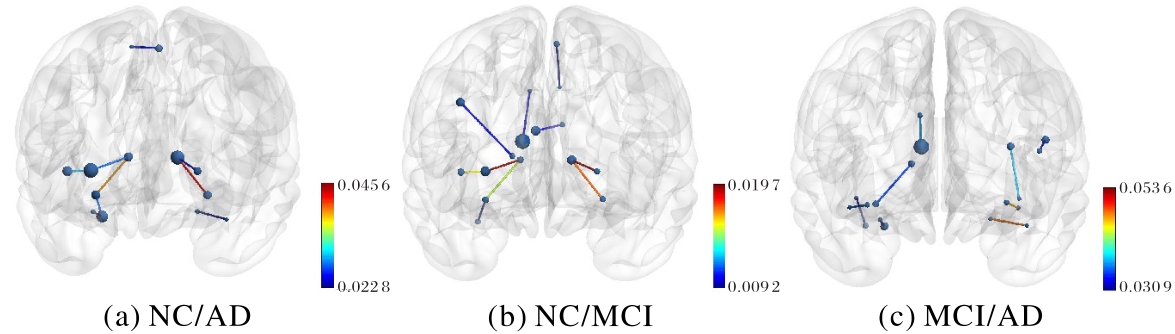
Fig. 2 Ten connections with greatest degree of weakened connectivity
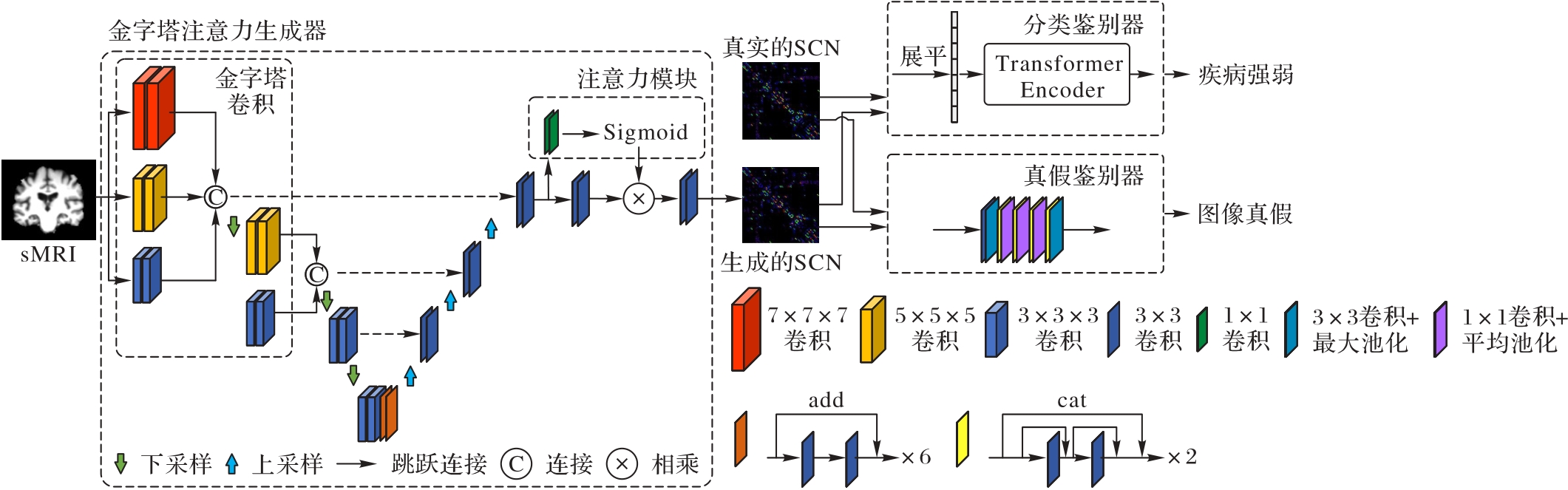
Fig. 3 Structure of cross-modal generation module
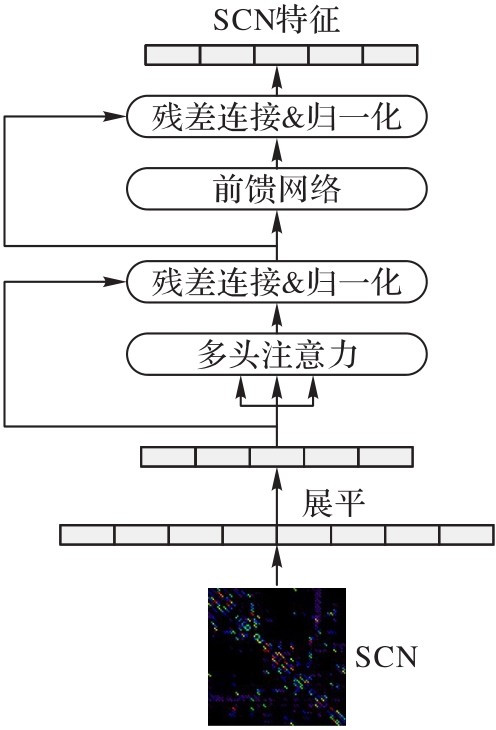
Fig. 4 Structure of Transformer Encoder
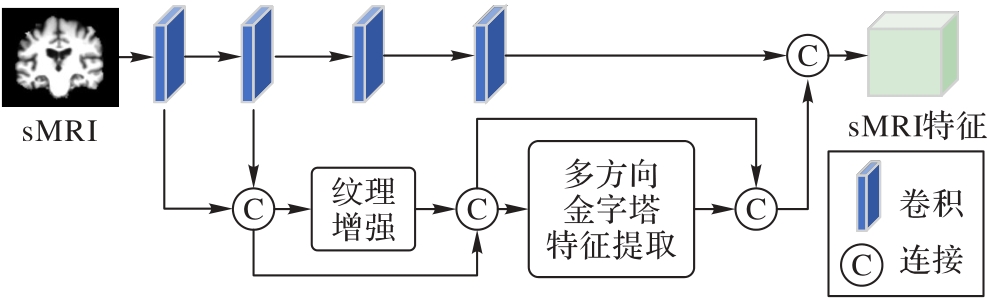
Fig. 5 Structure of MT-ResNet Encoder
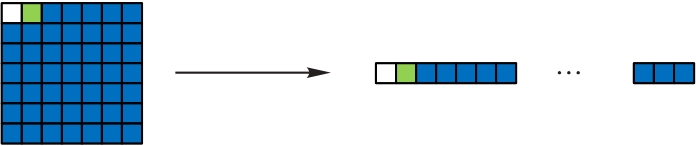
Fig. 6 Calculation process of two-dimensional image E^i,j
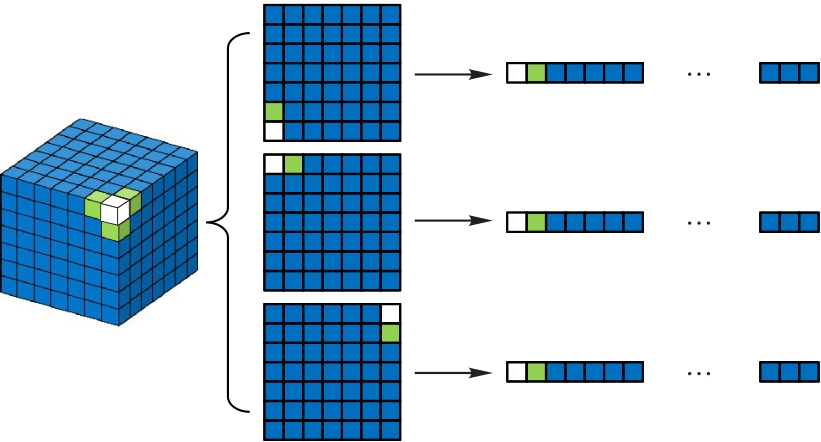
Fig. 7 Calculation process of three-dimensional image E^i,j
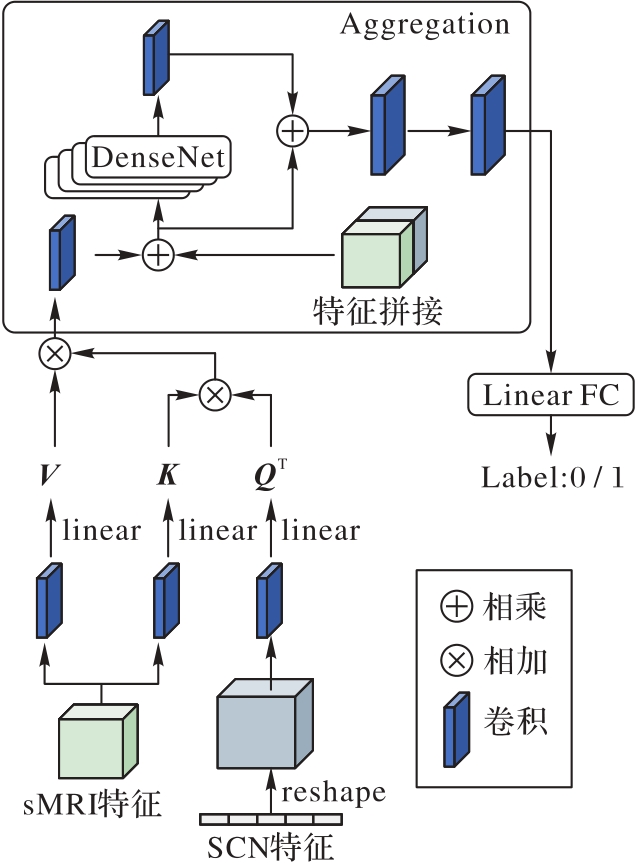
Fig. 8 Structure of CMAA module
| 类别 | 数量 | 性别比例(男/女) | 年龄 |
|---|---|---|---|
| AD | 49 | 28/21 | 74.27±9.10 |
| MCI | 177 | 92/85 | 75.29±8.58 |
| NC | 227 | 77/150 | 71.56±8.11 |
Tab. 2 Amount of experimental data before generation
| 类别 | 数量 | 性别比例(男/女) | 年龄 |
|---|---|---|---|
| AD | 49 | 28/21 | 74.27±9.10 |
| MCI | 177 | 92/85 | 75.29±8.58 |
| NC | 227 | 77/150 | 71.56±8.11 |
| SCN生成 | 鉴别器数量 | 损失函数引入指标 | SSIM | PSNR/dB |
|---|---|---|---|---|
| NC→AD | 单 | SSIM+F1 | 0.968 7 | 43.798 8 |
| 双 | SSIM+F1 | 0.969 7 | 44.981 0 | |
| 单 | Frobenius范数距离 | 0.976 7 | 45.659 2 | |
| 双 | Frobenius范数距离 | 0.977 7 | 46.054 2 | |
| NC→MCI | 单 | SSIM+F1 | 0.981 7 | 46.340 9 |
| 双 | SSIM+F1 | 0.982 0 | 46.593 3 | |
| 单 | Frobenius范数距离 | 0.982 7 | 46.753 7 | |
| 双 | Frobenius范数距离 | 0.982 8 | 46.769 6 |
Tab. 3 Impact of classifier count and metrics introduced in loss function on SCN data generation
| SCN生成 | 鉴别器数量 | 损失函数引入指标 | SSIM | PSNR/dB |
|---|---|---|---|---|
| NC→AD | 单 | SSIM+F1 | 0.968 7 | 43.798 8 |
| 双 | SSIM+F1 | 0.969 7 | 44.981 0 | |
| 单 | Frobenius范数距离 | 0.976 7 | 45.659 2 | |
| 双 | Frobenius范数距离 | 0.977 7 | 46.054 2 | |
| NC→MCI | 单 | SSIM+F1 | 0.981 7 | 46.340 9 |
| 双 | SSIM+F1 | 0.982 0 | 46.593 3 | |
| 单 | Frobenius范数距离 | 0.982 7 | 46.753 7 | |
| 双 | Frobenius范数距离 | 0.982 8 | 46.769 6 |
| SCN生成 | 有无逐步学习 | SSIM | PSNR/dB |
|---|---|---|---|
| NC→AD | × | 0.943 5 | 45.883 2 |
| √ | 0.977 7 | 46.054 2 | |
| NC→MCI | × | 0.941 2 | 45.765 1 |
| √ | 0.982 8 | 46.769 6 |
Tab. 4 Ablation experimental results of step-by-step learning training strategy
| SCN生成 | 有无逐步学习 | SSIM | PSNR/dB |
|---|---|---|---|
| NC→AD | × | 0.943 5 | 45.883 2 |
| √ | 0.977 7 | 46.054 2 | |
| NC→MCI | × | 0.941 2 | 45.765 1 |
| √ | 0.982 8 | 46.769 6 |
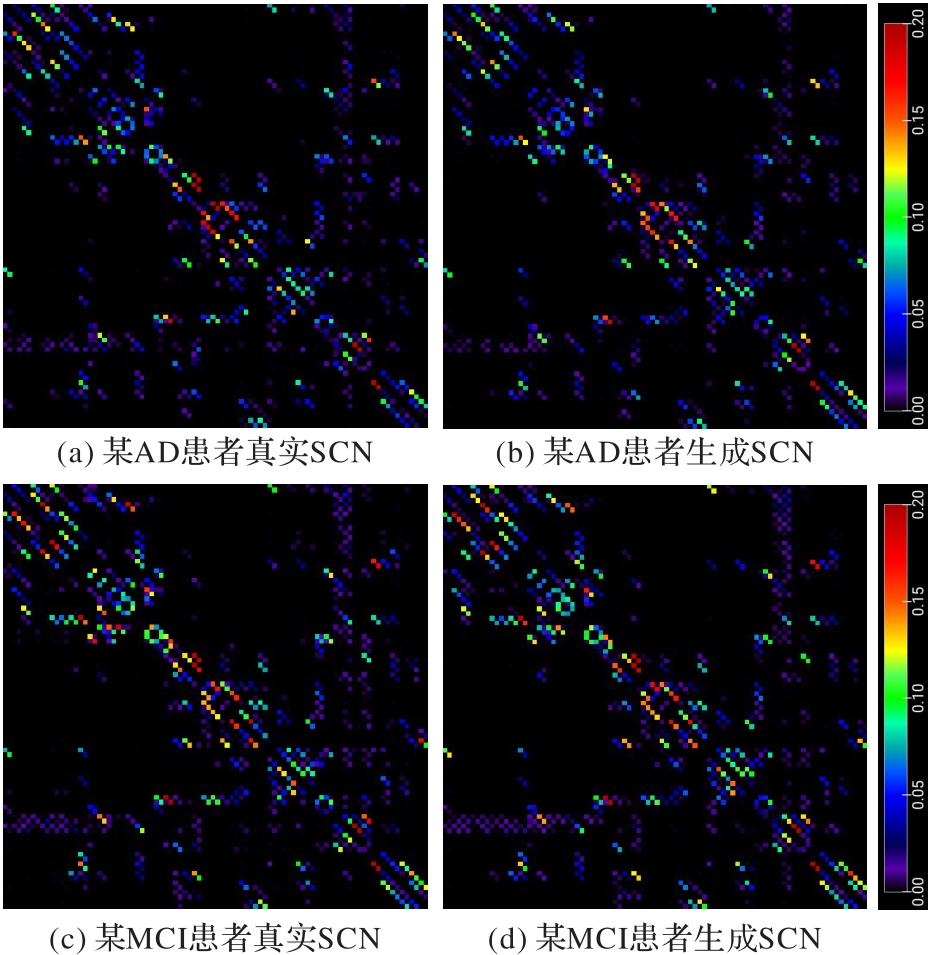
Fig. 9 Visual comparison of real SCN and generated SCN
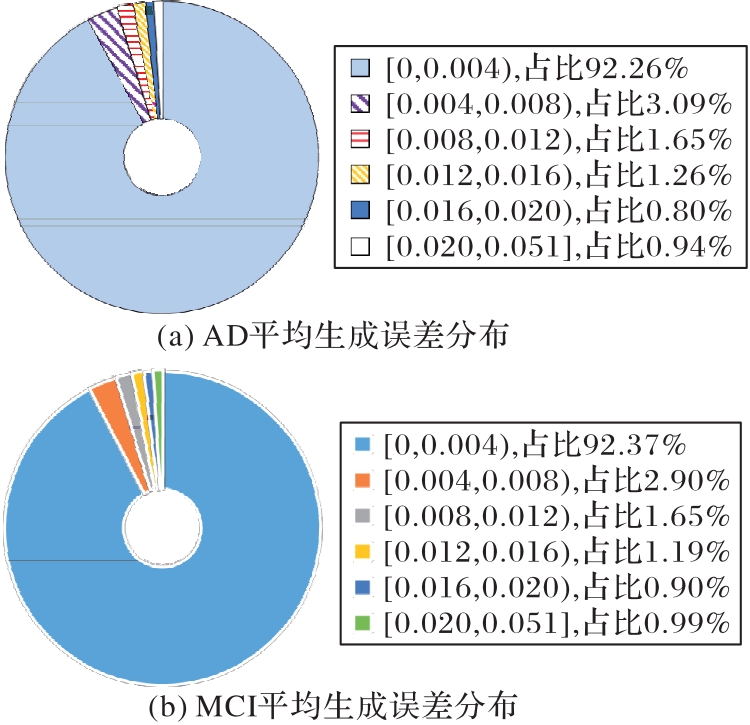
Fig. 10 Distribution of average generation errors
| 类别 | 数量 | 性别比例(男/女) | 年龄 |
|---|---|---|---|
| AD | 93 | 51/42 | 75.69±8.16 |
| MCI | 227 | 124/103 | 74.96±8.49 |
| NC | 227 | 77/150 | 71.56±8.11 |
Tab. 5 Total number and distribution of data generated using CMG module
| 类别 | 数量 | 性别比例(男/女) | 年龄 |
|---|---|---|---|
| AD | 93 | 51/42 | 75.69±8.16 |
| MCI | 227 | 124/103 | 74.96±8.49 |
| NC | 227 | 77/150 | 71.56±8.11 |
| 有无分类鉴别器 | NC/AD | NC/MCI | MCI/AD | ||||||
|---|---|---|---|---|---|---|---|---|---|
| ACC | SEN | SPE | ACC | SEN | SPE | ACC | SEN | SPE | |
| 有 | 92.69 | 98.04 | 76.79 | 77.50 | 80.92 | 74.11 | 89.06 | 96.13 | 71.86 |
| 无 | 94.69 | 98.22 | 87.02 | 82.05 | 82.76 | 80.68 | 91.25 | 96.58 | 77.84 |
Tab. 6 Classification effects of ablation experiments on classification discriminator
| 有无分类鉴别器 | NC/AD | NC/MCI | MCI/AD | ||||||
|---|---|---|---|---|---|---|---|---|---|
| ACC | SEN | SPE | ACC | SEN | SPE | ACC | SEN | SPE | |
| 有 | 92.69 | 98.04 | 76.79 | 77.50 | 80.92 | 74.11 | 89.06 | 96.13 | 71.86 |
| 无 | 94.69 | 98.22 | 87.02 | 82.05 | 82.76 | 80.68 | 91.25 | 96.58 | 77.84 |
| 分类任务 | 各类别数据集比例 | ACC | SEN | SPE |
|---|---|---|---|---|
| NC/AD | 227/49 | 90.77 | 96.99 | 64.14 |
| 93/93 | 90.62 | 93.65 | 87.63 | |
| 227/93 | 94.69 | 98.22 | 87.02 | |
| NC/MCI | 227/177 | 76.00 | 85.11 | 63.35 |
| 177/177 | 74.38 | 72.72 | 75.45 | |
| 227/227 | 82.05 | 82.76 | 80.68 | |
| MCI/AD | 177/49 | 82.50 | 96.53 | 62.88 |
| 93/93 | 82.50 | 81.05 | 82.85 | |
| 227/93 | 91.25 | 96.58 | 77.84 |
Tab. 7 Classification effects before and after dataset expansion
| 分类任务 | 各类别数据集比例 | ACC | SEN | SPE |
|---|---|---|---|---|
| NC/AD | 227/49 | 90.77 | 96.99 | 64.14 |
| 93/93 | 90.62 | 93.65 | 87.63 | |
| 227/93 | 94.69 | 98.22 | 87.02 | |
| NC/MCI | 227/177 | 76.00 | 85.11 | 63.35 |
| 177/177 | 74.38 | 72.72 | 75.45 | |
| 227/227 | 82.05 | 82.76 | 80.68 | |
| MCI/AD | 177/49 | 82.50 | 96.53 | 62.88 |
| 93/93 | 82.50 | 81.05 | 82.85 | |
| 227/93 | 91.25 | 96.58 | 77.84 |
| sMRI特征提取 | NC/AD | NC/MCI | MCI/AD | ||||||
|---|---|---|---|---|---|---|---|---|---|
| ACC | SEN | SPE | ACC | SEN | SPE | ACC | SEN | SPE | |
| ResNet | 91.88 | 94.11 | 86.62 | 80.68 | 84.86 | 76.41 | 90.31 | 96.79 | 72.51 |
| MT-ResNet | 94.69 | 98.22 | 87.02 | 82.05 | 82.76 | 80.68 | 91.25 | 96.58 | 77.84 |
Tab. 8 Classification effects of MT ablation experiments
| sMRI特征提取 | NC/AD | NC/MCI | MCI/AD | ||||||
|---|---|---|---|---|---|---|---|---|---|
| ACC | SEN | SPE | ACC | SEN | SPE | ACC | SEN | SPE | |
| ResNet | 91.88 | 94.11 | 86.62 | 80.68 | 84.86 | 76.41 | 90.31 | 96.79 | 72.51 |
| MT-ResNet | 94.69 | 98.22 | 87.02 | 82.05 | 82.76 | 80.68 | 91.25 | 96.58 | 77.84 |
| 双路径特征提取模型 | NC/AD | NC/MCI | MCI/AD | ||||||
|---|---|---|---|---|---|---|---|---|---|
| ACC | SEN | SPE | ACC | SEN | SPE | ACC | SEN | SPE | |
| ResNet2D+MT-ResNet | 92.81 | 96.51 | 84.60 | 79.55 | 82.40 | 76.23 | 89.69 | 95.18 | 76.22 |
| Transformer+Transformer | 93.75 | 97.79 | 82.24 | 80.00 | 82.77 | 77.04 | 90.97 | 96.51 | 76.84 |
| VAN+MT-ResNet | 93.44 | 97.83 | 83.00 | 76.82 | 79.16 | 73.72 | 89.38 | 96.49 | 72.10 |
| Transformer+VAN | 93.75 | 98.15 | 83.41 | 77.50 | 79.84 | 74.91 | 90.94 | 96.85 | 76.57 |
| Transformer+MT-ResNet(本文方法) | 94.69 | 98.22 | 87.02 | 82.05 | 82.76 | 80.68 | 91.25 | 96.58 | 77.84 |
Tab. 9 Classification effects of different feature extraction models
| 双路径特征提取模型 | NC/AD | NC/MCI | MCI/AD | ||||||
|---|---|---|---|---|---|---|---|---|---|
| ACC | SEN | SPE | ACC | SEN | SPE | ACC | SEN | SPE | |
| ResNet2D+MT-ResNet | 92.81 | 96.51 | 84.60 | 79.55 | 82.40 | 76.23 | 89.69 | 95.18 | 76.22 |
| Transformer+Transformer | 93.75 | 97.79 | 82.24 | 80.00 | 82.77 | 77.04 | 90.97 | 96.51 | 76.84 |
| VAN+MT-ResNet | 93.44 | 97.83 | 83.00 | 76.82 | 79.16 | 73.72 | 89.38 | 96.49 | 72.10 |
| Transformer+VAN | 93.75 | 98.15 | 83.41 | 77.50 | 79.84 | 74.91 | 90.94 | 96.85 | 76.57 |
| Transformer+MT-ResNet(本文方法) | 94.69 | 98.22 | 87.02 | 82.05 | 82.76 | 80.68 | 91.25 | 96.58 | 77.84 |

Fig. 11 Classification effects of different modal data
| 模型 | NC/AD | NC/MCI | MCI/AD | ||||||
|---|---|---|---|---|---|---|---|---|---|
| ACC | SEN | SPE | ACC | SEN | SPE | ACC | SEN | SPE | |
| CNN[ | 92.30 | 93.95 | 90.65 | 78.48 | 77.72 | 81.44 | 79.16 | 82.72 | 78.36 |
| EH-GCN[ | 88.71 | 86.76 | 90.86 | 79.68 | 80.37 | 79.13 | 82.71 | 88.33 | 81.85 |
| JCGS-radMBN[ | 90.20 | 86.10 | 94.10 | 74.44 | 61.50 | 86.50 | 70.60 | 77.90 | 61.80 |
| camAD[ | 94.50 | 95.00 | 94.90 | 80.50 | 83.33 | 73.80 | 83.70 | 80.10 | 80.10 |
| FHMSF[ | 94.19 | 94.67 | 90.33 | 80.19 | 89.94 | 64.59 | |||
| GMF-Net | 94.69 | 98.22 | 87.02 | 82.05 | 82.76 | 80.68 | 91.25 | 96.58 | 77.84 |
Tab. 10 Classification effects of different models
| 模型 | NC/AD | NC/MCI | MCI/AD | ||||||
|---|---|---|---|---|---|---|---|---|---|
| ACC | SEN | SPE | ACC | SEN | SPE | ACC | SEN | SPE | |
| CNN[ | 92.30 | 93.95 | 90.65 | 78.48 | 77.72 | 81.44 | 79.16 | 82.72 | 78.36 |
| EH-GCN[ | 88.71 | 86.76 | 90.86 | 79.68 | 80.37 | 79.13 | 82.71 | 88.33 | 81.85 |
| JCGS-radMBN[ | 90.20 | 86.10 | 94.10 | 74.44 | 61.50 | 86.50 | 70.60 | 77.90 | 61.80 |
| camAD[ | 94.50 | 95.00 | 94.90 | 80.50 | 83.33 | 73.80 | 83.70 | 80.10 | 80.10 |
| FHMSF[ | 94.19 | 94.67 | 90.33 | 80.19 | 89.94 | 64.59 | |||
| GMF-Net | 94.69 | 98.22 | 87.02 | 82.05 | 82.76 | 80.68 | 91.25 | 96.58 | 77.84 |
| 方法 | ACC | SEN | SPE |
|---|---|---|---|
| GAN[ | 82.10 | 74.43 | 88.95 |
| LDM[ | 80.23 | 74.57 | 84.43 |
| Cycle-GAN[ | 86.87 | 86.00 | |
| GMF-Net | 94.69 | 98.22 | 87.02 |
Tab. 11 Classification effects of different dataset expansion methods on NC/AD
| 方法 | ACC | SEN | SPE |
|---|---|---|---|
| GAN[ | 82.10 | 74.43 | 88.95 |
| LDM[ | 80.23 | 74.57 | 84.43 |
| Cycle-GAN[ | 86.87 | 86.00 | |
| GMF-Net | 94.69 | 98.22 | 87.02 |
| [1] | Petersen R C, Smith G E, Waring S C, et al. Mild cognitive impairment: clinical characterization and outcome[J]. Archives of Neurology, 1999, 56(3): 303-308. |
| [2] | Lim K O, Helpern J A. Neuropsychiatric applications of DTI — a review[J]. NMR in Biomedicine, 2002, 15(7/8): 587-593. |
| [3] | Dai Z, Lin Q, Li T, et al. Disrupted structural and functional brain networks in Alzheimer's disease[J]. Neurobiology of Aging, 2019, 75: 71-82. |
| [4] | Chen Y, Zhu S, Fang Z, et al. Toward robust early detection of Alzheimer's disease via an integrated multimodal learning approach[C]// ICASSP 2025. Piscataway: IEEE, 2025: 1-5. |
| [5] | Skandarani Y, Jodoin P M, Lalande A. GANs for medical image synthesis: an empirical study[J]. Journal of Imaging, 2023, 9(3): No.69. |
| [6] | Hassanzadeh R, Abrol A, Hassanzadeh H R, et al. Cross-modality translation with generative adversarial networks to unveil Alzheimer's disease biomarkers[C]// EMBC 2024. Piscataway: IEEE, 2024: 1-4. |
| [7] | Gao X, Shi F, Shen D, et al. Task-induced pyramid and attention GAN for multimodal brain image imputation and classification in Alzheimer's disease[J]. IEEE Journal of Biomedical and Health Informatics, 2022, 26(1): 36-43. |
| [8] | Mehmood A, Yang S, Feng Z, et al. A transfer learning approach for early diagnosis of Alzheimer's disease on MRI images[J]. Neuroscience, 2021, 460: 43-52. |
| [9] | 胡喜园,邓洪敏,徐泽林,等.基于改进残差网络的阿尔兹海默症分类[J].计算机应用,2022,42():71-79. |
| Hu Xiyuan, Deng Hongmin, Xu Zelin, et al. Classification of Alzheimer disease based on improved residual network[J]. Journal of Computer Applications, 2022, 42(): 71-79. | |
| [10] | 胡众义,张夏彬.利用3D-RepVGG进行阿尔兹海默症诊断[J]. 计算机应用,2023,43():26-32. |
| Hu Zhongyi, Zhang Xiabin. Alzheimer disease diagnosis by three-dimension re-parameterization visual geometry group[J]. Journal of Computer Applications, 2023, 43(): 26-32. | |
| [11] | Alorf A, Khan M U G. Multi-label classification of Alzheimer's disease stages from resting-state fMRI-based correlation connectivity data and deep learning[J]. Computers in Biology and Medicine, 2022, 151(Pt A): No.106240. |
| [12] | de Santi L A, Pasini E, Santarelli M F, et al. An explainable convolutional neural network for the early diagnosis of Alzheimer's disease from 18F-FDG PET[J]. Journal of Digital Imaging, 2023, 36(1): 189-203. |
| [13] | Sang Y, Li W. Classification study of Alzheimer's disease based on self-attention mechanism and DTI imaging using GCN[J]. IEEE Access, 2024, 12: 24387-24395. |
| [14] | Sounthararajah J, Kumaralingam L, Jegatheeswaran T, et al. Classification of Alzheimer's disease stages using weighted brain connectivity based graph convolutional neural network[C]// ICARC 2025. Piscataway: IEEE, 2025: 1-6. |
| [15] | 张昀枭,吴晓红,唐荔莉,等.基于多模态数据的阿尔兹海默病分类方法[J].计算机应用,2023,43():298-305. |
| Zhang Yunxiao, Wu Xiaohong, Tang Lili, et al. Alzheimer’s disease classification method based on multimodal data[J]. Journal of Computer Applications, 2023, 43(): 298-305. | |
| [16] | Tian X, Liu Y, Wang L, et al. An extensible hierarchical graph convolutional network for early Alzheimer's disease identification[J]. Computer Methods and Programs in Biomedicine, 2023, 238: No.107597. |
| [17] | Meng L, Zhang Q. Research on early diagnosis of Alzheimer's disease based on dual fusion cluster graph convolutional network[J]. Biomedical Signal Processing and Control, 2023, 86(Pt A): No.105212. |
| [18] | Zhu C, Li H, Song Z, et al. Jointly constrained group sparse connectivity representation improves early diagnosis of Alzheimer's disease on routinely acquired T1-weighted imaging-based brain network[J]. Health Information Science and Systems, 2024, 12(1): No.19. |
| [19] | Li Y, Chen G, Wang G, et al. Dominating Alzheimer's disease diagnosis with deep learning on sMRI and DTI-MD[J]. Frontiers in neurology, 2024, 15: No.1444795. |
| [20] | Mahler L, Wang Q, Steiglechner J, et al. Pretraining is all you need: a multi-atlas enhanced transformer framework for autism spectrum disorder classification[C]// MLCN 2023, LNCS 14312. Berlin: Springer, 2023: 123-132. |
| [21] | Cui Z, Zhong S, Xu P, et al. PANDA: a pipeline toolbox for analyzing brain diffusion images[J]. Frontiers in Human Neuroscience, 2013, 7: No.42. |
| [22] | Behrens T E J, Woolrich M W, Jenkinson M, et al. Characterization and propagation of uncertainty in diffusion-weighted MR imaging[J]. Magnetic Resonance in Medicine, 2003, 50(5): 1077-1088. |
| [23] | 刘若一.基于脑连接探究针刺治疗中风偏瘫效应机制的多模态磁共振研究[D].北京:北京中医药大学, 2023. |
| Liu Ruoyi. Multimodal magnetic resonance study exploring the mechanism of acupuncture in treating stroke hemiplegia based on brain connectivity[D]. Beijing: Beijing University of Chinese Medicine, 2023. | |
| [24] | Gong G, Rosa-Neto P, Carbonell F, et al. Age- and gender-related differences in the cortical anatomical network[J]. Journal of Neuroscience, 2009, 29(50): 15684-15693. |
| [25] | Xia M, Wang J, He Y. BrainNet Viewer: a network visualization tool for human brain connectomics[J]. PLoS ONE, 2013, 8(7): No.e68910. |
| [26] | 陈甜,吴非. 阿尔兹海默病和轻度认知障碍的脑结构差异:一种自动量化脑容量测量工具的使用[J]. 影像诊断与介入放射学, 2019, 28(2): 96-102. |
| Chen Tian, Wu Fei. Automated quantification of structural brain differences in patients with Alzheimer's disease and mild cognitive impairment[J]. Diagnostic Imaging and Interventional Radiology, 2019, 28(2): 96-102. | |
| [27] | Wang Q, Chen S, Wang H, et al. Predicting brain regions related to Alzheimer's disease based on global feature[J]. Frontiers in Computational Neuroscience, 2021, 15: No.659838. |
| [28] | Vaswani A, Shazeer N, Parmar N, et al. Attention is all you need[C]// NeurIPS 2017. Red Hook: Curran Associates Inc., 2017: 6000-6010. |
| [29] | Hendrycks D, Gimpel K. Gaussian Error Linear Units (GELUs)[PP/OL]. V5. arXiv (2023-06-06) [2025-10-01]. . |
| [30] | Zhang J, Yu C, Jiang G, et al. 3D texture analysis on MRI images of Alzheimer's disease[J]. Brain Imaging and Behavior, 2012, 6(1): 61-69. |
| [31] | Zhu L, Ji D, Zhu S, et al. Learning statistical texture for semantic segmentation[C]// CVPR 2021. Piscataway: IEEE, 2021: 12532-12541. |
| [32] | 张文旭.基于脑组织分割的阿尔兹海默病多阶段诊断方法研究[D].北京:华北电力大学,2024. |
| Zhang Wenxu. Research on multi-stage diagnostic method for Alzheimer's disease based on brain tissue segmentation[D]. Beijing: North China Electric Power University, 2024. | |
| [33] | Smith S M, Jenkinson M, Woolrich M W, et al. Advances in functional and structural MR image analysis and implementation as FSL[J]. NeuroImage, 2004, 23(S1): S208-S219. |
| [34] | Guo M H, Lu C Z, Liu Z N, et al. Visual attention network[J]. Computational Visual Media, 2023, 9(4): 733-752. |
| [35] | 刘凡,宁瑞鹏,余秋蓉,等.阿尔茨海默病和轻度认知障碍的大脑半球间结构连接异常:一项基于DTI的研究[J]. 磁共振成像, 2023, 14(6): 9-17. |
| Liu Fan, Ning Ruipeng, Yu Qiurong, et al. Interhemispheric structural connectivity abnormalities in Alzheimer's disease and mild cognitive impairment: a DTI-based study[J]. Chinese Journal of Magnetic Resonance Imaging, 2023, 14(6): 9-17. | |
| [36] | Aderghal K, Afdel K, Benois-Pineau J, et al. Improving Alzheimer's stage categorization with convolutional neural network using transfer learning and different magnetic resonance imaging modalities[J]. Heliyon, 2020, 6(12): No.e05652. |
| [37] | Qu J, Qu Y, Bai X, et al. Multimodal medical image feature representation and fusion for AD early diagnosis[C]// BIBM 2024. Piscataway: IEEE, 2024: 1645-1648. |
| [38] | Yuan M, Yin C, Hu J, et al. A novel fuzzy-rule-based deep fusion of hypergraph multi-modal for Alzheimer's disease detection[J]. Neurocomputing, 2025, 650: No.130855. |
| [39] | Zhou X, Qiu S, Joshi P S, et al. Enhancing magnetic resonance imaging-driven Alzheimer’s disease classification performance using generative adversarial learning[J]. Alzheimer's Research and Therapy, 2021, 13: No.60. |
| [40] | Dhinagar N J, Thomopoulos S I, Thompson P M. Generative AI improves MRI-based detection of Alzheimer’s disease by using latent diffusion models and convolutional neural networks[J]. Alzheimers and Dementia, 2024, 20(S2): No.e089958. |
| [41] | Hassanzadeh R, Abrol A, Hassanzadeh H R, et al. A generative imputation method for multimodal Alzheimer's disease diagnosis[PP/OL]. arXiv (2025-08-12) [2025-12-22]. . |
| [1] | Xuan CUI, Bo LIU. Unsupervised face attribute editing method based on dynamic convolutional autoencoder [J]. Journal of Computer Applications, 2026, 46(4): 1300-1308. |
| [2] | Yongbing ZHANG, Lirong YAN, Xiaofen TANG. Progressive dual-stage modality interaction for single-domain generalized object detection [J]. Journal of Computer Applications, 2026, 46(4): 1264-1274. |
| [3] | Min CHEN, Xiaolin QIN, Shaohan LI, Hao YANG, Taohong LI. Review of deep learning applications in severe convective weather prediction [J]. Journal of Computer Applications, 2026, 46(3): 980-992. |
| [4] | Bing GAO, Jinzhuo LIN, Qijie ZOU, Yongqiang YAO. Zero-shot knowledge graph relation prediction method via dual-channel embedding fusion [J]. Journal of Computer Applications, 2026, 46(10): 3117-3123. |
| [5] | Yuqing NIU, Zhiyong ZHANG, Zhongya ZHANG, Hang ZHANG. Fault-tolerant method for industrial IoT edge computing based on sparse graph attention [J]. Journal of Computer Applications, 2026, 46(10): 3242-3249. |
| [6] | Rong JI, Tianyu HUANG, Yanlei GE, Xingbin LI, Bo SUN, Yingqi LI. SiamGAN-CNNBiLSTM: respiratory state classification system with WiFi signal-based data augmentation [J]. Journal of Computer Applications, 2026, 46(10): 3375-3383. |
| [7] | Na FAN, Chuang LUO, Zehui ZHANG, Mengyao ZHANG, Ding MU. Semantic privacy protection mechanism of vehicle trajectory based on improved generative adversarial network [J]. Journal of Computer Applications, 2026, 46(1): 169-180. |
| [8] | Lifang WANG, Wenjing REN, Xiaodong GUO, Rongguo ZHANG, Lihua HU. Trident generative adversarial network for low-dose CT image denoising [J]. Journal of Computer Applications, 2026, 46(1): 270-279. |
| [9] | Yinlong JIAN, Xuebin CHEN, Zhongrui JING, Qi ZHONG, Zhenbo ZHANG. Data augmentation scheme based on conditional generative adversarial network in federated learning [J]. Journal of Computer Applications, 2026, 46(1): 21-32. |
| [10] | Yilin DENG, Fajiang YU. Pseudo random number generator based on LSTM and separable self-attention mechanism [J]. Journal of Computer Applications, 2025, 45(9): 2893-2901. |
| [11] | Jin ZHOU, Yuzhi LI, Xu ZHANG, Shuo GAO, Li ZHANG, Jiachuan SHENG. Modulation recognition network for complex electromagnetic environments [J]. Journal of Computer Applications, 2025, 45(8): 2672-2682. |
| [12] | Ying HUANG, Shengmei GAO, Guang CHEN, Su LIU. Low-light image enhancement network combining signal-to-noise ratio guided dual-branch structure and histogram equalization [J]. Journal of Computer Applications, 2025, 45(6): 1971-1979. |
| [13] | Hui LI, Bingzhi JIA, Chenxi WANG, Ziyu DONG, Jilong LI, Zhaoman ZHONG, Yanyan CHEN. Generative adversarial network underwater image enhancement model based on Swin Transformer [J]. Journal of Computer Applications, 2025, 45(5): 1439-1446. |
| [14] | Lihu PAN, Shouxin PENG, Rui ZHANG, Zhiyang XUE, Xuzhen MAO. Video anomaly detection for moving foreground regions [J]. Journal of Computer Applications, 2025, 45(4): 1300-1309. |
| [15] | Hong SHANGGUAN, Huiying REN, Xiong ZHANG, Xinglong HAN, Zhiguo GUI, Yanling WANG. Low-dose CT denoising model based on dual encoder-decoder generative adversarial network [J]. Journal of Computer Applications, 2025, 45(2): 624-632. |
| Viewed | ||||||
|
Full text |
|
|||||
|
Abstract |
|
|||||
