


Journal of Computer Applications ›› 2025, Vol. 45 ›› Issue (12): 3786-3795.DOI: 10.11772/j.issn.1001-9081.2024111712
• Artificial intelligence • Previous Articles Next Articles
Xingchen LYU1,2, Weijun LIN1,2( ), Hongxing HUANG1,2
Received:2024-12-06
Revised:2025-04-15
Accepted:2025-04-18
Online:2025-04-24
Published:2025-12-10
Contact:
Weijun LIN
About author:LYU Xingchen, born in 1993, Ph. D., assistant research fellow. Her research interests include data mining, agricultural network public opinion.
吕星辰1,2, 林伟君1,2(), 黄红星1,2
通讯作者:
林伟君
作者简介:吕星辰(1993—),女,湖北襄阳人,助理研究员,博士,主要研究方向:数据挖掘、农业网络舆情基金资助:CLC Number:
Xingchen LYU, Weijun LIN, Hongxing HUANG. Multi-sentiment analysis of network public opinion and review text in food safety based on topics and blogs[J]. Journal of Computer Applications, 2025, 45(12): 3786-3795.
吕星辰, 林伟君, 黄红星. 基于话题博文的食品安全网络舆情评论文本多情感分析[J]. 《计算机应用》唯一官方网站, 2025, 45(12): 3786-3795.
Add to citation manager EndNote|Ris|BibTeX
URL: https://www.joca.cn/EN/10.11772/j.issn.1001-9081.2024111712
| 话题 | 博文 | 评论 | 评论 情感分类 |
|---|---|---|---|
| #央广网评预制菜进校园# | 预制菜大势已成,挡是挡不住了,应该要做的就是加强预制菜厂商的管理,制定相应的 标准,才能保障大家的健康! | 支持!说得很好, 尽快制定相应标准。 | 中立 |
#教育部称对 预制菜进校园 持审慎态度# | 预制菜不是什么洪水猛兽,不要群起而攻之。只要配料表干净,问题也不大。我看到的 配料表都是干干净净的,就是加了白糖食盐,最多有个葡萄糖粉。凡事只要凭良心去做, 肯定能做好。 | 商人是没有底线的, 良心就更别提了。 | 愤怒 |
| #油罐车# | 啊这不就是连锁反应?罐车卸完煤用油直接装运食用大豆油,老干妈辣椒油矿物油超标, 现在新闻都得看连续剧了…… | 其他零食的油,又能 好到哪里去呢? | 担忧 |
| #淀粉肠中加骨泥对人体有害# | 【#淀粉肠中加骨泥对人体有害#?专家:经规范养殖、加工的骨泥可食用】近日,火爆 大街小巷的淀粉肠因媒体曝光其含有“鸡骨泥”,一夜之间行业“入冬”。科信食品与 健康信息交流中心主任钟凯表示,经过规范养殖、加工的骨泥是可以食用的。 | 这热搜真搞笑明明 没有害,热搜标题 确认说有害。 | 支持 |
Tab. 1 Some topic, blog, and review content display
| 话题 | 博文 | 评论 | 评论 情感分类 |
|---|---|---|---|
| #央广网评预制菜进校园# | 预制菜大势已成,挡是挡不住了,应该要做的就是加强预制菜厂商的管理,制定相应的 标准,才能保障大家的健康! | 支持!说得很好, 尽快制定相应标准。 | 中立 |
#教育部称对 预制菜进校园 持审慎态度# | 预制菜不是什么洪水猛兽,不要群起而攻之。只要配料表干净,问题也不大。我看到的 配料表都是干干净净的,就是加了白糖食盐,最多有个葡萄糖粉。凡事只要凭良心去做, 肯定能做好。 | 商人是没有底线的, 良心就更别提了。 | 愤怒 |
| #油罐车# | 啊这不就是连锁反应?罐车卸完煤用油直接装运食用大豆油,老干妈辣椒油矿物油超标, 现在新闻都得看连续剧了…… | 其他零食的油,又能 好到哪里去呢? | 担忧 |
| #淀粉肠中加骨泥对人体有害# | 【#淀粉肠中加骨泥对人体有害#?专家:经规范养殖、加工的骨泥可食用】近日,火爆 大街小巷的淀粉肠因媒体曝光其含有“鸡骨泥”,一夜之间行业“入冬”。科信食品与 健康信息交流中心主任钟凯表示,经过规范养殖、加工的骨泥是可以食用的。 | 这热搜真搞笑明明 没有害,热搜标题 确认说有害。 | 支持 |
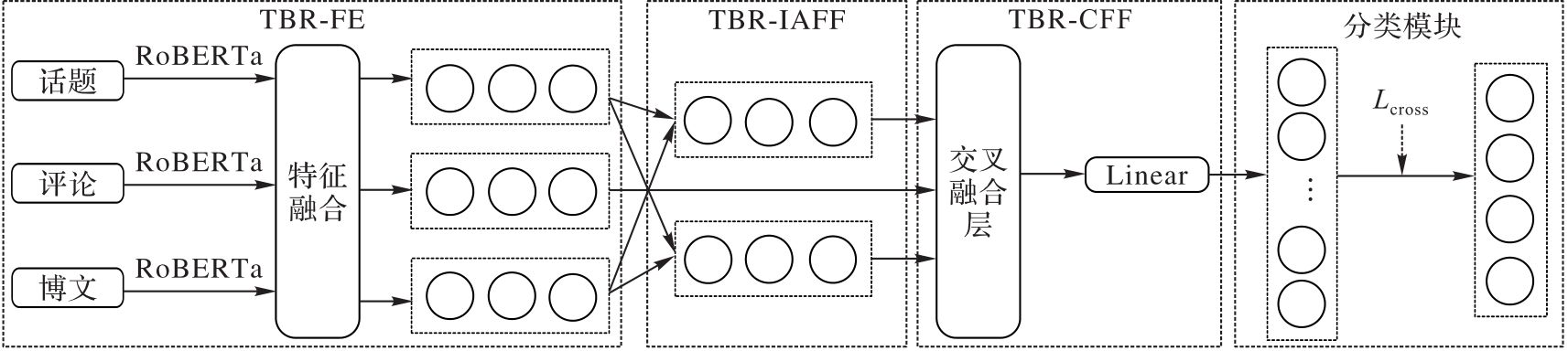
Fig. 1 Structure of TBR-MSAM
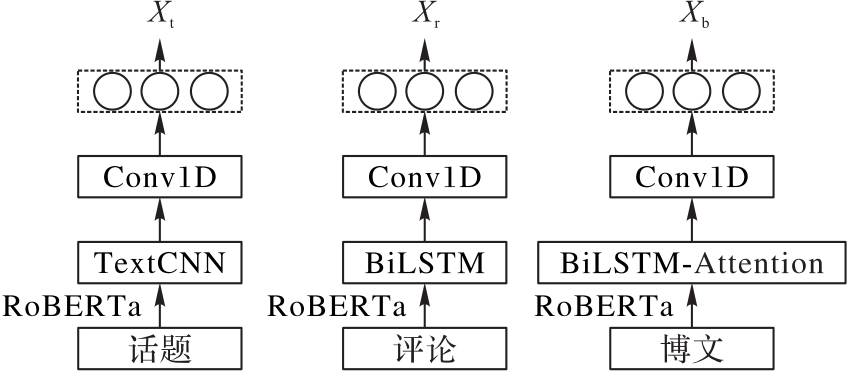
Fig. 2 Schematic diagram of TBR-FE module
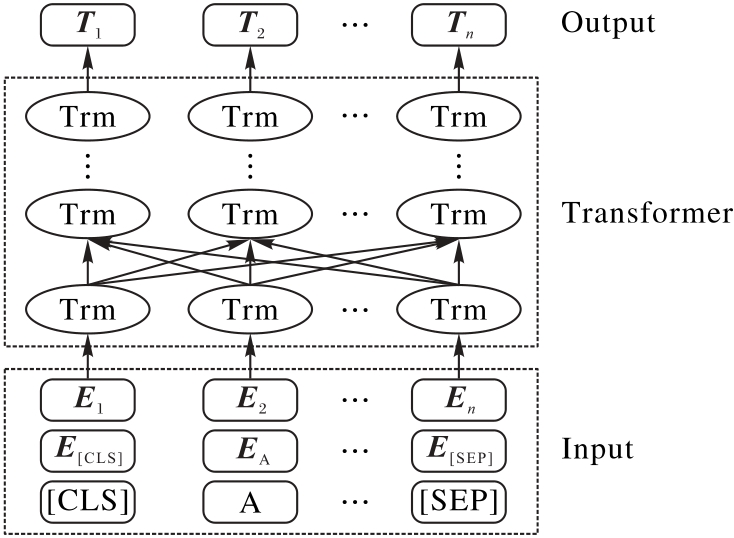
Fig. 3 Structure of RoBERTa model
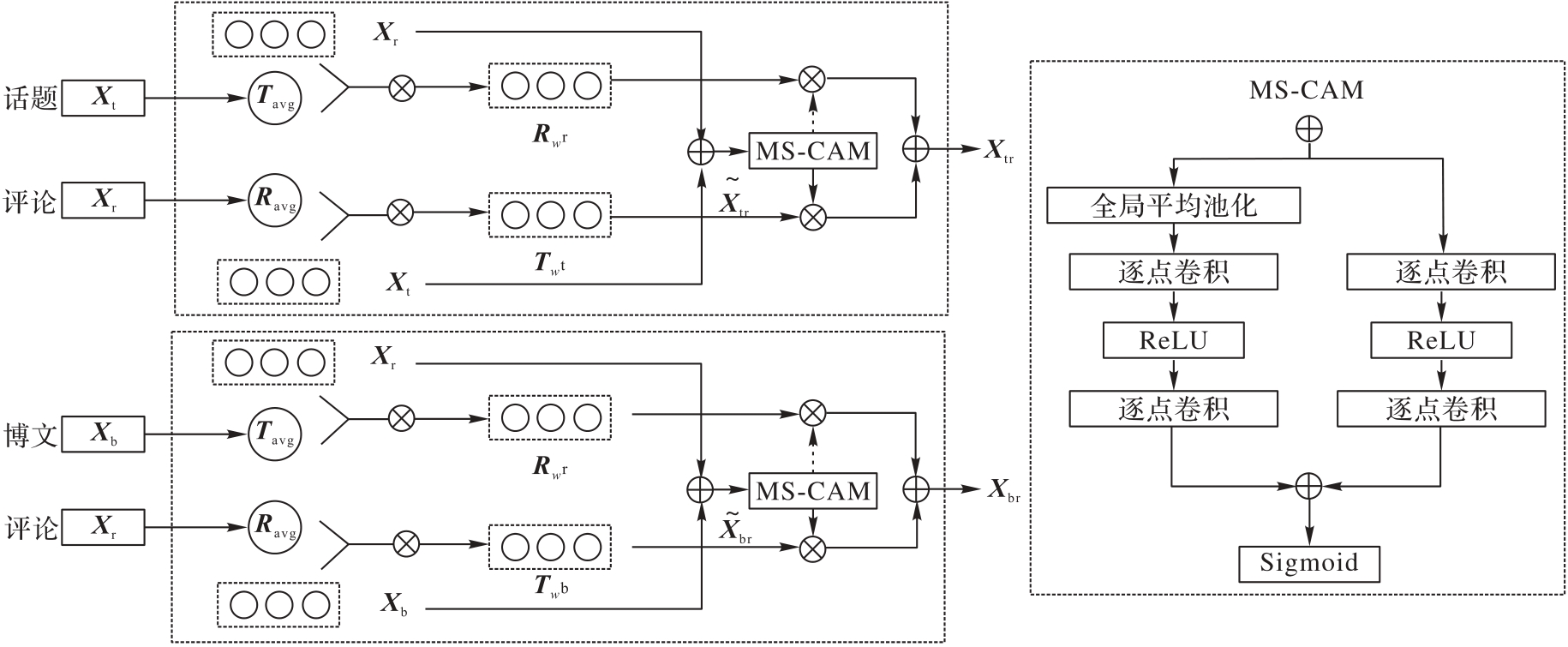
Fig. 4 Schematic diagram of TBR-IAFF module
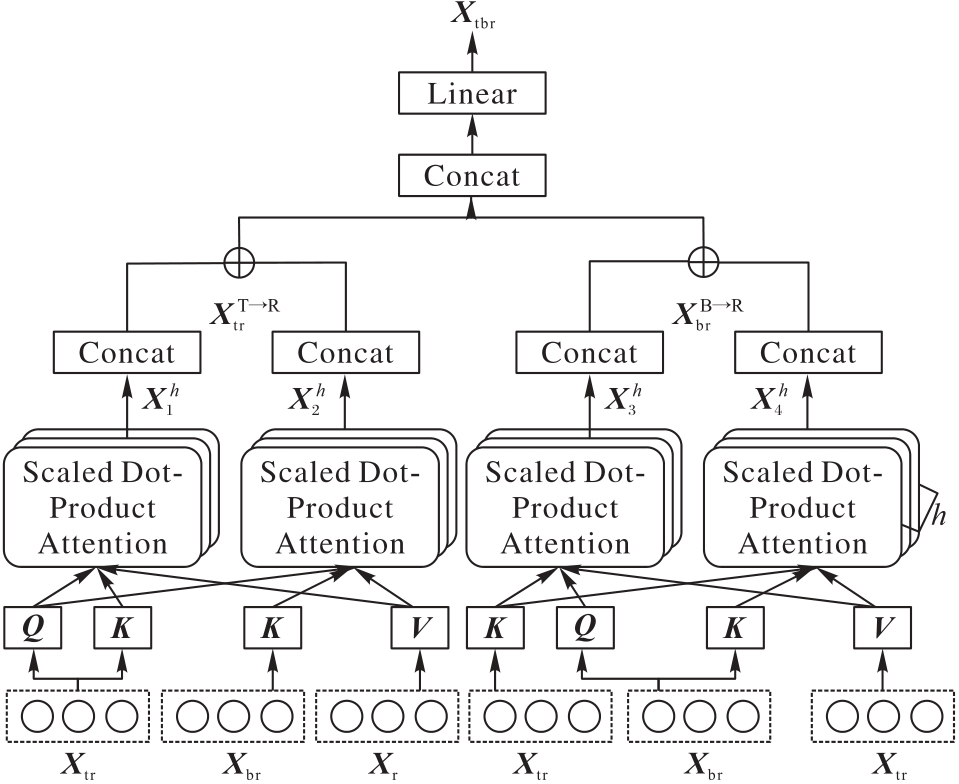
Fig. 5 Schematic diagram of TBR-CFF module
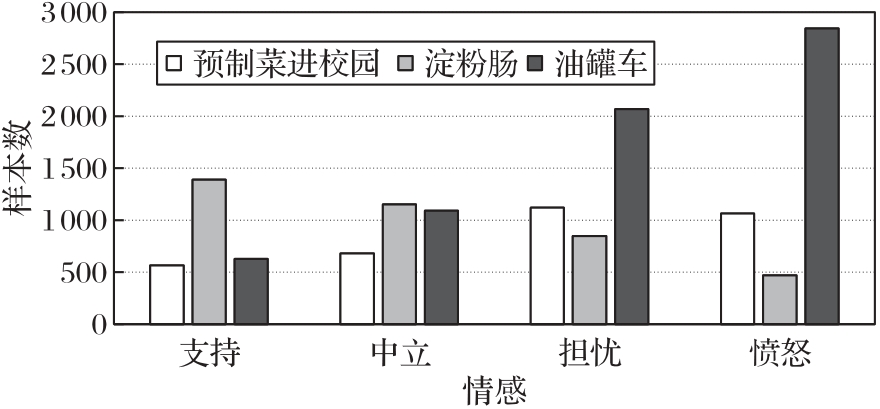
Fig. 6 Sentiment distribution of food safety network public opinions
| 舆情事件 | 数据集 | 话题 数 | 博文 数 | 评论 数 | 情感样本数 | |||
|---|---|---|---|---|---|---|---|---|
| 支持 | 中立 | 担忧 | 愤怒 | |||||
| 预制菜进校园 | Dataset_1 | 7 | 202 | 4 700 | 1 000 | 1 000 | 1 500 | 1 200 |
| 淀粉肠 | Dataset_2 | 12 | 217 | 6 000 | 2 000 | 2 000 | 1 000 | 1 000 |
| 油罐车 | Dataset_3 | 6 | 210 | 9 500 | 2 000 | 2 000 | 2 500 | 3 000 |
Tab. 2 Details of datasets
| 舆情事件 | 数据集 | 话题 数 | 博文 数 | 评论 数 | 情感样本数 | |||
|---|---|---|---|---|---|---|---|---|
| 支持 | 中立 | 担忧 | 愤怒 | |||||
| 预制菜进校园 | Dataset_1 | 7 | 202 | 4 700 | 1 000 | 1 000 | 1 500 | 1 200 |
| 淀粉肠 | Dataset_2 | 12 | 217 | 6 000 | 2 000 | 2 000 | 1 000 | 1 000 |
| 油罐车 | Dataset_3 | 6 | 210 | 9 500 | 2 000 | 2 000 | 2 500 | 3 000 |
| 参数 | Dataset_1 | Dataset_2 | Dataset_3 | |||
|---|---|---|---|---|---|---|
Macro- F1 | Acc | Macro- F1 | Acc | Macro- F1 | Acc | |
| M1(1×10-5,128,8) | 84.7 | 82.8 | 86.2 | 87.6 | 81.7 | 82.0 |
| M2(1×10-5,128,12) | 86.3 | 86.8 | 89.6 | 89.5 | 81.4 | 82.6 |
| M3(1×10-5,64,8) | 85.7 | 85.2 | 88.2 | 87.3 | 80.1 | 80.3 |
| M4(1×10-5,64,12) | 86.8 | 86.6 | 91.2 | 90.4 | 80.2 | 81.8 |
| M5(5×10-6,128,8) | 84.6 | 84.2 | 83.9 | 84.2 | 77.6 | 78.4 |
| M6(5×10-6,128,12) | 86.1 | 85.3 | 84.5 | 83.7 | 78.4 | 78.8 |
| M7(5×10-6,64,8) | 82.4 | 84.1 | 81.7 | 82.5 | 77.3 | 76.5 |
| M8(5×10-6,64,12) | 84.7 | 84.5 | 84.1 | 84.6 | 77.5 | 77.9 |
Tab. 3 Results of experimental parameter adjustment
| 参数 | Dataset_1 | Dataset_2 | Dataset_3 | |||
|---|---|---|---|---|---|---|
Macro- F1 | Acc | Macro- F1 | Acc | Macro- F1 | Acc | |
| M1(1×10-5,128,8) | 84.7 | 82.8 | 86.2 | 87.6 | 81.7 | 82.0 |
| M2(1×10-5,128,12) | 86.3 | 86.8 | 89.6 | 89.5 | 81.4 | 82.6 |
| M3(1×10-5,64,8) | 85.7 | 85.2 | 88.2 | 87.3 | 80.1 | 80.3 |
| M4(1×10-5,64,12) | 86.8 | 86.6 | 91.2 | 90.4 | 80.2 | 81.8 |
| M5(5×10-6,128,8) | 84.6 | 84.2 | 83.9 | 84.2 | 77.6 | 78.4 |
| M6(5×10-6,128,12) | 86.1 | 85.3 | 84.5 | 83.7 | 78.4 | 78.8 |
| M7(5×10-6,64,8) | 82.4 | 84.1 | 81.7 | 82.5 | 77.3 | 76.5 |
| M8(5×10-6,64,12) | 84.7 | 84.5 | 84.1 | 84.6 | 77.5 | 77.9 |
| 模型类型 | 基线模型 | Dataset_1 | Dataset_2 | Dataset_3 | |||
|---|---|---|---|---|---|---|---|
Macro- F1 | Acc | Macro- F1 | Acc | Macro- F1 | Acc | ||
无话题 博文 特征的 基线 模型 | BERT[ | 64.7 | 65.6 | 61.1 | 62.6 | 58.3 | 60.2 |
| BiLSTM[ | 65.8 | 66.5 | 61.8 | 63.1 | 61.1 | 63.2 | |
BERT+ BiLSTM[ | 74.8 | 74.9 | 66.4 | 66.8 | 70.2 | 70.4 | |
BERT+ BiLSTM+ Attention[ | 76.1 | 75.3 | 71.6 | 71.4 | 72.5 | 72.7 | |
| SpanEmo[ | 68.7 | 70.4 | 68.1 | 68.9 | 62.4 | 61.6 | |
| AltXML[ | 80.1 | 80.8 | 71.8 | 72.2 | 75.2 | 75.3 | |
融合话题 博文 特征的 基线 模型 | UPNN[ | 80.1 | 81.2 | 72.2 | 72.8 | 71.4 | 71.6 |
| IAN[ | 78.9 | 77.6 | 77.1 | 77.5 | 76.3 | 76.4 | |
| AFF[ | 76.4 | 76.7 | 75.8 | 75.5 | 71.8 | 72.6 | |
| DIFM[ | 81.9 | 81.8 | 84.2 | 84.3 | 77.5 | 76.6 | |
| DATN[ | 82.7 | 85.5 | 82.8 | 83.1 | 80.0 | 79.3 | |
同时带有 话题博文 评论 文本的 基线 模型 | BERT*[ | 61.3 | 61.2 | 67.9 | 68.7 | 52.4 | 53.6 |
| BiLSTM*[ | 66.7 | 68.1 | 70.8 | 71.4 | 54.2 | 54.6 | |
BERT+ BiLSTM*[ | 64.3 | 65.2 | 72.6 | 71.8 | 58.2 | 55.3 | |
BERT+ BiLSTM+ Attention*[ | 70.4 | 72.1 | 74.5 | 72.7 | 58.8 | 58.1 | |
| SpanEmo*[ | 61.0 | 61.3 | 66.1 | 66.5 | 61.8 | 60.7 | |
| AltXML*[ | 75.1 | 76.6 | 72.1 | 74.9 | 62.7 | 62.4 | |
| 本文模型 | TBR-MSAM | 86.8 | 86.6 | 91.2 | 90.4 | 80.2 | 81.8 |
Tab. 4 Experimental results comparison of proposed model and baseline models
| 模型类型 | 基线模型 | Dataset_1 | Dataset_2 | Dataset_3 | |||
|---|---|---|---|---|---|---|---|
Macro- F1 | Acc | Macro- F1 | Acc | Macro- F1 | Acc | ||
无话题 博文 特征的 基线 模型 | BERT[ | 64.7 | 65.6 | 61.1 | 62.6 | 58.3 | 60.2 |
| BiLSTM[ | 65.8 | 66.5 | 61.8 | 63.1 | 61.1 | 63.2 | |
BERT+ BiLSTM[ | 74.8 | 74.9 | 66.4 | 66.8 | 70.2 | 70.4 | |
BERT+ BiLSTM+ Attention[ | 76.1 | 75.3 | 71.6 | 71.4 | 72.5 | 72.7 | |
| SpanEmo[ | 68.7 | 70.4 | 68.1 | 68.9 | 62.4 | 61.6 | |
| AltXML[ | 80.1 | 80.8 | 71.8 | 72.2 | 75.2 | 75.3 | |
融合话题 博文 特征的 基线 模型 | UPNN[ | 80.1 | 81.2 | 72.2 | 72.8 | 71.4 | 71.6 |
| IAN[ | 78.9 | 77.6 | 77.1 | 77.5 | 76.3 | 76.4 | |
| AFF[ | 76.4 | 76.7 | 75.8 | 75.5 | 71.8 | 72.6 | |
| DIFM[ | 81.9 | 81.8 | 84.2 | 84.3 | 77.5 | 76.6 | |
| DATN[ | 82.7 | 85.5 | 82.8 | 83.1 | 80.0 | 79.3 | |
同时带有 话题博文 评论 文本的 基线 模型 | BERT*[ | 61.3 | 61.2 | 67.9 | 68.7 | 52.4 | 53.6 |
| BiLSTM*[ | 66.7 | 68.1 | 70.8 | 71.4 | 54.2 | 54.6 | |
BERT+ BiLSTM*[ | 64.3 | 65.2 | 72.6 | 71.8 | 58.2 | 55.3 | |
BERT+ BiLSTM+ Attention*[ | 70.4 | 72.1 | 74.5 | 72.7 | 58.8 | 58.1 | |
| SpanEmo*[ | 61.0 | 61.3 | 66.1 | 66.5 | 61.8 | 60.7 | |
| AltXML*[ | 75.1 | 76.6 | 72.1 | 74.9 | 62.7 | 62.4 | |
| 本文模型 | TBR-MSAM | 86.8 | 86.6 | 91.2 | 90.4 | 80.2 | 81.8 |
| 模型 | Dataset_1 | Dataset_2 | Dataset_3 | |||
|---|---|---|---|---|---|---|
| Macro-F1 | Acc | Macro-F1 | Acc | Macro-F1 | Acc | |
| BERT(+) | 83.8 | 83.6 | 88.1 | 87.4 | 78.7 | 78.6 |
| ChineseBERT(+) | 84.1 | 84.7 | 83.2 | 84.1 | 75.5 | 75.2 |
| Syntax-BERT(+) | 82.5 | 82.2 | 85.3 | 85.6 | 71.8 | 72.2 |
| RoBERTa(+) | 86.8 | 86.6 | 91.2 | 90.4 | 80.2 | 81.8 |
Tab. 5 Experimental results comparison of proposed model and other pre-trained language models
| 模型 | Dataset_1 | Dataset_2 | Dataset_3 | |||
|---|---|---|---|---|---|---|
| Macro-F1 | Acc | Macro-F1 | Acc | Macro-F1 | Acc | |
| BERT(+) | 83.8 | 83.6 | 88.1 | 87.4 | 78.7 | 78.6 |
| ChineseBERT(+) | 84.1 | 84.7 | 83.2 | 84.1 | 75.5 | 75.2 |
| Syntax-BERT(+) | 82.5 | 82.2 | 85.3 | 85.6 | 71.8 | 72.2 |
| RoBERTa(+) | 86.8 | 86.6 | 91.2 | 90.4 | 80.2 | 81.8 |
| 模型 | Dataset_1 | Dataset_2 | Dataset_3 | |||
|---|---|---|---|---|---|---|
| Macro-F1 | Acc | Macro-F1 | Acc | Macro-F1 | Acc | |
| TBR-MSAM | 86.8 | 86.6 | 91.2 | 90.4 | 80.2 | 81.8 |
| w/o RoBERTa | 82.2 | 82.5 | 81.5 | 82.4 | 76.4 | 76.5 |
| w/o TBR-FE | 70.1 | 70.8 | 77.6 | 79.1 | 72.2 | 73.6 |
| w/o TBR-IAFF | 66.8 | 67.4 | 74.5 | 74.3 | 68.4 | 66.8 |
| w/o TBR-CFF | 74.0 | 75.2 | 76.7 | 77.2 | 75.3 | 75.8 |
| T+R | 78.3 | 79.6 | 74.2 | 72.6 | 70.0 | 68.4 |
| B+R | 80.1 | 81.2 | 84.7 | 84.5 | 77.2 | 78.8 |
Tab. 6 Ablation experimental results
| 模型 | Dataset_1 | Dataset_2 | Dataset_3 | |||
|---|---|---|---|---|---|---|
| Macro-F1 | Acc | Macro-F1 | Acc | Macro-F1 | Acc | |
| TBR-MSAM | 86.8 | 86.6 | 91.2 | 90.4 | 80.2 | 81.8 |
| w/o RoBERTa | 82.2 | 82.5 | 81.5 | 82.4 | 76.4 | 76.5 |
| w/o TBR-FE | 70.1 | 70.8 | 77.6 | 79.1 | 72.2 | 73.6 |
| w/o TBR-IAFF | 66.8 | 67.4 | 74.5 | 74.3 | 68.4 | 66.8 |
| w/o TBR-CFF | 74.0 | 75.2 | 76.7 | 77.2 | 75.3 | 75.8 |
| T+R | 78.3 | 79.6 | 74.2 | 72.6 | 70.0 | 68.4 |
| B+R | 80.1 | 81.2 | 84.7 | 84.5 | 77.2 | 78.8 |
| [1] | DENG S, SINHA A P, ZHAO H. Adapting sentiment lexicons to domain-specific social media texts[J]. Decision Support Systems, 2017, 94: 65-76. |
| [2] | 洪巍,虞珂,林强,等. 食品安全网络舆情信息传播风险影响因素研究[J]. 情报杂志, 2024, 43(6): 167-176. |
| HONG W, YU K, LIN Q, et al. Research on influencing factors of food safety network public opinion information’s dissemination risk[J]. Journal of Intelligence, 2019, 43(6): 167-176. | |
| [3] | ZHOU X, YANG J, ZHANG W, et al. Collaborative community-specific microblog sentiment analysis via multi-task learning[J]. Expert Systems with Application, 2021, 169: No.114322. |
| [4] | 安璐,刘媛圆. 微博用户和热点话题间的社交吸引法则研究[J]. 情报杂志, 2024, 43(8): 113-123. |
| AN L, LIU Y Y. A study on the social attraction between microblog users and salient topics [J]. Journal of Intelligence, 2013, 43(8): 113-123. | |
| [5] | 潘苏楠,邓三鸿,王蔚萍. 融合母评论文本信息的评论短文本情感分析研究:以短视频评论文本为例[J]. 情报探索, 2023(4): 1-7. |
| PAN S N, DENG S H, WANG W P. Research on the short text sentiment analysis with the text of parent-comment: a case study of short video comments[J]. Information Research, 2023(4): 1-7. | |
| [6] | ZHANG B, XU D, ZHANG H, et al. STCS lexicon: spectral-clustering-based topic-specific Chinese sentiment lexicon construction for social networks[J]. IEEE Transactions on Computational Social Systems, 2019, 6(6): 1180-1189. |
| [7] | GO A, BHAYANI R, HUANG L. Twitter sentiment classification using distant supervision[EB/OL]. [2024-10-28].. |
| [8] | XU H, LIU B, SHU L, et al. Double embeddings and CNN-based sequence labeling for aspect extraction[C]// Proceedings of the 56th Annual Meeting of the Association for Computational Linguistics (Volume 2: Short Papers). Stroudsburg: ACL, 2018: 592-598. |
| [9] | 江志英,李宇洋,李佳桐,等. 基于层次分析的长短记忆网络(AHP-LSTM)的食品安全网络舆情预警模型[J]. 北京化工大学学报(自然科学版), 2021, 48(6): 98-107. |
| JIANG Z Y, LI Y Y, LI J T, et al. An early-warning model based on an Analytic Hierarchy Process-Long Short-Term Memory network (AHP-LSTM) for food safety network public opinion[J]. Journal of Beijing University of Chemical Technology (Natural Science Edition), 2021, 48(6): 98-107. | |
| [10] | DEVLIN J, CHANG M W, LEE K, et al. BERT: pre-training of deep bidirectional Transformers for language understanding[C]// Proceedings of the 2019 Conference of the North American Chapter of the Association for Computational Linguistics: Human Language Technologies. Stroudsburg: ACL, 2019: 4171-4186. |
| [11] | LIU Y, OTT M, MYLE O, et al. RoBERTa: a robustly optimized BERT pretraining approach[EB/OL]. [2024-10-28].. |
| [12] | 徐博. 基于NLPIR框架的食品安全网络舆情管理指标体系建构[J]. 食品科学技术学报, 2023, 41(5): 165-174. |
| XU B. Constructing online public sentiment management index system for food safety utilizing NLPIR framework[J]. Journal of Food Science and Technology, 2019, 41(5): 165-174. | |
| [13] | 马永军,陈海山. 基于LSTM模型的食品安全网络舆情预警研究[J].计算机工程与科学, 2019, 41(9): 1603-1611. |
| MA Y J, CHEN H S. LSTM model based early warning of internet public opinion on food security[J]. Computer Engineering and Science, 2019, 41(9): 1603-1611. | |
| [14] | KASPERSON R E, RENN O, SLOVIC P, et al. The social amplification of risk: a conceptual framework[J]. Risk Analysis, 1988, 8(2): 177-187. |
| [15] | 洪小娟,宗江燕,黄卫东,等. 基于情感语义空间的食品安全舆情情感分析[J]. 现代情报, 2020, 40(10): 132-143. |
| HONG X J, ZONG J Y, HUANG W D, et al. Analysis of food safety public opinion emotion based on emotional semantic space[J]. Journal of Modern Information, 2020, 40(10): 132-143. | |
| [16] | LI Y, YANG X, ZUO M, et al. Deep structured learning for natural language processing[J]. Transactions on Asian and Low-Resource Language Information Processing, 2021, 20(3): No.53. |
| [17] | CHEN L, PENG X, DONG L, et al. Food public opinion prevention and control model based on sentiment analysis[J]. Foods, 2024, 13(22): No.3697. |
| [18] | 刘金硕,张智. 一种基于联合深度神经网络的食品安全信息情感分类模型[J]. 计算机科学, 2016, 43(12): 277-280. |
| LIU J S, ZHANG Z. Sentiment analysis of food safety news using joint deep neural network model[J]. Computer Science, 2016, 43(12): 277-280. | |
| [19] | 李知谕,杨柳,邓春林. 基于弹幕与评论情感倾向的食品安全舆情预警研究[J]. 科技情报研究, 2022, 4(3): 33-45. |
| LI Z Y, YANG L, DENG C L. Public opinion early warning on food security based on sentiment of video bullet screen and comments[J]. Scientific Information Research, 2022, 4(3): 33-45. | |
| [20] | 丁浩晗,王龙,侯浩钶,等. 深度学习在食品安全检测与风险预警中的应用[J]. 食品科学, 2025, 46(6): 295-308. |
| DING H H, WANG L, HOU H K, et al. Application of deep learning in food safety detection and risk early warning[J]. Food Science, 2025, 46(6): 295-308. | |
| [21] | DAS R, SINGH T D. Multimodal sentiment analysis: a survey of methods, trends, and challenges[J]. ACM Computing Surveys, 2023, 55(13s): No.270. |
| [22] | 余同瑞,金冉,韩晓臻,等. 自然语言处理预训练模型的研究综述[J]. 计算机工程与应用, 2020, 56(23): 12-22. |
| YU T R, JIN R, HAN X Z, et al. Review of pre-training models for natural language processing[J]. Computer Engineering and Applications, 2020, 56(23): 12-22. | |
| [23] | BAI J, WANG Y, CHEN Y, et al. Syntax-BERT: improving pre-trained Transformers with syntax trees[C]// Proceedings of the 16th Conference of the European Chapter of the Association for Computational Linguistics: Main Volume. Stroudsburg: ACL, 2021: 3011-3020. |
| [24] | SUN Z, LI X, SUN X, et al. ChineseBERT: Chinese pretraining enhanced by glyph and pinyin information[C]// Proceedings of the 59th Annual Meeting of the Association for Computational Linguistics and the 11th International Joint Conference on Natural Language Processing (Volume 1: Long Papers). Stroudsburg: ACL, 2021: 2065-2075. |
| [25] | BAHDABAU D, CHO K, BENGIO Y. Neural machine translation by jointly learning to align and translate[EB/OL]. [2024-10-28]. . |
| [26] | WEI J, LIAO J, YANG Z, et al. BiLSTM with multi-polarity orthogonal attention for implicit sentiment analysis[J]. Neurocomputing, 2020, 383: 165-173. |
| [27] | WANG X, TANG M, YANG T, et al. A novel network with multiple attention mechanisms for aspect-level sentiment analysis[J]. Knowledge-Based Systems, 2021, 227: No.107196. |
| [28] | MA D, LI S, ZHANG X, et al. Interactive attention networks for aspect-level sentiment classification[C]// Proceedings of the 26th International Joint Conference on Artificial Intelligence. California: ijcai.org, 2017: 4068-4074. |
| [29] | 李佳静,李盛,戴媛媛,等. 融合位置信息和交互注意力的方面级情感分析[J]. 计算机工程与应用, 2025, 61(6): 220-228. |
| LI J J, LI S, DAI Y Y, et al. Aspect-level sentiment analysis combining location information and interaction attention[J]. Computer Engineering and Applications, 2025, 61(6): 220-228. | |
| [30] | ZHANG Y, WANG J, ZHANG X. Personalized sentiment classification of customer reviews via an interactive attributes attention model[J]. Knowledge-Based Systems, 2021, 226: No.107135. |
| [31] | 陈丽安,过弋. 融合个体偏差信息的文本情感分析模型[J]. 计算机应用, 2024, 44(1): 145-151. |
| CHEN L A, GUO Y. Text sentiment analysis model based on individual bias information[J]. Journal of Computer Applications, 2024, 44(1): 145-151. | |
| [32] | BHOSALE S, CHAKRABORTY R, KOPPARAPU S K. Deep encoded linguistic and acoustic cues for attention based end to end speech emotion recognition[C]// Proceedings of the 2020 IEEE International Conference on Acoustics, Speech and Signal Processing. Piscataway: IEEE, 2020: 7189-7193. |
| [33] | DAI Y, GIESEKE F, OEHMCKE S, et al. Attention feature fusion[C]// Proceedings of the 2021 IEEE Winter Conference on Applications of Computer Vision. Piscataway: IEEE, 2021: 3559-3568. |
| [34] | 黄贤英,刘广峰,刘小洋,等. 基于word2vec和双向LSTM的情感分类深度模型[J]. 计算机应用研究, 2019, 36(12): 3583-3587, 3596. |
| HUANG X Y, LIU G F, LIU X Y, et al. Sentiment classification depth model based on word2vec and bidirectional LSTM[J]. Applied Research of Computers, 2019, 36(12): 3583-3587, 3596. | |
| [35] | CAI R, QIN B, CHEN Y, et al. Sentiment analysis about investors and consumers in energy market based on BERT-BiLSTM[J]. IEEE Access, 2020, 8: 171408-171415. |
| [36] | JBENE M, RAIF M, TIGANI S, et al. User sentiment analysis in conversational systems based on augmentation and attention-based BiLSTM[J]. Procedia Computer Science, 2022, 207: 4106-4112. |
| [37] | ALHUZALI H, ANANIADOU S. SpanEmo: casting multi-label emotion classification as span-prediction[C]// Proceedings of the 16th Conference of the European Chapter of the Association for Computational Linguistic: Main Volume. Stroudsburg: ACL, 2021: 1573-1584. |
| [38] | BI H, HU H, LIU P. Imbalanced Chinese multi-label text classification based on alternating attention[C]// Proceedings of the 34th Pacific Asia Conference on Language, Information and Computation. Stroudsburg: ACL, 2020: 368-374. |
| [39] | TANG D, QIN B, LIU T. Learning semantic representations of users and products for document level sentiment classification[C]// Proceedings of the 53rd Annual Meeting of the Association for Computational Linguistics and the 7th International Joint Conference on Natural Language Processing (Volume 1: Long Papers). Stroudsburg: ACL, 2015: 1014-1023. |
| [40] | JIANG K, ZHAO Y, CUI R. DIFM: an effective deep interaction and fusion model for sentence matching[C]// Proceedings of the 21st Chinese National Conference on Computational Linguistics. Beijing: Chinese Information Processing Society of China, 2022: 738-747. |
| [41] | YU J, MURUJO L, JIANG J, et al. Improving multi-label emotion classification via sentiment classification with dual attention transfer network[C]// Proceedings of the 2018 Conference on Empirical Methods in Natural Language Processing. Stroudsburg: ACL, 2018: 1097-1102. |
| fudning:This work is partially supported by Program of Guangdong Province Philosophy and Social Sciences (GD24XGL021). |
| [1] | Yingjie MA, Jingying QIN, Geng ZHAO, Jing XIAO. Deep compressive sensing network for IoT images and its chaotic encryption protection method [J]. Journal of Computer Applications, 2026, 46(1): 144-151. |
| [2] | Yanan LI, Mengyang GUO, Guojun DENG, Yunfeng CHEN, Jianji REN, Yongliang YUAN. Method for life prediction of parallel branching engine based on multi-modal fusion features [J]. Journal of Computer Applications, 2026, 46(1): 305-313. |
| [3] | Jinyu LIANG, Hongjuan GAO, Xiaofei DU. 3D face generation method based on latent feature enhancement for disentanglement [J]. Journal of Computer Applications, 2026, 46(1): 216-223. |
| [4] | Zhihui ZAN, Yajing WANG, Ke LI, Zhixiang YANG, Guangyu YANG. Multi-feature fusion speech emotion recognition method based on SAA-CNN-BiLSTM network [J]. Journal of Computer Applications, 2026, 46(1): 69-76. |
| [5] | Ning CAO, Xin WEN, Yanrong HAO, Rui CAO. Lightweight motor imagery electroencephalogram decoding neural network with multi-domain feature fusion [J]. Journal of Computer Applications, 2026, 46(1): 289-296. |
| [6] | Lifang WANG, Wenjing REN, Xiaodong GUO, Rongguo ZHANG, Lihua HU. Trident generative adversarial network for low-dose CT image denoising [J]. Journal of Computer Applications, 2026, 46(1): 270-279. |
| [7] | Weigang LI, Jiale SHAO, Zhiqiang TIAN. Point cloud classification and segmentation network based on dual attention mechanism and multi-scale fusion [J]. Journal of Computer Applications, 2025, 45(9): 3003-3010. |
| [8] | Xiang WANG, Zhixiang CHEN, Guojun MAO. Multivariate time series prediction method combining local and global correlation [J]. Journal of Computer Applications, 2025, 45(9): 2806-2816. |
| [9] | Zhixiong XU, Bo LI, Xiaoyong BIAN, Qiren HU. Adversarial sample embedded attention U-Net for 3D medical image segmentation [J]. Journal of Computer Applications, 2025, 45(9): 3011-3016. |
| [10] | Fang WANG, Jing HU, Rui ZHANG, Wenting FAN. Medical image segmentation network with content-guided multi-angle feature fusion [J]. Journal of Computer Applications, 2025, 45(9): 3017-3025. |
| [11] | Jinggang LYU, Shaorui PENG, Shuo GAO, Jin ZHOU. Speech enhancement network driven by complex frequency attention and multi-scale frequency enhancement [J]. Journal of Computer Applications, 2025, 45(9): 2957-2965. |
| [12] | Yiming LIANG, Jing FAN, Wenze CHAI. Multi-scale feature fusion sentiment classification based on bidirectional cross attention [J]. Journal of Computer Applications, 2025, 45(9): 2773-2782. |
| [13] | Jin ZHOU, Yuzhi LI, Xu ZHANG, Shuo GAO, Li ZHANG, Jiachuan SHENG. Modulation recognition network for complex electromagnetic environments [J]. Journal of Computer Applications, 2025, 45(8): 2672-2682. |
| [14] | Chao JING, Yutao QUAN, Yan CHEN. Improved multi-layer perceptron and attention model-based power consumption prediction algorithm [J]. Journal of Computer Applications, 2025, 45(8): 2646-2655. |
| [15] | Jinhao LIN, Chuan LUO, Tianrui LI, Hongmei CHEN. Thoracic disease classification method based on cross-scale attention network [J]. Journal of Computer Applications, 2025, 45(8): 2712-2719. |
| Viewed | ||||||
|
Full text |
|
|||||
|
Abstract |
|
|||||
