


Journal of Computer Applications ›› 2026, Vol. 46 ›› Issue (11): 3505-3515.DOI: 10.11772/j.issn.1001-9081.2025101321
• Artificial intelligence • Previous Articles
Zhicheng WANG, Yiming ZHONG, Yulong FANG, Gang XUE( )
Received:2025-11-17
Revised:2026-02-02
Accepted:2026-02-04
Online:2026-02-13
Published:2026-11-10
Contact:
Gang XUE
About author:WANG Zhicheng, born in 2001, M. S. candidate. His research interests include artificial intelligence, reinforcement learning.
王智诚, 钟一明, 方玉龙, 薛岗()
通讯作者:
薛岗
作者简介:王智诚(2001—),男,云南楚雄人,硕士研究生,CCF会员,主要研究方向:人工智能、强化学习CLC Number:
Zhicheng WANG, Yiming ZHONG, Yulong FANG, Gang XUE. t1/t1-multi-fault diagnosable structure design based on multi-agent reinforcement learning[J]. Journal of Computer Applications, 2026, 46(11): 3505-3515.
王智诚, 钟一明, 方玉龙, 薛岗. 基于多智能体强化学习的t1/t1-多故障可诊断结构设计[J]. 《计算机应用》唯一官方网站, 2026, 46(11): 3505-3515.
Add to citation manager EndNote|Ris|BibTeX
URL: https://www.joca.cn/EN/10.11772/j.issn.1001-9081.2025101321
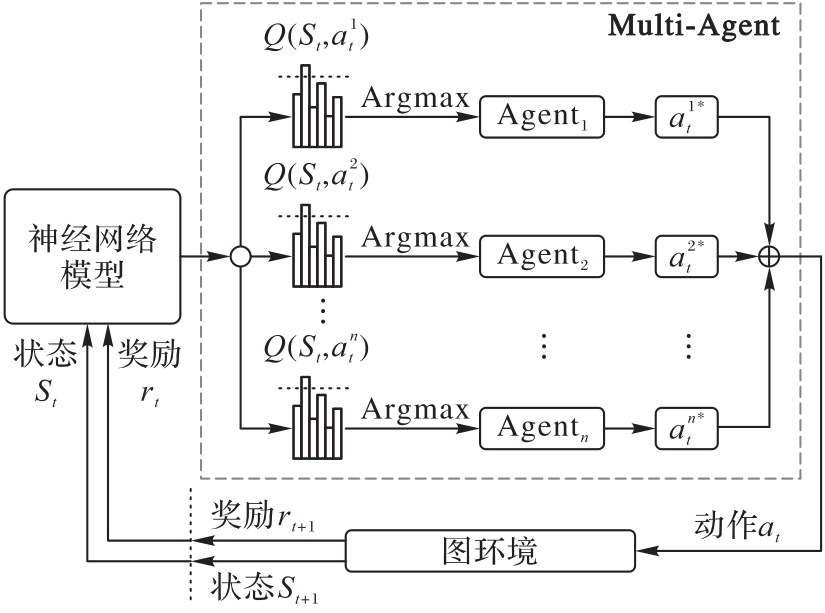
Fig.1 Process of multi-agent decision-making
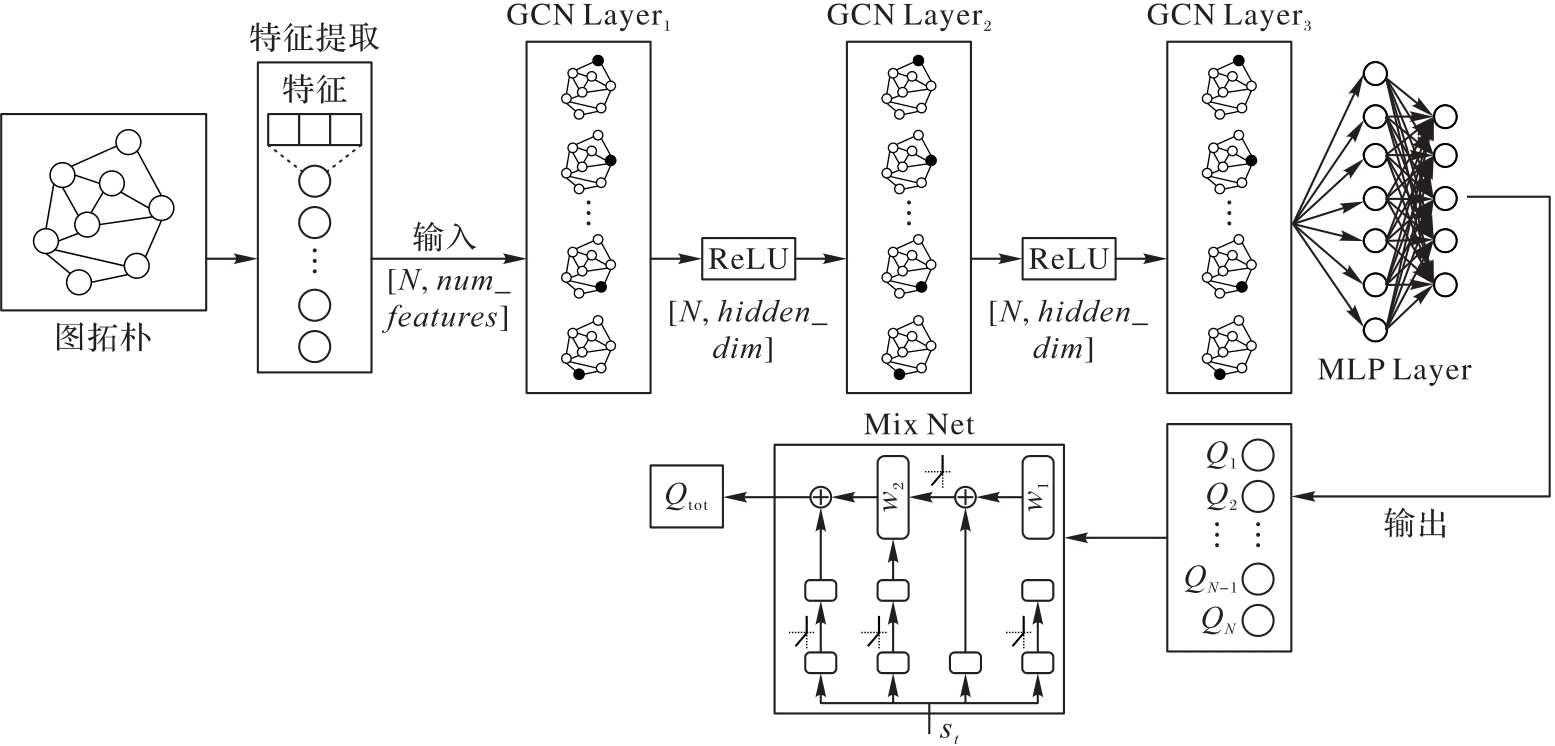
Fig.2 Architecture of Q-value network
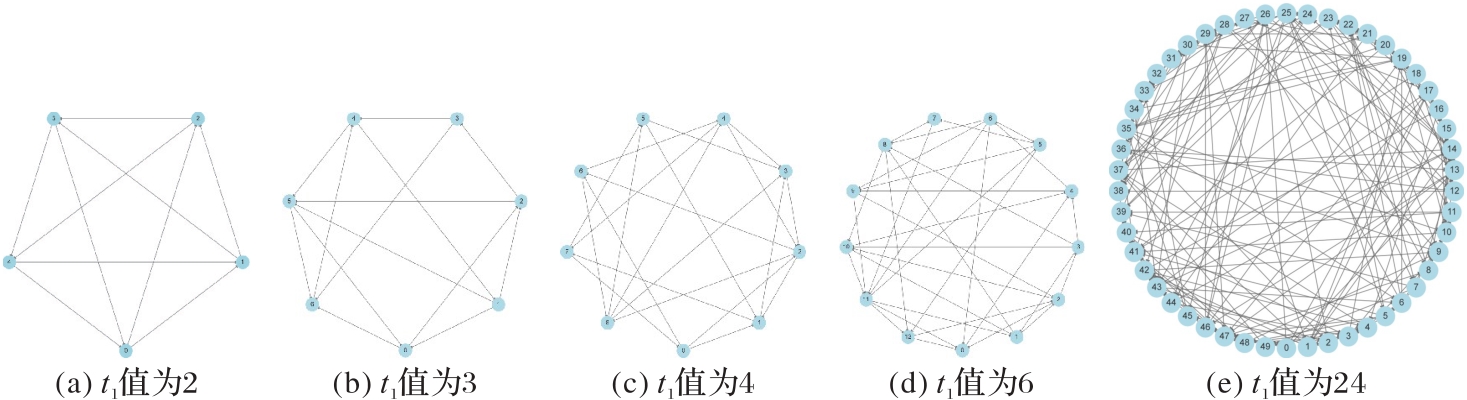
Fig.3 Generated system diagrams at different scales
| 节点规模 | Random | Greedy | ERes | FV | LDP | Graph-RL | |
|---|---|---|---|---|---|---|---|
| avg | best | ||||||
| 5 | 5.7 | 4.4 | 5.5 | 6.2 | 6.2 | 6.0 | 5 |
| 7 | 12.6 | 12.0 | 13.1 | 12.9 | 13.3 | 12.4 | 12 |
| 9 | 22.5 | 22.3 | 25.0 | 25.2 | 22.5 | 20.9 | 18 |
| 13 | 48.2 | 42.7 | 43.6 | 43.0 | 43.2 | 41.8 | 39 |
| 50 | — | — | — | — | — | 589.6 | 553 |
Tab. 1 Comparison of average added edge counts of different methods for generating t1/t1-diagnosable system structures
| 节点规模 | Random | Greedy | ERes | FV | LDP | Graph-RL | |
|---|---|---|---|---|---|---|---|
| avg | best | ||||||
| 5 | 5.7 | 4.4 | 5.5 | 6.2 | 6.2 | 6.0 | 5 |
| 7 | 12.6 | 12.0 | 13.1 | 12.9 | 13.3 | 12.4 | 12 |
| 9 | 22.5 | 22.3 | 25.0 | 25.2 | 22.5 | 20.9 | 18 |
| 13 | 48.2 | 42.7 | 43.6 | 43.0 | 43.2 | 41.8 | 39 |
| 50 | — | — | — | — | — | 589.6 | 553 |
| 节点规模 | 生成成功率/% | |||||
|---|---|---|---|---|---|---|
| Random | Greedy | ERes | FV | LDP | Graph-RL | |
| 5 | 81.5 | 74.4 | 62.1 | 41.7 | 40.8 | 89.8 |
| 7 | 56.5 | 33.0 | 19.3 | 12.2 | 14.8 | 94.3 |
| 9 | 62.1 | 24.0 | 5.9 | 4.5 | 8.5 | 83.1 |
| 13 | 62.0 | 4.0 | 2.0 | 2.0 | 3.0 | 86.3 |
| 50 | — | — | — | — | — | 85.6 |
Tab. 2 Comparison of generation success rates of different methods for generating t1/t1-diagnosable system structures
| 节点规模 | 生成成功率/% | |||||
|---|---|---|---|---|---|---|
| Random | Greedy | ERes | FV | LDP | Graph-RL | |
| 5 | 81.5 | 74.4 | 62.1 | 41.7 | 40.8 | 89.8 |
| 7 | 56.5 | 33.0 | 19.3 | 12.2 | 14.8 | 94.3 |
| 9 | 62.1 | 24.0 | 5.9 | 4.5 | 8.5 | 83.1 |
| 13 | 62.0 | 4.0 | 2.0 | 2.0 | 3.0 | 86.3 |
| 50 | — | — | — | — | — | 85.6 |
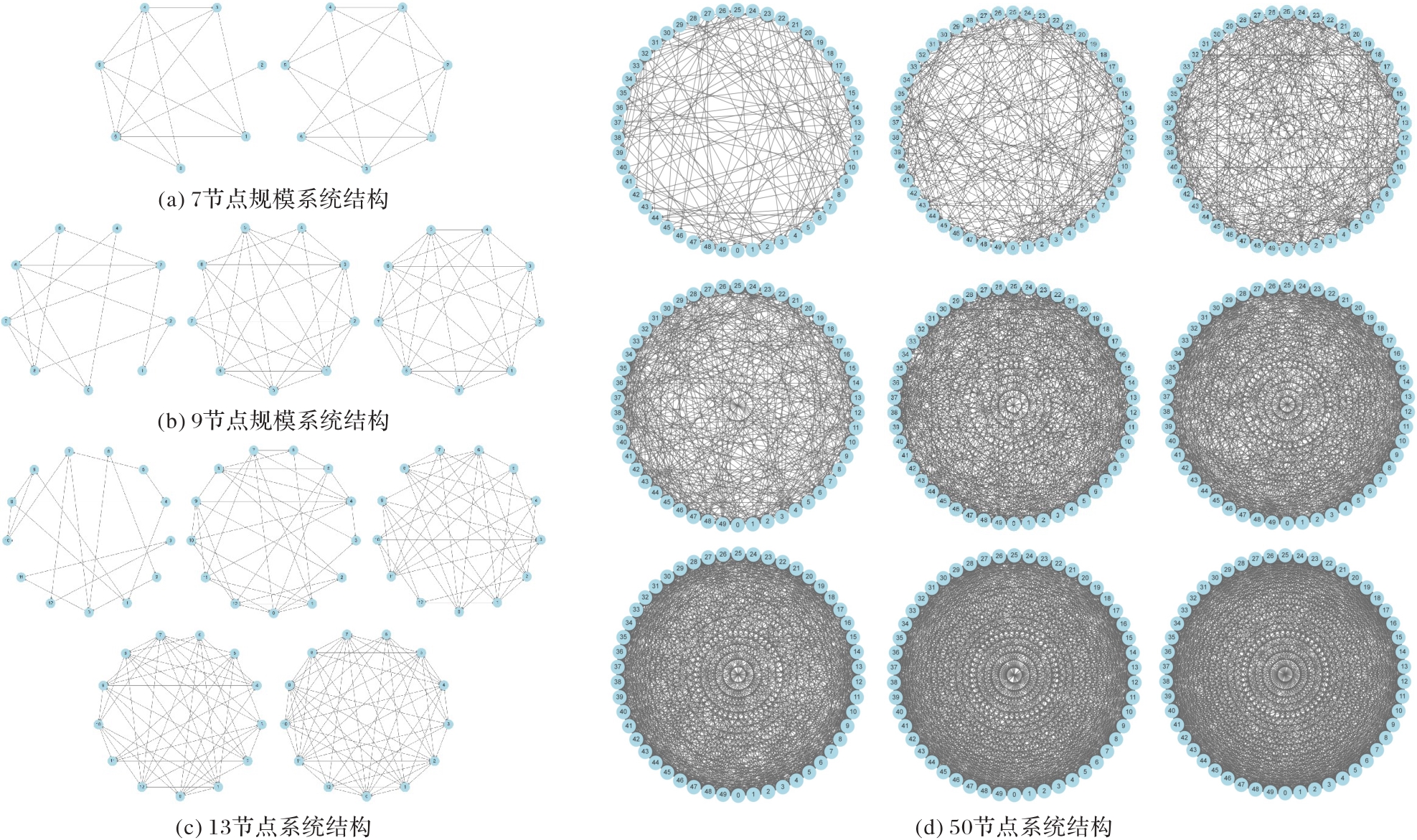
Fig. 4 System structures generated with different diagnosability requirements
节点 规模 | t1值 | 成功率/% | 平均新增 边数 | 节点 规模 | t1值 | 成功率/% | 平均新增 边数 |
|---|---|---|---|---|---|---|---|
| 5 | 2 | 89.8 | 6.0 | 13 | 2 | 98.0 | 18.9 |
| 7 | 2 | 96.6 | 11.9 | 3 | 86.2 | 21.9 | |
| 3 | 94.3 | 12.4 | 4 | 88.3 | 33.5 | ||
| 9 | 2 | 98.7 | 12.7 | 5 | 85.3 | 35.3 | |
| 3 | 84.6 | 16.2 | 6 | 86.3 | 41.8 | ||
| 4 | 83.1 | 20.9 |
Tab. 3 Generation performance on random graphs of different sizes
节点 规模 | t1值 | 成功率/% | 平均新增 边数 | 节点 规模 | t1值 | 成功率/% | 平均新增 边数 |
|---|---|---|---|---|---|---|---|
| 5 | 2 | 89.8 | 6.0 | 13 | 2 | 98.0 | 18.9 |
| 7 | 2 | 96.6 | 11.9 | 3 | 86.2 | 21.9 | |
| 3 | 94.3 | 12.4 | 4 | 88.3 | 33.5 | ||
| 9 | 2 | 98.7 | 12.7 | 5 | 85.3 | 35.3 | |
| 3 | 84.6 | 16.2 | 6 | 86.3 | 41.8 | ||
| 4 | 83.1 | 20.9 |
| t1值 | 成功率/% | 平均新增边数 | t1值 | 成功率/% | 平均新增边数 |
|---|---|---|---|---|---|
| 2 | 85.5 | 48.8 | 14 | 84.7 | 370.2 |
| 3 | 89.1 | 90.8 | 15 | 98.2 | 332.3 |
| 4 | 82.3 | 144.1 | 16 | 98.8 | 379.2 |
| 5 | 98.2 | 102.2 | 17 | 96.0 | 400.1 |
| 6 | 97.1 | 143.9 | 18 | 97.3 | 442.6 |
| 7 | 84.4 | 174.7 | 19 | 90.5 | 465.5 |
| 8 | 83.0 | 224.3 | 20 | 94.9 | 505.2 |
| 9 | 97.6 | 183.4 | 21 | 81.9 | 523.7 |
| 10 | 97.4 | 227.3 | 22 | 88.0 | 568.8 |
| 11 | 93.2 | 255.3 | 23 | 97.1 | 537.7 |
| 12 | 93.8 | 301.2 | 24 | 85.6 | 589.6 |
| 13 | 93.5 | 309.9 |
Tab. 4 Generation performance on 50-node scale diagram
| t1值 | 成功率/% | 平均新增边数 | t1值 | 成功率/% | 平均新增边数 |
|---|---|---|---|---|---|
| 2 | 85.5 | 48.8 | 14 | 84.7 | 370.2 |
| 3 | 89.1 | 90.8 | 15 | 98.2 | 332.3 |
| 4 | 82.3 | 144.1 | 16 | 98.8 | 379.2 |
| 5 | 98.2 | 102.2 | 17 | 96.0 | 400.1 |
| 6 | 97.1 | 143.9 | 18 | 97.3 | 442.6 |
| 7 | 84.4 | 174.7 | 19 | 90.5 | 465.5 |
| 8 | 83.0 | 224.3 | 20 | 94.9 | 505.2 |
| 9 | 97.6 | 183.4 | 21 | 81.9 | 523.7 |
| 10 | 97.4 | 227.3 | 22 | 88.0 | 568.8 |
| 11 | 93.2 | 255.3 | 23 | 97.1 | 537.7 |
| 12 | 93.8 | 301.2 | 24 | 85.6 | 589.6 |
| 13 | 93.5 | 309.9 |
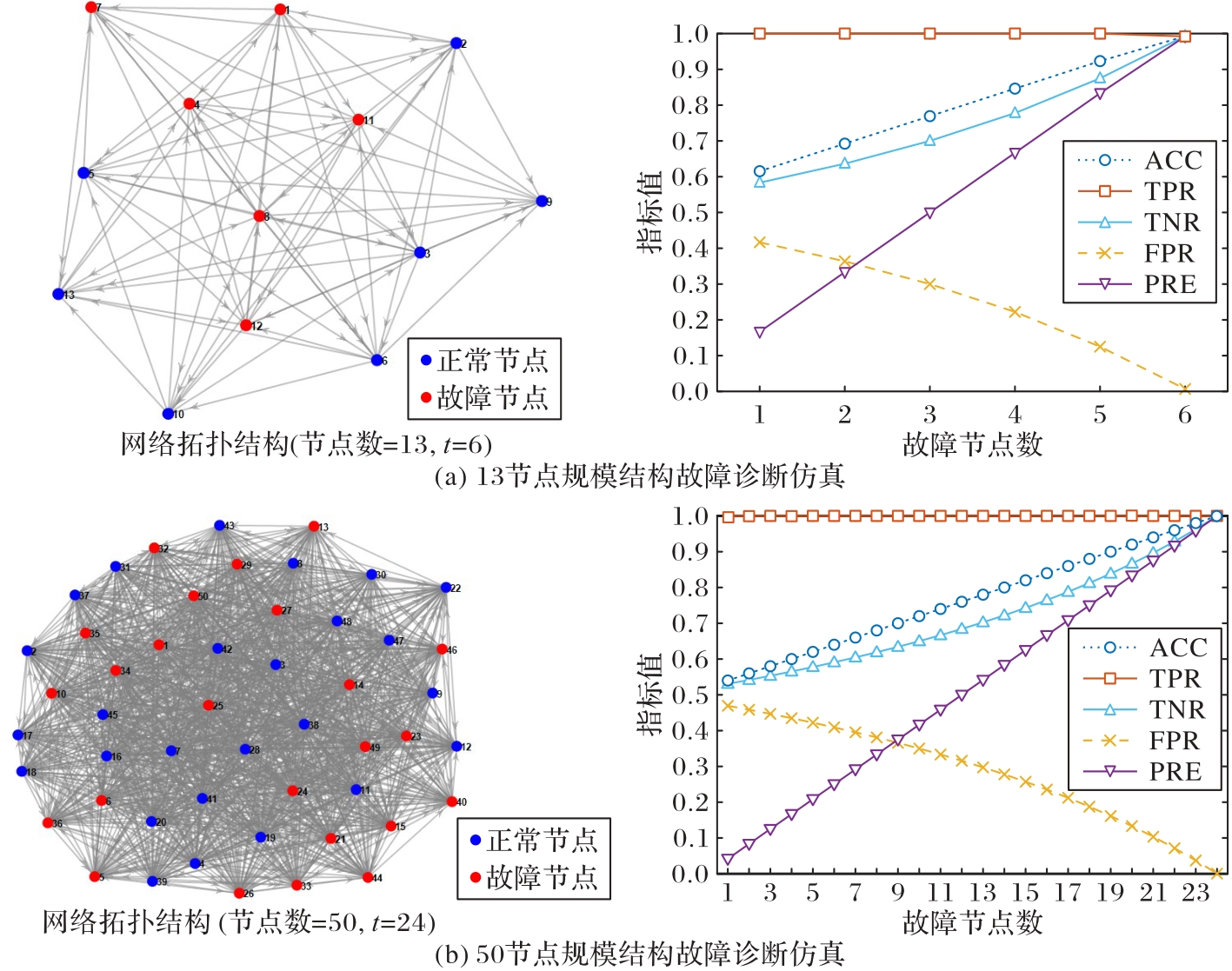
Fig. 5 Simulation results of fault diagnosis
| 节点规模 | 故障节点数 | ACC | TPR | TNR | FPR | PRE |
|---|---|---|---|---|---|---|
| 13 | 1 | 0.69 | 1.00 | 0.67 | 0.33 | 0.20 |
| 2 | 0.77 | 1.00 | 0.73 | 0.27 | 0.40 | |
| 3 | 0.85 | 1.00 | 0.8 | 0.20 | 0.60 | |
| 4 | 0.92 | 1.00 | 0.89 | 0.11 | 0.80 | |
| 5 | 0.99 | 0.99 | 0.99 | 0.01 | 0.99 | |
| 50 | 1 | 0.54 | 1.00 | 0.53 | 0.47 | 0.04 |
| 2 | 0.56 | 1.00 | 0.54 | 0.46 | 0.08 | |
| 3 | 0.58 | 1.00 | 0.55 | 0.45 | 0.13 | |
| 4 | 0.60 | 1.00 | 0.57 | 0.43 | 0.17 | |
| 5 | 0.62 | 1.00 | 0.58 | 0.42 | 0.21 | |
| 6 | 0.64 | 1.00 | 0.59 | 0.41 | 0.25 | |
| 7 | 0.66 | 1.00 | 0.60 | 0.40 | 0.29 | |
| 8 | 0.68 | 1.00 | 0.62 | 0.38 | 0.33 | |
| 9 | 0.70 | 1.00 | 0.63 | 0.37 | 0.38 | |
| 10 | 0.72 | 1.00 | 0.65 | 0.35 | 0.42 | |
| 11 | 0.74 | 1.00 | 0.67 | 0.33 | 0.46 | |
| 12 | 0.76 | 1.00 | 0.68 | 0.32 | 0.50 | |
| 13 | 0.78 | 1.00 | 0.70 | 0.29 | 0.54 | |
| 14 | 0.80 | 1.00 | 0.72 | 0.28 | 0.58 | |
| 15 | 0.82 | 1.00 | 0.74 | 0.26 | 0.60 | |
| 16 | 0.84 | 1.00 | 0.76 | 0.24 | 0.67 | |
| 17 | 0.86 | 1.00 | 0.79 | 0.21 | 0.71 | |
| 18 | 0.88 | 1.00 | 0.81 | 0.19 | 0.75 | |
| 19 | 0.90 | 1.00 | 0.84 | 0.16 | 0.79 | |
| 20 | 0.92 | 1.00 | 0.87 | 0.13 | 0.83 | |
| 21 | 0.94 | 1.00 | 0.89 | 0.10 | 0.88 | |
| 22 | 0.96 | 1.00 | 0.93 | 0.07 | 0.92 | |
| 23 | 0.98 | 1.00 | 0.96 | 0.04 | 0.96 | |
| 24 | 0.99 | 0.99 | 0.99 | 0.00 | 0.99 |
Tab.5 Statistical indicators of fault diagnosis
| 节点规模 | 故障节点数 | ACC | TPR | TNR | FPR | PRE |
|---|---|---|---|---|---|---|
| 13 | 1 | 0.69 | 1.00 | 0.67 | 0.33 | 0.20 |
| 2 | 0.77 | 1.00 | 0.73 | 0.27 | 0.40 | |
| 3 | 0.85 | 1.00 | 0.8 | 0.20 | 0.60 | |
| 4 | 0.92 | 1.00 | 0.89 | 0.11 | 0.80 | |
| 5 | 0.99 | 0.99 | 0.99 | 0.01 | 0.99 | |
| 50 | 1 | 0.54 | 1.00 | 0.53 | 0.47 | 0.04 |
| 2 | 0.56 | 1.00 | 0.54 | 0.46 | 0.08 | |
| 3 | 0.58 | 1.00 | 0.55 | 0.45 | 0.13 | |
| 4 | 0.60 | 1.00 | 0.57 | 0.43 | 0.17 | |
| 5 | 0.62 | 1.00 | 0.58 | 0.42 | 0.21 | |
| 6 | 0.64 | 1.00 | 0.59 | 0.41 | 0.25 | |
| 7 | 0.66 | 1.00 | 0.60 | 0.40 | 0.29 | |
| 8 | 0.68 | 1.00 | 0.62 | 0.38 | 0.33 | |
| 9 | 0.70 | 1.00 | 0.63 | 0.37 | 0.38 | |
| 10 | 0.72 | 1.00 | 0.65 | 0.35 | 0.42 | |
| 11 | 0.74 | 1.00 | 0.67 | 0.33 | 0.46 | |
| 12 | 0.76 | 1.00 | 0.68 | 0.32 | 0.50 | |
| 13 | 0.78 | 1.00 | 0.70 | 0.29 | 0.54 | |
| 14 | 0.80 | 1.00 | 0.72 | 0.28 | 0.58 | |
| 15 | 0.82 | 1.00 | 0.74 | 0.26 | 0.60 | |
| 16 | 0.84 | 1.00 | 0.76 | 0.24 | 0.67 | |
| 17 | 0.86 | 1.00 | 0.79 | 0.21 | 0.71 | |
| 18 | 0.88 | 1.00 | 0.81 | 0.19 | 0.75 | |
| 19 | 0.90 | 1.00 | 0.84 | 0.16 | 0.79 | |
| 20 | 0.92 | 1.00 | 0.87 | 0.13 | 0.83 | |
| 21 | 0.94 | 1.00 | 0.89 | 0.10 | 0.88 | |
| 22 | 0.96 | 1.00 | 0.93 | 0.07 | 0.92 | |
| 23 | 0.98 | 1.00 | 0.96 | 0.04 | 0.96 | |
| 24 | 0.99 | 0.99 | 0.99 | 0.00 | 0.99 |
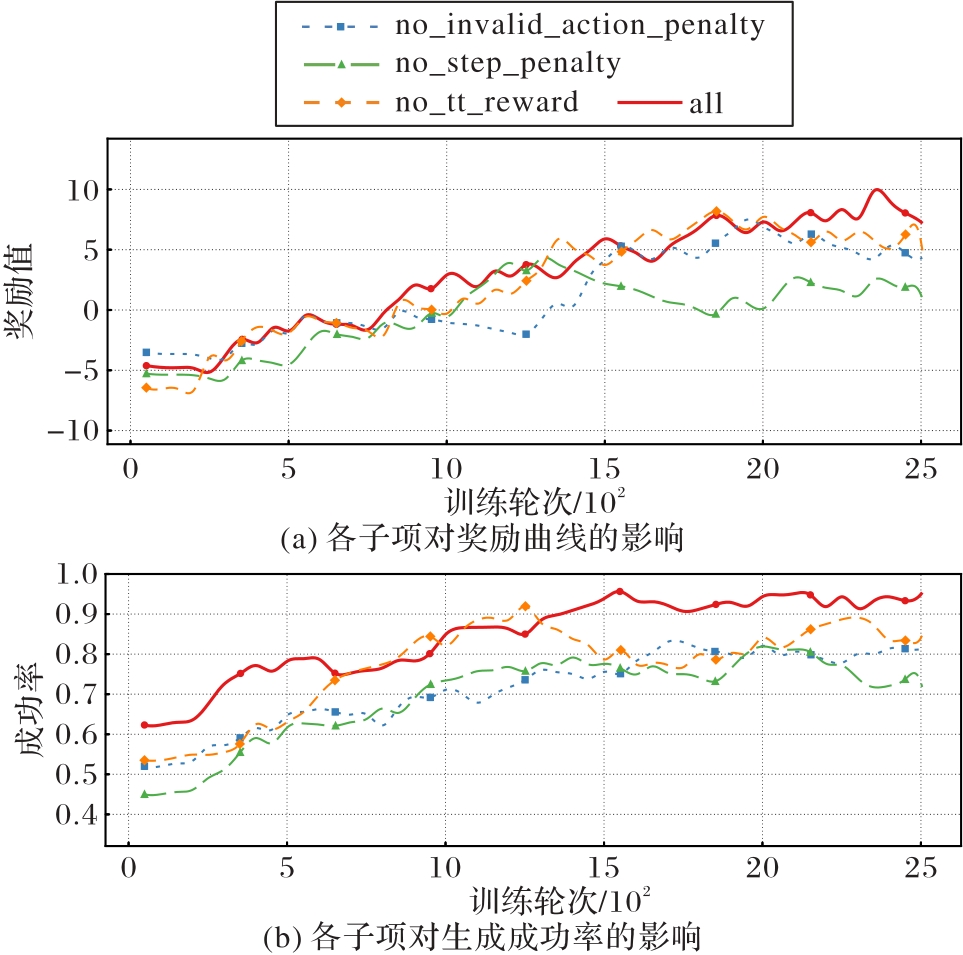
Fig.6 Impact of each component on model performance
| [1] | Preparata F P, Metze G, Chien R T. On the connection assignment problem of diagnosable systems[J]. IEEE Transactions on Electronic Computers, 1967, EC-16(6): 848-854. |
| [2] | Beygelzimer A, Grinstein G, Linsker R, et al. Improving network robustness by edge modification[J]. Physica A: Statistical Mechanics and its Applications, 2005, 357(3/4): 593-612. |
| [3] | Schneider C M, Moreira A A, Andrade J S, et al. Mitigation of malicious attacks on networks[J]. Proceedings of the National Academy of Sciences of the United States of America, 2011, 108(10): 3838-3841. |
| [4] | Wang S Y, Tai K. Graph representation for structural topology optimization using genetic algorithms[J]. Computers and Structures, 2004, 82(20/21): 1609-1622. |
| [5] | Dengiz B, Altiparmak F, Smith A E. A genetic algorithm approach to optimal topological design of all terminal networks[EB/OL]. [2025-09-10]. . |
| [6] | Dai H, Khalil E B, Zhang Y, et al. Learning combinatorial optimization algorithms over graphs[C]// NeurIPS 2017. Red Hook: Curran Associates Inc., 2017: 6351-6361. |
| [7] | Darvariu V A, Hailes S, Musolesi M. Goal-directed graph construction using reinforcement learning[J]. Proceedings of the Royal Society A, 2021, 477(2254): No.20210168. |
| [8] | Zheng W, Wang D, Song F. OpenGraphGym: a parallel reinforcement learning framework for graph optimization problems[C]// ICCS 2020, LNCS 12141. Cham: Springer, 2020: 439-452. |
| [9] | Foerster J, Assael Y M, de Freitas N, et al. Learning to communicate with deep multi-agent reinforcement learning[C]// NeurIPS 2016. Red Hook: Curran Associates Inc., 2016: 2145-2153. |
| [10] | Rashid T, Samvelyan M, de Witt C S, et al. Monotonic value function factorisation for deep multi-agent reinforcement learning[J]. Journal of Machine Learning Research, 2020, 21: 1-51. |
| [11] | 郭晨,张丽,冷明.系统级故障诊断中可诊断性的研究与发展[J].计算机应用研究,2018,35(2):327-332. |
| Guo Chen, Zhang Li, Leng Ming. Study and development of diagnosable in system level diagnosis[J]. Application Research of Computers, 2018, 35(2): 327-332. | |
| [12] | 彭宇,洪炳熔,乔永强.基于通用比较模型的t-可诊断系统的特征化及并行诊断算法[J].计算机学报,2000,23(2):126-133. |
| Peng Yu, Hong Bingrong, Qiao Yongqiang. The characterization of t-diagnosable systems based on the generalized comparison model and a parallel algorithm for diagnosis[J]. Chinese Journal of Computers, 2000, 23(2): 126-133. | |
| [13] | Das A, Thulasiraman K, Agarwal V K, et al. t/s-diagnosable systems: a characterization and diagnosis algorithm[C]// WG 1989, LNCS 411. Berlin: Springer, 1989: 34-45. |
| [14] | Karunanithi S, Friedman A D. Analysis of digital systems using a new measure of system diagnosis[J]. IEEE Transactions on Computers, 1979, C-28(2): 121-133. |
| [15] | Somani A K, Peleg O. On diagnosability of large fault sets in regular topology-based computer systems[J]. IEEE Transactions on Computers, 1996, 45(8): 892-903. |
| [16] | Mallela S, Masson G M. Diagnosable systems for intermittent faults[J]. IEEE Transactions on Computers, 1978, C-27(6): 560-566. |
| [17] | Mallela S, Masson G M. Diagnosis without repair for hybrid fault situations[J]. IEEE Transactions on Computers, 1980, C-29(6): 461-470. |
| [18] | 郭晨,梁家荣,葛志辉,等.基于互测PMC模型的条件诊断算法[J].电子学报,2015,43(2):255-261. |
| Guo Chen, Liang Jiarong, Ge Zhihui, et al. A conditional diagnosis algorithm based on ex-test PMC model[J]. Acta Electronica Sinica, 2015, 43(2): 255-261. | |
| [19] | Lai P L, Tan J J M, Chang C P, et al. Conditional diagnosability measures for large multiprocessor systems[J]. IEEE Transactions on Computers, 2005, 54(2): 165-175. |
| [20] | Peng S L, Lin C K, Tan J J M, et al. The g-good-neighbor conditional diagnosability of hypercube under PMC model[J]. Applied Mathematics and Computation, 2012, 218(21): 10406-10412. |
| [21] | 刘秀丽,原军,马雪.交换超立方体在PMC模型下的g好邻条件诊断度[J].太原科技大学学报,2014,35(5):390-394. |
| Liu Xiuli, Yuan Jun, Ma Xue. The-good-neighbor conditional diagnosability of exchanged hypercubes under PMC model[J]. Journal of Taiyuan University of Science and Technology, 2014, 35(5): 390-394. | |
| [22] | Liu X Q, Zhou S M, Cheng E, et al. The t/s-diagnosability and diagnostic strategy of balanced hypercube under two classic diagnostic models[J]. Journal of Computer Science and Technology, 2024, 39(5): 1207-1222. |
| [23] | Wang H, van Mieghem P. Algebraic connectivity optimization via link addition[C]// BIONETICS 2008. Brussels: ICST (Institute for Computer Sciences, Social-Informatics and Telecommunications Engineering), 2008: No.22. |
| [24] | Dimitriev Y K. Necessary and sufficient conditions for t‑diagnosability of multiprocessor computer systems for various models of nonreliable testing established using the system graph-theoretical model[J]. Automation and Remote Control, 2016, 77(6): 1060-1070. |
| [25] | Sengupta A, Dahbura A T. On self-diagnosable multiprocessor systems: diagnosis by the comparison approach[J]. IEEE Transactions on Computers, 1992, 41(11): 1386-1396. |
| [26] | Zhuo N, Zhang S, Chang J M, et al. Non-inclusive g-extra diagnosability of regular networks under the MM* model[J]. Journal of Applied Mathematics and Computing, 2025, 71(4): 5531-5553. |
| [27] | Gu X, Shi X. A review of research on diagnosability of control systems based on structural analysis[J]. Applied Sciences, 2023, 13(22): No.12241. |
| [28] | Strzelecki Ł, Zieliński Z E. Design of diagnostic structures using genetic algorithm[J]. Przegląd Elektrotechniczny, 2010, 86(9): 163-166. |
| [29] | Sullivan G. A polynomial time algorithm for fault diagnosability[C]// FOCS 1984. Piscataway: IEEE, 1984: 148-156. |
| [30] | Chwa K Y, Hakimi S L. On fault identification in diagnosable systems[J]. IEEE Transactions on Computers, 1981, C-30(6): 414-422. |
| [31] | Jiang B, Zhang Z, Lin D, et al. Semi-supervised learning with graph learning-convolutional networks[C]// CVPR 2019. Piscataway: IEEE, 2019: 11305-11312. |
| [32] | Watkins C J C H, Dayan P. Technical note: Q-learning[J]. Machine Learning, 1992, 8(3/4): 279-292. |
| [33] | Sunehag P, Lever G, Gruslys A, et al. Value-decomposition networks for cooperative multi-agent learning[C]// AAMAS 2018. Richland, SC: International Foundation for Autonomous Agents and Multiagent Systems, 2018: 2085-2087. |
| [34] | Sutton R S. Learning to predict by the methods of temporal differences[J]. Machine Learning, 1988, 3(1): 9-44. |
| [35] | Mnih V, Kavukcuoglu K, Silver D, et al. Human-level control through deep reinforcement learning[J]. Nature, 2015, 518(7540): 529-533. |
| [36] | 朱大奇,于盛林.基于D-S证据理论的数据融合算法及其在电路故障诊断中的应用[J].电子学报,2002,30(2):221-223. |
| Zhu Daqi, Yu Shenglin. Data fusion algorithm based on D-S evidential theory and its application for circuit fault diagnosis[J]. Acta Electronica Sinica, 2002, 30(2): 221-223. | |
| [37] | 张志学,马皓,毛兴云.基于混杂系统模型和事件辨识的电力电子电路故障诊断[J].中国电机工程学报,2005,25(3):49-53. |
| Zhang Zhixue, Ma Hao, Mao Xingyun. Fault diagnosis for power electronic circuits based on hybrid system theory and event identification[J]. Proceedings of the CSEE, 2005, 25(3): 49-53. | |
| [38] | Otto A, Tilk C. Intelligent design of sensor networks for data-driven sensor maintenance at railways[J]. Omega, 2024, 127: No.103094. |
| [39] | Fiedler M. Algebraic connectivity of graphs[J]. Czechoslovak Mathematical Journal, 1973, 23(2): 298-305. |
| [40] | Ellens W, Spieksma F M, van Mieghem P, et al. Effective graph resistance[J]. Linear Algebra and its Applications, 2011, 435(10): 2491-2506. |
| [41] | Wang X, Pournaras E, Kooij R E, et al. Improving robustness of complex networks via the effective graph resistance[J]. The European Physical Journal B, 2014, 87(9): No.221. |
| [1] | Xiaohong QIU, Zixiang YU, Yujie HU. Sample augmentation method for fault diagnosis with high-frequency guided diffusion model [J]. Journal of Computer Applications, 2026, 46(7): 2119-2129. |
| [2] | Ronghui ZHAO, Chao DENG, Zidong YU. Construction and application of knowledge graph for fault diagnosis of key components of aviation equipment [J]. Journal of Computer Applications, 2026, 46(5): 1604-1613. |
| [3] | Meng WANG, Daqian ZHANG, Bingyan ZHOU, Qianying MA, Jidong LYU. Fault diagnosis method for train control on-board interface equipment of CTCS-3 based on temporal knowledge graph completion [J]. Journal of Computer Applications, 2025, 45(2): 677-684. |
| [4] | Xinran XU, Shaobing ZHANG, Miao CHENG, Yang ZHANG, Shang ZENG. Bearings fault diagnosis method based on multi-pathed hierarchical mixture-of-experts model [J]. Journal of Computer Applications, 2025, 45(1): 59-68. |
| [5] | Jie WU, Ansi ZHANG, Maodong WU, Yizong ZHANG, Congbao WANG. Overview of research and application of knowledge graph in equipment fault diagnosis [J]. Journal of Computer Applications, 2024, 44(9): 2651-2659. |
| [6] | Jian ZHANG, Peiyuan CHENG, Siyu SHAO. Rotary machine fault diagnosis based on improved residual convolutional auto-encoding network and class adaptation [J]. Journal of Computer Applications, 2022, 42(8): 2440-2449. |
| [7] | Zumin WANG, Zhihao ZHANG, Jing QIN, Changqing JI. Review of mechanical fault diagnosis technology based on convolutional neural network [J]. Journal of Computer Applications, 2022, 42(4): 1036-1043. |
| [8] | Yongfeng DONG, Yuehua SUN, Lichao GAO, Peng HAN, Haipeng JI. Fault diagnosis method based on improved one-dimensional convolutional and bidirectional long short-term memory neural networks [J]. Journal of Computer Applications, 2022, 42(4): 1207-1215. |
| [9] | Xueying PENG, Yongquan JIANG, Yan YANG. Transfer learning based on graph convolutional network in bearing service fault diagnosis [J]. Journal of Computer Applications, 2021, 41(12): 3626-3631. |
| [10] | SUN Shuguang, ZHOU Qi. Remote real-time fault diagnosis for automatic flight control system based on residual decision [J]. Journal of Computer Applications, 2020, 40(5): 1522-1528. |
| [11] | WANG Rijun, BAI Yue, ZENG Zhiqiang, DUAN Nengquan, DANG Changying, DU Wenhua, WANG Junyuan. Multi-sensor fault diagnosis method for quad-rotor aircraft based on adaptive observer [J]. Journal of Computer Applications, 2018, 38(9): 2735-2741. |
| [12] | MA Mengying, ZENG Yali, WEI Tiantian, CHEN Zhide. Fault diagnosis algorithm of WSN based on precondition of neighbor nodes [J]. Journal of Computer Applications, 2018, 38(8): 2348-2352. |
| [13] | WANG Yan, LUO Qian, DENG Hui. Bearing fault diagnosis method based on Gibbs sampling [J]. Journal of Computer Applications, 2018, 38(7): 2136-2140. |
| [14] | HE Chun, LI Qi, WU Ranghao, LIU Bangxin. Diagnosis of fault circuit by modularized BP neural network based on fault propagation [J]. Journal of Computer Applications, 2018, 38(2): 602-609. |
| [15] | XU Bingke, ZHOU Yuzhe, YANG Maolin, XIE Yuanhang, LI Xiaoyu, LEI Hang. Alarm-filtering algorithm of alarm management system for telecom networks [J]. Journal of Computer Applications, 2018, 38(10): 2881-2885. |
| Viewed | ||||||
|
Full text |
|
|||||
|
Abstract |
|
|||||
